

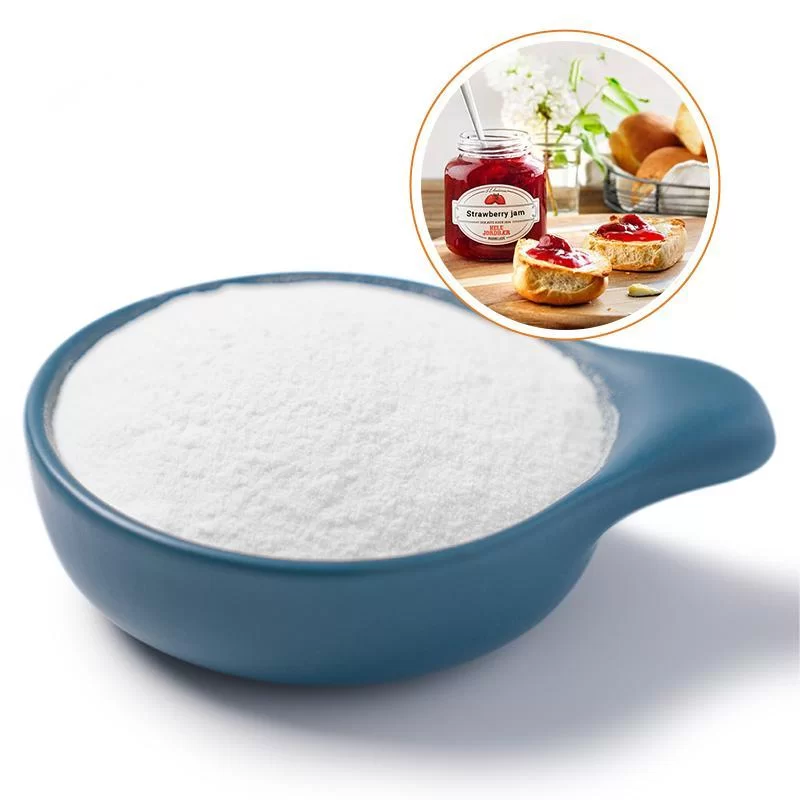
Hydroxypropyl Methylcellulose Powder Solutions for Kenya’s Industries

  • Home
  • Global Service
  • Hydroxypropyl Methylcellulose Powder Solutions for Kenya’s Industries

Hydroxypropyl Methylcellulose Powder Solutions for Kenya's Industries

Providing high-quality hydroxypropyl methylcellulose powder, hpmc, cmc, carboxy methyl cellulose sodium salt, and carboxy methyl cellulose powder to meet the evolving needs of Kenyan manufacturers.

Hydroxypropyl Methylcellulose Powder Solutions for Kenya's Industries

Offering a comprehensive range of cellulose ethers designed to enhance product performance and efficiency across diverse applications in Kenya.

Current Status of the Specialty Chemical Industry in Kenya

An overview of the challenges and opportunities facing manufacturers of specialized chemical products, including cellulose ethers, in the Kenyan market.

Kenya's manufacturing sector, while growing, faces constraints related to infrastructure, access to finance, and raw material sourcing. The demand for specialized chemicals like cmc and hpmc is driven by expanding industries such as construction, pharmaceuticals, food processing, and personal care. However, reliance on imports remains significant, creating price volatility and supply chain vulnerabilities.

The agricultural sector, a cornerstone of the Kenyan economy, indirectly influences the demand for cellulose derivatives. Applications in seed coatings, controlled-release fertilizers, and agrochemical formulations are gaining traction. Climate change and the need for sustainable agricultural practices further drive the demand for innovative chemical solutions.

Despite these challenges, Kenya's strategic location as a regional hub and its commitment to economic diversification present opportunities for growth. Local manufacturers who can offer high-quality, cost-competitive products, and reliable supply chains are well-positioned to capture market share.

Evolution of the Cellulose Ether Industry in Kenya

Tracing the development of cellulose ether technology and its adoption in Kenyan industries.

Market Development History

Prior to the 1990s, the use of cellulose ethers in Kenya was limited, primarily confined to imported pharmaceuticals and specialized industrial applications. The liberalization of the Kenyan economy in the 1990s led to increased imports and greater awareness of the benefits of these polymers.

The 2000s witnessed a gradual increase in local manufacturing capacity for basic chemical products. However, the production of specialized cellulose ethers remained largely dependent on imports. Growing demand from the construction and food processing industries spurred interest in establishing local production facilities.

In recent years, investment in technology and skilled labor has led to a modest increase in domestic production of carboxy methyl cellulose powder and hpmc. However, significant gaps remain in terms of product range and quality.

Future Development Trends

Increased Demand for Sustainable Solutions

Driven by global trends and increasing environmental awareness, there is a growing demand for sustainable and eco-friendly chemical solutions. Cellulose ethers, being derived from renewable resources, are well-positioned to benefit from this trend.

Focus on Local Production and Value Addition

The Kenyan government is actively promoting local manufacturing and value addition. This is expected to encourage investment in local production of cellulose ethers and other specialized chemicals.

Adoption of Advanced Technologies

The adoption of advanced manufacturing technologies, such as process automation and real-time quality control, will be crucial for improving product quality and reducing production costs.

Industry Trends and Future Outlook for Cellulose Ethers in Kenya

Analyzing emerging trends and forecasting the future of the specialty chemical market in Kenya.

Growing Construction Sector Demand
Kenya's booming construction industry fuels demand for hpmc as a key ingredient in tile adhesives, cement mortars, and self-leveling compounds.
Pharmaceutical Industry Growth
The expanding pharmaceutical sector requires high-purity hpmc and cmc for drug formulations, tablet coatings, and controlled-release applications.
Food Processing and Stabilization
The food and beverage industry utilizes cmc as a thickening agent, stabilizer, and emulsifier in a wide range of products.
Personal Care & Cosmetics
Cellulose ethers are widely used in personal care products, such as shampoos, lotions, and creams, to provide thickening, stabilization, and film-forming properties.

Industry Outlook

The Kenyan specialty chemical market is projected to grow at a steady pace over the next 5-7 years, driven by infrastructure development, population growth, and increasing consumer spending. Local manufacturers who can offer customized solutions and reliable supply chains are expected to thrive.

Sustainability and environmental considerations will play an increasingly important role in shaping the future of the industry. Companies that prioritize eco-friendly practices and invest in sustainable raw materials will gain a competitive advantage.

Local Application Scenarios for Cellulose Ethers in Kenya

Exploring specific use cases of hydroxypropyl methylcellulose and related products within Kenyan industries.

1. Enhanced Cement Mortars

In Kenya's rapidly expanding construction sector, hpmc is used to improve the workability, water retention, and adhesion of cement mortars, leading to stronger and more durable structures.

2. Pharmaceutical Tablet Coatings

Local pharmaceutical manufacturers utilize hpmc as a film-coating agent for tablets, providing protection, controlled release, and improved patient compliance.

3. Food Thickening and Stabilization

Kenyan food processing companies employ cmc as a thickening agent and stabilizer in sauces, dressings, and processed foods, enhancing texture and shelf life.

4. Textile Sizing Agent

The textile industry utilizes cmc as a sizing agent to improve the strength and weave-ability of yarns, resulting in higher-quality fabrics.

5. Agro-chemical Suspension

In the agricultural sector, cmc is effectively used to stabilize suspensions of agrochemicals, ensuring uniform distribution and enhanced efficacy in field applications.

Brand Story

Tangjin Technology (Hebei) Co., Ltd.'s global development journey

Foundation and Commitment to Quality

Established in 2008, Tangjin Technology began with a vision to deliver consistently high-quality cellulose ethers to meet the evolving needs of global industries.

Expansion and Innovation

Over the years, we have invested heavily in research and development, expanding our product portfolio and enhancing our manufacturing capabilities.

Global Reach and Partnerships

We have established a strong global presence, serving customers in diverse industries across multiple continents. We also build strong relationships with distributors.

Sustainability and Responsibility

We are committed to sustainable manufacturing practices and minimizing our environmental impact. We have passed ISO9001, ISO14001 and other certifications.

Customer Focus and Value Creation

Our priority is to provide our customers with exceptional products, reliable service, and tailored solutions that drive their success.

Complete Product Range for Local Industries

Discover our extensive selection of cellulose ethers and related products tailored for the Kenyan market.

Frequently Asked Questions About Cellulose Ethers in Kenya

Addressing common queries regarding the use, benefits, and sourcing of cellulose ethers in the Kenyan market.

What is the shelf life of hydroxypropyl methylcellulose powder when stored in Kenya's climate?

Properly stored in a cool, dry place, away from direct sunlight and moisture, our hydroxypropyl methylcellulose powder typically has a shelf life of 24-36 months.

How does carboxy methyl cellulose sodium salt improve the performance of cement-based products?

Carboxy methyl cellulose sodium salt enhances water retention, workability, and adhesion in cement mortars and tile adhesives, resulting in increased strength and durability.

What grades of HPMC are suitable for pharmaceutical tablet coating in Kenya?

We offer a range of hpmc grades specifically designed for pharmaceutical tablet coating, meeting the required viscosity, particle size, and purity standards.

Can your CMC products be used in food applications compliant with Kenyan regulations?

Yes, our food-grade cmc products meet the necessary quality and safety standards for use in food applications in Kenya.

What is the recommended dosage of HPMC for improving the workability of concrete in hot Kenyan weather?

The recommended dosage of hpmc for concrete varies depending on the specific mix design and environmental conditions. We recommend a dosage of 0.3-0.8% by weight of cement.

Do you offer technical support for implementing cellulose ethers in new formulations for Kenyan manufacturers?

Yes, we provide comprehensive technical support, including formulation guidance, product selection assistance, and on-site troubleshooting.

Get in Touch with Us

We are here to help you find the right cellulose ether solutions for your business in Africa - Kenya.

Contact Us Now

If you are interested in our products, you can choose to leave your information here, and we will be in touch with you shortly.