

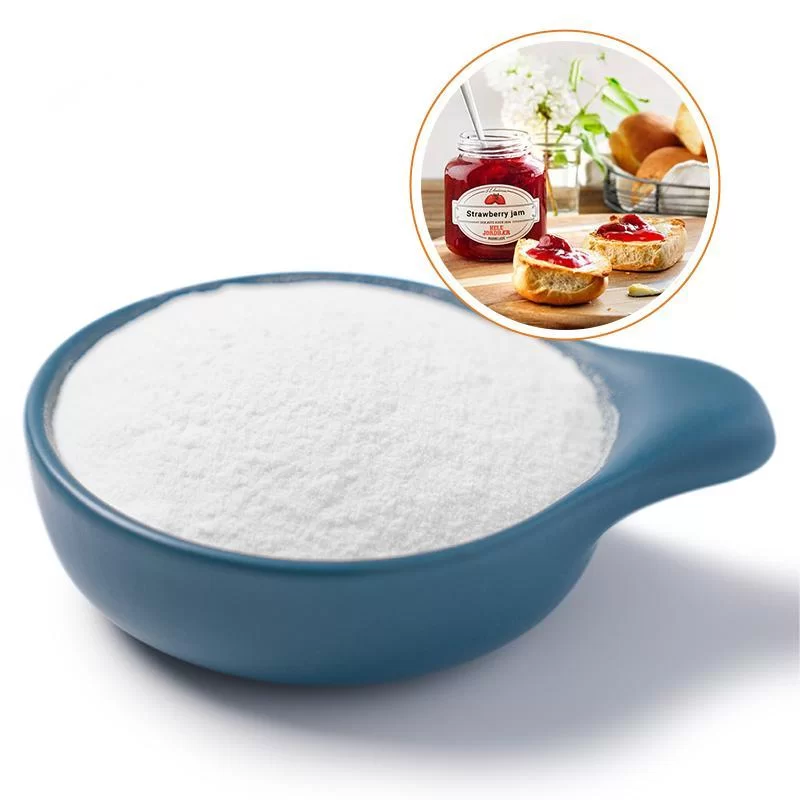
Hydroxypropyl Methylcellulose Powder Solutions for Nigeria’s Industries

  • Home
  • Global Service
  • Hydroxypropyl Methylcellulose Powder Solutions for Nigeria’s Industries

Hydroxypropyl Methylcellulose Powder Solutions for Nigeria's Industries

Optimizing performance and efficiency with premium hydroxypropyl methylcellulose powder and cellulose derivatives.

Hydroxypropyl Methylcellulose Powder Solutions for Nigeria's Industries

Providing high-quality hpmc, cmc, and cellulose solutions tailored for diverse industrial applications in Nigeria.

The Current Landscape of Cellulose Ether Production in Nigeria

Understanding the challenges and opportunities for carboxy methyl cellulose powder and related products in the Nigerian market.

Nigeria, as a rapidly developing economy in West Africa, demonstrates a growing demand for specialized chemical products like cmc and hydroxypropyl methylcellulose powder. However, local production is limited, relying heavily on imports to meet demands from sectors such as construction, pharmaceuticals, food, and paints. This import dependence exposes the market to price fluctuations and supply chain vulnerabilities.

The Nigerian climate, characterized by high humidity and temperatures, particularly in the coastal regions, presents unique challenges for product storage and application. Formulations utilizing cellulose ethers must be carefully adapted to maintain stability and performance under these conditions. Furthermore, the growth of local manufacturing industries fuels a need for consistent and reliable supply of high-quality raw materials.

Infrastructure development and increased foreign investment are key factors driving demand. The expanding construction sector utilizes hpmc as a key ingredient in cement-based products, while the pharmaceutical industry relies on carboxy methyl cellulose sodium salt as a binder and disintegrant in drug formulations.

Evolution of Cellulose Ether Technology and Market Trends in Nigeria

Tracing the development of cellulose ether applications in Nigeria from traditional uses to modern innovations.

Market Development History

Initially, the use of cellulose ethers in Nigeria was limited to basic applications like thickening agents in paints and adhesives. Around the 1980s, with the expansion of the pharmaceutical industry, carboxy methyl cellulose sodium salt started gaining prominence as an excipient in tablet and liquid formulations.

The early 2000s witnessed the growth of the construction sector, prompting increased demand for hydroxypropyl methylcellulose powder in cement-based mortars, tile adhesives, and renders. This period also saw an increasing awareness of the benefits of cellulose ethers in improving workability and water retention.

Over the past decade, with increased globalization and access to advanced technologies, the demand for specialized cellulose ether grades has risen. This includes modified cellulose ethers with tailored properties for specific applications like oil drilling fluids and personal care products.

Future Development Trends

Growing Demand for Sustainable Solutions

Increasing environmental awareness will drive demand for eco-friendly cellulose ether products derived from sustainable sources.

Expansion into New Applications

Applications in specialized sectors like battery manufacturing and advanced materials are expected to expand.

Localized Production Capabilities

Investments in local manufacturing facilities could reduce import dependence and offer cost advantages.

Industry Trends and Future Prospects for Cellulose Ethers in Nigeria

Analyzing emerging trends and forecasting the future of the cellulose ether market in the Nigerian context.

Increased Construction Activity
Nigeria's rapidly growing construction sector drives demand for hpmc in cement mortars, tile adhesives, and plastering compounds, providing a significant market opportunity.
Pharmaceutical Industry Growth
The expanding pharmaceutical sector relies heavily on carboxy methyl cellulose sodium salt as a binder, disintegrant, and controlled-release agent in various drug formulations.
Food and Beverage Applications
The food processing industry utilizes cellulose derivatives as thickeners, stabilizers, and emulsifiers in various food products, driven by growing consumer demand.
Growing Demand for Eco-Friendly Products
Increasing awareness of sustainability drives demand for cellulose ethers derived from renewable resources, promoting eco-friendly formulations.

Industry Outlook

The Nigerian cellulose ether market is poised for substantial growth over the next 3-5 years, fueled by the aforementioned factors. Increased investment in local production facilities and the adoption of advanced technologies will be crucial for meeting the growing demand and reducing import dependence.

Google Trends data indicates a consistent upward trend in search queries related to "cellulose ethers," "HPMC," and "CMC" in Nigeria, further validating the market's potential. Focusing on tailored solutions for specific Nigerian industry needs, like formulations optimized for the local climate, will be key to success.

Local Application Scenarios for Cellulose Ethers in Nigeria

Exploring practical applications of cellulose ethers across diverse industries in Nigeria.

1. Improved Cement Mortars for Affordable Housing

Utilizing hpmc as a water retention agent in cement mortars for affordable housing projects, enhancing workability and reducing cracking during construction. This addresses a critical need for accessible housing in urban areas.

2. Enhanced Drug Delivery Systems for Increased Accessibility

Employing carboxy methyl cellulose sodium salt as a binder and controlled-release agent in pharmaceutical formulations, improving drug bioavailability and reducing healthcare costs.

3. Optimized Food Texture and Stability in Local Processing

Leveraging cmc as a thickener and stabilizer in locally produced food products, such as sauces, beverages, and dairy items, enhancing texture and shelf life.

4. Enhanced Oil Drilling Mud Performance in Niger Delta

Using specialized cellulose ether derivatives to enhance the viscosity and fluid loss control in oil drilling muds, optimizing drilling operations in the challenging Niger Delta region.

Brand Story

The global development history of Tangjin Technology (Hebei) Co., Ltd.

Foundation and Commitment to Quality

Tangjin Technology was founded on a commitment to delivering high-quality cellulose ethers and exceptional customer service. We quickly established ourselves as a reliable supplier to key industries.

Expansion and Technological Advancement

We invested heavily in research and development, expanding our product portfolio and incorporating advanced manufacturing technologies to meet evolving market demands.

Global Reach and Strategic Partnerships

We expanded our reach globally, establishing strategic partnerships with distributors and customers in key regions, including Africa.

Focus on Sustainability and Innovation

We embraced sustainable manufacturing practices and continued to innovate, developing eco-friendly cellulose ether solutions for a variety of applications.

Serving Nigeria's Growing Needs

We are dedicated to supporting the growth of Nigerian industries by providing reliable, high-quality cellulose ether products and expert technical support.

Complete Product Range for the Local Nigerian Market

Tailored cellulose ether solutions to meet the diverse needs of Nigerian industries.

Frequently Asked Questions about Cellulose Ethers in Nigeria

Addressing common concerns and providing insights into the use of cellulose ethers in Nigeria.

What are the key benefits of using HPMC in cement-based construction materials in Nigeria's humid climate?

HPMC enhances water retention, improving workability, adhesion, and reducing cracking in cement-based materials. This is particularly crucial in Nigeria's humid climate, where rapid drying can lead to structural issues.

How does CMC contribute to the stability and texture of food products manufactured in Nigeria?

CMC acts as a thickener, stabilizer, and emulsifier, improving the texture, viscosity, and shelf life of various food products, ensuring consistent quality for consumers.

What is the recommended grade of HPMC for tile adhesive formulations used in Nigerian building projects?

Medium viscosity HPMC grades with a particle size suitable for consistent mixing are generally recommended for tile adhesives. The specific grade depends on the desired open time and slip resistance.

Can cellulose ethers be used in oil drilling fluids in the Niger Delta region?

Yes, modified cellulose ether derivatives are commonly used in oil drilling fluids to control viscosity, reduce fluid loss, and improve wellbore stability, particularly in challenging environments like the Niger Delta.

What are the storage requirements for cellulose ethers to maintain their quality in Nigeria's tropical climate?

Cellulose ethers should be stored in a cool, dry, and well-ventilated area, away from direct sunlight and moisture. Proper packaging and storage are essential to prevent clumping and degradation.

What is the difference between HPMC and CMC and which one should I use for my specific application?

HPMC (Hydroxypropyl Methylcellulose) is a non-ionic cellulose ether providing thickening, binding, film-forming, and water retention properties. CMC (Carboxymethyl Cellulose) is an ionic cellulose ether often used for stabilization, viscosity control, and suspension. HPMC is preferred for construction and pharmaceuticals while CMC is common in food and drilling applications.

Get in Touch with Us

We're here to help you find the perfect cellulose ether solutions for your needs in Nigeria.

Contact Us Now

If you are interested in our products, you can choose to leave your information here, and we will be in touch with you shortly.