

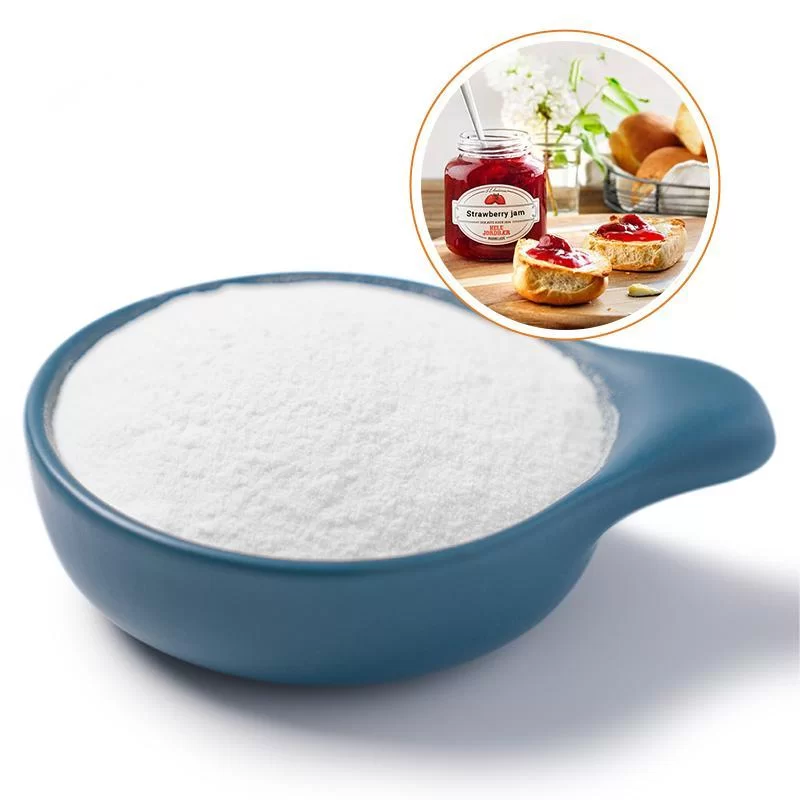
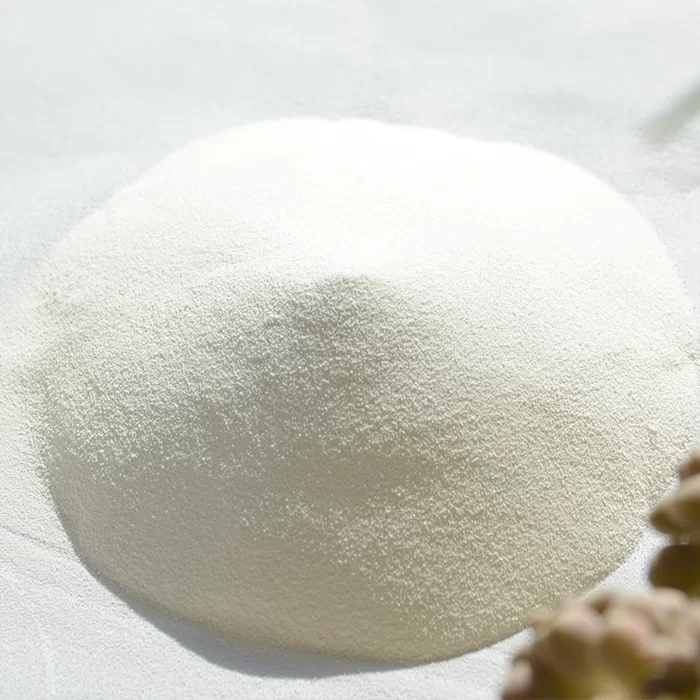
Hydroxypropyl Methylcellulose Solutions for Japanese Industries

Hydroxypropyl Methylcellulose Solutions for Japanese Industries

Optimizing Performance with High-Quality HPMC, CMC, and Cellulose Derivatives in Asia-Japan.

Hydroxypropyl Methylcellulose Solutions for Japanese Industries

Providing innovative cellulose solutions to meet the evolving needs of manufacturers in Asia-Japan, specializing in hydroxypropyl methylcellulose powder, hpmc, cmc, carboxy methyl cellulose sodium salt, and carboxy methyl cellulose powder.

Current Market Landscape in Asia-Japan

Understanding the Dynamics of Cellulose Ether Demand in Japan.

Japan's manufacturing sector, particularly in construction, pharmaceuticals, food, and cosmetics, demonstrates a strong and consistent demand for cellulose ethers like hydroxypropyl methylcellulose powder. The country's stringent quality standards and preference for high-performance materials drive the need for specialized grades.

Geographically, Japan’s vulnerability to earthquakes necessitates building materials with enhanced properties, bolstering the demand for HPMC as a crucial component in cement-based formulations. Furthermore, its aging population fuels growth in the pharmaceutical sector, demanding high-purity cmc for drug delivery systems.

Economic factors, including a stable currency and a focus on technological innovation, support consistent investment in R&D related to cellulose chemistry. This translates to a competitive market requiring suppliers to offer tailored solutions and consistent product quality.

Evolution of Cellulose Ether Technology in Asia-Japan

Tracing the Development of Cellulose Applications in the Region.

Market Development History

The introduction of cellulose ethers to Japan dates back to the post-war reconstruction era (1950s-60s), primarily utilizing carboxy methyl cellulose powder as a thickening agent in textiles and detergents. Initial imports dominated the market.

The 1980s and 90s witnessed a shift towards domestic production and the development of specialized HPMC grades for construction applications. Enhanced research focused on improving water retention, workability, and adhesion properties. The growing pharmaceutical industry started relying on pharmaceutical grade hpmc.

The 21st century brought a focus on sustainable and eco-friendly cellulose derivatives. Innovation centered on optimizing production processes, reducing environmental impact, and exploring new applications in food and cosmetics. Increased demand for modified cmc arose.

Future Development Trends

Enhanced Polymer Modification

Future advancements will revolve around fine-tuning polymer structures to achieve specific rheological properties, improving compatibility with various formulations, and developing customized solutions for niche applications.

Biotechnology Integration

Integrating biotechnology to modify cellulose structures, leading to enhanced functionality and performance characteristics. This includes exploring enzymatic modification and microbial fermentation techniques.

Smart Cellulose Materials

Developing ‘smart’ cellulose materials with responsive properties, capable of adapting to environmental stimuli. This is particularly relevant in drug delivery systems and advanced construction materials.

Industry Trends and Future Outlook in Asia-Japan

Forecasting the Future of Cellulose Ether Demand.

Growing Demand in Construction
Increased infrastructure projects and the need for earthquake-resistant materials will drive demand for hpmc in cementitious systems.
Pharmaceutical Advancements
Expanding pharmaceutical formulations requiring controlled-release properties will fuel the demand for high-purity cmc and HPMC.
Food Industry Innovations
Demand for texture modification and stabilization in processed foods will continue to drive the use of carboxy methyl cellulose sodium salt.
Sustainability Focus
Growing demand for bio-based and sustainable cellulose derivatives, aligning with Japan’s environmental initiatives.

Industry Outlook

The Japanese market for cellulose ethers is projected to grow at a steady rate of 3-5% annually over the next five years, driven by the factors mentioned above. Suppliers focusing on innovation, quality, and sustainability will be best positioned to capitalize on this growth.

Google Trends data indicates increasing search interest in “cellulose ether applications” and “sustainable building materials” in Japan, further reinforcing the market’s trajectory.

Local Application Scenarios in Japan

Real-World Examples of Cellulose Ether Use in the Japanese Market.

1. High-Speed Rail Construction

HPMC is crucial in the concrete mixtures used for Japan’s Shinkansen (bullet train) tracks, improving workability, reducing water segregation, and enhancing durability under extreme conditions.

2. Pharmaceutical Excipients

CMC is widely employed as a binder, disintegrant, and controlled-release agent in various pharmaceutical formulations manufactured in Japan, meeting stringent regulatory standards.

3. Premium Food Products

Modified cellulose derivatives like carboxy methyl cellulose sodium salt are used in Japanese confectionery and processed foods to enhance texture, stability, and shelf life.

4. Eco-Friendly Building Materials

Sustainable HPMC-based plasters and renders are gaining traction in eco-conscious construction projects in Japan, reducing reliance on traditional, less environmentally friendly materials.

Brand Story

Tangjin Technology (Hebei) Co., Ltd. Global Development Journey

Foundational Commitment

Established in 2008, Tangjin Technology has rapidly become a trusted provider of cellulose ethers, dedicated to exceeding customer expectations.

Technological Advancement

Continuous investment in R&D and advanced manufacturing processes ensures consistently high-quality and innovative products.

Global Expansion

Expanding our reach to serve customers worldwide, including a growing presence in the Asia-Pacific region.

Customer-Centric Approach

We prioritize building long-term relationships with our clients, offering tailored solutions and exceptional support.

Sustainability Initiatives

Committed to sustainable manufacturing practices and minimizing our environmental footprint.

Complete Product Portfolio for the Local Market

A comprehensive range of cellulose ethers tailored to Japanese industry standards.

Frequently Asked Questions (Japan)

Addressing Common Concerns about Cellulose Ethers in the Japanese Market.

What is the typical lead time for HPMC orders shipped to Japan?

Standard lead times for shipments to Japan are 7-14 business days, depending on order volume and shipping method.

Do your HPMC products comply with Japanese Pharmacopoeia standards?

Yes, we offer pharmaceutical-grade hpmc that meets or exceeds Japanese Pharmacopoeia requirements.

What is the shelf life of your carboxy methyl cellulose powder?

Our carboxy methyl cellulose powder has a shelf life of 2 years when stored in a cool, dry place.

Can you provide technical data sheets (TDS) and safety data sheets (SDS) in Japanese?

Yes, we can provide TDS and SDS documents translated into Japanese upon request.

What are the available packaging options for CMC orders in Japan?

We offer various packaging options, including 25kg bags, 500kg jumbo bags, and customized packaging to meet specific requirements.

Do you offer samples of your hydroxypropyl methylcellulose powder for testing in Japan?

Yes, we gladly provide samples of our hydroxypropyl methylcellulose powder for your evaluation and testing purposes.

Get in Touch with Us

We are your reliable partner for cellulose ether solutions in Japan, dedicated to delivering exceptional quality and service.

Contact Us Now

If you are interested in our products, you can choose to leave your information here, and we will be in touch with you shortly.