

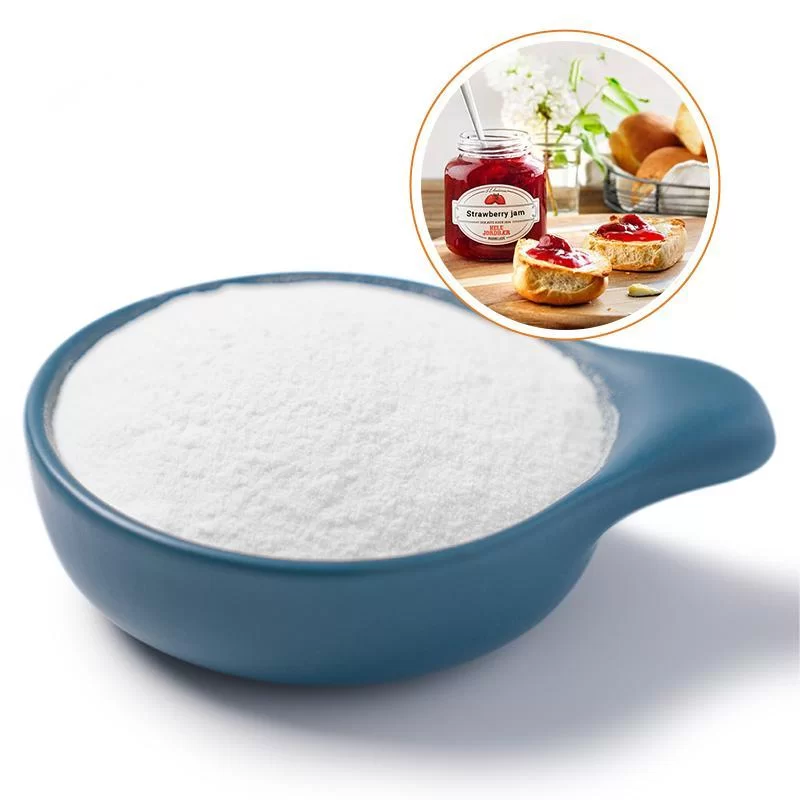
Hydroxypropyl Methylcellulose Powder Solutions for Myanmar’s Industries

  • Home
  • Global Service
  • Hydroxypropyl Methylcellulose Powder Solutions for Myanmar’s Industries

Hydroxypropyl Methylcellulose Powder Solutions for Myanmar's Industries

Premium quality hydroxypropyl methylcellulose powder, hpmc, cmc, carboxy methyl cellulose sodium salt, and carboxy methyl cellulose powder tailored for diverse applications.

Hydroxypropyl Methylcellulose Powder Solutions for Myanmar's Industries

Offering comprehensive solutions with high-performance hpmc, cmc, and cellulose derivatives to meet the evolving needs of Myanmar’s manufacturing sector.

Current Status of Cellulose Ether Manufacturing in Myanmar

An Overview of Market Dynamics and Regional Challenges

Myanmar’s manufacturing sector, while experiencing growth, faces infrastructural challenges and a reliance on imports for specialized chemical products like carboxy methyl cellulose sodium salt and hydroxypropyl methylcellulose powder. Limited local production capacity necessitates importing these vital materials primarily from China, India, and other Asian countries. This dependence impacts supply chain resilience and cost-effectiveness for local industries.

The country’s climate, characterized by high humidity and a monsoon season, presents unique demands for construction materials and adhesive formulations where cmc and HPMC are crucial. Furthermore, increasing focus on sustainability is driving demand for eco-friendly and bio-based additives in various applications.

Political and economic stability are crucial factors influencing the growth of the chemical industry in Myanmar. Current trade regulations and import tariffs significantly impact the availability and pricing of raw materials, influencing the competitiveness of local manufacturers. Opportunities exist for investment in local manufacturing facilities to reduce import reliance and enhance the value chain.

Evolution of Cellulose Ether Technology and its Adoption in Myanmar

Tracing the Historical Development and Future Trends

Market Development History

The use of cellulose ethers, including hpmc and carboxy methyl cellulose powder, began in the mid-20th century with applications in the pharmaceutical and food industries. Initial products were limited in functionality and consistency. By the 1980s, advancements in chemical modification techniques led to the development of more specialized grades for construction, paints, and coatings.

The 2000s witnessed a surge in demand for cellulose ethers in Asia, driven by rapid infrastructure development. Myanmar began importing these materials to support its growing construction sector. Technological advancements focused on improving water retention, thickening efficiency, and thermal stability of cellulose ethers.

In recent years, research has focused on sustainable production methods and the development of cellulose ethers from alternative sources like bamboo and agricultural waste, reflecting a global trend toward bio-based materials. Myanmar is beginning to show interest in adopting these eco-friendly alternatives.

Future Development Trends

Enhanced Polymerization Control

Expect advancements in polymerization techniques enabling precise control over molecular weight and distribution, leading to cellulose ethers with tailored properties for specific applications.

Bio-Based Alternatives

Increasing research and investment in cellulose ether production from sustainable biomass sources like bamboo and agricultural residues, aligning with Myanmar's growing focus on environmental sustainability.

Smart Cellulose Ethers

Development of cellulose ethers with stimuli-responsive properties, capable of changing viscosity or solubility in response to environmental factors like temperature or pH, opening up possibilities for novel applications.

Industry Trends and Future Outlook for Cellulose Ethers in Myanmar

Analyzing Growth Drivers and Emerging Opportunities

Growing Construction Sector
Myanmar's expanding construction industry drives demand for hpmc in cement-based materials, tile adhesives, and waterproofing compounds.
Pharmaceutical Industry Growth
Expanding pharmaceutical manufacturing requires high-purity cmc for tablet binding, controlled release formulations, and suspension stabilization.
Increasing Demand for Eco-Friendly Solutions
Growing awareness of environmental sustainability drives demand for cellulose ethers sourced from renewable resources and manufactured using eco-friendly processes.
Paint and Coating Industry Expansion
Growth in the paint and coating industry relies on hpmc and cmc for thickening, stabilization, and improved film formation.

Industry Outlook

The demand for cellulose ethers in Myanmar is expected to grow steadily over the next 3-5 years, driven by infrastructure development and industrial expansion. Local manufacturers will benefit from investing in efficient supply chains and establishing strategic partnerships with international suppliers.

Key success factors will include offering competitive pricing, ensuring consistent product quality, and providing tailored solutions to meet the specific needs of the Myanmar market.

Localized Application Scenarios for Cellulose Ethers in Myanmar

Practical Applications Tailored to Myanmar's Unique Needs

1. Rice-Based Food Thickeners

Utilizing cmc as a natural thickener and stabilizer in traditional Myanmar rice-based dishes and desserts, enhancing texture and shelf life.

2. Waterproofing in Coastal Construction

Employing hpmc-modified cement mortars in coastal construction projects to improve waterproofing and resistance to high humidity and salt spray.

3. Textile Sizing Agents in Local Garment Industry

Using cmc as a sustainable sizing agent in the textile industry, enhancing yarn strength and improving weaving efficiency in local garment manufacturing.

4. Enhanced Oil Well Cementing

Implementing hpmc in oil well cementing applications to enhance slurry properties, improve cement placement, and ensure wellbore integrity in Myanmar’s emerging oil and gas sector.

5. Agricultural Formulation

Utilizing cmc as a binder and stabilizer in agricultural formulations, improving the effectiveness of fertilizers and pesticides for local crop production.

Brand Story

Tangjin Technology (Hebei) Co., Ltd.'s Global Development Journey

Foundation and Commitment

Established in 2008, Tangjin Technology is dedicated to becoming a leading global supplier of cellulose ethers, focusing on quality, innovation, and customer satisfaction.

Technological Advancement

Continuous investment in R&D and state-of-the-art production facilities enables us to deliver high-performance cellulose ethers tailored to diverse applications.

Global Expansion

Expanding our reach through strategic partnerships and a dedicated sales network, serving customers across Asia, Europe, and the Americas.

Sustainability Focus

Committed to sustainable manufacturing practices, utilizing eco-friendly raw materials, and minimizing environmental impact.

Customer-Centric Approach

Providing exceptional customer support, technical expertise, and customized solutions to meet the unique needs of each client.

Complete Product Portfolio for Myanmar's Local Market

A Comprehensive Range of Cellulose Ethers for Diverse Industries

Frequently Asked Questions about Cellulose Ethers in Myanmar

Addressing Common Inquiries from Local Customers

What are the key benefits of using HPMC in Myanmar's construction industry?

HPMC enhances workability, water retention, and adhesion in cement-based materials, improving the quality and durability of construction projects, particularly in Myanmar’s humid climate.

How does CMC improve the texture and shelf life of traditional Myanmar food products?

CMC acts as a natural thickener and stabilizer, preventing syneresis and maintaining the desired consistency of rice-based dishes, sauces, and desserts, extending their shelf life.

What grades of cellulose ether are suitable for pharmaceutical applications in Myanmar?

Pharmaceutical-grade HPMC and CMC, meeting USP/EP standards, are recommended for tablet binding, controlled-release formulations, and suspension stabilization, ensuring product safety and efficacy.

Are there eco-friendly cellulose ether options available for environmentally conscious manufacturers in Myanmar?

Yes, we offer cellulose ethers derived from sustainable sources, such as bamboo and agricultural waste, reducing environmental impact and promoting responsible manufacturing practices.

What is the recommended dosage of CMC for textile sizing applications in Myanmar's garment industry?

The optimal dosage of CMC depends on the yarn type and weaving process. Typically, 0.5-2% CMC solution is applied to enhance yarn strength and improve weaving efficiency.

How can I obtain a technical data sheet and safety data sheet (SDS) for your cellulose ether products?

You can download the technical data sheets and SDS for all our products from our website’s resource center. Alternatively, contact our sales team for direct assistance.

Get in Touch with Our Experts

We are dedicated to providing tailored cellulose ether solutions for your specific needs in Myanmar.

Contact Us Now

If you are interested in our products, you can choose to leave your information here, and we will be in touch with you shortly.