

Specialty Cellulose Solutions for Malaysian Industries

Specialty Cellulose Solutions for Malaysian Industries

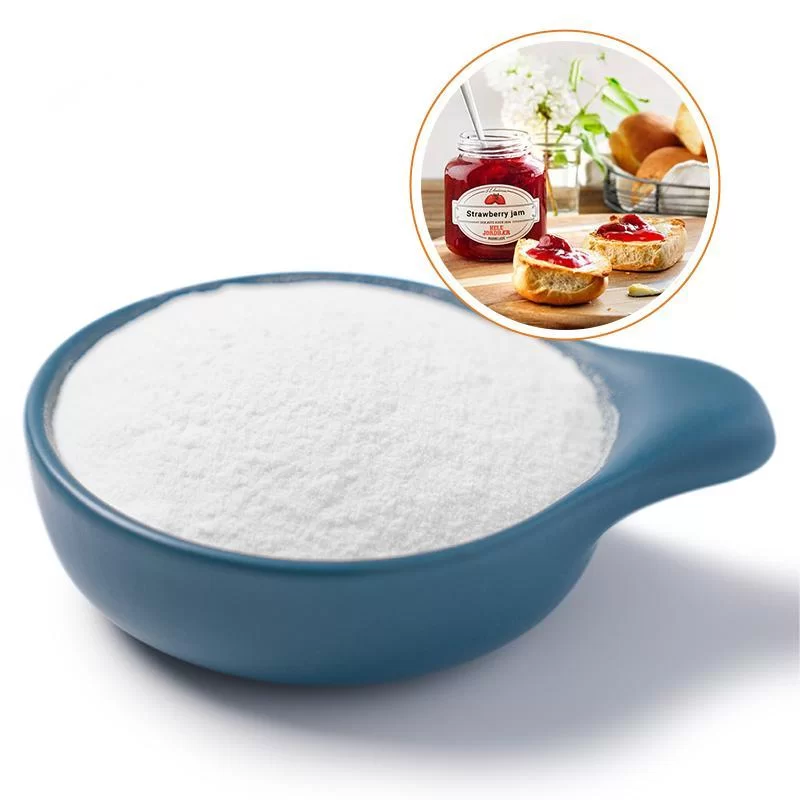
Providing high-quality hydroxypropyl methylcellulose powder, hpmc, cmc, and carboxy methyl cellulose sodium salt to meet diverse application needs.

Specialty Cellulose Solutions for Malaysian Industries

Offering a comprehensive range of cellulose derivatives, including hydroxypropyl methylcellulose powder and carboxy methyl cellulose powder, designed to enhance product performance across various industries in Malaysia.

Current Market Landscape in Malaysia

Analysis of the demand and supply dynamics of cellulose ethers in the Malaysian manufacturing sector.

Malaysia's manufacturing sector, a key driver of its economy, is experiencing increased demand for specialized chemical products like hpmc and cmc. The construction, pharmaceutical, food, and personal care industries are major consumers, contributing to a steady growth in market demand. The tropical climate also influences the types of formulations required, necessitating products with specific rheological properties and stability.

The Malaysian market is characterized by a mix of local manufacturers and imports. While local production exists, a significant portion of specialized cellulose ethers is imported from countries like China and Europe. The cost-competitiveness of imported products and the availability of specific grades are key factors influencing market share.

Government initiatives promoting local manufacturing and sustainable practices are creating opportunities for domestic producers. Emphasis on eco-friendly products and bio-based materials is further driving demand for cellulose derivatives derived from sustainable sources.

Historical Development and Current Trajectory

Tracing the evolution of cellulose ether technology and its application in Malaysia.

Market Development History

The use of cellulose derivatives in Malaysia initially focused on basic applications in the food and textile industries during the 1980s. Early imports primarily consisted of carboxy methyl cellulose sodium salt used as a thickener and stabilizer.

The 1990s witnessed a surge in demand for hpmc and cmc driven by the expansion of the construction and pharmaceutical sectors. This led to increased imports and the establishment of small-scale blending and packaging operations.

The 21st century has seen a growing focus on specialized applications and customized formulations. Demand for high-purity and controlled-release cellulose ethers has increased, requiring advanced manufacturing technologies and quality control measures. The shift toward sustainable and bio-based materials is a recent trend.

Future Development Trends

Enhanced Polymer Modification

Expect advancements in polymer modification techniques, resulting in cellulose ethers with tailored properties like improved water retention, thermal stability, and compatibility with other materials.

Bio-Based and Sustainable Sources

Increased emphasis on sourcing cellulose from sustainable forests and utilizing eco-friendly production processes to meet growing environmental concerns.

Digitalization and Process Optimization

Implementation of digital technologies and data analytics to optimize manufacturing processes, improve quality control, and enhance supply chain efficiency.

Industry Trends and Future Outlook

Predicting the future of cellulose ether applications in the Malaysian market.

Construction Material Enhancement
Increasing utilization of hpmc as a key ingredient in cement-based mortars, tile adhesives, and render systems to improve workability, water retention, and adhesion properties.
Pharmaceutical Excipient Demand
Growing demand for pharmaceutical-grade hpmc and cmc as binders, disintegrants, and film-coating agents in solid dosage forms.
Food Thickening and Stabilization
Continued use of cmc as a thickener, stabilizer, and emulsifier in various food applications, including sauces, desserts, and beverages.
Personal Care Formulations
Increasing incorporation of cellulose ethers in personal care products like shampoos, lotions, and creams to provide thickening, stabilization, and film-forming properties.

Industry Outlook

The Malaysian cellulose ether market is projected to grow at a CAGR of 5-7% over the next 3-5 years, driven by the expanding manufacturing sector and increasing demand for specialized chemical products. Innovation in sustainable materials and customized formulations will be key differentiators.

Opportunities exist for local manufacturers to enhance their capabilities and cater to the growing demand for high-quality cellulose ethers. Collaboration with research institutions and adoption of advanced technologies will be crucial for success.

Local Application Scenarios

Specific examples of how cellulose ethers are used in Malaysian industries.

1. Palm Oil Processing

Utilizing cmc as a stabilizer in palm oil-based products to prevent sedimentation and maintain emulsion stability, crucial for export-oriented industries.

2. Construction Admixtures

Employing hpmc in cement-based mortars and tile adhesives to improve workability, water retention, and adhesion strength, essential for the booming construction sector.

3. Halal Food Production

Using cmc as a thickening and stabilizing agent in halal-certified food products, meeting the demands of a growing Muslim consumer base.

4. Pharmaceutical Manufacturing

Incorporating pharmaceutical-grade hpmc as a binder and film-coating agent in tablets and capsules, supporting the local pharmaceutical industry's growth.

Brand Story

Tangjin Technology (Hebei) Co., Ltd.'s Global Development Journey

Commitment to Quality

Founded on a dedication to providing consistently high-quality cellulose ethers, exceeding industry standards and customer expectations.

Innovation and Customization

Investing in research and development to create innovative cellulose ether solutions tailored to specific application requirements.

Sustainable Practices

Prioritizing sustainable sourcing and environmentally responsible manufacturing processes to minimize our ecological footprint.

Customer-Centric Approach

Building strong relationships with our customers, providing technical support, and ensuring responsive service.

Global Reach

Expanding our presence in key markets worldwide, delivering our products and expertise to customers globally.

Complete Product Portfolio for the Region

A comprehensive range of cellulose ethers tailored to meet the diverse needs of Malaysian industries.

Frequently Asked Questions (Malaysia)

Common questions regarding cellulose ethers in the Malaysian market.

What are the key differences between HPMC and CMC for construction applications in Malaysia?

HPMC generally offers superior water retention and thickening properties compared to CMC, making it ideal for high-performance cement-based materials. CMC is often more cost-effective but may require higher dosage rates.

How does humidity affect the performance of HPMC in Malaysian climates?

Malaysia’s high humidity can lead to moisture absorption by HPMC, potentially affecting its performance. Using appropriately graded HPMC with controlled moisture content and storing it in a dry environment is crucial.

Are there specific regulations regarding the use of CMC in food products in Malaysia?

Yes, the Malaysian Food Regulations specify permissible levels and purity standards for CMC used as a food additive. Compliance with these regulations is essential for food manufacturers.

What is the recommended storage temperature for cellulose ethers in Malaysia?

Store cellulose ethers in a cool, dry place, away from direct sunlight and heat sources. Recommended temperature range is 15-25°C to maintain product stability and prevent degradation.

Can cellulose ethers be used in combination with other additives in construction materials?

Yes, cellulose ethers are often used in combination with other additives like redispersible polymer powders, air-entraining agents, and water reducers to achieve synergistic effects and optimize performance.

What viscosity grades of HPMC are suitable for tile adhesives in the Malaysian market?

Viscosity grades ranging from 4000-10000 mPa·s are commonly used in tile adhesives, depending on the desired workability, sag resistance, and open time. Selecting the appropriate grade requires careful consideration of the formulation and application requirements.

Get in Touch with Us

We are your trusted partner for specialty cellulose solutions in Malaysia and beyond. Contact us today to discuss your specific requirements.

Contact Us Now

If you are interested in our products, you can choose to leave your information here, and we will be in touch with you shortly.