

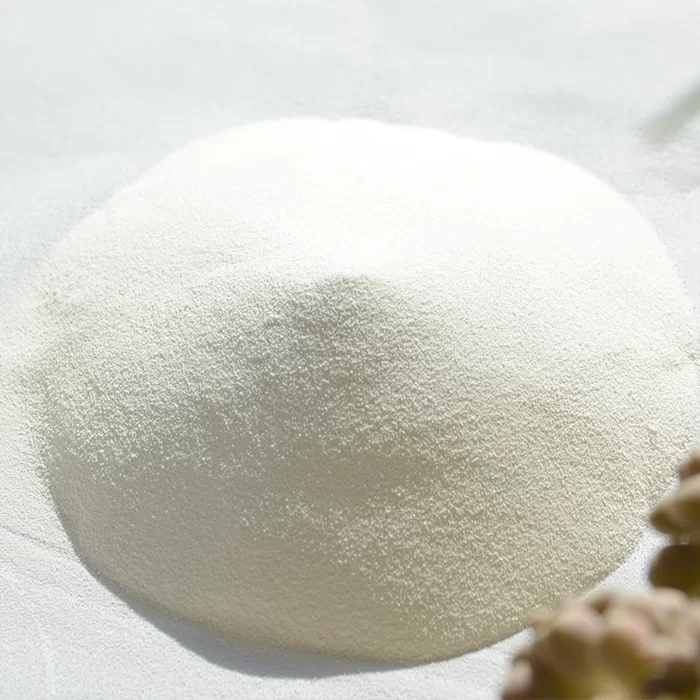
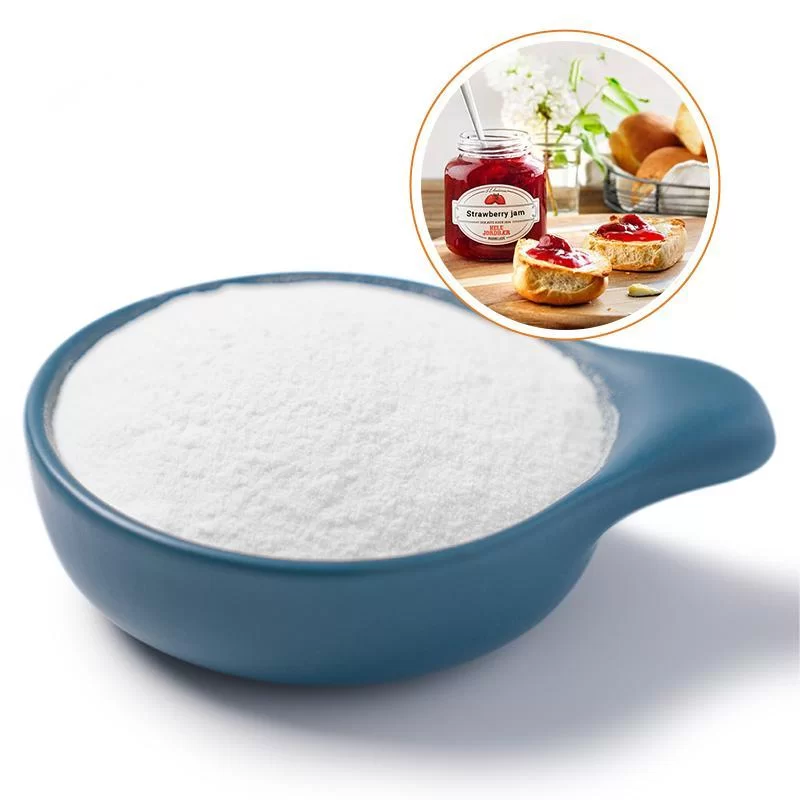
Hydroxypropyl Methylcellulose Powder Solutions for Indonesian Industries

  • Home
  • Global Service
  • Hydroxypropyl Methylcellulose Powder Solutions for Indonesian Industries

Hydroxypropyl Methylcellulose Powder Solutions for Indonesian Industries

Optimizing performance with high-quality HPMC, CMC, and cellulose derivatives.

Hydroxypropyl Methylcellulose Powder Solutions for Indonesian Industries

Providing specialized cellulose ethers to meet the diverse needs of Indonesian manufacturing.

Current Market Landscape for Cellulose Ethers in Indonesia

Analyzing the Indonesian market dynamics for hydroxypropyl methylcellulose powder and related products.

Indonesia, as a rapidly developing nation in Southeast Asia, presents a growing demand for specialized chemical products like hydroxypropyl methylcellulose powder. The archipelago's diverse industries, including construction, pharmaceuticals, food, and personal care, drive this demand. The country’s tropical climate also influences the requirements for these materials, requiring products with specific properties like water retention and thermal stability.

Currently, a significant portion of cellulose ethers is imported, primarily from China and India. However, there’s an increasing focus on establishing local manufacturing capabilities to reduce reliance on imports and streamline supply chains. Local distributors play a vital role in bridging the gap between international manufacturers and end-users in Indonesia.

The Indonesian government's initiatives to promote local manufacturing and attract foreign investment are creating a favorable environment for the growth of the chemical industry, specifically impacting the demand for materials like cmc and carboxy methyl cellulose sodium salt. Furthermore, increasing awareness regarding product quality and sustainability is driving demand for premium cellulose ethers.

Evolution of Cellulose Ether Technology in Indonesia

Tracing the development of cellulose ether applications and technologies within the Indonesian market.

Market Development History

Initially, the use of cellulose ethers in Indonesia was limited to basic applications in the textile and paper industries in the 1980s and 90s. These were largely imported materials. The early 2000s saw a gradual increase in demand driven by the burgeoning construction sector, where hpmc was used as a cement additive.

Around 2010, the pharmaceutical and food industries began adopting cellulose ethers more widely, fueled by increasing quality standards and innovation in product formulations. This period also witnessed the entry of more specialized cellulose ether products tailored to specific applications. The use of carboxy methyl cellulose powder increased significantly in food applications as a stabilizer and thickener.

From 2015 onwards, the Indonesian market has seen a surge in demand for sustainable and eco-friendly cellulose ether solutions, prompting suppliers to focus on developing and offering environmentally responsible products. Increased technical support and localized application development have also become key features of the market.

Future Development Trends

Enhanced Polymer Modification

Future trends point towards increased polymer modification to tailor cellulose ether properties for specific Indonesian industry needs. This includes enhancing water retention for the construction industry and improving dissolution rates for pharmaceutical applications.

Biomimicry and Sustainable Sourcing

A growing focus on biomimicry and utilizing sustainable sourcing methods for cellulose raw materials will be prevalent, aligning with global sustainability goals and Indonesia's commitment to environmental protection.

Digitalization and Smart Materials

Integration of digital technologies to monitor and control cellulose ether production processes, creating ‘smart materials’ with tailored functionality based on real-time data, is expected to gain traction.

Industry Trends and Future Outlook for Cellulose Ethers in Indonesia

Exploring emerging trends and projecting the future direction of the cellulose ether market in Indonesia.

Growth in Construction Chemicals
Indonesia’s infrastructure development projects will significantly drive demand for hpmc as a crucial additive in cement-based materials, tile adhesives, and render coatings.
Pharmaceutical Innovation
The growth of the Indonesian pharmaceutical sector will fuel demand for high-purity hpmc and cmc as excipients in drug formulations and controlled-release systems.
Food Processing & Stabilizers
The expanding Indonesian food and beverage industry will require increased quantities of carboxy methyl cellulose sodium salt as a stabilizer, thickener, and emulsifier in various food products.
Personal Care Product Formulations
The growth of the Indonesian personal care market will increase the demand for hpmc in formulations of creams, lotions, shampoos, and other cosmetic products, leveraging its thickening and stabilizing properties.

Industry Outlook

The Indonesian cellulose ether market is poised for significant growth in the coming years, driven by the country's economic expansion and increasing demand from key end-use industries. Local manufacturing capacity is expected to increase, reducing import reliance and fostering innovation.

Sustainability and eco-friendly product development will be critical factors for success in the Indonesian market. Companies that prioritize these aspects will be well-positioned to capture market share and build long-term relationships with customers. Digitalization will also play an increasingly important role in optimizing production processes and enhancing product quality.

Local Applications of Cellulose Ethers in Indonesia

Illustrating the diverse applications of cellulose ethers across various Indonesian industries.

1. Cement-Based Construction Materials

In Indonesia's rapidly growing construction sector, hpmc is extensively used as a water retention agent in cement mortars, tile adhesives, and skim coats. This improves workability, adhesion, and crack resistance, particularly important in the tropical climate.

2. Pharmaceutical Tablet Coatings

Indonesian pharmaceutical companies utilize hpmc as a film-coating agent for tablets, providing controlled drug release, improved swallowing ease, and protection against moisture.

3. Food Thickening & Stabilization

In the Indonesian food industry, carboxy methyl cellulose powder is widely used as a thickener, stabilizer, and emulsifier in sauces, ice creams, bakery products, and beverages, ensuring consistent texture and shelf life.

4. Cosmetics & Personal Care

Indonesian cosmetic manufacturers incorporate hpmc into creams, lotions, and shampoos to provide thickening, emulsification, and film-forming properties, enhancing product texture and performance.

Brand Story

Tangjin Technology (Hebei) Co., Ltd.'s Global Development Journey

Foundation & Innovation

Established in Hebei, China, Tangjin Technology began with a commitment to produce high-quality cellulose ethers tailored to diverse industrial needs. We invested heavily in R&D to innovate new formulations.

Expanding Global Reach

We expanded our operations internationally, establishing a strong presence in Southeast Asia, including Indonesia, to serve regional customers directly.

Focus on Sustainability

Recognizing the growing importance of sustainability, we implemented eco-friendly manufacturing processes and sourced raw materials responsibly.

Technical Expertise & Support

We established a team of technical experts to provide customized solutions and on-site support to our Indonesian customers.

Commitment to Quality

We are dedicated to delivering consistent, high-quality cellulose ethers that meet the evolving needs of Indonesian industries, ensuring optimal performance and reliability.

Complete Product Portfolio for the Indonesian Market

A comprehensive range of cellulose ethers to address diverse industrial applications.

Frequently Asked Questions (Indonesia)

Addressing common questions regarding cellulose ethers in the Indonesian market.

What is the optimal HPMC grade for improving the workability of cement-based renders in Indonesia’s humid climate?

For optimal workability in humid conditions, a medium viscosity HPMC grade with a controlled water retention capacity is recommended. This prevents premature drying and ensures proper adhesion.

How does the molecular weight of CMC affect its thickening properties in Indonesian food products?

Higher molecular weight CMC generally provides greater thickening efficiency, but can also increase viscosity rapidly. Lower molecular weight CMC offers easier processing and a less pronounced thickening effect.

What are the key considerations for selecting HPMC for tablet coating in Indonesian pharmaceutical manufacturing?

Consider factors like viscosity, gelation temperature, and particle size distribution. The HPMC grade should ensure uniform coating, controlled drug release, and compatibility with other excipients.

Can carboxy methyl cellulose sodium salt be used as a stabilizer in liquid detergents produced in Indonesia?

Yes, it effectively prevents the separation of ingredients and maintains the desired viscosity and stability of liquid detergent formulations.

What is the shelf life of HPMC powder when stored in Indonesia's tropical climate?

When stored in a cool, dry place away from direct sunlight, HPMC powder typically has a shelf life of 2-3 years. Proper packaging is crucial to prevent moisture absorption.

Are there any specific Indonesian regulations regarding the use of cellulose ethers in food and pharmaceutical products?

Yes, Indonesian regulations (BPOM) outline permissible levels and purity requirements for cellulose ethers used in food and pharmaceutical applications. It's crucial to ensure compliance with these standards.

Let's Discuss Your Cellulose Ether Needs in Indonesia

We are committed to providing tailored solutions for your specific applications in Indonesia. Contact us today to learn more.

Contact Us Now

If you are interested in our products, you can choose to leave your information here, and we will be in touch with you shortly.