

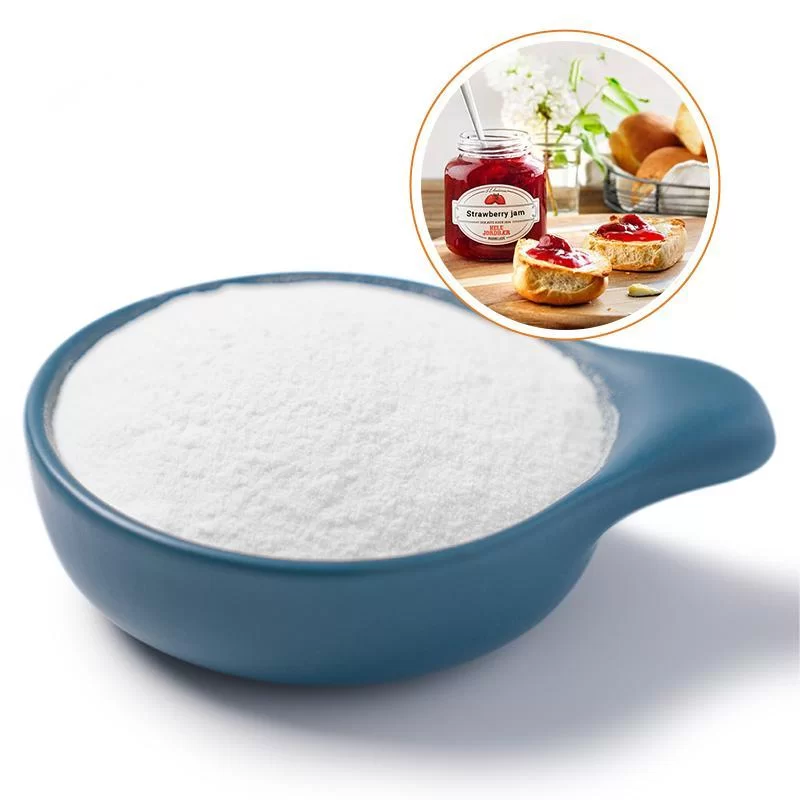
Hydroxypropyl Methylcellulose Solutions for Bangladesh Manufacturing

Hydroxypropyl Methylcellulose Solutions for Bangladesh Manufacturing

High-Quality HPMC, CMC, and Carboxy Methyl Cellulose for Diverse Industrial Applications in Bangladesh

Hydroxypropyl Methylcellulose Solutions for Bangladesh Manufacturing

Providing tailored hydroxypropyl methylcellulose powder solutions to meet the unique demands of the Bangladeshi industrial sector. We specialize in hpmc, cmc, carboxy methyl cellulose sodium salt, and carboxy methyl cellulose powder.

Current Status of Cellulose Ether Manufacturing in Bangladesh

An overview of the market dynamics and challenges facing cellulose ether manufacturers and users in Bangladesh.

Bangladesh’s manufacturing sector is experiencing rapid growth, particularly in textiles, pharmaceuticals, construction, and food processing. This growth is driving increasing demand for specialty chemicals like hydroxypropyl methylcellulose powder and cmc. However, local production capacity for these cellulose ethers remains limited, leading to significant reliance on imports, primarily from China and India.

The country’s humid subtropical climate presents unique challenges for maintaining product quality and stability. Effective moisture control and specialized packaging are critical for ensuring the performance of hpmc and carboxy methyl cellulose sodium salt during storage and transportation. Furthermore, stringent quality control measures are necessary to meet the increasing regulatory requirements of key industries.

The economic landscape of Bangladesh, with its competitive labor costs and growing middle class, provides a favorable environment for manufacturing. However, infrastructural limitations, including unreliable power supply and port congestion, can hinder supply chain efficiency and increase production costs. Manufacturers are seeking reliable suppliers who can provide consistent quality, competitive pricing, and timely delivery, even amidst these challenges.

Evolution of Cellulose Ether Technology in Bangladesh

Tracing the development of cellulose ether applications and manufacturing capabilities in the Bangladeshi market.

Market Development History

Initially, the use of cellulose ethers like carboxy methyl cellulose powder in Bangladesh was limited to basic applications in the textile industry as a sizing agent. During the 1990s, with the expansion of the pharmaceutical sector, demand for higher-grade hpmc for controlled-release formulations began to emerge.

The early 2000s saw a gradual increase in the adoption of cellulose ethers in the construction industry, particularly for cement-based materials and tile adhesives. This trend was fueled by rapid urbanization and infrastructure development. Imports remained dominant, but a few local companies began to explore blending and repackaging operations.

In recent years (2010-present), there’s been a growing focus on sustainable and eco-friendly products, leading to increased demand for cellulose ethers derived from renewable resources. The food processing industry is also utilizing cmc as a thickener, stabilizer, and emulsifier.

Future Development Trends

Enhanced Polymer Modification

Research into modifying cellulose ether structures to enhance specific properties, such as water retention, thermal stability, and compatibility with other materials, will be crucial. This will cater to specialized applications in growing industries.

Sustainable Sourcing

The demand for cellulose ethers sourced from sustainably managed forests will rise, aligning with global environmental concerns and consumer preferences. Traceability and certifications will become increasingly important.

Localized Production & Blending

We anticipate a gradual shift towards more localized production and blending facilities in Bangladesh to reduce reliance on imports and enhance supply chain resilience. This will involve technology transfer and partnerships with international suppliers. Google Trends data indicates a steady increase in searches for "cellulose ether supplier Bangladesh" and "HPMC price Bangladesh”, indicating growing local interest.

Industry Trends and Future Outlook for Cellulose Ethers in Bangladesh

Analyzing the key trends shaping the future of the cellulose ether market in Bangladesh.

Growing Pharmaceutical Demand
The expanding pharmaceutical industry will be a major driver, requiring high-purity hpmc for various drug formulations.
Construction Sector Growth
Infrastructure projects will boost demand for cmc and hpmc in cement-based products and tile adhesives.
Food Processing Expansion
Increased food production will drive the need for carboxy methyl cellulose sodium salt as a stabilizer and thickener.
Textile Industry Innovation
The textile industry will continue to seek advanced cellulose ether applications for improved fabric quality and performance.

Industry Outlook

The Bangladeshi cellulose ether market is projected to grow at a CAGR of 7-9% over the next 3-5 years. This growth will be driven by the aforementioned trends and the increasing adoption of sustainable materials. Strategic partnerships between local manufacturers and international technology providers will be essential for capitalizing on these opportunities.

Furthermore, investment in research and development to tailor cellulose ether properties to specific regional needs and applications will be critical for maintaining a competitive edge. Companies that prioritize quality, reliability, and customer service will be well-positioned for success.

Local Application Scenarios in Bangladesh

Specific examples of how cellulose ethers are used in various industries within Bangladesh.

1. Textile Sizing Agent

In the thriving Bangladeshi textile industry, carboxy methyl cellulose powder is widely utilized as a sizing agent to improve yarn strength and prevent breakage during weaving. This contributes to higher production efficiency and better fabric quality.

2. Pharmaceutical Tablet Binder

Bangladeshi pharmaceutical companies employ hpmc as a binder in tablet formulations to ensure proper cohesion and controlled drug release, catering to the growing demand for generic medicines.

3. Construction Mortar Additive

The booming construction sector relies on cmc as a water retention agent and thickener in cement-based mortars, enhancing workability, adhesion, and crack resistance.

4. Food Thickener and Stabilizer

Local food processing companies use carboxy methyl cellulose sodium salt to improve the texture, stability, and shelf life of various food products, including sauces, desserts, and beverages.

Brand Story

Tangjin Technology (Hebei) Co., Ltd.'s global development journey

Establishing a Foundation for Quality

Founded in 2008, Tangjin Technology began with a commitment to producing high-quality cellulose ethers, leveraging advanced manufacturing techniques and rigorous quality control.

Expanding Global Reach

By 2015, Tangjin Technology expanded its reach internationally, establishing partnerships with distributors and customers across Asia, Europe, and the Americas.

Focusing on Innovation

In 2018, Tangjin Technology invested heavily in research and development, focusing on creating customized cellulose ether solutions for specific industrial applications.

Commitment to Sustainability

Tangjin Technology is dedicated to sustainable manufacturing practices, sourcing renewable resources and minimizing its environmental impact.

Serving the Bangladeshi Market

We are now expanding our presence in Bangladesh to provide reliable and cost-effective cellulose ether solutions to support the country’s growing industries.

Complete Product Portfolio for the Local Market

A comprehensive range of cellulose ethers designed to meet the diverse needs of Bangladeshi manufacturers.

Frequently Asked Questions – Bangladesh Market

Addressing common questions about cellulose ethers and their applications in Bangladesh.

What is the typical lead time for delivery of hpmc to Bangladesh?

Typical lead times vary depending on order size and shipping conditions, but generally range from 2-4 weeks after order confirmation. We offer expedited shipping options for urgent requirements.

Do you offer customized cmc formulations for specific textile applications?

Yes, our R&D team can tailor cmc formulations to meet specific requirements such as viscosity, substitution degree, and particle size for optimal performance in textile sizing.

What certifications do you hold to ensure the quality of your hydroxypropyl methylcellulose powder?

We are ISO 9001 certified and our products meet USP, EP, and CP standards. We also provide detailed product specifications and Certificates of Analysis (COA) with each shipment.

Can you provide technical support for the application of your cellulose ethers in pharmaceutical formulations?

Yes, our team of technical experts can provide guidance on formulation development, process optimization, and troubleshooting to ensure successful implementation of our cellulose ethers in your pharmaceutical products.

What packaging options are available for bulk orders of cellulose ethers for the Bangladeshi market?

We offer various packaging options, including 25kg paper bags, 500kg jumbo bags, and customized packaging solutions to meet your specific requirements. We ensure packaging is suitable for the Bangladeshi climate and transport conditions.

Get in Touch with Us

We are committed to providing high-quality cellulose ether solutions to manufacturers in Bangladesh. Contact us today to discuss your specific needs.

Contact Us Now

If you are interested in our products, you can choose to leave your information here, and we will be in touch with you shortly.