

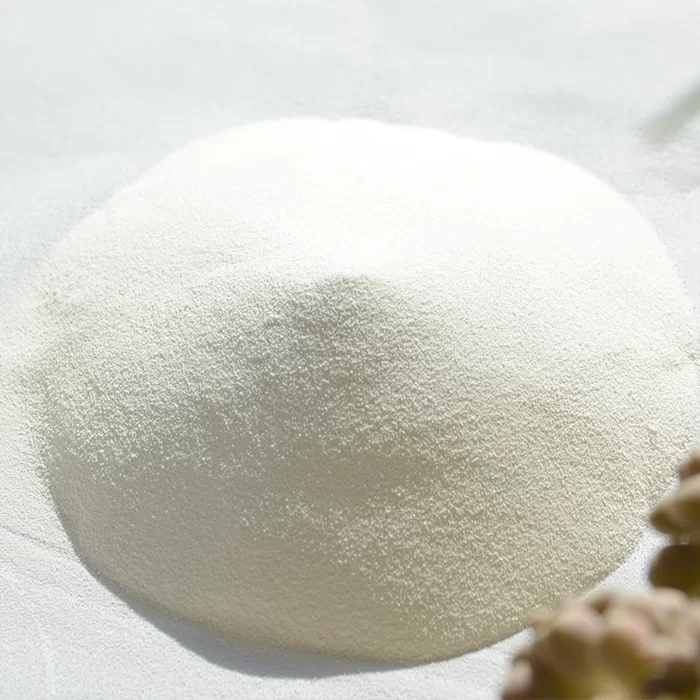

Hydroxypropyl Methylcellulose Solutions for the Italian Market

Hydroxypropyl Methylcellulose Solutions for the Italian Market

Expert HPMC, CMC, and Carboxy Methyl Cellulose Sodium Salt for Diverse Industrial Applications in Italy.

Hydroxypropyl Methylcellulose Solutions for the Italian Market

Providing premium hydroxypropyl methylcellulose powder, hpmc, cmc, carboxy methyl cellulose sodium salt, and carboxy methyl cellulose powder to meet Italy's industrial needs.

Current State of the Cellulose Ether Industry in Italy

Analysis of market dynamics and key trends in Italy's cellulose ether sector.

Italy’s chemical industry, a cornerstone of its manufacturing sector, demonstrates a strong demand for specialized chemical products, including cellulose ethers like hpmc and cmc. This demand is driven by the country's thriving construction, pharmaceutical, food, and personal care industries. The geographic diversity of Italy, from its northern industrial hubs to its southern agricultural regions, creates varied application requirements.

The Italian market is characterized by a preference for high-quality, sustainable, and environmentally friendly products. Regulations aligned with EU standards are increasingly influencing the demand for cellulose ethers with specific certifications and properties. Competition is significant, with both domestic producers and imports vying for market share. Economic conditions in Italy, including fluctuations in raw material costs, influence pricing strategies.

The current landscape sees a growing focus on specialized cellulose ether grades tailored to niche applications. This trend is influenced by the rising demand for innovative formulations in the pharmaceutical and food sectors. Supply chain resilience has become a key concern post-pandemic, leading to a preference for reliable and locally sourced suppliers.

Evolution of Cellulose Ether Technology in Italy

Tracing the development of cellulose ether applications in Italian industries.

Market Development History

The introduction of carboxy methyl cellulose sodium salt in Italy began in the mid-20th century, primarily for use in textile sizing and paper coating. Initial applications were limited by production costs and technical constraints. The 1970s saw the rise of cmc in the food industry as a stabilizer and thickener.

The 1980s and 90s witnessed the increased adoption of hpmc in the construction industry, driven by the demand for improved cement-based materials. Advancements in manufacturing processes led to wider availability and lower costs. The pharmaceutical sector began to utilize HPMC for controlled-release drug formulations.

The 21st century brought a focus on modified cellulose ethers with tailored properties. Research and development efforts concentrated on enhancing water retention, thermal stability, and compatibility with other materials. The emergence of green chemistry principles encouraged the development of sustainable cellulose ether production methods.

Future Development Trends

Specialized Grades for Biopharmaceuticals

The Italian biopharmaceutical industry is expanding rapidly, creating demand for high-purity HPMC and CMC used in cell culture media and drug delivery systems. Google Trends data shows increasing search volume for “biopharmaceutical excipients Italy”.

Sustainable and Bio-Based Cellulose Ethers

Growing environmental concerns are driving demand for cellulose ethers derived from sustainable sources. Italian regulations are promoting the use of bio-based materials in various applications. Searches for "bio-based polymers Italy" are gaining traction.

Advanced Polymer Blends and Composites

Combining cellulose ethers with other polymers to create advanced materials with tailored properties will be a key trend. This approach allows for the development of high-performance materials for specialized applications in construction and packaging. Google trends show increase search for composite materials.

Industry Trends and Future Outlook for Cellulose Ethers in Italy

Exploring emerging opportunities and challenges in the Italian cellulose ether market.

Growing Demand in the Construction Sector
Italy’s ongoing construction projects, particularly in infrastructure and residential building, will continue to fuel demand for HPMC as a key component in cement mortars, tile adhesives, and renders.
Expansion in the Pharmaceutical Industry
The growing Italian pharmaceutical sector, with a focus on generic drugs and innovative formulations, will drive demand for high-purity HPMC and CMC for controlled-release applications.
Increased Focus on Sustainable Solutions
Italian consumers and businesses are increasingly prioritizing sustainable products. This trend will drive demand for cellulose ethers produced from renewable resources and with eco-friendly manufacturing processes.
Growth in Specialty Food Applications
The Italian food industry, known for its high-quality ingredients, will continue to utilize CMC and HPMC as stabilizers, thickeners, and emulsifiers in a wide range of products.

Industry Outlook

The Italian cellulose ether market is projected to experience moderate growth over the next 3-5 years, driven by the factors mentioned above. Increased investment in research and development, coupled with a focus on sustainable practices, will be crucial for success.

Manufacturers will need to adapt to evolving regulatory requirements and consumer preferences to maintain a competitive edge. Collaboration between suppliers, research institutions, and end-users will be essential for driving innovation and addressing the challenges facing the industry.

Local Application Scenarios in Italy

Real-world examples of cellulose ether usage in Italian industries.

1. Enhancing Mortar Performance in Historic Building Restoration

Italy is renowned for its historic architecture. HPMC is vital in restoring and preserving these structures by improving the workability, adhesion, and water retention of cement-based mortars. This prevents cracking and ensures long-term durability.

2. Improving Texture and Stability in Italian Gelato Production

Italian gelato is world-famous for its creamy texture. CMC is used as a stabilizer to prevent ice crystal formation and maintain the desired consistency, even during temperature fluctuations.

3. Controlled-Release Formulations in Italian Pharmaceutical Manufacturing

The Italian pharmaceutical industry utilizes HPMC in the production of tablets and capsules, ensuring the controlled release of active ingredients for optimal therapeutic effect.

4. Enhancing Adhesion in Italian Tile Adhesive Formulations

The Italian ceramic tile industry relies on HPMC to improve the adhesion, flexibility, and open time of tile adhesives, ensuring secure and long-lasting installations.

Brand Story

Tangjin Technology (Hebei) Co., Ltd.’s Global Development Journey

Commitment to Quality and Innovation

Founded on a dedication to providing superior cellulose ether products, we prioritize rigorous quality control and continuous innovation to meet evolving industry needs.

Sustainable Manufacturing Practices

We are committed to environmentally responsible manufacturing processes, utilizing sustainable sourcing and minimizing our environmental impact.

Customer-Centric Approach

We build strong partnerships with our customers, providing tailored solutions and exceptional technical support to ensure their success.

Global Reach, Local Expertise

With a global distribution network, we deliver our high-quality products to customers worldwide, including a strong presence in the Italian market.

Solving Formulation Challenges

Our mission is to empower our clients by providing innovative cellulose ether solutions that overcome formulation hurdles and enhance product performance.

Complete Product Range for the Italian Market

A comprehensive selection of cellulose ethers tailored to meet Italian industrial standards.

Frequently Asked Questions – Italy

Addressing common inquiries about cellulose ethers in the Italian market.

What are the key regulatory requirements for using HPMC in food applications in Italy?

HPMC used in food applications in Italy must comply with EU Regulation (EC) No 1333/2008 on food additives. It needs to meet specified purity criteria and be used within permitted levels.

How does the viscosity of HPMC affect its performance in cement-based construction materials?

Higher viscosity HPMC generally improves water retention and workability in cement-based materials, resulting in better adhesion and reduced cracking. However, excessively high viscosity can hinder flowability.

What is the shelf life of carboxy methyl cellulose sodium salt when stored under typical warehouse conditions in Italy?

Carboxy methyl cellulose sodium salt typically has a shelf life of 2-3 years when stored in a cool, dry place away from direct sunlight and moisture. Proper packaging is essential.

Can cellulose ethers be used in organic food formulations certified under Italian organic standards?

The use of cellulose ethers in organic food formulations is subject to specific regulations. Certified organic cellulose ethers are available and must meet the requirements of the relevant Italian organic certification bodies.

What are the benefits of using modified cellulose ethers compared to standard grades in pharmaceutical applications?

Modified cellulose ethers offer enhanced properties like improved solubility, thermal stability, and controlled release characteristics, making them ideal for specialized pharmaceutical formulations.

How can I determine the appropriate grade of HPMC for my specific construction application in Italy?

The appropriate grade of HPMC depends on factors like cement type, desired workability, water retention requirements, and application method. Consulting with a technical expert is recommended.

Get in Touch with Us

For all your cellulose ether needs in Italy, contact our team today to discuss your specific requirements.

Contact Us Now

If you are interested in our products, you can choose to leave your information here, and we will be in touch with you shortly.