


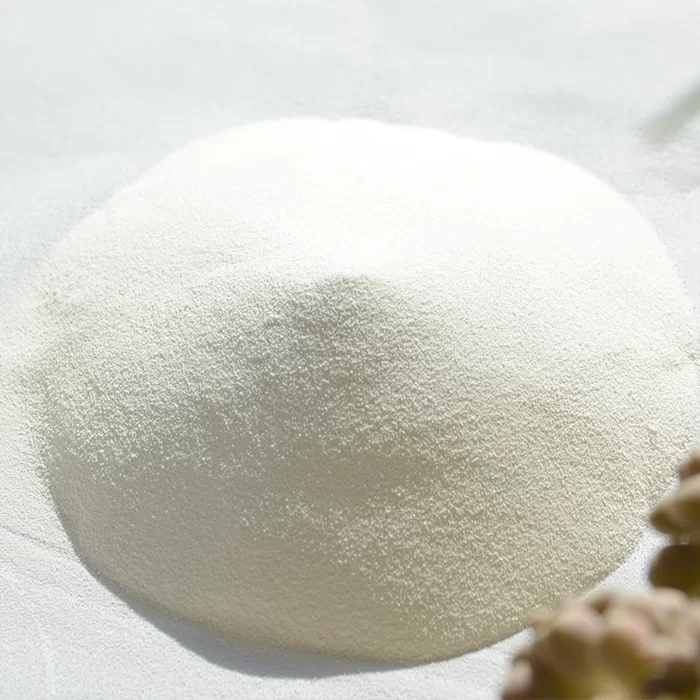
Hydroxypropyl Methylcellulose Powder Solutions for Argentinian Industries

  • Home
  • Global Service
  • Hydroxypropyl Methylcellulose Powder Solutions for Argentinian Industries

Hydroxypropyl Methylcellulose Powder Solutions for Argentinian Industries

Enhancing product performance with high-quality HPMC, CMC, and cellulose derivatives in South America.

Hydroxypropyl Methylcellulose Powder Solutions for Argentinian Industries

Providing advanced cellulose ether solutions tailored for diverse applications in Argentina.

Current State of Cellulose Ether Market in Argentina

An overview of the challenges and opportunities within the Argentinian chemical industry.

Argentina’s chemical industry is currently navigating a period of economic fluctuation and import restrictions. Demand for specialized chemical products like hydroxypropyl methylcellulose powder, hpmc, cmc, carboxy methyl cellulose sodium salt, and carboxy methyl cellulose powder is largely driven by the construction, pharmaceutical, food, and personal care sectors. Local production is limited, creating a reliance on imports, primarily from Asia and Europe.

The Pampas region, Argentina’s agricultural heartland, significantly influences demand. Construction activity linked to agricultural infrastructure and urbanization, coupled with a growing middle class, supports a steady need for cellulose ethers in applications like tile adhesives, cement mortars, and paints. However, economic instability and currency devaluation create challenges for importers and end-users.

Regulatory complexities and a focus on sustainability are also shaping the market. Increasing awareness of environmentally friendly materials is driving interest in bio-based cellulose ethers and a desire for products meeting international quality standards. The potential for local sourcing, even through partnerships, is a key area of exploration.

Evolution of Cellulose Ether Technology in Argentina

Tracing the development of cellulose ether applications in the Argentinian market.

Market Development History

Prior to the 1990s, the use of cellulose ethers in Argentina was limited, primarily focused on basic applications in the textile and paper industries. The economic liberalization of the 1990s opened the market to imported materials and technologies, leading to increased adoption in construction and pharmaceuticals. Initial imports were primarily from European suppliers.

The 2000s saw a significant rise in demand for hpmc and cmc as the construction sector boomed and local companies began to formulate more sophisticated products. Competition from Asian manufacturers, particularly China, began to intensify, driving down prices but also raising concerns about quality control.

In recent years (2010s-present), the focus has shifted towards specialized cellulose ether grades tailored to specific applications, such as modified release formulations in pharmaceuticals and rheology modifiers in paints and coatings. There is a growing interest in sustainable and eco-friendly alternatives.

Future Development Trends

Personalized Formulations

The demand for tailored cellulose ether solutions will increase, requiring suppliers to offer customized grades with specific properties (viscosity, particle size, substitution degree) to meet unique customer needs.

Bio-Based Alternatives

Growing environmental concerns will drive demand for cellulose ethers derived from sustainable sources. This aligns with Argentina's agricultural focus and potential for bio-based chemical production.

Digitalization & Smart Manufacturing

Adoption of digital technologies and automation in manufacturing will improve efficiency and quality control in cellulose ether production and application, leading to more consistent product performance.

Industry Trends and Future Outlook for Cellulose Ethers in Argentina

Analyzing emerging trends and forecasting future developments in the Argentinian market.

Growing Pharmaceutical Sector
Argentina’s pharmaceutical industry is expanding, boosting demand for hpmc as a key excipient in controlled-release drug formulations.
Construction Industry Resilience
Despite economic challenges, the Argentinian construction sector remains relatively resilient, driving demand for cmc in tile adhesives and cement mortars.
Focus on Food Grade Quality
Increased consumer awareness and stricter food safety regulations are driving demand for high-purity cmc in the food and beverage industry.
Import Substitution Efforts
Government initiatives to promote local production and reduce import dependence may create opportunities for regional cellulose ether manufacturers.

Industry Outlook

The Argentinian cellulose ether market is expected to grow at a moderate pace over the next 3-5 years, driven by the continued expansion of end-use industries and a growing demand for specialized products. However, economic instability and regulatory challenges will remain significant factors.

Success in this market will require suppliers to offer high-quality products, competitive pricing, and excellent technical support. Building strong relationships with local distributors and manufacturers will also be crucial.

Localized Application Scenarios for Cellulose Ethers in Argentina

Specific examples of how cellulose ethers are used in various Argentinian industries.

1. Wine Stabilization

Argentina is a major wine producer. CMC is used as a stabilizer to prevent tartrate crystal formation in bottled wines, ensuring product clarity and quality.

2. Construction Mortars for Seismic Resistance

Given Argentina’s seismic activity, hpmc is incorporated into cement-based mortars to improve workability, adhesion, and crack resistance, enhancing building safety.

3. Pharmaceutical Coatings for Extended Release

The growing pharmaceutical industry utilizes hpmc as a film-coating agent for tablets and capsules, enabling controlled drug release and improved patient compliance.

4. Food Thickening & Stabilization in Dulce de Leche

Dulce de leche, a popular Argentinian confectionery, relies on cmc for thickening, stabilization, and texture control, enhancing its creamy consistency and shelf life.

5. Ceramic Tile Adhesives for Pampas Region

The large-scale construction in the Pampas region utilizes tile adhesives with hpmc to improve adhesion, workability, and resistance to temperature fluctuations.

Brand Story

Tangjin Technology (Hebei) Co., Ltd.’s global development journey.

Commitment to Quality

Since our inception, we've been dedicated to providing consistently high-quality cellulose ethers, adhering to stringent international standards.

Innovation in Formulation

We invest heavily in R&D to develop customized cellulose ether solutions that address the unique challenges faced by our customers.

Reliable Supply Chain

We maintain a robust and reliable supply chain, ensuring timely delivery of our products to customers around the globe.

Technical Expertise

Our team of experienced technical experts provides comprehensive support to our customers, helping them optimize their formulations and processes.

Sustainable Practices

We are committed to sustainable manufacturing practices and responsible sourcing of raw materials.

Complete Product Portfolio for the Argentinian Market

A wide range of cellulose ethers to meet diverse industrial needs.

Frequently Asked Questions About Cellulose Ethers in Argentina

Addressing common questions from customers in the Argentinian market.

What are the key benefits of using HPMC in Argentinian construction mortars?

HPMC enhances workability, water retention, adhesion, and crack resistance in cement-based mortars, improving their performance in Argentinian construction projects, particularly in regions with seismic activity.

How does CMC contribute to wine stabilization in Argentina's wine industry?

CMC prevents the formation of tartrate crystals in bottled wines, ensuring clarity and quality, which is particularly important for Argentina's renowned Malbec wines.

What is the recommended viscosity range for HPMC used in pharmaceutical film coatings in Argentina?

The recommended viscosity range typically falls between 4,000 to 15,000 cP, depending on the specific formulation and desired release profile. Consult with our technical team for optimal recommendations.

Are your cellulose ethers compliant with Argentinian food safety regulations for use in Dulce de Leche?

Yes, our food-grade CMC products meet the requirements of relevant Argentinian food safety standards and regulations, ensuring safe and reliable use in food applications like Dulce de Leche.

What is the shelf life of your HPMC and CMC products when stored in Argentina’s climate?

Our cellulose ethers have a shelf life of 2-3 years when stored in a cool, dry place, away from direct sunlight. Proper storage is crucial in Argentina's humid climate to maintain product quality.

Do you offer technical support for optimizing cellulose ether usage in Argentinian formulations?

Yes, we provide comprehensive technical support, including formulation assistance, troubleshooting, and on-site visits, to help our customers optimize cellulose ether usage in their Argentinian applications.

Get in Touch with Us

We are your trusted partner for high-quality cellulose ethers in South America - Argentina. Contact us today to discuss your specific needs.

Contact Us Now

If you are interested in our products, you can choose to leave your information here, and we will be in touch with you shortly.