

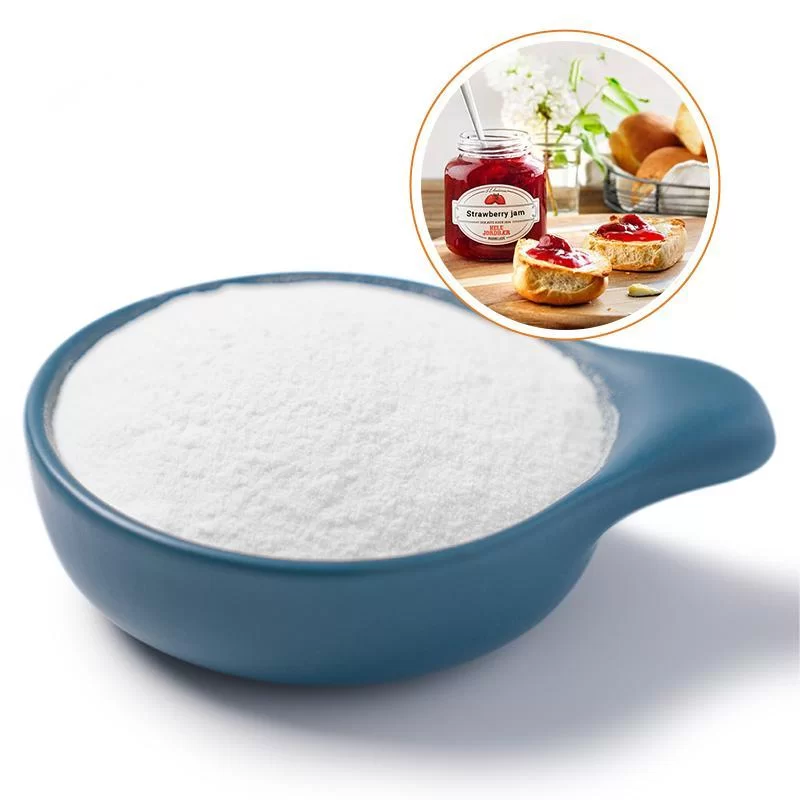
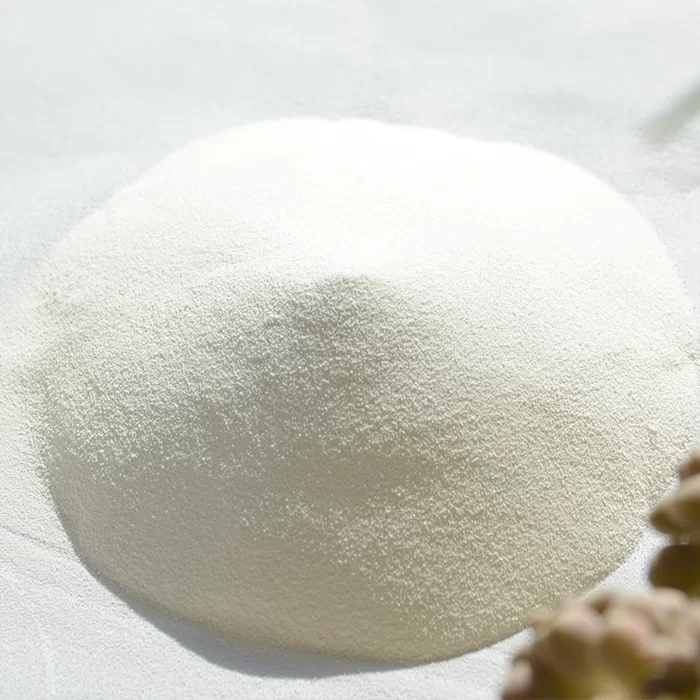
Hydroxypropyl Methylcellulose Powder Solutions for Chilean Industries

Hydroxypropyl Methylcellulose Powder Solutions for Chilean Industries

Optimizing Performance with High-Quality Cellulose Ethers in South America.

Hydroxypropyl Methylcellulose Powder Solutions for Chilean Industries

Providing advanced hydroxypropyl methylcellulose powder solutions tailored for the specific needs of manufacturers in Chile.

Current Landscape of Cellulose Ethers in Chile

Analyzing the market dynamics and challenges for specialized chemical products in the Chilean manufacturing sector.

Chile’s manufacturing sector, particularly in construction, pharmaceuticals, and food processing, demonstrates a growing demand for high-performance additives like hpmc. The country’s unique geographic conditions – ranging from arid north to temperate south – necessitate specialized formulations for diverse applications. This demand is driven by the need for improved product quality, consistency, and efficiency.

However, the Chilean market is relatively small compared to other South American countries, creating challenges related to economies of scale and logistical costs. Dependence on imports is significant, making supply chain resilience crucial. Fluctuations in currency exchange rates and global commodity prices also impact the affordability of raw materials like carboxy methyl cellulose powder.

Sustainable manufacturing practices are gaining prominence in Chile, fueled by increasing environmental awareness and stricter regulations. This creates opportunities for eco-friendly cellulose ether alternatives and bio-based products. Local regulations relating to construction materials are also influencing the formulation of cement-based products that require additives like cmc.

Evolution of Cellulose Ether Technology in Chile

Tracing the historical development and future trajectories of specialized chemical manufacturing in the region.

Market Development History

In the early 2000s, Chile relied heavily on imported hydroxypropyl methylcellulose powder with limited local production. These materials were primarily used in the construction industry for cement-based mortars and tile adhesives. The formulations were basic, prioritizing cost-effectiveness over specialized performance.

Around 2010-2015, there was a shift towards higher-quality cellulose ethers with improved rheological properties, driven by the expanding pharmaceutical and food industries. Imports from Europe and North America increased, introducing advanced technologies and formulations. The demand for carboxy methyl cellulose sodium salt also rose with the development of processed foods and beverages.

The last five years have witnessed a growing interest in sustainable and environmentally friendly alternatives. Research into bio-based cellulose ethers and innovative applications in specialized areas like oil drilling and paints has begun. Local distributors have also started offering customized blends and technical support to meet specific client needs.

Future Development Trends

Enhanced Rheology Control

Future formulations will prioritize precise rheology control, enabling manufacturers to achieve superior product performance and consistency. This will involve utilizing advanced cellulose ether blends and modifying techniques.

Sustainability & Bio-Based Alternatives

A major trend will be the adoption of sustainable and bio-based cellulose ethers, driven by regulatory pressures and consumer demand for eco-friendly products. This shift will require investments in research and development.

Localized Customization

Increased demand for customized solutions tailored to specific Chilean industry requirements will spur growth in localized blending and formulation services. This requires closer collaboration between suppliers and end-users.

Industry Trends and Future Outlook for Cellulose Ethers in Chile

Predicting the future of specialized chemical manufacturing and identifying key growth opportunities in the Chilean market.

Growing Pharmaceutical Demand
Chile’s expanding pharmaceutical industry will drive demand for high-purity hpmc as a tablet binder, film coating agent, and controlled-release matrix.
Increased Construction Activity
Ongoing construction projects, particularly in Santiago and Valparaíso, will fuel demand for cmc and hpmc in cement-based materials.
Food Processing Advancements
Expanding food processing and beverage industries will drive demand for cmc as a stabilizer, thickener, and emulsifier.
Focus on Sustainable Solutions
Growing demand for bio-based and sustainable cellulose ethers driven by environmental regulations and consumer preferences.

Industry Outlook

The Chilean cellulose ether market is expected to grow at a CAGR of 4-6% over the next five years, driven by the factors mentioned above. Increased investment in local production facilities and a focus on R&D will be crucial for long-term success. Collaboration between suppliers and local industries will be key to tailoring products to specific needs and fostering innovation.

The market will likely see greater adoption of specialty cellulose ethers with enhanced functionalities, such as controlled release properties for pharmaceuticals and improved water retention for construction materials. The integration of digital technologies for supply chain optimization and quality control will also become increasingly important.

Localized Application Scenarios in Chile

Specific examples of how cellulose ethers are utilized across various industries in the Chilean market.

1. Construction: Improving Cement-Based Mortars

In the arid north of Chile, where water scarcity is a major concern, hpmc is used to enhance the water retention of cement-based mortars, reducing cracking and improving workability. This is especially important for self-leveling compounds used in flooring applications.

2. Pharmaceutical: Controlled-Release Drug Delivery

Chilean pharmaceutical companies are increasingly utilizing hpmc as a matrix former in controlled-release tablets, enabling sustained drug delivery and improved patient compliance. This is particularly relevant for chronic disease management.

3. Food Processing: Stabilizing Fruit Juices

In the central valley, known for its fruit production, cmc is employed as a stabilizer and thickener in fruit juice concentrates, preventing sedimentation and maintaining product consistency during storage and transportation.

4. Paint & Coatings: Enhancing Rheology Control

The Chilean paint industry utilizes hpmc to control the rheology of water-based paints, improving brushability, leveling, and film formation. This leads to enhanced aesthetic appearance and durability.

5. Oil Drilling: Viscosity Modifier

The increasing oil exploration activity in Southern Chile requires specialized drilling fluids, where cmc is used to control viscosity and reduce fluid loss, improving drilling efficiency and wellbore stability.

Brand Story

Tangjin Technology (Hebei) Co., Ltd.'s global development journey

Commitment to Quality and Innovation

Founded in 2008, Tangjin Technology began as a local supplier, focusing on meeting the basic needs of the Chinese construction industry with reliable cellulose ethers.

Expanding into Specialized Markets

By 2015, we expanded our product portfolio to cater to the pharmaceutical and food industries, investing in R&D to develop high-purity and specialized cellulose ether grades.

Global Expansion and Sustainability

In 2020, Tangjin Technology began its global expansion, establishing partnerships with distributors in South America, including Chile, with a commitment to sustainable manufacturing practices.

Tailored Solutions for Regional Needs

Today, we provide customized cellulose ether solutions to meet the unique challenges and opportunities of the Chilean market, focusing on quality, innovation, and sustainability.

Our Mission

To empower Chilean manufacturers with high-performance cellulose ether solutions that enhance product quality, optimize processes, and drive sustainable growth.

Complete Product Portfolio for the Chilean Market

A comprehensive range of cellulose ethers designed to meet the diverse needs of Chilean industries.

Frequently Asked Questions for Chilean Customers

Addressing common inquiries related to cellulose ethers and their applications in Chile.

What is the recommended storage temperature for hpmc powder in the Chilean climate?

We recommend storing hpmc powder in a cool, dry place, ideally between 15°C and 25°C, with a relative humidity below 60%. Given Chile’s varied climate, sealed containers are crucial to protect against moisture absorption.

What is the shelf life of cmc powder when stored properly?

When stored correctly, cmc powder typically has a shelf life of 5 years from the date of manufacture. However, it's important to check the product’s certificate of analysis for specific details.

How does the viscosity of hpmc affect its performance in tile adhesives?

Higher viscosity hpmc grades generally improve the water retention and workability of tile adhesives, preventing sagging and ensuring strong bonding. The optimal viscosity depends on the specific formulation and application requirements.

What is the typical lead time for delivering hydroxypropyl methylcellulose powder to Chile from your facility?

The typical lead time for delivering orders to Chile is 4-6 weeks, depending on the quantity and current shipping schedules. We offer various shipping options to accommodate different delivery needs.

Do you offer technical support for formulating products with cmc in Chilean applications?

Yes, we provide comprehensive technical support, including formulation guidance and troubleshooting assistance, to help our Chilean customers optimize their products with cmc.

Contact Us Today

Get in touch with our team in South America – Chile to discuss your specific requirements and receive a personalized quote.

Contact Us Now

If you are interested in our products, you can choose to leave your information here, and we will be in touch with you shortly.