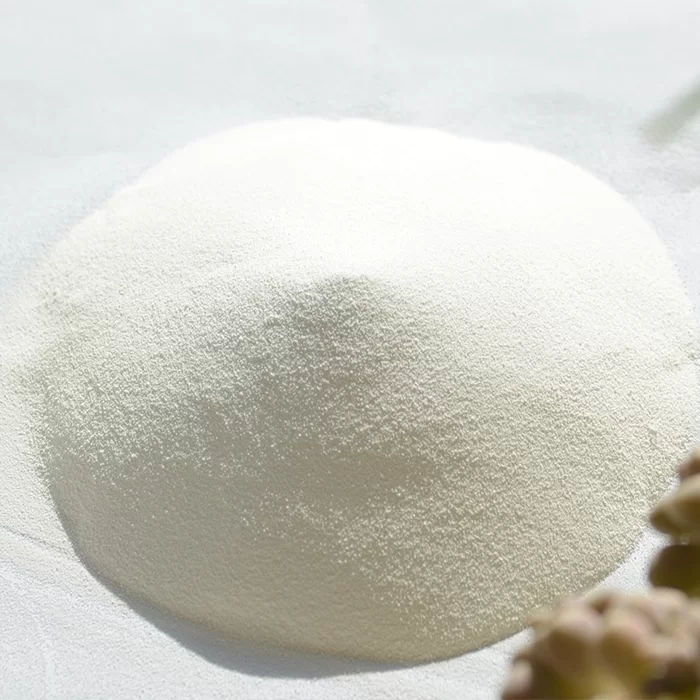
When sourcing high-performance cellulose ethers, the stability and purity of the polymer matrix determine the success of the final formulation. Carboxymethylcellulose (CMC), often referred to in industrial circles as "industrial monosodium glutamate," is a critical non-toxic, tasteless white powder essential for achieving precise rheological control. For professionals in pharmaceutical and food processing, selecting a reliable partner is not just about procurement, but about ensuring that the thickening, suspending, and stabilizing properties remain consistent across every batch.
Hebei Tjin Technology Co., Ltd. specializes in the production of high-grade CMC and HPMC, providing tailored viscosity options ranging from 50 to 1200 m.Pas. By integrating strict quality control with an understanding of chemical stability, we help manufacturers prevent protein coagulation in dairy products and reduce dehydration in pastry fillings, ensuring a superior end-user experience through chemical precision.

Sodium Carboxymethylcellulose is a cellulose derivative that exhibits exceptional water solubility, forming transparent colloidal solutions. From a technical perspective, its performance is heavily influenced by the Degree of Substitution (DS) and its pH sensitivity. Typically, a 3.1% aqueous solution maintains a pH between 6.5 and 8.5. However, it is critical for engineers to note that viscosity decreases significantly when the pH drops below 5 or rises above 10, which can compromise the stability of the emulsion.
Thermal stability is another pivotal characteristic. CMC demonstrates a rapid increase in viscosity at temperatures below 20°C, while remaining relatively stable at 45°C. Prolonged exposure to heat exceeding 80°C can lead to colloid denaturation, which permanently reduces the adhesive performance. This makes it an ideal candidate for cold-process applications or controlled-heat environments where stability is paramount.

The versatility of CMC allows it to function as a binder, thickener, emulsifier, and stabilizer across multiple sectors. In the food industry, it is indispensable for preventing the layering of acidic dairy products and improving the gloss of pastries by acting as a water-retaining agent. For frozen foods, CMC controls crystal size, which prevents the formation of large ice crystals and maintains a smooth texture during thaw-freeze cycles.
Beyond food, the industrial grades are utilized in several high-demand environments:
For procurement managers, the selection of a supplier depends on the alignment between the product's technical specifications and the specific application requirement. A common mistake is selecting a generic grade when a specific viscosity or purity level is required for pharmaceutical compliance. When evaluating a hydroxypropyl methylcellulose manufacturer, it is essential to verify ISO and SGS compliance to ensure the product meets global safety standards.
Customization is often the key to operational efficiency. OEM support allows manufacturers to adjust particle size (e.g., 80 mesh ≥99%) and viscosity to match their existing mixing equipment. Furthermore, the logistics of storage—requiring sealed containers in dry conditions—must be integrated into the supply chain plan to prevent hygroscopic absorption, which can alter the powder's flowability and dissolution rate.
| Test Parameter | Technical Specification | Application Impact | Quality Standard |
|---|---|---|---|
| Viscosity | 500 ~ 6000 mPas | Controls flow and thickness | ASTM/ISO |
| Purity | ≥ 99.5% | Ensures chemical stability | SGS Certified |
| pH Value | 6.0 ~ 8.5 | Influences emulsion stability | Standard Grade |
| Substitution Degree | ≥ 0.8 | Determines water solubility | Technical Grade |
| Moisture Content | ≤ 10.0% | Affects shelf life & storage | Industrial Std |
Maintaining consistency in chemical properties requires a rigorous quality control framework. At Hebei Tjin Technology Co., Ltd., the focus is on the precision of the etherification process. Heavy metal limits are strictly controlled, with Lead (Pb) ≤ 5PPM and Arsenic (As) ≤ 2PPM, ensuring that the product is safe for food and pharmaceutical applications. This level of purity is achieved through advanced filtration and purification stages.
Consistency in viscosity is another critical metric. Since cellulose ethers can vary by batch, we implement standardized testing for every lot before shipment. By adhering to the "quality first" principle, we provide partners with the confidence that their production lines will not suffer from unexpected changes in raw material behavior, thereby reducing waste and optimizing the total cost of ownership.
The industry is shifting toward bio-based and eco-friendly thickeners. As a nontoxic and biodegradable polymer, CMC is well-positioned to replace synthetic polymers in detergent and cosmetic formulations. We are seeing an increased demand for "clean label" ingredients in the food sector, where CMC's role as a stabilizer is highly valued due to its safety profile and metabolic inertia, meaning it provides no calories and does not interfere with the nutritional value of food.
Looking forward, the integration of smart customization—where polymers are engineered for specific temperature-triggered viscosity changes—will redefine the efficiency of oil drilling and pharmaceutical delivery systems. Companies that invest in sustainable sourcing and high-purity production will lead the market in meeting the stringent regulatory requirements of the EU and North American markets.
CMC is primarily used as a thickener and stabilizer with high water solubility, whereas HPMC is often preferred for its film-forming abilities and controlled release properties in pharmaceutical coatings.
CMC viscosity increases rapidly below 20°C and remains stable around 45°C. However, heating above 80°C for prolonged periods can cause denaturation and a significant drop in performance.
Yes, it is widely used in soy milk, ice cream, and jellies. Because it is safe and reliable, its dosage is generally not restricted by standard food hygiene ADI (Acceptable Daily Intake) levels.
CMC and HPMC powders should be stored in sealed containers in a cool, dry condition to prevent moisture absorption, as they are hygroscopic by nature.
Yes, we support OEM customization with viscosity options ranging from 50 to 1200 m.Pas to meet specific industrial or pharmaceutical needs.
Our products are compliant with ISO, SGS, and CANS standards, ensuring they meet international quality and safety benchmarks.
Selecting the right cellulose ether grade is a technical decision that impacts product shelf-life, texture, and performance. Whether you require a specific viscosity for oil drilling or pharmaceutical purity for medical use, ensuring a partnership based on transparency and quality control is the most effective way to mitigate production risks.

Hit enter to search or ESC to close