October 29, 2026
SIDE BY SIDE
Buyers selecting cmc sodium carboxymethyl cellulose face a practical choice between food-grade and industrial-grade variants, each optimized for different processing environments. This comparison reviews both grades across shared physical parameters—purity, viscosity range, degree of substitution, moisture, particle size, pH stability and heavy-metal limits—then examines where application-specific requirements diverge. All parameter values and application notes are drawn from Hebei Tjin Technology Co., Ltd. product documentation.
Food Grade CMC (Sodium Carboxymethyl Cellulose) — documented for dairy, beverages and confectionery as a thickener, water-retention agent and dispersion stabilizer
Industrial Grade CMC (Sodium Carboxymethyl Cellulose) — covering oil drilling, detergent, ceramics/paper, paint/coating and textile/dyeing sub-grades, each with a distinct documented functional role
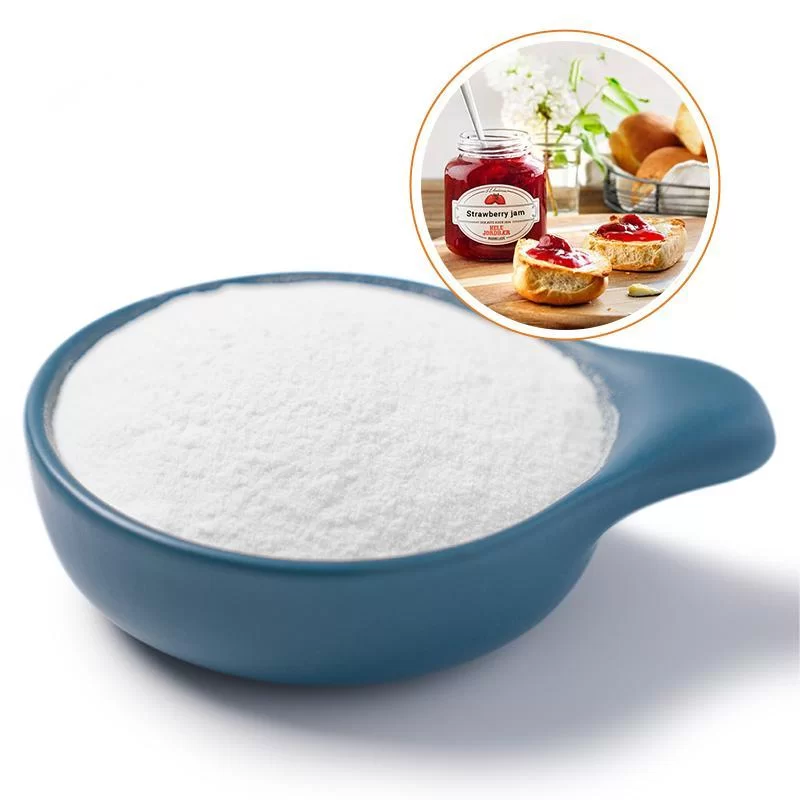
Sodium carboxymethyl cellulose (CMC) is a water-soluble cellulose ether supplied as a white or off-white flocculent powder. As a non-toxic, tasteless multifunctional additive, it functions as a binder, thickener, suspending agent and stabilizer. Hebei Tjin Technology Co., Ltd. supplies cmc sodium carboxymethyl cellulose across multiple specialized grades so that buyers can match the material to their exact processing constraints rather than sourcing a one-size-fits-all product.
This article compares the two principal grade families—Food Grade CMC and Industrial Grade CMC (covering oil drilling, detergent, ceramics/paper, paint/coating and textile sub-grades)—across the dimensions that purchasing teams most often evaluate: shared physical specifications, application compatibility, functional role within each end use, and supply and packaging options.
Both grade families are produced to the same core parameter envelope. The table below summarizes the values documented in Hebei Tjin Technology product materials.
| Parameter | Value (both grades) |
|---|---|
| Appearance | White or off-white powder |
| Purity | ≥ 99.5% |
| Viscosity range | 50 – 6,000 mPa·s |
| pH value (3.1% solution) | 6.0 – 8.5 |
| Degree of substitution (DS) | ≥ 0.8 |
| Moisture content | ≤ 10.0% |
| Particle size | 80 mesh ≥ 99% pass |
| Heavy metals (total) | < 15 ppm |
| Lead (Pb) | ≤ 5 ppm |
| Arsenic (As) | ≤ 2 ppm |
| Listed compliance | ISO, SGS, CANS |
Sharing a common purity floor of ≥ 99.5% and the same viscosity window means that the grade distinction is driven primarily by the application environment and any sector-specific regulatory or functional requirements—not by a difference in base purity between the two families.
Food grade CMC is for use in dairy products, beverages and confectionery. Within these categories the product functions as:
These functional roles make food grade CMC particularly relevant for manufacturers in the food and beverage sector who need consistent rheology control batch-to-batch.
Food grade CMC is not the choice for high-salinity drilling environments, alkaline detergent formulations, or high-temperature ceramic firing processes. Buyers sourcing CMC for those end uses should review the industrial grade options below.
Industrial grade CMC covers several documented sub-grades. Each is engineered for a distinct processing environment.
Used in drilling mud formulations as a stabilising and water-retention agent. It protects well integrity by preventing fluid loss and maintaining mud viscosity under downhole conditions. The high DS (≥ 0.8) supports tolerance to electrolytes that are typically present in drilling fluids.
Acts as a dirt redeposition resistance agent in laundry detergents. By adsorbing onto fabric surfaces and holding displaced soil particles in suspension, it prevents re-deposition during the wash cycle. This is a distinct functional mechanism from the food-grade stabilisation role.
Functions as a sizing agent and plasticizer in paper manufacturing and as a binder that strengthens the structure of ceramic green bodies (unfired billets) before sintering. The particle size specification (80 mesh ≥ 99% pass) supports even distribution within ceramic slurries.
Provides thickening and pigment dispersion in industrial coatings. Consistent viscosity across the 50–6,000 mPa·s range allows formulators to select the appropriate viscosity tier for their coating system.
Used as a high-efficiency sizing agent during textile processing. It imparts fabric strength and helps maintain yarn integrity during weaving and dyeing operations.
| Comparison Criterion | Food Grade CMC | Industrial Grade CMC |
|---|---|---|
| Primary functional role | Thickener, water-retention agent, dispersion stabilizer | Varies by sub-grade: stabilizer (drilling), anti-redeposition agent (detergent), binder/plasticizer (ceramics/paper), thickener/dispersant (paint), sizing agent (textile) |
| Documented application sectors | Dairy, beverages, confectionery | Oil drilling, detergents, ceramics, paper, coatings, textiles |
| Purity (documented) | ≥ 99.5% | ≥ 99.5% |
| Viscosity range (documented) | 50–6,000 mPa·s | 50–6,000 mPa·s |
| Degree of substitution (documented) | ≥ 0.8 | ≥ 0.8 |
| pH compatibility (documented) | 6.0–8.5 | 6.0–8.5 |
| Heavy metal limits (documented) | Pb ≤ 5 ppm / As ≤ 2 ppm | Pb ≤ 5 ppm / As ≤ 2 ppm |
| Key differentiation | Optimised for sensory and food-safety environments | Optimised for industrial process conditions per sub-grade |
| Regulatory context noted | ISO, SGS, CANS listed | ISO, SGS, CANS listed |
Note: The materials document the same core specification for both grade families. Differences between grades are in their optimisation for sector-specific process conditions and functional roles, not in purity floor or viscosity window.
When choosing between food grade and industrial grade cmc carboxymethyl cellulose, consider the following questions:
Both grade families share the same documented supply infrastructure from Hebei Tjin Technology Co., Ltd.:
For specific grade enquiries, buyers can review the CMC sodium carboxymethyl cellulose product range from Hebei Tjin Technology Co., Ltd.
Food grade and industrial grade CMC sodium carboxymethyl cellulose share a common specification baseline—purity ≥ 99.5%, viscosity 50–6,000 mPa·s, DS ≥ 0.8, heavy metal limits of Pb ≤ 5 ppm and As ≤ 2 ppm—documented across all Hebei Tjin Technology Co., Ltd. product variants. The meaningful comparison lies in application compatibility: food grade CMC is optimised for texture, water-retention and stabilisation in food matrices, while the industrial grade family branches into drilling, detergent, ceramics, paint and textile sub-grades, each with a distinct documented functional role. Buyers should select grade based on their process environment, regulatory context and the specific functional mechanism required rather than on purity alone, which is equivalent across grades.
THE PEOPLE

About the author
THE COMPANY
Our main products include hydroxypropyl methylcellulose ether, sodium carboxymethyl cellulose, etc. These products are mainly applied in the fields of pharmaceutical production and food processing. Adhering to the principle of "quality first, customer priority", we establish sustainable and mutually beneficial relationships with customers, and bring benefits to our partners through long-term cooperation.
YOUR NEXT STEP
Use case, specification, quantity and delivery window: make the next conversation specific.
Hit enter to search or ESC to close