February 28, 2026
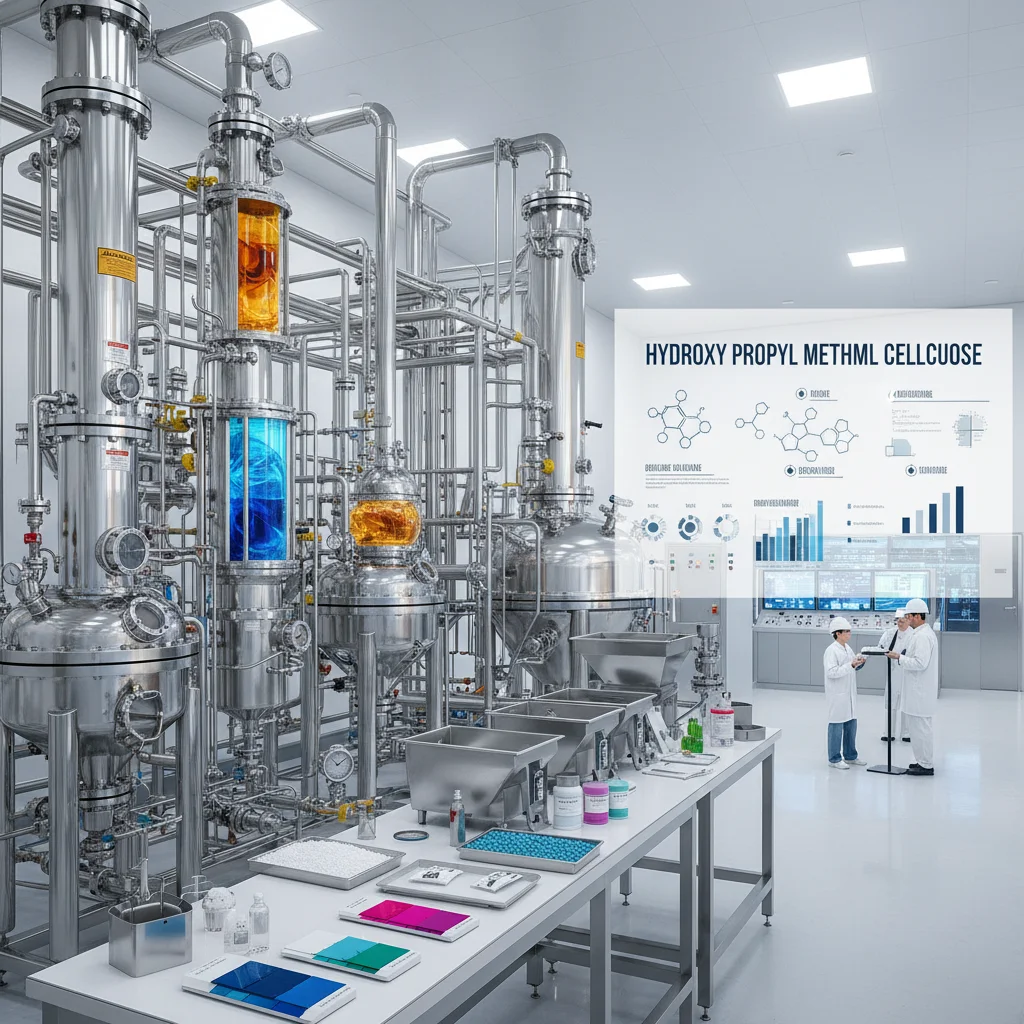
Hydroxypropyl methylcellulose (HPMC) is a versatile cellulose ether derived from cellulose. Widely used across diverse industries – from construction and pharmaceuticals to food and cosmetics – HPMC’s unique properties as a thickener, binder, film former, and water retention agent make it invaluable. This article will explore the properties, applications, grades, and benefits of HPMC, highlighting why TJHPMC is a trusted supplier of high-quality HPMC. Understanding HPMC's functionalities and choosing the right grade is crucial for achieving optimal results in your application.

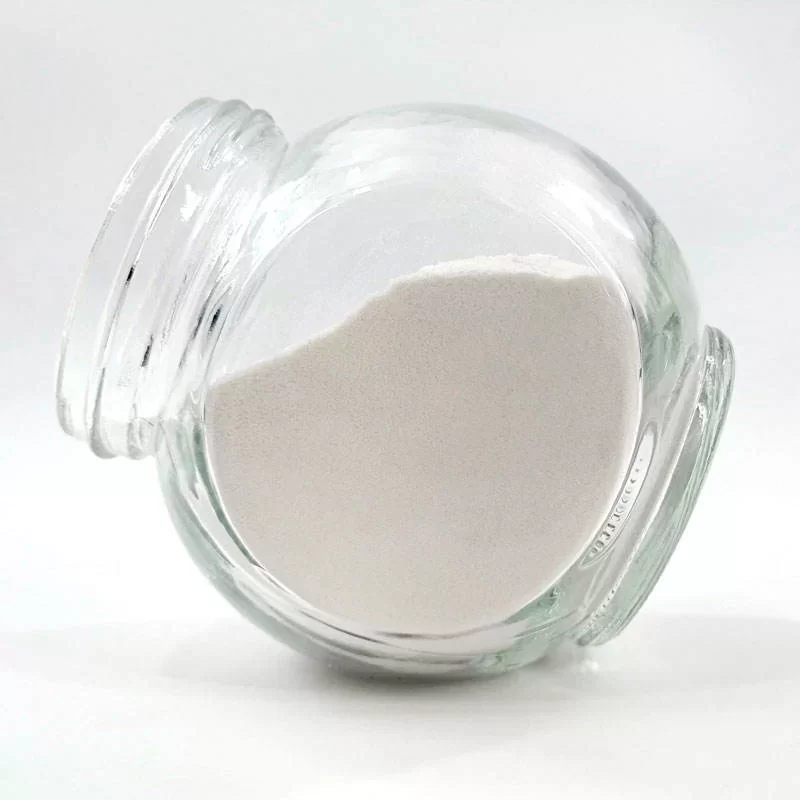
HPMC is a non-ionic, water-soluble polymer produced by chemically modifying cellulose. The modification involves substituting hydrogen atoms of the cellulose hydroxyl groups with methoxy and hydroxypropyl groups. This process imparts excellent thickening, film-forming, binding, and protective colloid properties. Its solubility in both hot and cold water, coupled with its ability to form clear, viscous solutions, is central to its widespread application. The degree of substitution (DS) dictates the specific properties of the HPMC grade, such as solubility, gelation temperature, and water retention. TJHPMC offers a range of HPMC grades to meet varying application demands.
Key Highlights: HPMC is a non-ionic, water-soluble polymer with versatile properties, including thickening, film-forming, and binding. Its solubility and diverse grades make it suitable for numerous applications.
The versatility of HPMC allows it to excel in various fields. In the construction industry, it's a vital component in cement-based materials, tile adhesives, and self-leveling compounds, enhancing workability, water retention, and adhesion. Pharmaceuticals utilize HPMC as a binder in tablets, a coating agent for sustained release, and a viscosity-increasing agent in liquid formulations. Food producers employ it as a thickener, stabilizer, and emulsifier in sauces, desserts, and baked goods. The cosmetic industry uses HPMC for its film-forming and thickening properties in lotions, creams, and shampoos. TJHPMC's HPMC meets the stringent requirements of these diverse industries.
Key Application Areas:
• Construction: Cement-based materials, tile adhesives
• Pharmaceuticals: Tablets, coatings, liquid formulations
• Food: Sauces, desserts, baked goods
• Cosmetics: Lotions, creams, shampoos
HPMC is available in various grades, differentiated by their viscosity, degree of substitution, and particle size. Viscosity, measured in mPa·s (millipascal-seconds), determines the thickening power. Higher viscosity HPMC provides greater thickening at lower concentrations. The degree of substitution affects solubility and gelation temperature. Different particle sizes are suitable for various applications; finer particles dissolve more readily. Choosing the correct HPMC grade is crucial for optimal performance. TJHPMC provides comprehensive technical data sheets for each grade.
Choosing TJHPMC as your HPMC supplier guarantees consistent quality, reliable supply, and expert technical support. We adhere to strict quality control measures throughout the production process, ensuring our HPMC meets and exceeds industry standards. Our dedicated team can assist you in selecting the optimal grade for your specific application, providing tailored solutions to maximize performance and efficiency. We provide competitive pricing and flexible packaging options to suit your needs. We are committed to delivering superior products and exceptional customer service.

HPMC is generally considered safe for its intended applications. However, it's crucial to follow proper handling procedures. Avoid inhaling HPMC dust, as it can cause respiratory irritation. Wear appropriate personal protective equipment (PPE), such as a dust mask and gloves, when handling the powder. Store HPMC in a cool, dry place, away from direct sunlight and moisture. Refer to the Safety Data Sheet (SDS) for detailed safety information and handling guidelines. TJHPMC provides comprehensive SDS documentation with all our products.
HPMC is an incredibly versatile polymer with applications spanning across numerous industries. By partnering with TJHPMC, you gain access to high-quality HPMC, expert support, and reliable supply. We are dedicated to providing solutions that enhance your product performance and contribute to your success. Contact us today to discuss your specific HPMC requirements.
When stored properly in a cool, dry environment, away from direct sunlight, HPMC typically has a shelf life of 5 years from the date of manufacture. However, it's important to check the product packaging for the specific expiration date provided by the manufacturer. Exposure to moisture can cause HPMC to absorb water and degrade, affecting its performance. Regularly inspect the packaging for any signs of damage or moisture penetration. TJHPMC ensures all products are properly packaged and labeled with clear expiration dates.
HPMC significantly enhances water retention in cement-based materials like mortars and tile adhesives. It forms a network structure that encapsulates water molecules, preventing premature evaporation. This extended water availability allows for better hydration of the cement, leading to improved workability, adhesion, and strength development. The water retention capacity depends on the HPMC grade and concentration used. TJHPMC offers specialized HPMC grades optimized for water retention in construction applications.
Generally, HPMC exhibits good compatibility with a wide range of additives commonly used in various formulations, including dispersants, pigments, fillers, and resins. However, compatibility should always be verified through small-scale testing to ensure no adverse interactions occur. Certain additives, such as strong electrolytes, may affect HPMC's viscosity or solubility. TJHPMC's technical team can provide guidance on compatibility testing and formulation optimization.
Hit enter to search or ESC to close