June 13, 2026
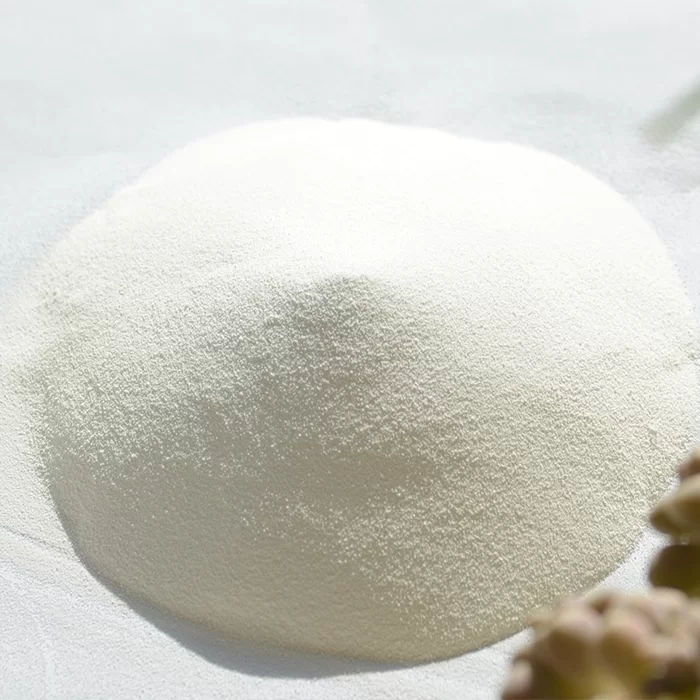
In the world of pharmaceutical excipients and specialized chemical additives, hpmc 2910 hypromellose plays a pivotal role. As a cellulose ether derived from hypromellose, the 2910 grade is specifically engineered to provide superior binding and film-forming properties. Whether it is used in the creation of controlled-release tablets or as a stabilizer in high-end cosmetics, its versatility makes it indispensable. This article provides a professional deep-dive into the technical specifications, industrial advantages, and practical applications of this high-performance polymer to help you make an informed procurement decision.

Hypromellose, or hydroxypropyl methylcellulose, is a semi-synthetic, inert polymer. The "2910" designation refers to its specific substitution pattern of methoxyl and hydroxypropyl groups. This precise chemical balance ensures that hpmc 2910 hypromellose exhibits excellent thermal gelation properties and solubility in cold water. Unlike other grades, 2910 is highly regarded for its ability to form a stable, transparent film, which is critical for pharmaceutical coatings. Its non-ionic nature also means it remains stable across a wide pH range, preventing unwanted interactions with active ingredients.
Technical Insight: The substitution degree of the 2910 grade allows for a balanced hydrophobicity, making it an ideal choice for creating matrices that control the diffusion rate of drugs in the human body.
The application spectrum of hpmc 2910 hypromellose is vast, spanning across multiple sectors. In the pharmaceutical industry, it is primarily used as a binder in tablet compression and as a coating agent to mask unpleasant tastes or protect the drug from gastric acid. In the food industry, it acts as an emulsifier and thickener, improving the texture of gluten-free products. Additionally, in the personal care sector, it provides the necessary viscosity and slip for lotions and gels without leaving a sticky residue. Its biocompatibility ensures safety for both internal and external use.

When selecting the right grade of hypromellose, it is essential to understand how hpmc 2910 hypromellose differs from other common grades like 2906 or 2911. While all offer thickening properties, the 2910 grade provides a superior balance of viscosity and film-forming capability. This makes it the "gold standard" for sustained-release formulations where a precise erosion rate of the tablet is required. The following table illustrates the key performance differences to help you choose the correct grade for your specific project.
To ensure the consistency of the final product, the hpmc 2910 hypromellose must adhere to strict quality standards. Key parameters include viscosity range, moisture content, and purity. Most pharmaceutical grades are produced in accordance with USP/NF or EP standards to ensure they are free from contaminants and provide predictable performance in automated manufacturing lines. Below are the standard specifications typically expected for this grade.
To achieve the best results with hpmc 2910 hypromellose, the dissolution process is key. Because HPMC can clump if added too quickly to water, it is recommended to either disperse the powder in a hot liquid (above 60°C) or to add it slowly to cold water under high-shear stirring. This ensures a homogeneous solution without "fish-eyes." In tablet formulation, the particle size of the 2910 grade should be matched with other excipients to prevent segregation during the mixing phase, ensuring a uniform dose in every tablet.
Pro Tips for Processing:
• Use high-shear mixers to prevent agglomeration.
• Maintain precise temperature control during the gelling phase.
• Store in a cool, dry place to avoid premature moisture absorption.
The selection of hpmc 2910 hypromellose is a critical decision that directly impacts the efficacy and stability of your final product. From its precise chemical structure to its versatile application in pharma and cosmetics, it offers unparalleled performance. By partnering with a professional supplier that understands these technical nuances, you ensure not only the quality of your ingredients but also the success of your manufacturing process. Elevate your product standards with the right grade of hypromellose today.
The main difference lies in the substitution levels of methoxyl and hydroxypropyl groups. HPMC 2910 is specifically designed for high film-forming capability and controlled release. While grades like 2906 might be better for simple thickening, 2910 is superior for pharmaceutical coatings and matrices where a slow, steady erosion rate is required. This makes it the preferred choice for extended-release drug delivery systems.
To prevent the formation of lumps or "fish-eyes," you should avoid adding the powder directly into cold water without agitation. The best method is to disperse the hpmc 2910 hypromellose in hot water (above 60°C), where it will disperse without dissolving. Once dispersed, cool the mixture down to room temperature while stirring; the polymer will then fully hydrate and dissolve, creating a smooth, clear solution.
Yes, HPMC 2910 is widely recognized as safe (GRAS) and is used globally in both the food and pharmaceutical industries. It is biologically inert and non-toxic, meaning it does not react with most active pharmaceutical ingredients (APIs) or food components. Most high-quality versions are manufactured to comply with Pharmacopoeia standards (USP/EP), ensuring they meet the rigorous safety and purity requirements for human consumption.
Absolutely. In the cosmetics industry, it is used as a thickening agent, stabilizer, and film-former. It is particularly useful in eye drops, lotions, and hair gels because it provides a smooth application feel without the tackiness associated with other polymers. Its ability to maintain stability across different temperatures and pH levels makes it a reliable ingredient for high-end skincare formulations.
Hit enter to search or ESC to close