June 25, 2026
In the world of specialty chemicals, precise identification is the cornerstone of quality and safety. The hydroxypropyl methylcellulose cas number serves as the unique digital fingerprint for this high-performance, non-ionic cellulose ether. Synthesized from natural polymer cellulose through a precise etherification process, HPMC is an odorless, tasteless, and non-toxic white powder that transforms into a colloidal solution in water. Its ability to act as a thickener, dispersing agent, and emulsifier makes it indispensable across pharmaceutical, food processing, and daily chemical industries. Understanding the chemical identity and properties of HPMC is essential for manufacturers seeking to optimize product stability and performance.

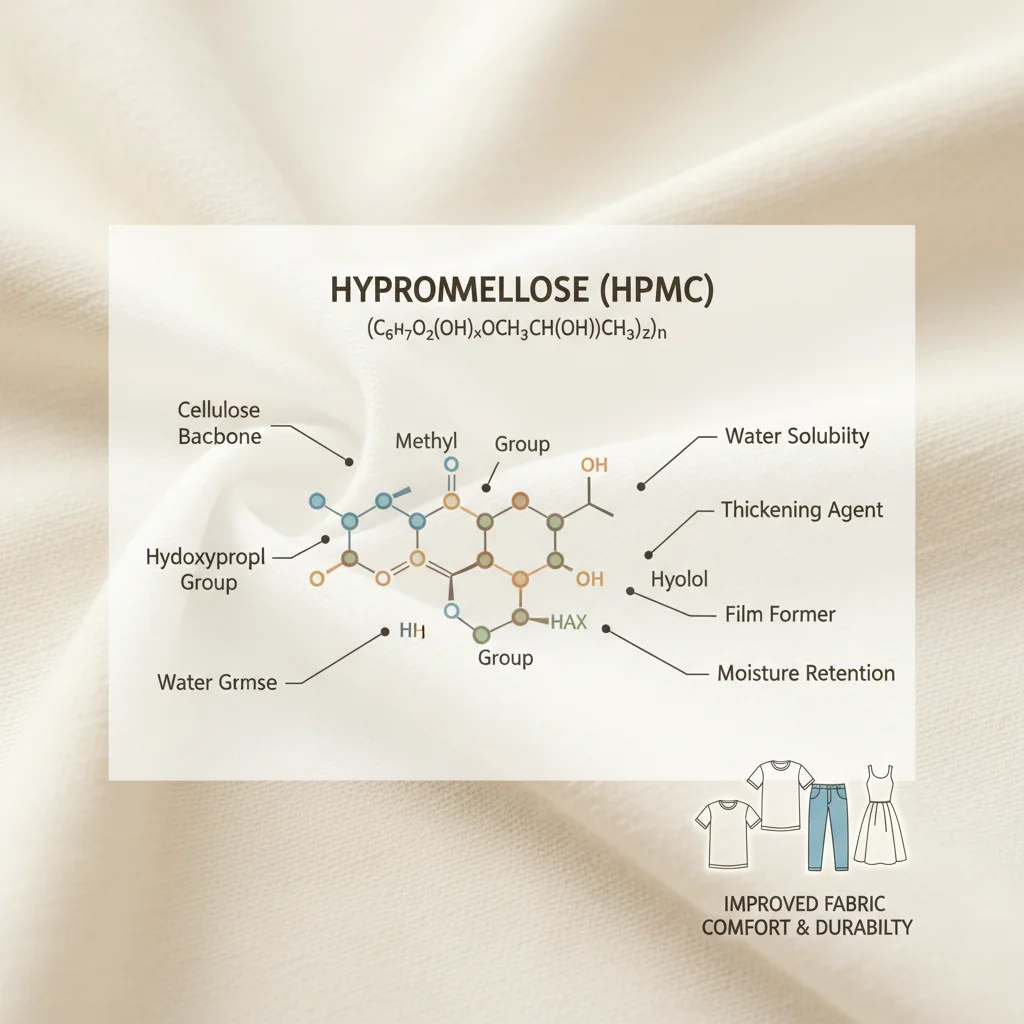
The performance of HPMC is dictated by its molecular structure, specifically the degree of substitution of methoxy and hydroxypropyl groups. These chemical markers, linked to the hydroxypropyl methylcellulose cas number, ensure that the material provides consistent viscosity and gel temperatures. By controlling the etherification process, manufacturers can tailor the moisture content and PH value to meet stringent medical or food-grade standards. This precision allows HPMC to form stable films and maintain exceptional water retention, which is critical for preventing premature drying in industrial applications.
Technical Highlight: HPMC is engineered to swell into a clarified or slightly turbid colloidal solution, providing multi-functional chemical properties that optimize the stability of various industrial formulas.
To ensure compatibility in complex formulations, engineers rely on a detailed product specification sheet. The variance in viscosity, ranging from 17,000 to 200,000 mPa.s, allows HPMC to be used in everything from thin coatings to thick gels. When referencing the hydroxypropyl methylcellulose cas number, purity detection for ash content and whiteness becomes paramount to ensure the product is safe for human contact and consumption.
When evaluating the return on investment for raw materials, the difference between standard cellulose ethers and premium HPMC is evident in the production yield and stability. High-purity HPMC, identified by the hydroxypropyl methylcellulose cas number, offers superior water retention and thickening efficiency. This leads to a reduction in waste and an optimization of the final product's flow characteristics, which is especially critical in high-end pharmaceutical capsules and cosmetics.
Depending on the industry, HPMC is categorized into different grades to ensure the highest quality of the final consumer product. Pharmaceutical grade HPMC is utilized as a hydrophilic gel skeleton and for sustained-release coatings. In the food industry, it provides essential adhesion and emulsification. Meanwhile, the daily chemical grade is a core ingredient in toothpaste and high-end detergents. All these variations maintain the core identity represented by the hydroxypropyl methylcellulose cas number, ensuring safety and non-toxicity.

Integrating HPMC into a production line requires rigorous quality control. This involves purity detection, specifically checking methyl content and whiteness, to maintain medical and food standards. Because the gel temperature (60-70°C) is critical for controlling release rates in pharmaceuticals, strict temperature monitoring is required during the blending process. By focusing on the specifications tied to the hydroxypropyl methylcellulose cas number, manufacturers can ensure a seamless transition from raw powder to high-performance final product.
Selecting the right additive can redefine the quality of your end product. High-purity HPMC, identified by its specific hydroxypropyl methylcellulose cas number, offers a unique combination of water retention, thickening efficiency, and safety. Whether you are developing sustained-release pharmaceuticals or high-end cosmetics, the stability and versatility of HPMC provide a competitive edge. By prioritizing technical purity and customized viscosity, manufacturers can maximize their investment return and ensure consumer satisfaction.
In pharmaceutical preparations, HPMC is primarily used as a hydrophilic gel skeleton material and a pore-causing agent. It is especially critical as a coating agent for sustained-release drugs, where it controls the diffusion rate of the active pharmaceutical ingredient, ensuring a steady delivery of medication into the body. This precision is only possible when the material adheres strictly to the specifications defined by the hydroxypropyl methylcellulose cas number.
HPMC acts as a versatile additive that provides adhesion, emulsification, and thickening. In food processing, it improves the texture and stability of various products, preventing phase separation in emulsions and enhancing the mouthfeel of thickened sauces or desserts. Its non-toxic, odorless, and tasteless nature ensures that it does not alter the original flavor profile of the food while providing structural integrity.
The viscosity of HPMC is primarily influenced by the degree of substitution—specifically the methoxy and hydroxypropyl content—and the overall molecular weight of the cellulose polymer during the etherification process. Different industrial requirements demand different viscosity levels; for instance, toothpaste requires a higher viscosity for consistency, while some pharmaceutical coatings require lower viscosity for smooth application. You can find tailored options at www.tjhpmc.com.
Yes, HPMC is absolutely safe for human contact. It is a non-toxic, non-irritating cellulose ether synthesized from natural polymers. This safety profile is why it is widely approved for use in medical-grade coatings, food additives, and personal care products like cosmetics and toothpaste. Its biochemical neutrality ensures that it does not cause adverse reactions, making it a trusted choice for manufacturers worldwide.
Hit enter to search or ESC to close