June 26, 2026
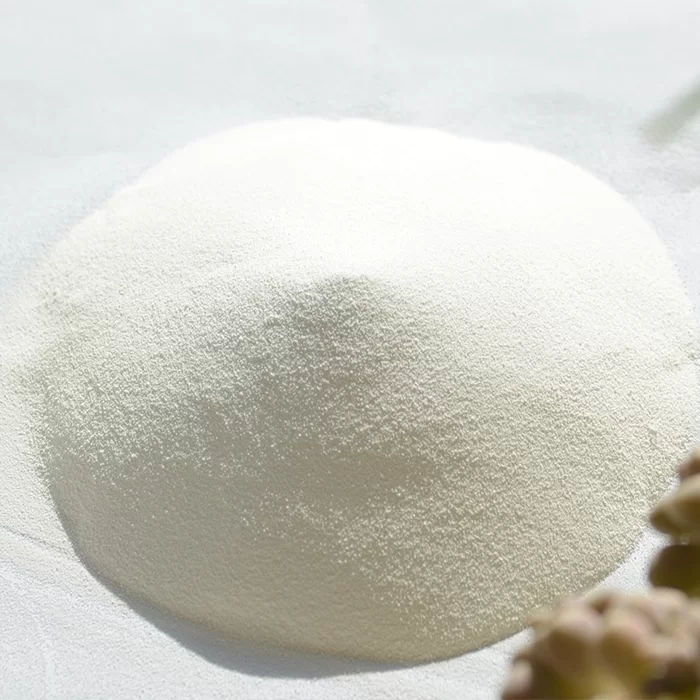
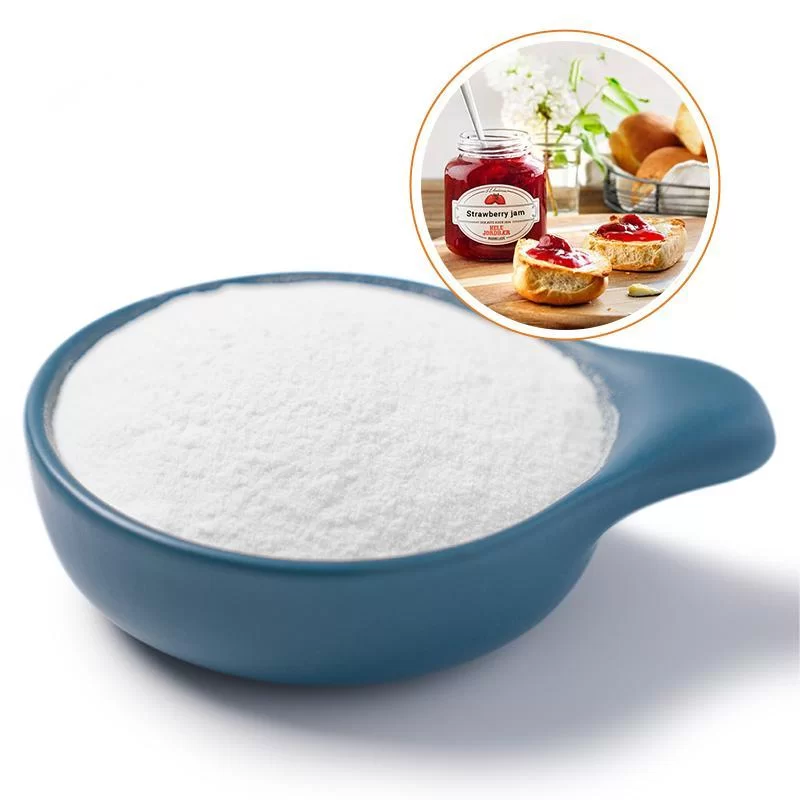
In the world of advanced chemical additives, 9004 65 3, known technically as Hydroxypropyl Methylcellulose (HPMC), serves as a cornerstone for industrial stability and performance. As a non-ionic cellulose ether synthesized from natural polymers, this high-performance white powder is engineered to provide precise rheological control, making it indispensable across the pharmaceutical, food, and cosmetic sectors. Whether you are looking for superior thickening, emulsification, or water retention, understanding the chemical versatility of this additive is key to optimizing your production efficiency. In this guide, we explore how this specific chemical compound transforms raw formulations into high-quality finished products.

The effectiveness of 9004 65 3 stems from its unique molecular structure. Through a sophisticated etherification process, natural cellulose is modified to become odorless, tasteless, and non-toxic. This allows it to dissolve in water to create a clarified colloidal solution with exceptional thickening and film-forming properties. Its non-ionic nature ensures that it remains stable across a wide range of pH values and is compatible with various other chemical ingredients, preventing unwanted reactions in complex industrial formulations.
Technical Highlight: HPMC acts as a protective colloid, ensuring that emulsions remain stable and that active ingredients stay evenly dispersed throughout the product's shelf-life.
To ensure consistent results in manufacturing, the purity and viscosity of 9004 65 3 must be strictly controlled. Depending on the application—whether it is a slow-release pharmaceutical tablet or a high-viscosity detergent—different grades of HPMC are utilized. Our precision testing platforms guarantee that every batch meets the exact methoxy and hydroxypropyl content required for high-end chemical synthesis.
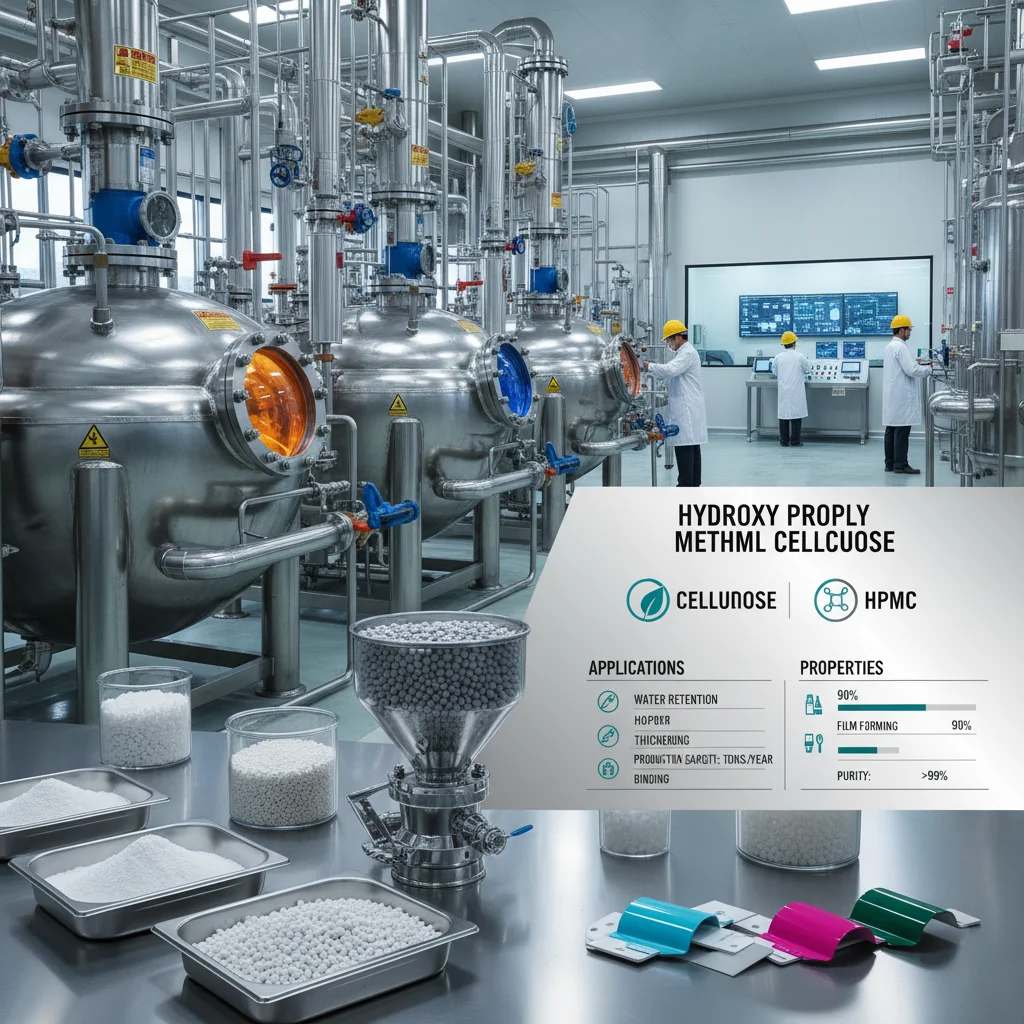
The versatility of 9004 65 3 allows it to be a multi-tool in chemical manufacturing. In the pharmaceutical industry, it is used as a hydrophilic gel skeleton for sustained-release medications. In food processing, it enhances texture and extends shelf-life by acting as an emulsifier and water retention agent. For daily chemicals, it is the secret behind the smooth texture of toothpaste and the stable foam of high-end cosmetics. This adaptability makes it a high-ROI ingredient for manufacturers looking to upgrade their product quality.

When compared to basic thickening agents, 9004 65 3 offers a significant leap in performance. While standard binders may provide basic viscosity, HPMC provides a combination of suspension properties and thermal gelation. This means products are not only thicker but also more stable under varying temperature conditions, reducing waste and increasing the efficacy of the final formulation.
Consistency is the hallmark of a professional chemical supplier. To maintain the high standards of 9004 65 3, we implement a rigorous end-to-end testing protocol. From the initial raw cellulose source to the final packaging, our quality control includes whiteness detection, methyl analysis, and precision viscosity measurement. This ensures that when a client integrates our HPMC into their production line, there are no surprises—only reliable, repeatable chemical performance.
Quality Assurance Pillars:
• Precision Viscosity testing for exact thickening
• Rigorous retention analysis for moisture holding
• Advanced chemical analysis for methoxy substitution
The chemical compound 9004 65 3 is more than just an additive; it is a performance enhancer that defines the quality of modern industrial products. By combining superior purity, customizable viscosity, and exceptional stability, HPMC provides manufacturers with the tools needed to create superior consumer goods. Investing in high-grade cellulose ethers is a strategic move toward reducing waste and maximizing product ROI. Upgrade your formulations today with the gold standard of HPMC.
Pharmaceutical grade HPMC is primarily utilized as a hydrophilic gel skeleton material, a pore-causing agent, and a high-performance coating agent. Its main role is in the preparation of sustained-release medications, where it controls the rate at which the active drug is released into the body, ensuring a steady therapeutic effect and reducing the frequency of dosage for the patient.
In food processing, HPMC serves as an efficient adhesion agent, emulsifier, film former, thickener, and water retention agent. It is particularly valuable for improving the overall texture of food products, preventing syneresis (water separation), and extending the shelf-life of processed foods by maintaining moisture balance and structural integrity.
The gel temperature, typically ranging between 60-70°C, is the specific thermal point at which the solution transitions from a liquid to a gel. This property is critical for specialized thermal gelation applications, where a product must remain fluid during processing but solidify or thicken upon heating to a specific temperature.
Yes, HPMC is a non-ionic, non-toxic, odorless, and tasteless cellulose ether. Because it is derived from natural cellulose and undergoes a controlled etherification process, it is completely safe and compliant with global standards for pharmaceutical, food, and cosmetic applications, making it ideal for products used directly by consumers.
Hit enter to search or ESC to close