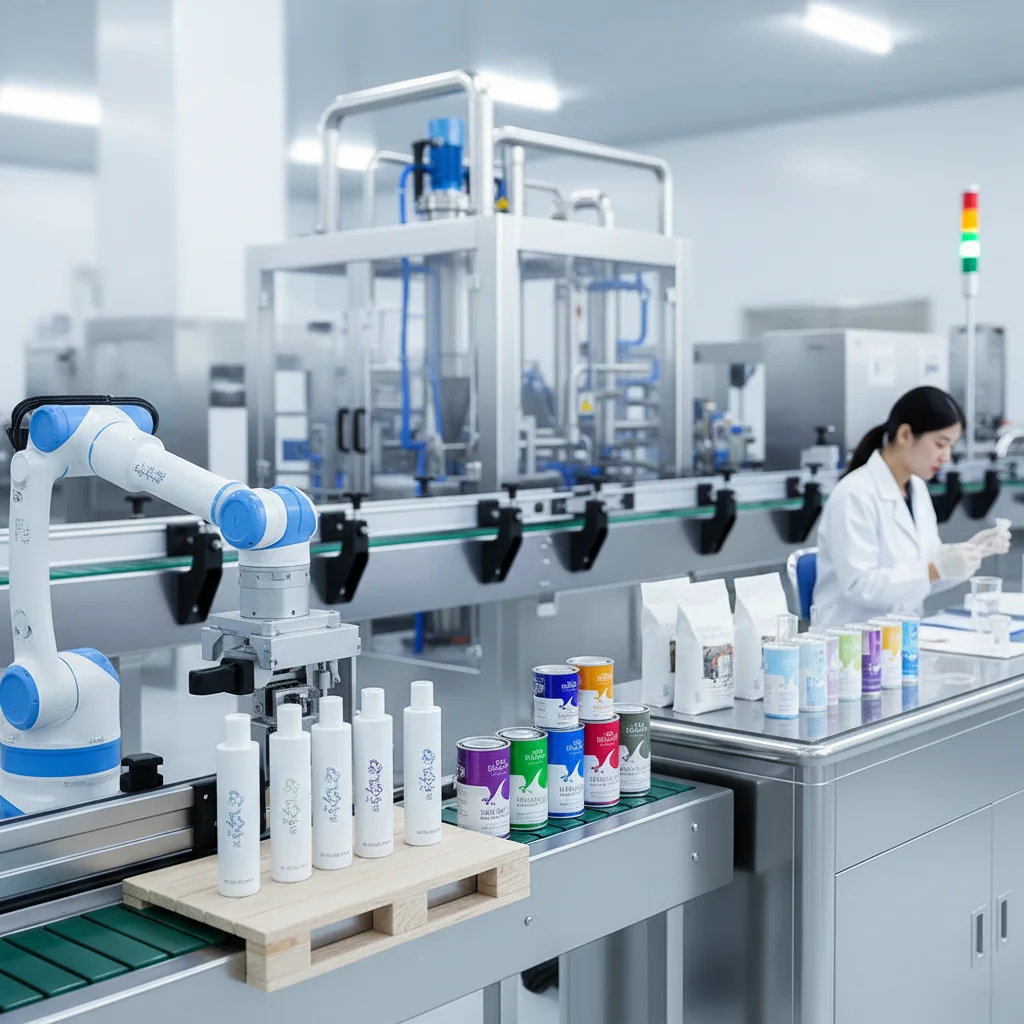
In the complex landscape of industrial chemical additives, hydroxypropyl methyl cellulose ether stands as a pivotal solution for enhancing material consistency and stability. Globally, the demand for high-performance cellulose ethers has surged as manufacturers seek non-toxic, water-soluble agents capable of precise rheology control across diverse sectors. Understanding the nuances of these polymers is essential for any operation aiming to optimize product texture and shelf life.
From the depths of oil drilling sites to the precision of pharmaceutical laboratories, the application of hydroxypropyl methyl cellulose ether addresses critical challenges in viscosity and water retention. By preventing dehydration and ensuring uniform dispersion, this chemical agent allows industries to maintain strict quality standards while reducing waste and operational errors. Its versatility makes it a cornerstone of modern chemical engineering.
For companies looking to elevate their production standards, integrating a high-purity hydroxypropyl methyl cellulose ether provides a competitive edge through superior stability and consistent batch-to-batch performance. Whether used as a binder, thickener, or stabilizer, it ensures that the final product meets international safety and quality protocols, maximizing both efficiency and ROI.

Global Industrial Relevance of hydroxypropyl methyl cellulose ether
The global chemical market has seen a transformative shift toward sustainable and high-efficiency additives, where hydroxypropyl methyl cellulose ether plays a central role. Adhering to ISO and SGS certified standards, this material is essential for maintaining structural integrity in construction and stability in food processing. As global supply chains demand more consistent raw materials, the reliance on ultra-pure cellulose ethers has become a standard for quality assurance.
Industries across Asia, Europe, and North America utilize these polymers to solve complex problems such as oil-water stratification and rapid dehydration. By implementing advanced rheology control, manufacturers can significantly reduce the failure rate of their products, ensuring that high-viscosity applications remain stable even under fluctuating temperature environments typical of international logistics.
Technical Definition and Chemical Composition
Hydroxypropyl methyl cellulose ether is a non-toxic, tasteless, and highly water-soluble white flocculent powder engineered from natural cellulose. It serves as a multifunctional additive that acts as a binder, thickener, and suspending agent. Its chemical structure allows it to optimize the flow properties of liquids, making it indispensable for creating stable colloidal solutions without clumping or residue.
At a molecular level, the purity of the product—often exceeding 99.5%—is what determines its effectiveness in demanding industrial environments. A high degree of substitution ensures that the polymer can interact effectively with water molecules, providing the necessary viscosity range (typically from 50 to 6000 mPas) required for specific technical applications in pharmaceuticals and oil drilling.
This composition ensures that the material remains thermally stable, meaning it maintains consistent viscosity across various temperatures. While it is highly stable up to 45°C, its specialized engineering prevents sudden degradation, allowing it to function as a reliable stabilizer in products that face diverse climate conditions during global shipping and storage.
Core Performance Factors and Components
One of the primary factors determining the quality of hydroxypropyl methyl cellulose ether is its purity level. With a purity grade of ≥ 99.5%, the additive prevents unwanted chemical reactions in the final product, ensuring that the batch-to-batch quality remains identical, which is critical for pharmaceutical and food-grade certifications.
Water retention is another core component of hydroxypropyl methyl cellulose ether performance. By creating a powerful barrier against dehydration, it prolongs the usable lifespan of construction materials and food products, effectively reducing waste and increasing the overall ROI for the end-user.
Finally, the dispersion speed of hydroxypropyl methyl cellulose ether is a key operational advantage. Its ability to dissolve quickly into transparent solutions without residue allows for faster processing times in the factory, reducing energy consumption and increasing the throughput of the production line.
Strategic Global Applications and Use Cases
The versatility of hydroxypropyl methyl cellulose ether allows it to be deployed in a vast array of real-world contexts. In the oil drilling industry, it is used to formulate drilling muds that can withstand high pressure and temperature, ensuring that the borehole remains stable. Similarly, in the construction sector, it is a vital component in tile adhesives and wall plasters to prevent cracking through superior water retention.
Beyond heavy industry, this material is critical in food production and pharmaceuticals. In dairy and pastry manufacturing, it prevents oil-water stratification and enhances texture, while in medicine, it acts as a controlled-release agent for tablets. This broad market reach is supported by flexible OEM solutions that customize viscosity to match the exact technical needs of the region.
Performance Efficiency of hydroxypropyl methyl cellulose ether Variants
Long-Term Value and Economic Advantages
The investment in premium hydroxypropyl methyl cellulose ether translates directly into long-term cost savings. By utilizing a product with ultra-high purity (≥ 99.5%), companies eliminate the risk of batch failures and costly recalls. The superior water retention capability specifically lowers waste in the construction and food industries, ensuring that resources are used more efficiently.
Moreover, the reliability of these chemical solutions fosters trust between manufacturers and their clients. When a product maintains its texture and stability over an extended shelf life, it enhances brand reputation and customer loyalty. This logical progression from technical superiority to market trust creates a sustainable economic cycle of innovation and growth.
Future Innovations in Cellulose Ether Technology
The future of hydroxypropyl methyl cellulose ether is closely tied to the global movement toward green chemistry and sustainable manufacturing. Innovations are currently focusing on reducing the carbon footprint of the production process while increasing the biodegradability of the final polymer. Digital transformation in the lab is also allowing for more precise molecular tailoring to create "smart" ethers that respond to specific environmental triggers.
Automation in the production line is ensuring that viscosity ranges are tighter than ever before, reducing the margin of error to near zero. This precision is critical for the next generation of 3D-printed construction materials and personalized medicine, where exact rheology is a prerequisite for success.
As policies regarding non-toxic additives become stricter globally, the demand for high-purity, plant-based cellulose ethers will continue to grow. The shift toward bio-based raw materials ensures that hydroxypropyl methyl cellulose ether will remain a viable and eco-friendly choice for the foreseeable future.
Overcoming Industrial Challenges with Custom Solutions
Despite its benefits, users often face challenges such as clumping during initial mixing or viscosity loss in extreme heat. To overcome these, expert technical support is essential to guide the selection of the correct grade and dosage. Customizing the viscosity from 50 to 6000 mPas allows users to match the chemical properties exactly to their specific environmental constraints.
Another common limitation is the risk of colloid denaturation when heated above 80°C for prolonged periods. The solution lies in the implementation of thermal stabilizers and the selection of specific high-grade versions of hydroxypropyl methyl cellulose ether that offer enhanced thermal resistance, ensuring product integrity even in high-heat processing.
By offering full OEM support and flexible packaging—from 25kg bags to 600kg pallets—manufacturers can solve the logistical challenges of large-scale procurement. This holistic approach, combining technical customization with logistics efficiency, ensures a seamless integration of the additive into the production cycle.
Comparative Analysis of hydroxypropyl methyl cellulose ether Solution Grades
| Grade Category |
Purity Level |
Viscosity Stability |
Application Fit |
| Standard Industrial |
≥ 98.0% |
Moderate |
General Paints/Coatings |
| Ultra-Pure Grade |
≥ 99.5% |
High |
Pharmaceuticals |
| Food Grade |
≥ 99.0% |
Very High |
Dairy/Bakery |
| Oil Drilling Grade |
≥ 98.5% |
High (Thermal) |
Drilling Fluids |
| Ceramic Grade |
≥ 98.0% |
Moderate |
Tile Adhesives |
| Custom OEM |
Variable |
Optimized |
Specialized R&D |
FAQS
It is extensively used as a thickener, stabilizer, and binder in various sectors. Key applications include oil drilling muds, ceramics, paints, detergents, and textiles. In the food industry, it is essential for dairy and pastries to maintain consistency and prevent separation.
In food production, it provides essential thickening and enhances water retention to prevent dehydration. It ensures dispersion stability, which prevents oil-water stratification and significantly extends the shelf life of the product, making it ideal for beverages and ice cream.
The material is thermally stable; typically, viscosity increases rapidly below 20°C and changes slowly at 45°C. However, it is important to note that prolonged heating above 80°C may cause colloid denaturation, affecting its thickening properties.
Yes, full OEM customization is available. We offer a standard viscosity range from 50 to 1200 mPas, with high-grade versions reaching up to 6000 mPas to ensure the additive perfectly matches your specific industrial requirements.
Yes, the Food Grade and Pharma Grade versions are non-toxic, tasteless, and safe. Our products comply with international safety standards and are not restricted by food hygiene standards (ADI), ensuring they are safe for human consumption.
To maintain chemical stability and prevent moisture absorption, the powder should be stored in tightly sealed containers in a cool, dry environment. Proper storage ensures the viscosity and purity remain intact over the product's shelf life.
Conclusion
In summary, hydroxypropyl methyl cellulose ether is an indispensable tool for modern industry, offering unparalleled benefits in viscosity control, water retention, and product stability. From its ultra-high purity levels to its versatile application across the food, pharma, and construction sectors, it provides the technical foundation necessary for high-quality manufacturing. By choosing a premium grade, companies can ensure consistent performance, reduced waste, and an overall increase in operational efficiency.
Looking forward, the integration of sustainable production methods and precision OEM customization will further solidify the role of cellulose ethers in the global market. We recommend that partners prioritize purity and thermal stability to future-proof their production lines against evolving international standards. To experience these performance enhancements in your own products, visit our website: www.tjhpmc.com.