e464 hydroxypropyl methylcellulose (HPMC) is a versatile polymer widely used across diverse industries, from pharmaceuticals and food to construction and cosmetics. Its unique properties, including thickening, binding, film-forming, and controlled release capabilities, make it an invaluable ingredient in countless applications. Understanding its characteristics and potential is crucial for innovators seeking optimized product performance and sustainable solutions. The growing demand for HPMC reflects its critical role in addressing modern challenges related to product stability, efficacy, and consumer experience.
Globally, the demand for HPMC is steadily increasing, driven by growth in the pharmaceutical, food, and construction sectors. According to market research reports, the HPMC market is projected to reach significant figures in the coming years, demonstrating a consistent upward trend. This demand stems from its superior performance compared to traditional alternatives, coupled with increasing consumer awareness of its benefits. Concerns regarding sustainability and the need for bio-based materials are also contributing to its wider adoption, positioning e464 hydroxypropyl methylcellulose as a key ingredient for future innovations.
The escalating need for efficient and reliable materials across industries necessitates a thorough understanding of compounds like e464 hydroxypropyl methylcellulose. From ensuring the proper viscosity of pharmaceutical formulations to enhancing the texture of food products and improving the workability of construction materials, HPMC addresses a wide spectrum of practical needs. As industries continue to prioritize performance, safety, and sustainability, the importance of HPMC will only continue to grow.
Introduction to e464 hydroxypropyl methylcellulose
e464 hydroxypropyl methylcellulose is a non-ionic cellulose ether produced by chemically modifying cellulose. This modification results in a polymer with a wide range of viscosities and properties, making it adaptable for numerous applications. The "e464" designation is its European food additive number, ensuring traceability and regulatory compliance.
Its primary function is as a thickener, stabilizer, binder, and film former. Unlike some synthetic polymers, e464 hydroxypropyl methylcellulose is derived from a natural, renewable resource—cellulose—making it an increasingly attractive choice for manufacturers seeking sustainable and environmentally friendly ingredients. This makes it a critical element in formulations where natural origins are highly valued.
Global Relevance of e464 hydroxypropyl methylcellulose
The global production and consumption of e464 hydroxypropyl methylcellulose are concentrated in regions with established pharmaceutical, food, and construction industries. China, India, and Europe are key manufacturing hubs, while North America and Asia-Pacific represent significant consumer markets. The United Nations projects continued growth in these regions, driving demand for versatile ingredients like HPMC.
The World Bank's focus on sustainable development also impacts HPMC’s adoption. As nations prioritize environmentally friendly solutions, the bio-based nature of HPMC makes it a compelling alternative to synthetic polymers. ISO standards regarding food safety and pharmaceutical quality further promote the use of verified, consistent ingredients like e464 hydroxypropyl methylcellulose.
A critical challenge addressed by e464 hydroxypropyl methylcellulose is the need for stable and effective formulations in diverse climates and storage conditions. Its ability to maintain viscosity and prevent settling ensures product integrity, particularly important in regions with limited infrastructure and temperature control. The ongoing global health crises have underscored the importance of reliable pharmaceutical excipients, further bolstering the demand for HPMC.
Defining e464 hydroxypropyl methylcellulose
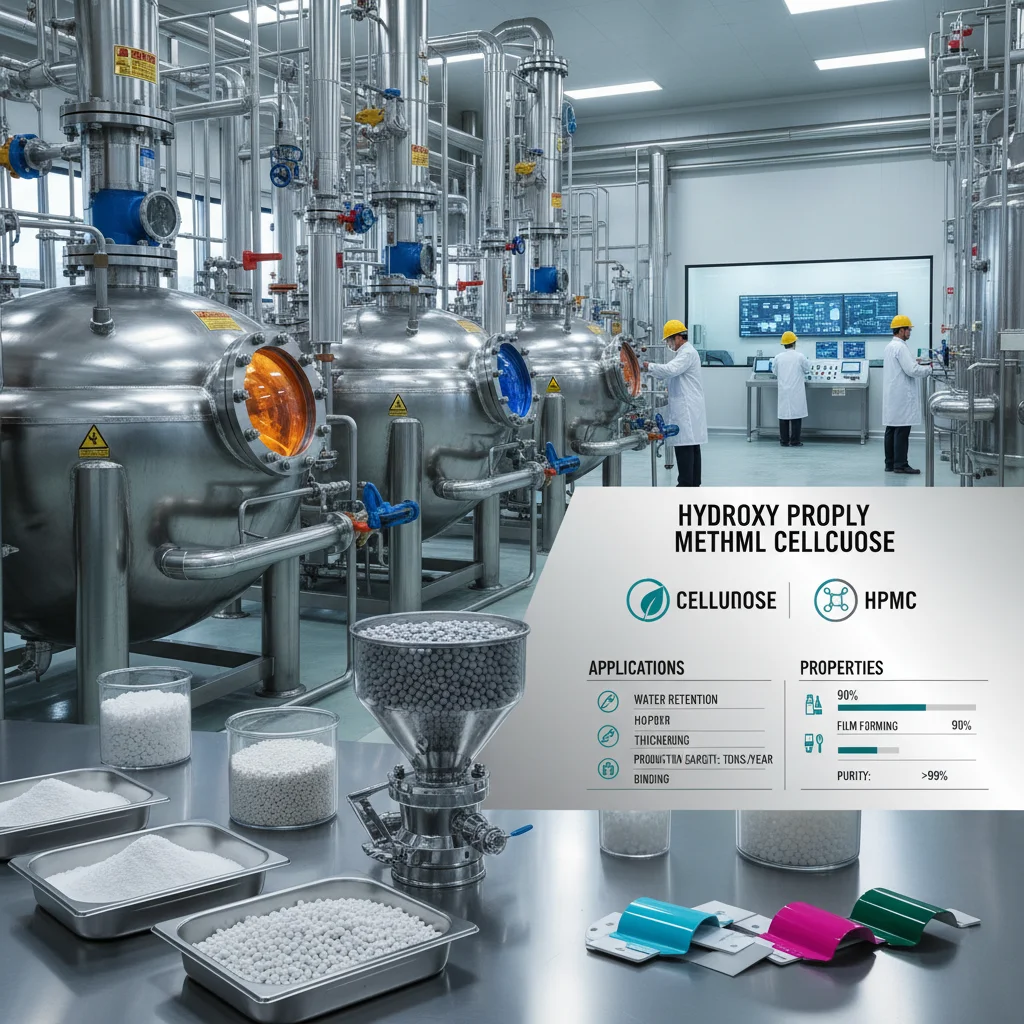
e464 hydroxypropyl methylcellulose is a chemically modified cellulose ether, created through the reaction of cellulose with methyl chloride and propylene oxide. This process introduces hydroxypropyl and methyl groups onto the cellulose backbone, altering its solubility and physical properties. The resulting polymer is a white to off-white powder, odorless and tasteless, and readily dissolves in cold water to form clear, viscous solutions.
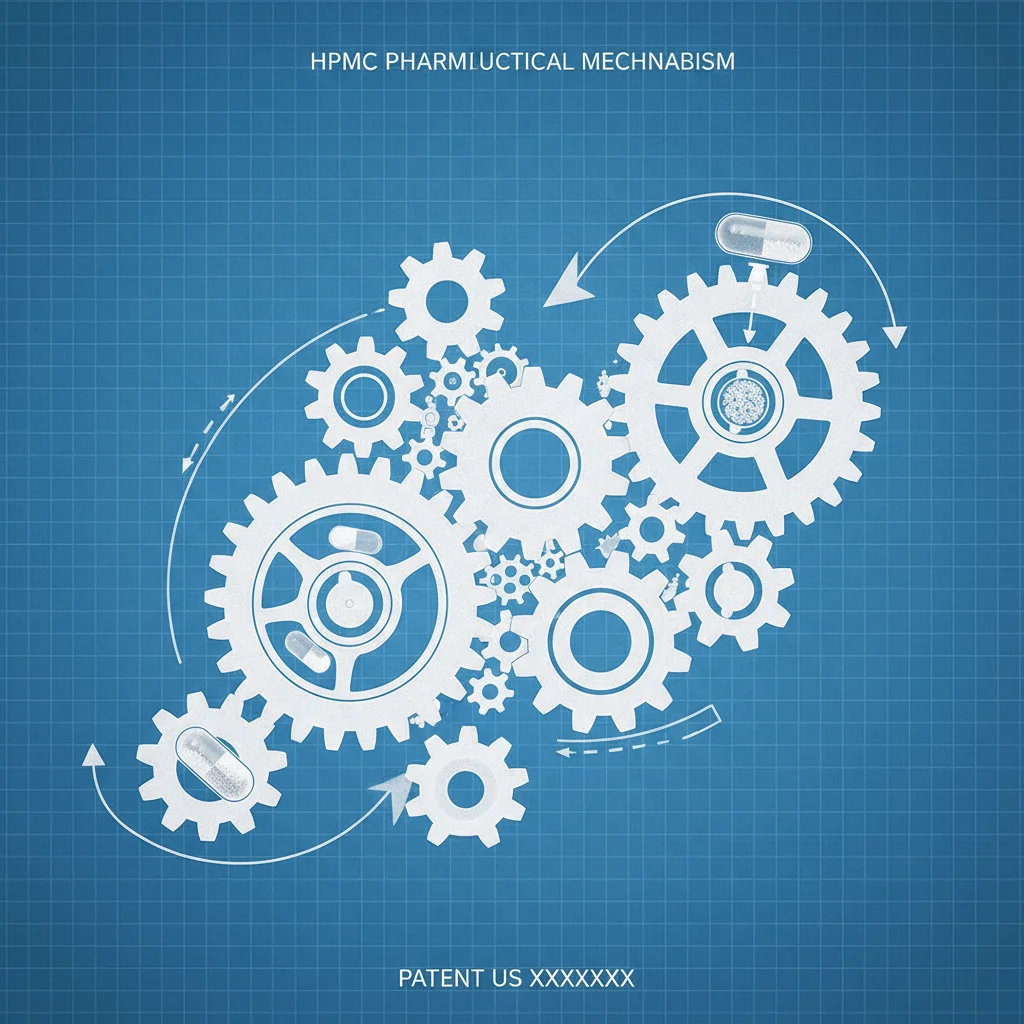
Its connection to modern industry stems from its ability to enhance product performance across a vast range of applications. In pharmaceuticals, it's used as a binder in tablets, a coating agent for sustained release, and a viscosity-increasing agent in liquid formulations. Its role in humanitarian needs is significant, as it helps stabilize essential medicines and food products in challenging environments.
The key to its versatility lies in the degree of substitution – the amount of methyl and hydroxypropyl groups attached to the cellulose chain. Adjusting this ratio allows manufacturers to tailor the polymer’s properties, such as viscosity, gelation temperature, and water solubility, to meet the specific requirements of their applications. This customizability makes e464 hydroxypropyl methylcellulose a truly adaptable ingredient.
Core Properties of e464 hydroxypropyl methylcellulose
Viscosity Control: e464 hydroxypropyl methylcellulose offers a wide range of viscosity grades, allowing for precise control over the texture and flow properties of formulations. This is crucial in applications like paints, coatings, and personal care products.
Thermal Gelation: HPMC solutions exhibit thermal gelation, meaning they transform from a liquid to a gel upon heating. This property is particularly valuable in food applications, like creating dessert gels and stabilizing emulsions.
Comparative Performance of e464 hydroxypropyl methylcellulose Grades
Applications of e464 hydroxypropyl methylcellulose Worldwide
In the pharmaceutical industry, e464 hydroxypropyl methylcellulose is extensively used as a tablet binder, film coating agent, and controlled-release matrix. Companies like Roche and Pfizer rely on its consistent quality and performance in their formulations. In the food sector, it's a key ingredient in sauces, dressings, and baked goods, contributing to texture and stability. Nestle and Unilever utilize it in numerous products globally.
The construction industry benefits from HPMC's water retention and thickening properties in cement-based materials. It improves workability, adhesion, and prevents cracking. Across Asia, construction companies incorporate e464 hydroxypropyl methylcellulose into tile adhesives, renders, and self-leveling compounds. In the cosmetics industry, it serves as a stabilizer, emulsifier, and thickener in creams, lotions, and shampoos.
Post-disaster relief operations frequently utilize HPMC-modified building materials for rapid shelter construction. Its ability to enhance cement strength and reduce water demand allows for faster setting times, vital in emergency situations. In remote industrial zones, where access to specialized materials is limited, the versatility of e464 hydroxypropyl methylcellulose makes it an invaluable resource for maintaining infrastructure and supporting local industries.
Advantages and Long-Term Value of e464 hydroxypropyl methylcellulose
The cost-effectiveness of e464 hydroxypropyl methylcellulose, coupled with its high performance, offers substantial economic benefits to manufacturers. Its low usage levels translate to reduced formulation costs, while its ability to improve product stability minimizes waste and extends shelf life. This contributes to increased profitability and reduced environmental impact.
Sustainability is a core advantage, as HPMC is derived from a renewable resource. Its biodegradable nature further reduces its environmental footprint compared to synthetic alternatives. The inherent safety profile of e464 hydroxypropyl methylcellulose, backed by regulatory approvals, ensures consumer trust and minimizes potential health risks, fostering brand loyalty and a positive public image.
Future Trends in e464 hydroxypropyl methylcellulose Technology
Ongoing research is focused on enhancing the properties of e464 hydroxypropyl methylcellulose through innovative modification techniques. This includes exploring new degrees of substitution to tailor its performance for specific applications and improving its compatibility with other polymers. These advancements will unlock new opportunities for utilizing HPMC in emerging technologies.
The growing demand for bio-based materials and sustainable solutions is driving innovation in HPMC production processes. Researchers are investigating more environmentally friendly manufacturing methods, reducing waste, and minimizing energy consumption. The integration of digital technologies, such as AI-powered formulation design, will further optimize the use of e464 hydroxypropyl methylcellulose and accelerate product development.
Challenges and Solutions
A primary challenge with e464 hydroxypropyl methylcellulose is its potential for variability in quality depending on the source and manufacturing process. This can lead to inconsistencies in performance and require stringent quality control measures. Implementing robust testing protocols and sourcing from reputable suppliers are crucial for mitigating this risk.
Another limitation is its susceptibility to microbial degradation over extended storage periods. Adding appropriate preservatives or employing sterile manufacturing practices can prevent microbial growth and maintain product integrity. Ongoing research is also exploring methods for enhancing the inherent antimicrobial properties of HPMC.
Summary of e464 hydroxypropyl methylcellulose Optimization Strategies
| Challenge |
Optimization Strategy |
Implementation Cost |
Expected Impact |
| Quality Variability |
Stringent Supplier Qualification |
Low |
High - Consistent Performance |
| Microbial Degradation |
Preservative Addition |
Medium |
High - Extended Shelf Life |
| Limited Water Solubility |
Pre-dissolution Techniques |
Low |
Medium - Improved Formulation |
| Sensitivity to pH |
pH Buffering Agents |
Low |
Medium - Stable Formulations |
| Inconsistent Viscosity |
Optimized Mixing Procedures |
Low |
Medium - Predictable Rheology |
| Cost Fluctuations |
Long-term Supply Contracts |
Medium |
High - Price Stability |
FAQS
In pharmaceuticals, e464 hydroxypropyl methylcellulose serves as a crucial excipient with diverse applications. It’s primarily used as a binder in tablet formulations, ensuring cohesive strength and facilitating proper tablet compression. It’s also a highly effective film coating agent, providing protection and controlling drug release. Furthermore, HPMC acts as a viscosity-increasing agent in liquid formulations, improving suspension stability and palatability. These applications guarantee effective drug delivery and enhance patient compliance.
Yes, e464 hydroxypropyl methylcellulose is widely recognized as a safe ingredient for food products. It's approved by regulatory bodies worldwide, including the FDA and EFSA, for use in a variety of food applications. It's non-toxic, non-allergenic, and doesn't contribute significantly to calorie intake. Its primary function is to improve texture, stability, and shelf life without compromising food safety. Extensive testing and scientific data support its safety for consumption.
e464 hydroxypropyl methylcellulose enhances the sustainability of construction materials by improving their performance and reducing material waste. It increases water retention in cement-based products, minimizing cracking and extending lifespan. It also reduces the need for excessive water, conserving resources. Furthermore, its contribution to improved adhesion and workability results in less material loss during application. Its bio-based origin adds to the overall sustainability profile compared to purely synthetic alternatives.
Several factors impact the viscosity of e464 hydroxypropyl methylcellulose solutions. These include the molecular weight and grade of the HPMC used, the concentration of HPMC in the solution, the temperature of the solution (viscosity generally decreases with increasing temperature), and the pH of the solution. The presence of salts and other additives can also influence viscosity. Careful control of these factors is crucial for achieving the desired rheological properties in a given application.
Absolutely. e464 hydroxypropyl methylcellulose is an excellent vegan and vegetarian alternative to gelatin. It provides similar thickening, gelling, and film-forming properties without relying on animal-derived sources. It is widely used in plant-based capsules, confectionery, and desserts to create textures and structures comparable to those achieved with gelatin, making it suitable for a variety of dietary preferences.
To maintain the quality of e464 hydroxypropyl methylcellulose, it’s essential to store it in a cool, dry, and well-ventilated area, away from direct sunlight and heat sources. The material should be kept in its original, tightly sealed container to prevent moisture absorption and contamination. Proper storage prevents degradation and ensures the consistent performance of the HPMC when used in formulations. Ideally, storage temperature should be below 25°C and relative humidity below 60%.
Conclusion
In summary, e464 hydroxypropyl methylcellulose is a remarkably versatile polymer playing a crucial role in diverse industries. Its unique properties—thickening, binding, film-forming, and thermal gelation—provide solutions to challenges ranging from pharmaceutical formulation to sustainable construction. Its bio-based origin and established safety profile further enhance its appeal as a modern, responsible ingredient.
Looking ahead, continued innovation in HPMC technology will unlock even broader applications, particularly in sustainable materials and advanced drug delivery systems. Embracing HPMC and exploring its potential offers manufacturers a pathway towards enhanced product performance, reduced environmental impact, and long-term value. For more information on how e464 hydroxypropyl methylcellulose can benefit your applications, visit our website: www.tjhpmc.com