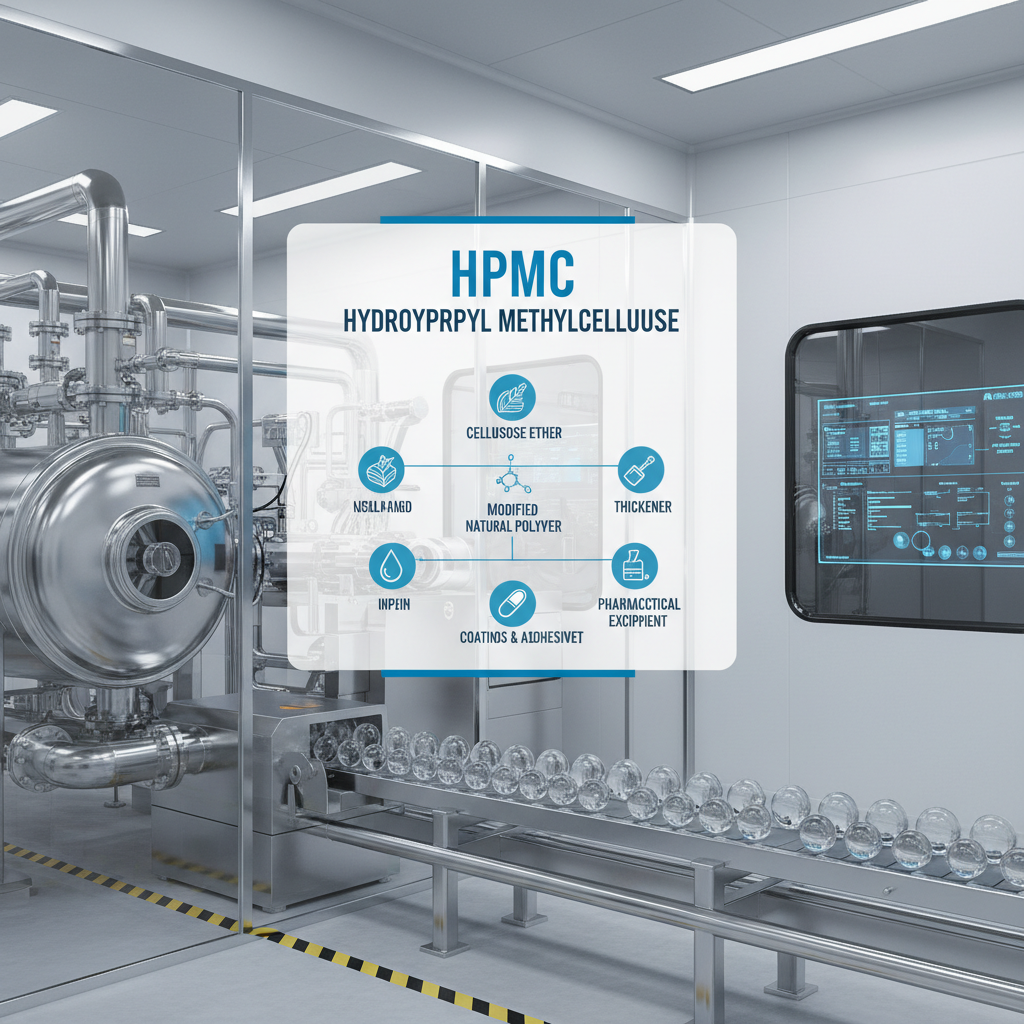
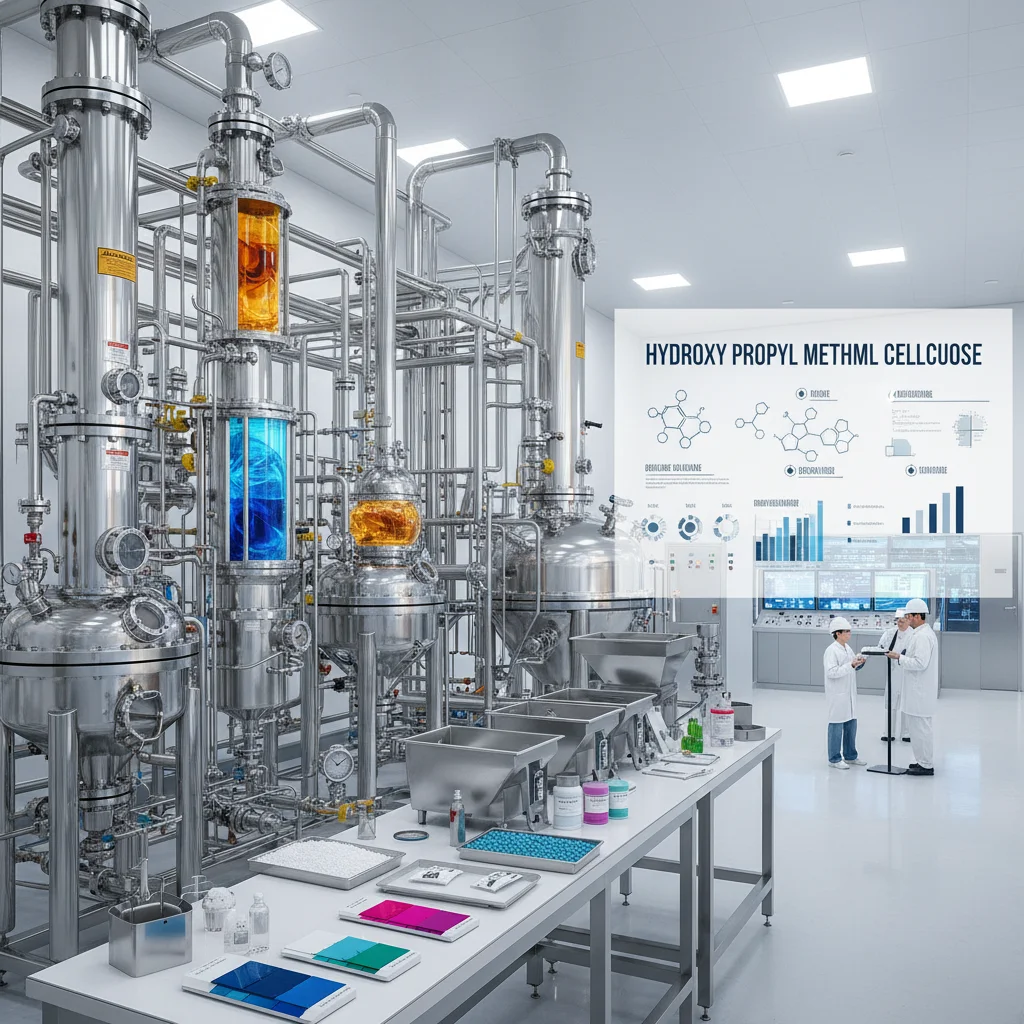
Understanding the hpmc chemical full form is essential for professionals in the specialty chemicals and construction sectors, as it unlocks the potential of one of the most versatile cellulose ethers used today. Hydroxypropyl Methylcellulose (HPMC) acts as a critical multifunctional additive that enhances the performance of everything from pharmaceutical tablets to high-grade mortar, making it a cornerstone of modern material science.
Globally, the demand for high-quality thickeners and stabilizers has surged, pushing industries to look deeper into the molecular efficiency of HPMC. By mastering the specifics of the hpmc chemical full form, manufacturers can optimize water retention, improve workability, and ensure the structural integrity of their end products, thereby reducing waste and increasing operational efficiency.
Whether you are a procurement manager seeking reliable suppliers or a chemical engineer refining a formula, recognizing the properties associated with the hpmc chemical full form allows for a more strategic approach to product development. This guide delves into the technical nuances and practical applications of this powerful chemical compound, bridging the gap between dry parameters and commercial success.
Defining the hpmc chemical full form and Its Origin
The hpmc chemical full form is Hydroxypropyl Methylcellulose. It is a non-ionic cellulose ether derived from natural polymer cellulose, typically sourced from refined cotton or wood pulp. Through a series of chemical reactions involving methyl chloride and propylene oxide, the natural cellulose is modified to create a compound that possesses unique solubility and thickening properties.
This chemical transformation allows HPMC to be soluble in cold water while remaining stable across various pH levels. Because it is based on a natural polymer, it is widely regarded as a safe and biocompatible material, which explains its ubiquity in both the construction and pharmaceutical industries.
Global Industry Relevance of HPMC Compounds
In the global marketplace, the relevance of the hpmc chemical full form extends far beyond a simple name. According to international industrial standards and ISO guidelines, cellulose ethers are critical for reducing the carbon footprint of construction by improving the efficiency of dry-mix mortars. By enhancing water retention, HPMC prevents premature drying, which significantly reduces the rate of cracking in large-scale infrastructure projects.
The challenge that HPMC addresses is the inherent volatility of moisture in porous materials. In regions with extreme climates—such as the arid zones of the Middle East or the humid tropics of Southeast Asia—the ability to control the evaporation rate of water in cementitious mixtures is the difference between a structure that lasts decades and one that fails prematurely.
Furthermore, the synergy between HPMC and other polymers like CMC (Carboxymethyl Cellulose) has created a new standard for "smart materials." These compounds allow for a higher degree of scalability in manufacturing, enabling companies to produce consistent quality batches regardless of the raw material variability in the source wood pulp.
Core Functional Components of Hydroxypropyl Methylcellulose
When analyzing the hpmc chemical full form, the first core component to consider is Water Retention. This is the ability of the polymer to bind water molecules, preventing them from being absorbed too quickly by the substrate. This ensures that the hydration process of cement is complete, leading to maximum strength.
Another critical aspect of the hpmc chemical full form is Thickening and Viscosity Control. By adjusting the degree of substitution of the hydroxypropyl and methyl groups, manufacturers can tailor the viscosity of the liquid phase. This is vital for "non-sag" properties in tile adhesives, ensuring that heavy tiles stay in place during application.
Lastly, Thermal Gelation is a unique property associated with the hpmc chemical full form. Unlike many polymers, HPMC can form a gel at higher temperatures, which is an invaluable characteristic in the pharmaceutical industry for controlled-release drug delivery systems.
Performance Metrics of hpmc chemical full form Derivatives
To evaluate the efficacy of different grades of HPMC, engineers often look at specific performance metrics. These include the viscosity range (measured in mPa.s), the ash content, and the pH stability. By comparing different versions of the hpmc chemical full form, users can determine whether a product is better suited for a high-flow grout or a thick-bed adhesive.
The integration of these metrics allows for a data-driven approach to formulation. For instance, a higher viscosity grade might provide better stability in a suspension but could require more energy to mix, creating a balance between material performance and operational cost.
Comparative Efficiency of hpmc chemical full form Grades
Real-World Applications Across Global Markets
The practical application of the hpmc chemical full form is visible in almost every modern urban center. In the construction industry, it is the secret ingredient in EIFS (Exterior Insulation and Finish Systems), allowing the renders to adhere perfectly to insulation boards without sagging, even in high-temperature environments.
Beyond construction, the pharmaceutical sector relies on the hpmc chemical full form to create vegetable capsules (HPMC capsules), providing a vegan alternative to gelatin. This shift reflects a global trend toward sustainable and inclusive healthcare products, making HPMC a catalyst for social and environmental progress.
Long-Term Value and Sustainable Advantages
Investing in a deep understanding of the hpmc chemical full form provides tangible long-term value. From a cost perspective, the high efficiency of HPMC means that smaller quantities are required to achieve significant results, reducing the overall cost of raw materials per project.
From a sustainability angle, HPMC is biodegradable. Unlike synthetic polymers that linger in the environment for centuries, the cellulose base of the hpmc chemical full form ensures that the environmental impact is minimized. This aligns with the growing global movement toward "Green Building" and ISO 14001 environmental management standards.
Moreover, the reliability of HPMC fosters trust between contractors and clients. When a wall doesn't crack and a pill dissolves exactly when it should, it is the stability of the chemistry—specifically the properties of Hydroxypropyl Methylcellulose—that provides that peace of mind.
Future Innovations in Cellulose Ether Technology
Looking forward, the evolution of the hpmc chemical full form is being driven by digital transformation and green chemistry. We are seeing the rise of "smart-grade" HPMC, where the degree of substitution is controlled by AI-driven manufacturing processes to meet hyper-specific client needs in real-time.
Another trend is the integration of HPMC into 3D concrete printing. The precise rheology control offered by the hpmc chemical full form is essential for ensuring that 3D-printed layers maintain their shape without collapsing under their own weight, paving the way for automated housing construction.
As policies shift toward net-zero emissions, the production of HPMC is also evolving, with a move toward using recycled agricultural waste as the cellulose source, further enhancing the eco-friendly profile of this indispensable chemical.
Analysis of hpmc chemical full form Performance across Different Industrial Standards
| Application Sector |
Key Performance Metric |
Stability Score (1-10) |
Eco-Impact Rating |
| Dry-Mix Mortar |
Water Retention |
9 |
High |
| Pharma Capsules |
Biocompatibility |
10 |
Very High |
| Tile Adhesive |
Anti-Sagging |
8 |
Medium |
| Detergent Gels |
Viscosity Stability |
7 |
Medium |
| 3D Printing Cement |
Thixotropy |
9 |
High |
| Cosmetic Creams |
Emulsification |
8 |
High |
FAQS
The hpmc chemical full form is Hydroxypropyl Methylcellulose. It is a non-ionic cellulose ether derived from natural cellulose through a process of etherification, resulting in a powder that acts as a thickener, stabilizer, and water-retention agent in various industrial applications.
While both are cellulose ethers, HPMC (Hydroxypropyl Methylcellulose) is generally more stable across different pH levels and offers better thermal gelation properties compared to CMC (Carboxymethyl Cellulose). This makes HPMC preferable for construction materials and specific pharma applications.
Yes, the hpmc chemical full form represents a compound that is biocompatible and non-toxic. It is widely approved by health authorities for use in drug coatings and as a base for vegetarian capsules due to its inert nature.
Water retention provided by HPMC prevents the water in cement or mortar from evaporating too quickly. This ensures the chemical reaction (hydration) completes fully, which prevents shrinkage cracks and ensures the final structure reaches its intended strength.
Absolutely. HPMC is designed to be soluble in cold water. However, depending on the grade, it helps maintain the workability of materials even in lower temperatures by stabilizing the moisture content within the mixture.
For professional-grade cellulose ethers, it is recommended to partner with manufacturers who provide detailed technical data sheets and viscosity certifications. You can visit www.tjhpmc.com to explore premium HPMC and CMC solutions.
Conclusion
In summary, the hpmc chemical full form—Hydroxypropyl Methylcellulose—is much more than a technical label; it is a vital component that drives efficiency and quality in the construction, pharmaceutical, and cosmetic industries. From providing essential water retention in mortars to enabling sustainable vegan capsules, its versatility makes it an indispensable asset in modern chemical manufacturing.
As the world moves toward smarter, greener, and more automated production methods, the role of HPMC will only continue to grow. We suggest that manufacturers and engineers prioritize the use of high-purity cellulose ethers to ensure long-term structural reliability and environmental compliance. To learn more about our high-performance products and how they can optimize your formulations, visit our website: www.tjhpmc.com.