March 28, 2026
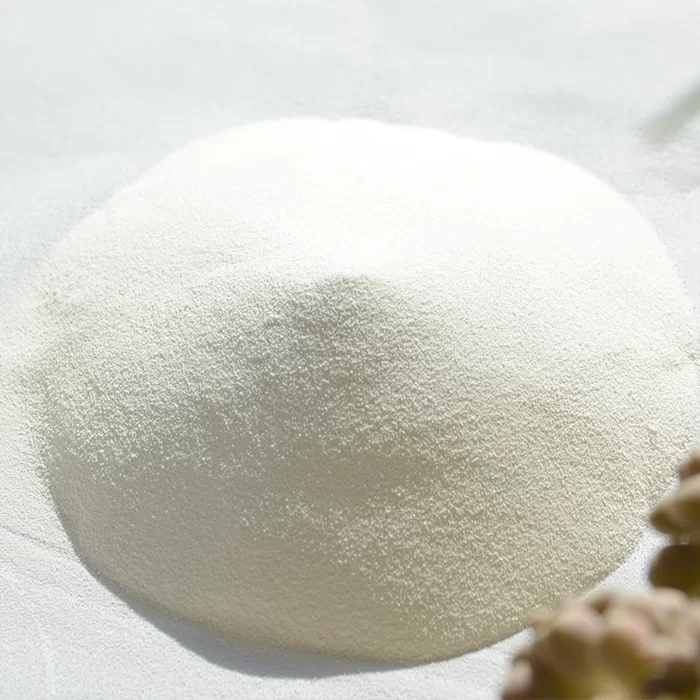
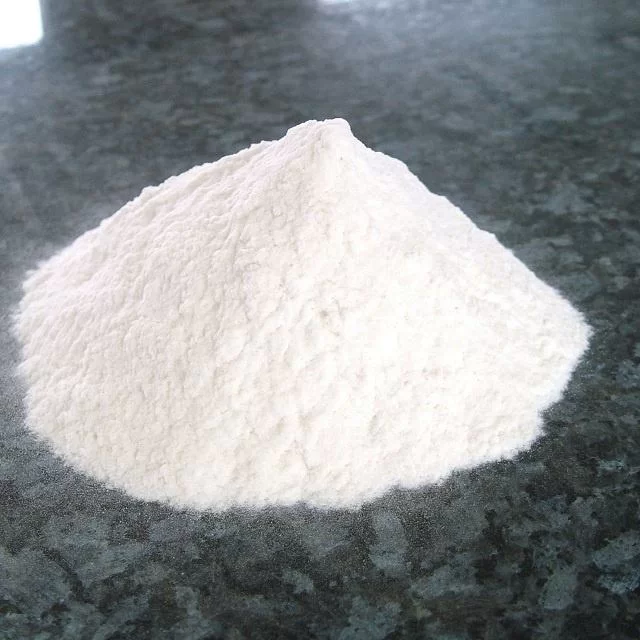
Hydroxy Methyl Cellulose (HPMC) is a versatile cellulose ether derivative widely used across diverse industries, from construction and pharmaceuticals to food and cosmetics. Its unique properties – thickening, binding, film-forming, and water retention – make it an invaluable ingredient in numerous applications. This article will provide a detailed overview of HPMC, exploring its properties, applications, grades, and benefits, and how Tianjin Jinhonghai Polymer Materials Co., Ltd delivers high-quality HPMC products to meet global demands. Understanding HPMC’s characteristics is crucial for optimizing product performance and achieving desired results.

HPMC is a non-ionic cellulose ether created by chemically modifying natural cellulose. This modification involves reacting cellulose with methyl chloride, introducing hydroxymethyl groups along the cellulose chain. This process imparts several valuable properties, including excellent water solubility, thickening ability, and thermal gelation. The degree of substitution (DS) – the average number of substituent groups per anhydroglucose unit – determines the specific characteristics of the HPMC grade. Different DS levels influence viscosity, gelation temperature, and solubility.
Key Highlights: HPMC is a non-ionic cellulose ether derived from natural cellulose, offering excellent water solubility, thickening, and thermal gelation properties. Its characteristics are influenced by the degree of substitution (DS).
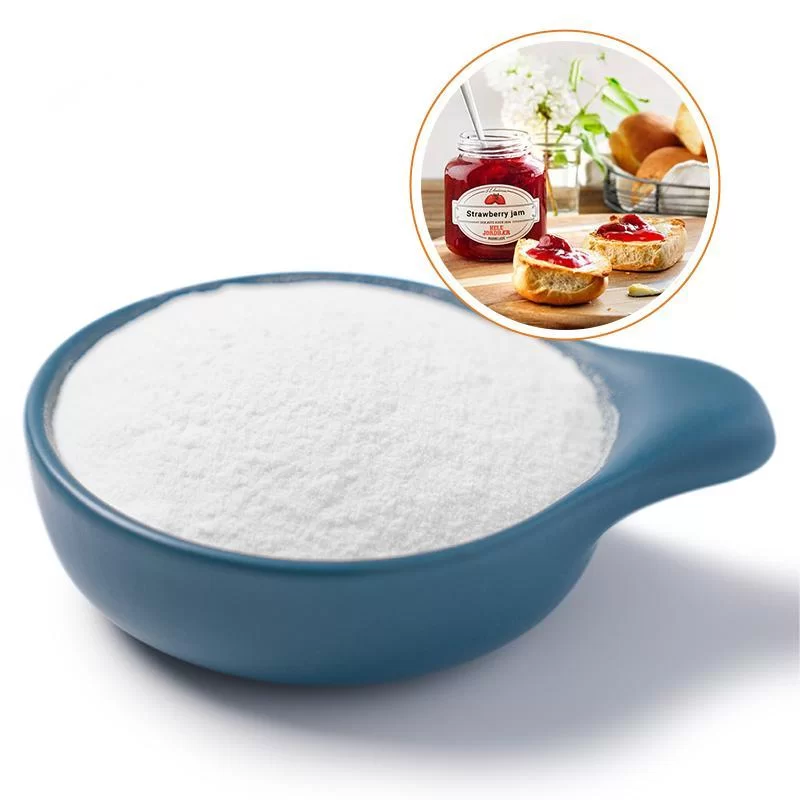
The versatility of HPMC leads to widespread use across various sectors. In construction, it’s a key component in cement-based materials, improving workability, water retention, and adhesion. Pharmaceuticals utilize HPMC as a binder, film-coating agent, and controlled-release matrix. In the food industry, it acts as a thickener, stabilizer, and emulsifier. Cosmetics leverage HPMC for its thickening and film-forming properties in creams, lotions, and shampoos. Its adaptability makes it a vital ingredient for enhancing product performance and quality across these diverse applications.
Key Application Areas:
• Construction: Cement mortars, tile adhesives
• Pharmaceuticals: Tablet coating, sustained-release formulations
• Food: Sauces, desserts, bakery products
• Cosmetics: Creams, lotions, shampoos
HPMC is available in a range of grades, categorized primarily by viscosity and degree of substitution. Viscosity, measured in milliPascal-seconds (mPa·s), dictates the thickening power of the HPMC. Higher viscosity grades create thicker solutions. The degree of substitution affects solubility and gelation temperature. Tianjin Jinhonghai Polymer Materials Co., Ltd offers a comprehensive range of HPMC grades to suit specific application requirements. Below is a sample specification table:
Tianjin Jinhonghai Polymer Materials Co., Ltd provides high-quality HPMC products characterized by consistent viscosity, excellent purity, and reliable performance. We offer tailored solutions to meet specific customer needs, backed by stringent quality control measures and efficient logistics. Our commitment to sustainable production practices ensures environmentally responsible sourcing and manufacturing. Partnering with us guarantees access to premium HPMC and exceptional technical support.
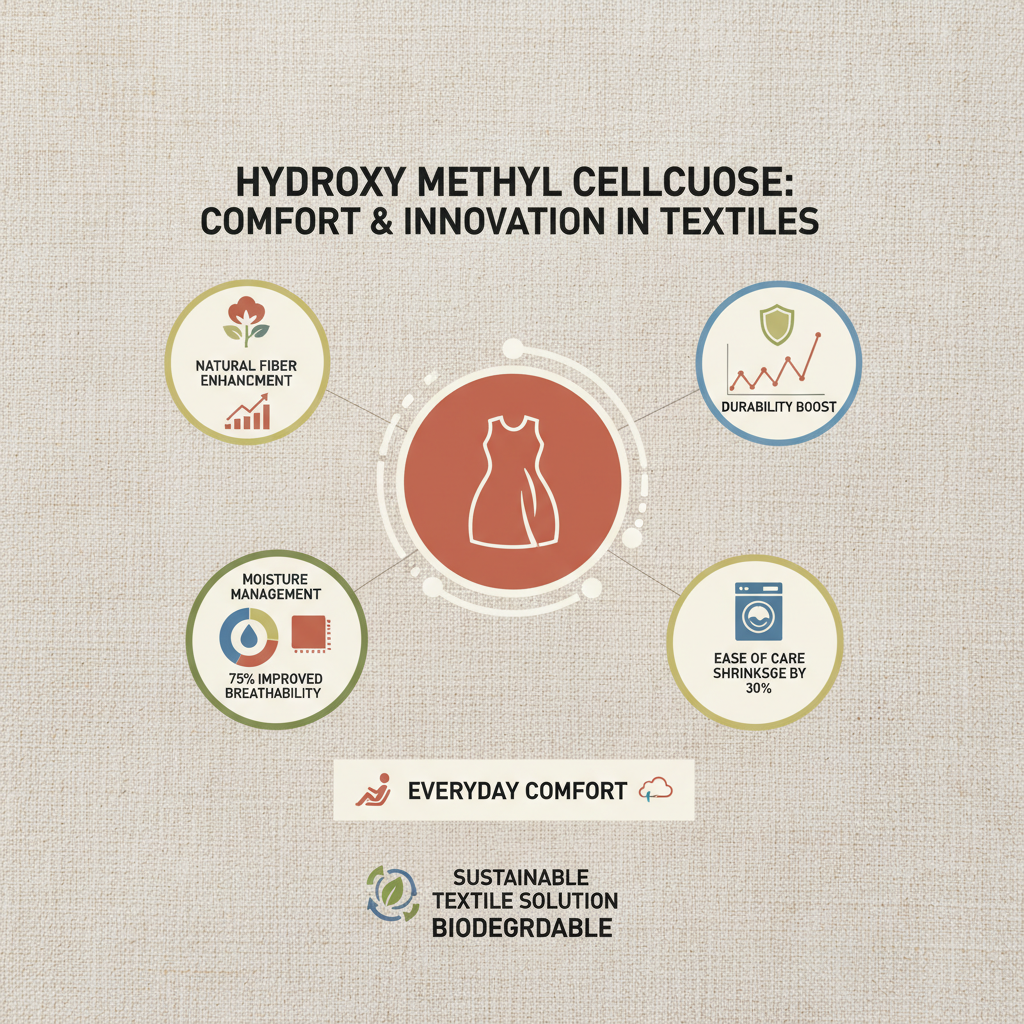
While several thickeners exist, HPMC distinguishes itself through its unique combination of properties. Compared to starch, HPMC offers superior thermal stability and resistance to enzymatic degradation. Unlike guar gum, HPMC provides clearer solutions with lower gelation tendencies. Compared to synthetic polymers, HPMC is derived from a renewable resource and is biodegradable. These advantages make HPMC the preferred choice for many applications requiring consistent performance and environmental responsibility.
Hydroxy Methyl Cellulose is a versatile and invaluable ingredient across a wide spectrum of industries. Tianjin Jinhonghai Polymer Materials Co., Ltd is dedicated to providing high-quality HPMC solutions tailored to your specific needs. Contact us today to learn how we can enhance your product performance and streamline your production process.
When stored properly in a cool, dry place, away from direct sunlight and moisture, HPMC typically has a shelf life of at least 2-3 years. It's crucial to keep the packaging sealed when not in use to prevent absorption of moisture, which can affect its viscosity and performance. Always refer to the product’s Certificate of Analysis (COA) for specific storage recommendations and expiration date.
Selecting the appropriate HPMC grade depends on several factors, including the desired viscosity, gelation temperature, and solubility. Consider the specific requirements of your formulation and consult with a technical expert. Tianjin Jinhonghai Polymer Materials Co., Ltd offers comprehensive technical support to help you choose the optimal HPMC grade for your application. Providing details about your product and desired characteristics will enable us to recommend the best solution.
Yes, HPMC is generally recognized as safe (GRAS) by regulatory agencies like the FDA for use in food and pharmaceutical applications. It is non-toxic and biocompatible. However, it’s essential to use HPMC that meets the required purity standards and complies with relevant regulations, such as USP/NF or EP, depending on the specific application and region. Tianjin Jinhonghai Polymer Materials Co., Ltd provides HPMC grades that meet these stringent quality standards.
Hit enter to search or ESC to close