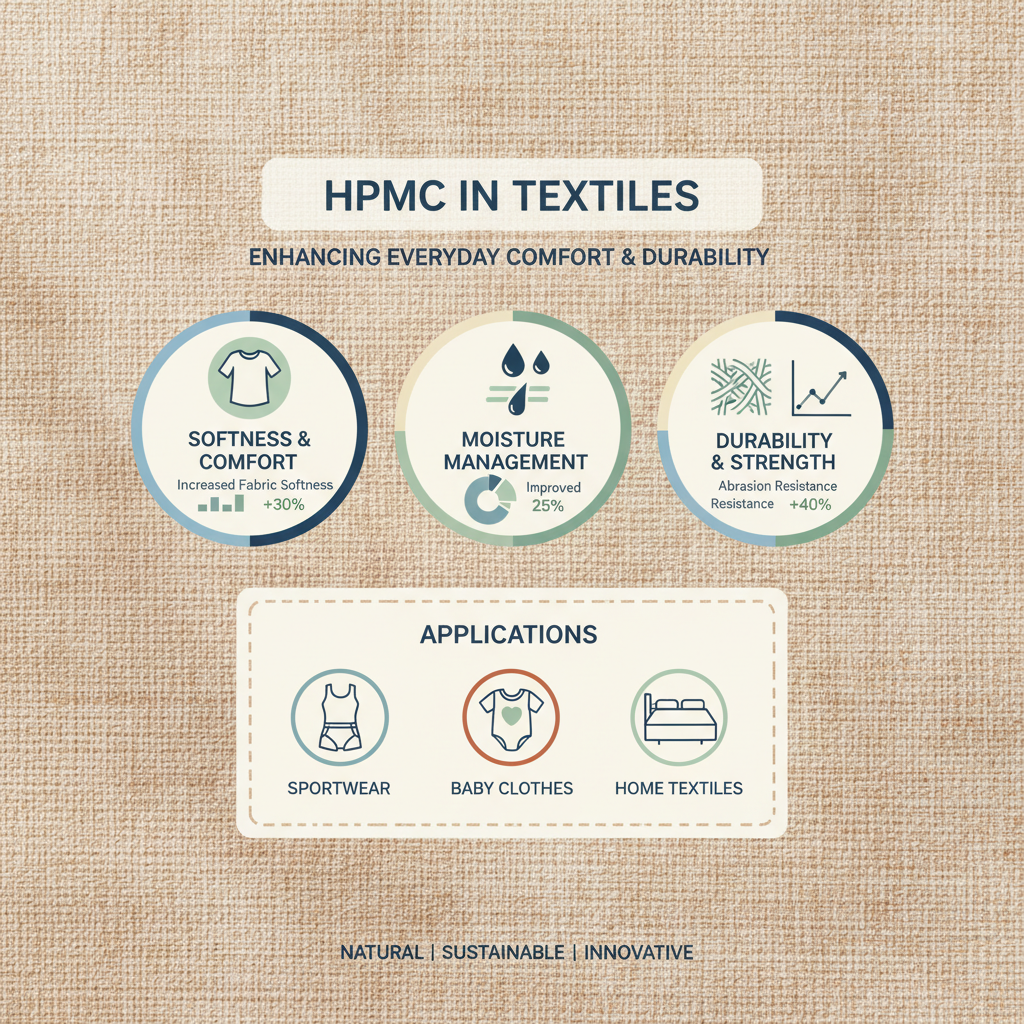
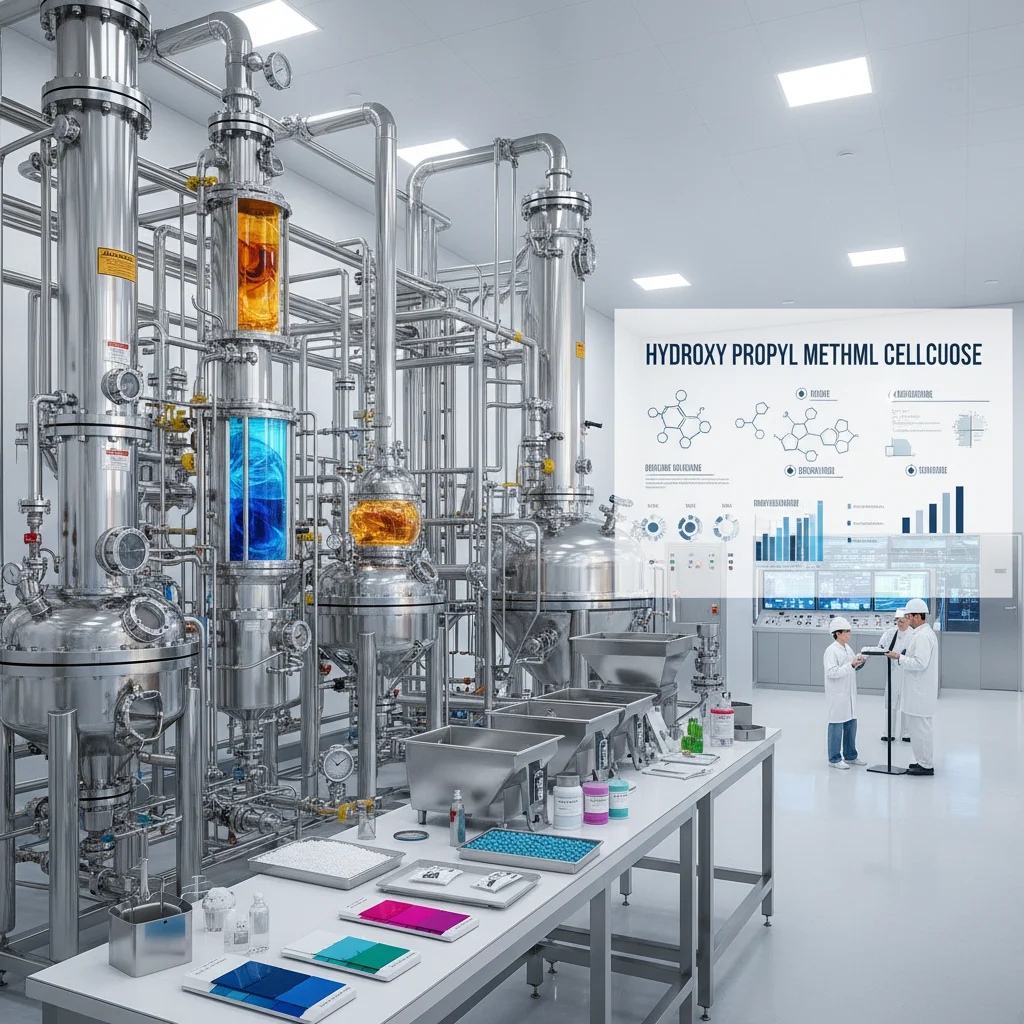
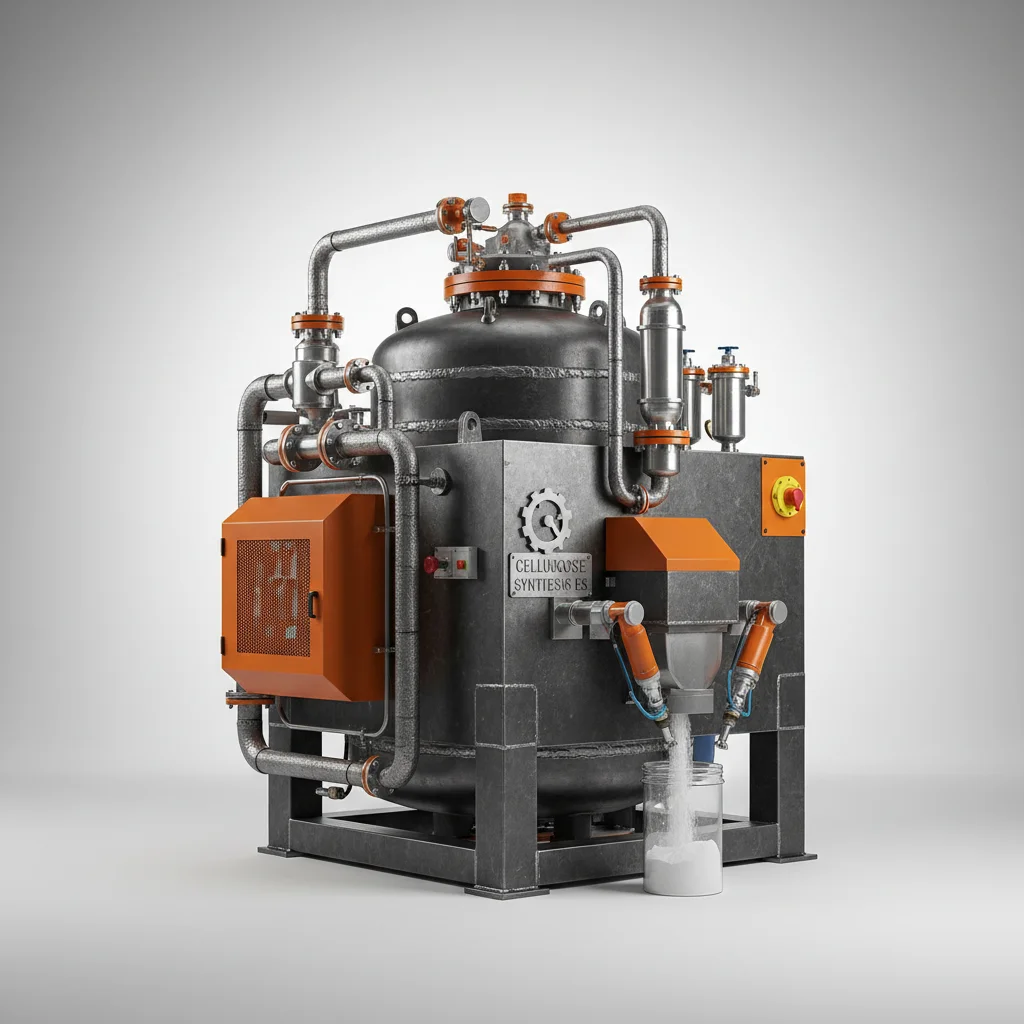
hidroxipropilmetilcelulosa hpmc – you hear that term thrown around a lot in construction, pharmaceuticals, even food. But after 20 years of tracking materials from the factory floor to real-world builds, I can tell you it’s much more than just a chemical name. It’s about reliability, consistency, and frankly, making my job easier. Knowing how this stuff behaves, its strengths and limitations, is what separates a smooth project from a costly headache. We’re talking about everything from the consistency of concrete to the stability of pharmaceutical coatings.
For too long, this industry relied on guesswork and often subpar substitutes. That's changing. There’s a growing demand for predictable performance, and hidroxipropilmetilcelulosa hpmc delivers. It's a game-changer, especially as we tackle increasingly complex projects with tighter margins and stricter regulations. The ability to control viscosity, water retention, and adhesion with precision isn't just a nice-to-have; it's becoming essential.
I’ve seen firsthand how inconsistent materials can derail schedules and blow budgets. HPMC offers a level of control we just didn’t have before, and that translates to real savings and reduced risk. It's not a silver bullet, mind you, but it’s a powerful tool in the toolbox.
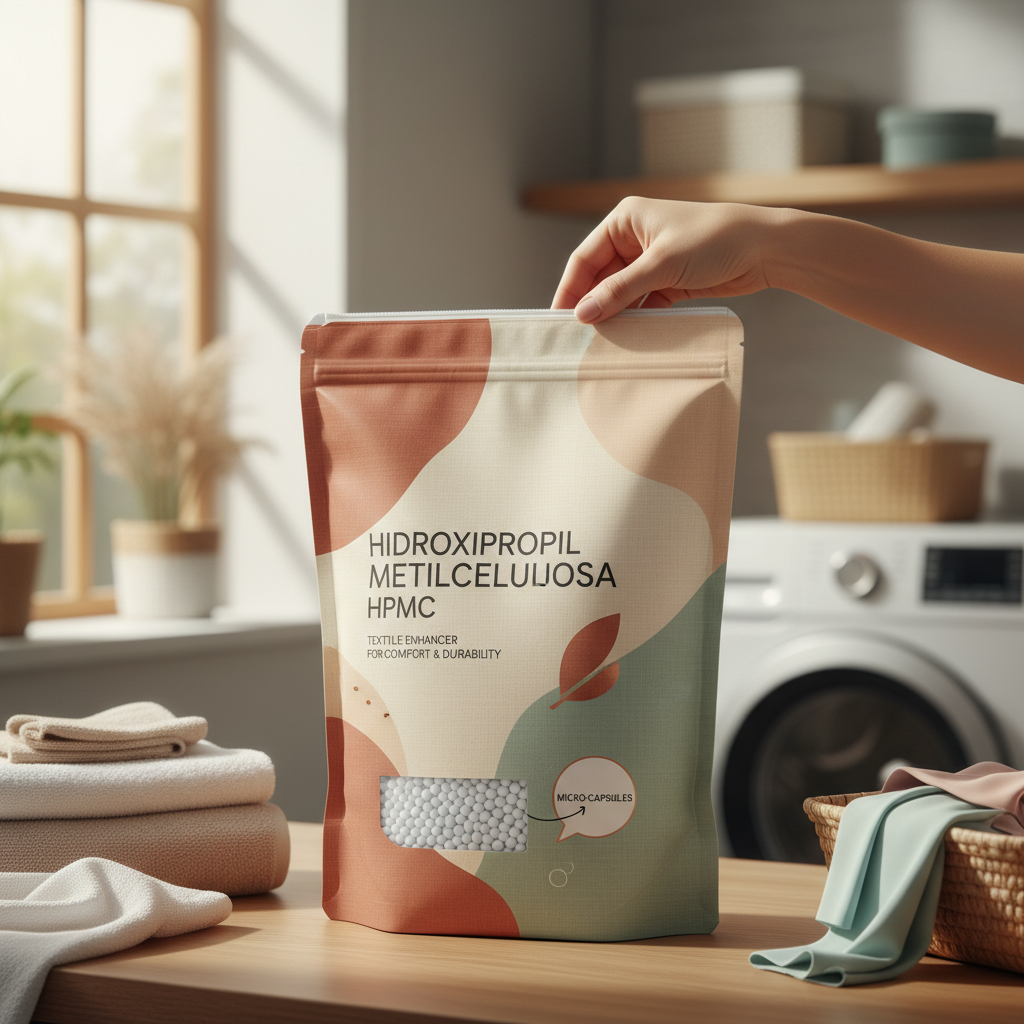
The Role of hidroxipropilmetilcelulosa hpmc in Modern Construction
Look, I spend my days troubleshooting on-site, and one of the biggest headaches is material inconsistency. HPMC changes that. It’s a cellulose ether – basically, a modified plant fiber – that acts as a thickener, binder, and water retainer. In concrete mixes, for instance, it reduces water demand while maintaining workability. This leads to stronger, more durable concrete. It's about building things right the first time, and frankly, reducing callbacks, which nobody wants.
The influence extends beyond concrete. It’s crucial in tile adhesives, self-leveling compounds, and even some exterior insulation finishing systems (EIFS). It's about creating materials that perform reliably in a variety of conditions. And let me tell you, a well-formulated HPMC-based system can make a huge difference in long-term performance and reduce maintenance costs.
Understanding hidroxipropilmetilcelulosa hpmc: A Deep Dive
hidroxipropilmetilcelulosa hpmc isn’t just one thing; it’s a family of polymers with varying properties. The degree of substitution – how much hydroxipropyl and methyl groups are attached to the cellulose chain – dictates its solubility, water retention, and thermal stability. Different grades are designed for specific applications. You wouldn't use the same HPMC for a pharmaceutical coating as you would for a cement-based render.
Understanding these nuances is critical. You need to know the viscosity range, the gelation temperature, and the compatibility with other ingredients in your formulation. It's easy to get burned by using a cheap substitute that doesn't meet the specifications. That’s where a reliable supplier and proper testing come in.
I've seen too many projects fall apart because someone skimped on the HPMC, opting for a lower-grade product that simply couldn’t handle the demands of the application. It’s a false economy.
Key Performance Characteristics of HPMC
The real power of HPMC lies in its versatility. It excels at several key areas. First, water retention. In cementitious materials, it prevents premature drying, allowing for proper hydration and strength development. Second, it provides excellent thickening, improving workability and preventing segregation. That’s essential for getting a smooth, consistent finish.
Third, it enhances adhesion, binding ingredients together and improving the overall durability of the material. Think about tile adhesives – without proper adhesion, you're looking at tiles falling off the wall. Fourth, it provides good film-forming properties, creating a protective barrier against environmental factors. And finally, it's relatively stable over a wide range of pH levels.
It’s a combination of these characteristics that makes HPMC such a valuable ingredient across so many industries. It's not just about one property; it’s the synergistic effect of all of them working together.
Global Applications and Industry Impact
We're not just talking about construction here. HPMC is ubiquitous. In pharmaceuticals, it's used as a film coating for tablets, controlling drug release and improving patient compliance. In the food industry, it's a stabilizer, thickener, and emulsifier in everything from ice cream to salad dressings.
In construction, the impact is massive. From the Americas and Europe to rapidly developing markets in Asia, HPMC is helping to build more durable and sustainable infrastructure. You see it being used in high-rise buildings, bridges, tunnels, and even residential homes. The demand is constantly growing, particularly in regions where construction activity is booming.
I've personally worked on projects in challenging climates – extreme heat, high humidity, even seismic zones – where HPMC played a critical role in ensuring the long-term integrity of the structures. It’s a global solution for a global industry.
HPMC Performance Across Application Types
Advantages and Long-Term Value Proposition
From a purely economic standpoint, using HPMC can significantly reduce costs. Less material waste, fewer callbacks, and improved durability all translate to savings. But it’s not just about the bottom line. There’s a sustainability aspect as well. By improving the performance of building materials, we can reduce the need for repairs and replacements, conserving resources and minimizing environmental impact.
It also provides peace of mind. Knowing that you're using a reliable, high-quality material gives you confidence in the longevity of your project. That confidence is invaluable, both for the contractor and the end user. It's about building structures that stand the test of time and contribute to a more sustainable future.
Future Trends and Innovations in HPMC Technology
The research and development around HPMC is ongoing. We’re seeing innovations in modified HPMC grades with enhanced properties, like improved thermal resistance and increased compatibility with other materials. There’s also a growing focus on bio-based HPMC, derived from sustainable sources.
And as the construction industry embraces digital technologies – like BIM and 3D printing – HPMC will play a crucial role in formulating materials that meet the demands of these new processes. It’s a constantly evolving field, and staying up-to-date with the latest advancements is essential.
I anticipate that we’ll see more customized HPMC solutions tailored to specific applications, addressing unique challenges and optimizing performance.
Challenges and Solutions in HPMC Implementation
One of the biggest challenges is ensuring proper dispersion. HPMC tends to clump, and if it’s not properly dispersed, you won’t get the full benefit of its properties. The solution? Careful mixing techniques and the use of appropriate dispersing agents. It’s a detail that often gets overlooked, but it can make a huge difference.
Another challenge is cost. While HPMC ultimately offers long-term value, the initial investment can be higher than some alternatives. But, I always remind people, cheap materials often lead to expensive problems down the road.
Finally, there's the issue of compatibility. HPMC doesn't play well with all ingredients. Proper formulation and testing are critical to ensure that it integrates seamlessly with the other components of your system.
Table Summarizing Common HPMC Challenges and Potential Solutions
| Challenge |
Root Cause |
Impact on Performance |
Proposed Solution |
| Poor Dispersion |
Clumping of HPMC particles |
Reduced thickening and water retention |
Use a dispersing agent and optimize mixing procedure |
| High Initial Cost |
HPMC is generally more expensive than some alternatives |
Hesitation to use in cost-sensitive projects |
Highlight long-term cost savings through durability and reduced maintenance |
| Incompatibility with Additives |
Certain additives can react negatively with HPMC |
Reduced effectiveness of HPMC and potential material instability |
Conduct thorough compatibility testing before formulation |
| Incorrect Grade Selection |
Using an HPMC grade not suited to the application |
Suboptimal performance and potential material failure |
Consult with a supplier to select the appropriate grade based on specific needs |
| Temperature Sensitivity |
HPMC properties can be affected by extreme temperatures |
Changes in viscosity and workability |
Consider thermal stability during storage and application |
| Limited Shelf Life |
HPMC can degrade over time with exposure to moisture |
Reduced performance and potential material instability |
Proper storage in a dry and cool environment |
FAQS
Honestly? Not dispersing it properly. People just dump it in the mix and expect it to work miracles. It clumps up, doesn't hydrate fully, and you lose all the benefits. You need a good dispersing agent and a thorough mixing process. It takes a little extra effort, but it’s worth it. We typically recommend a pre-mix with water before adding to the main batch.
Good question. Methylcellulose (MC) is cheaper, but less water-retentive and doesn't provide the same level of workability. Hydroxyethyl methylcellulose (HEMC) is more similar to HPMC, offering good water retention, but HPMC generally provides better thickening and adhesion. It really depends on the specific application. For most demanding construction applications, HPMC is the way to go.
You can end up with a mix that's too sticky and difficult to work with. It can also lead to excessive air entrainment and reduce the concrete's strength. It's always best to follow the manufacturer's recommendations and start with a lower dosage, then adjust as needed. Less is often more, especially when you’re first experimenting with it.
It can, slightly. Generally, HPMC tends to slow down the initial set, which can be beneficial in hot weather to prevent flash setting. However, it doesn't significantly affect the ultimate strength development. It's important to consider this when planning your schedule, especially if you're working in variable temperatures.
Absolutely! HPMC is a crucial component in self-leveling compounds. It provides the necessary viscosity to prevent segregation and ensures a smooth, even surface. It also helps to control the water release, preventing cracking and shrinkage. You’ll often find specific grades of HPMC formulated specifically for this application.
Moisture is the enemy. Store HPMC in a cool, dry place in its original, sealed packaging. Exposure to humidity can cause it to clump and degrade, reducing its effectiveness. Proper storage is a simple step that can save you a lot of headaches down the line. Ideally, keep it in a climate-controlled environment.
Conclusion
hidroxipropilmetilcelulosa hpmc isn’t just a product; it’s a solution. It’s a tool that, when used correctly, can dramatically improve the quality, durability, and sustainability of construction projects. From enhancing concrete performance to providing essential properties in pharmaceuticals and food, its versatility is undeniable. The key is understanding its nuances and applying it thoughtfully.
I’ve seen a lot of materials come and go over the years, but HPMC has consistently proven its value. It’s an investment that pays off in the long run, and as the industry continues to evolve, I expect its importance to only grow. If you're looking for a reliable way to improve your projects, I highly recommend taking a closer look at what HPMC can offer. Visit our website at hidroxipropilmetilcelulosa hpmc to learn more.