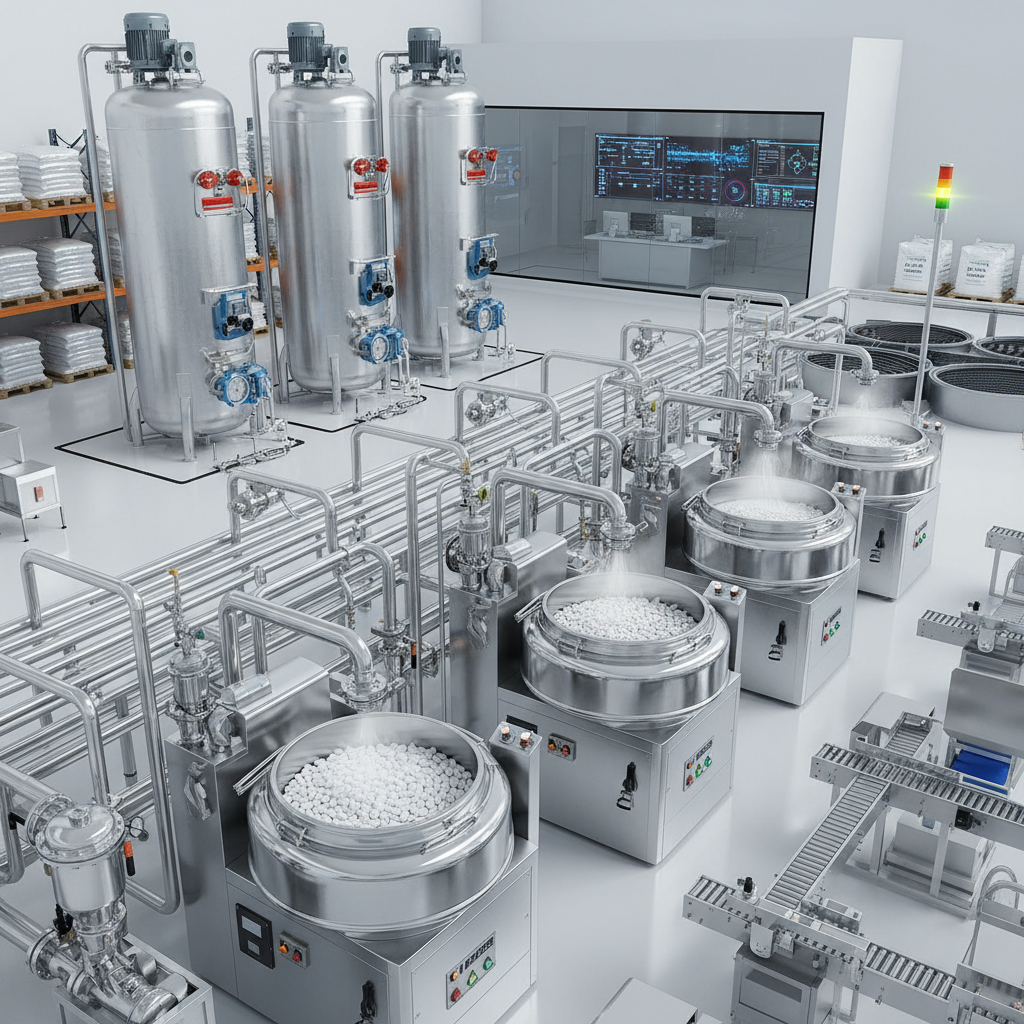
In the sophisticated world of specialty chemical manufacturing, the application of hpmc coating has emerged as a pivotal technology for enhancing product stability and performance. By leveraging the unique properties of Hydroxypropyl Methylcellulose, industries can create a protective barrier that regulates permeability and improves the structural integrity of various substrates. Understanding the nuances of this coating process is essential for manufacturers aiming to achieve high-precision results in pharmaceutical, construction, and food-grade applications.
The global shift toward sustainable and biocompatible materials has placed hpmc coating at the forefront of material science. As regulatory bodies like ISO and various health organizations tighten standards for additive safety, the demand for non-toxic, cellulose-based coatings has spiked. This trend is not merely about compliance but about optimizing the delivery and longevity of the end product, ensuring that chemical properties remain intact throughout the product's lifecycle.
For procurement managers and chemical engineers, mastering the implementation of hpmc coating means balancing viscosity, adherence, and cost-efficiency. Whether it is used for enteric coating in medicine or as a binder in specialized industrial polymers, the versatility of HPMC ensures a scalable solution. This comprehensive guide explores the technical depths and commercial advantages of utilizing HPMC-based coatings in modern manufacturing.
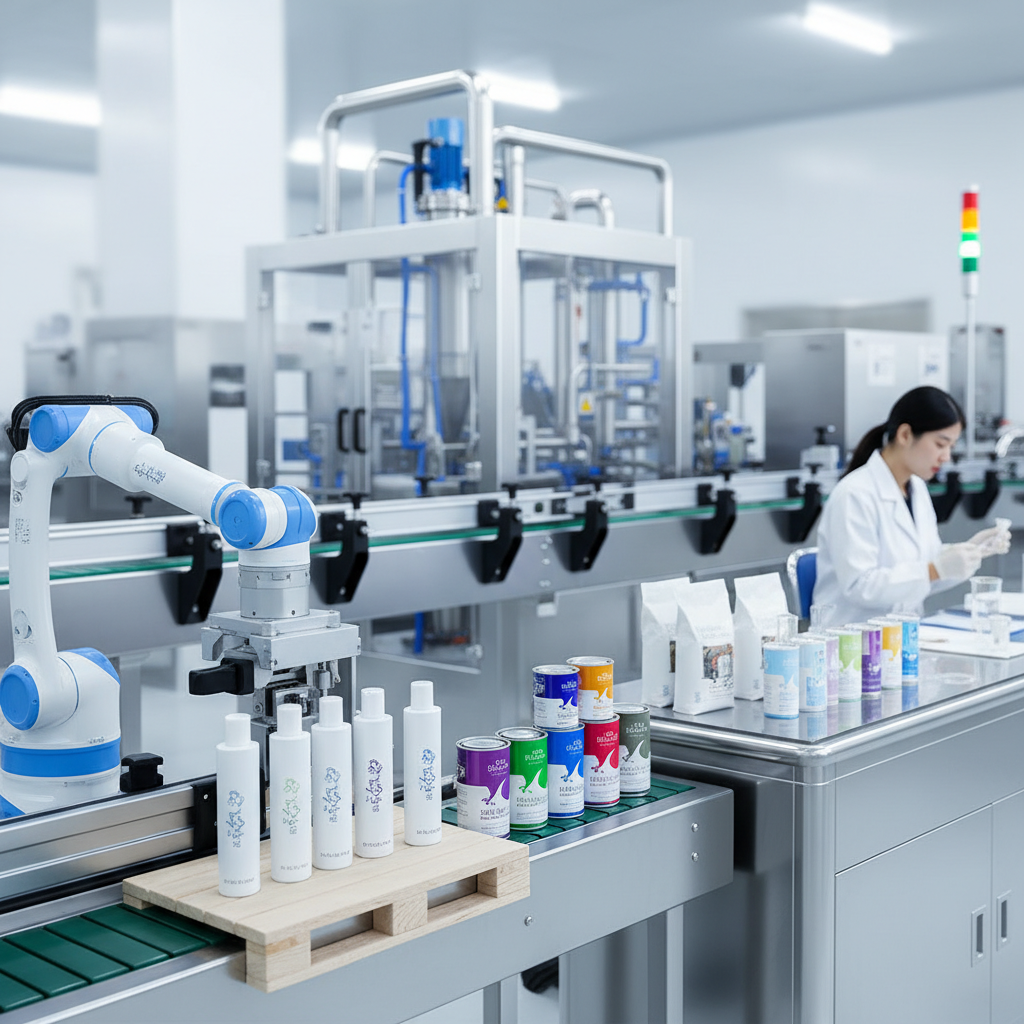
Global Industry Context of HPMC Coating
The global chemical market has seen a significant transition toward "green chemistry," where the focus is on reducing volatile organic compounds (VOCs). Within this framework, hpmc coating serves as a critical water-soluble alternative to solvent-based systems. As industrial production scales up in Asia and North America, the ability to apply a stable, non-toxic film becomes a competitive advantage for manufacturers.
Current market data suggests a steady CAGR increase in the demand for HPMC derivatives, driven by the pharmaceutical and construction sectors. The challenge often lies in achieving uniform thickness and adhesion across diverse substrates; however, advancements in spray-coating technology have mitigated these issues, making hpmc coating a gold standard for precision encapsulation and surface protection.
Defining the Mechanics of HPMC Coating
At its core, hpmc coating is the process of applying a thin layer of Hydroxypropyl Methylcellulose—a cellulose ether derived from natural polymers—onto a surface. This layer acts as a semi-permeable membrane, providing a barrier against moisture, oxygen, and external contaminants while allowing for controlled release or dissolution depending on the environmental triggers.
Unlike synthetic polymers, the chemistry of an HPMC film is based on a modified cellulose backbone, which ensures high biocompatibility and biodegradability. This makes it indispensable for humanitarian needs, such as the production of affordable, high-stability generic medicines in developing regions where temperature and humidity control during transport are often unreliable.
The "coating" aspect involves dissolving HPMC in a solvent (usually water) to create a viscosity-controlled solution, which is then applied via spraying, dipping, or casting. Once the solvent evaporates, a clear, robust, and flexible film remains, effectively locking in the internal properties of the product while presenting a smooth, professional finish to the exterior.
Core Components for Coating Success
To achieve a high-performance hpmc coating, the first critical factor is Viscosity Control. The molecular weight of the HPMC used determines the thickness of the film and the ease of application; a viscosity that is too high leads to clumps, while one too low results in an insufficient protective barrier.
Another essential component is Plasticizer Integration. While HPMC provides the structure, adding small amounts of plasticizers ensures that the hpmc coating remains flexible and does not crack under thermal expansion or mechanical stress, which is vital for products undergoing rigorous shipping cycles.
Finally, Thermal Stability and Adhesion Strength must be optimized. The coating must bond chemically or mechanically to the substrate to prevent peeling. By adjusting the substitution levels of the hydroxypropyl and methyl groups, manufacturers can fine-tune how the coating reacts to heat and how strongly it grips the target surface.
Performance Metrics and Efficiency Analysis
Evaluating the efficacy of an hpmc coating requires a data-driven approach, focusing on parameters such as dissolution rate, film thickness, and tensile strength. When compared to traditional CMC or synthetic coatings, HPMC often provides a superior balance of transparency and barrier protection, making it the preferred choice for high-end specialty chemicals.
The efficiency of the application process is typically measured by the "waste-to-yield" ratio. Modern automated sprayers have significantly reduced the amount of overspray, ensuring that the hpmc coating is applied with micron-level precision, thereby reducing raw material costs while increasing product consistency.
Performance Comparison of HPMC Coating Methods
Global Applications and Real-World Use Cases
In the pharmaceutical industry, hpmc coating is extensively used for taste-masking and controlled-release tablets. By adjusting the coating thickness, manufacturers can ensure that a drug is released only when it reaches the specific pH environment of the intestines, which is crucial for medications that would be degraded by stomach acid.
Beyond medicine, the construction sector utilizes HPMC in specialized wall coatings and tile adhesives. In remote industrial zones or high-humidity regions like Southeast Asia, an hpmc coating prevents premature drying (water retention) and improves the workability of the material, ensuring that infrastructure is built to last despite harsh environmental conditions.
Long-Term Value and Sustainability Benefits
The long-term value of adopting hpmc coating lies in its ability to extend the shelf life of products without relying on harmful preservatives. From a logical perspective, this reduces the frequency of product recalls and waste, directly impacting the bottom line of the manufacturer while enhancing the trust of the end consumer.
Sustainability is no longer optional; it is a regulatory requirement. Because HPMC is derived from cellulose (a renewable resource), it significantly lowers the carbon footprint of the coating process compared to petroleum-based polymers. This alignment with "green" goals allows companies to secure certifications and enter markets with strict environmental mandates.
Moreover, the emotional value of safety and dignity is paramount in healthcare. A smooth, easy-to-swallow tablet coated with hpmc coating improves patient compliance and comfort, proving that technical specifications can lead to tangible improvements in human quality of life.
Future Innovations in Cellulose Coating Tech
The future of hpmc coating is leaning toward "smart coatings." Researchers are currently developing HPMC blends that can react to specific bio-markers or environmental temperatures, triggering the release of an active ingredient only when a specific condition is met. This level of automation at the molecular level will revolutionize precision medicine and targeted industrial lubrication.
Digital transformation is also playing a role, with AI-driven viscosity sensors now being integrated into the coating line. These systems can adjust the hpmc coating solution in real-time, correcting for humidity and temperature fluctuations in the factory, which ensures 100% consistency across millions of units.
As we move toward a circular economy, the focus is shifting toward fully biodegradable coating systems that leave zero microplastics behind. The integration of HPMC with other natural polymers like CMC is creating hybrid coatings that offer the strength of synthetics with the eco-profile of plants.
Comparative Analysis of HPMC Coating Performance across Different Industrial Grades
| Grade Type |
Barrier Strength (1-10) |
Dissolution Speed |
Eco-Impact Score |
| Pharma-Pure Grade |
9 |
Controlled/Slow |
10 |
| Industrial-Heavy Grade |
8 |
Very Slow |
8 |
| Food-Safe Grade |
6 |
Fast |
10 |
| Construction Grade |
7 |
Medium |
9 |
| Cosmetic Grade |
5 |
Rapid |
10 |
| Specialty Hybrid Grade |
10 |
Programmable |
9 |
FAQS
HPMC coating is superior primarily due to its biocompatibility, non-toxicity, and environmental sustainability. Unlike synthetic polymers, it is derived from natural cellulose, making it safe for human consumption and biodegradable. Additionally, it offers excellent film-forming properties and superior water-retention capabilities, which are critical in pharmaceutical and construction applications.
Viscosity is the primary determinant of film thickness and uniformity. If the viscosity is too low, the coating may be too thin to provide an effective barrier, leading to product instability. Conversely, excessive viscosity can cause "orange peeling" or uneven clumps on the surface. Precision tuning of the viscosity ensures a smooth, professional, and functional finish.
Yes, HPMC is widely used for this purpose. By manipulating the degree of substitution and the thickness of the hpmc coating, manufacturers can control the rate at which water penetrates the core, thereby delaying the release of the active ingredient until it reaches a specific part of the gastrointestinal tract.
Absolutely. While the raw material cost may vary, the reduction in waste through water-based application and the elimination of expensive solvent-recovery systems make it highly cost-effective. Furthermore, the increased product shelf-life and reduced failure rates provide significant long-term financial advantages.
Cracking is usually a result of internal stress during the drying process or a lack of flexibility. This can be solved by incorporating a compatible plasticizer (such as polyethylene glycol) into the hpmc coating solution. This increases the elasticity of the film, allowing it to expand and contract without fracturing.
HPMC solutions should be stored in airtight containers to prevent evaporation, which would increase viscosity and lead to inconsistency. It is recommended to keep them in a cool, dry environment away from direct sunlight to maintain the chemical stability of the cellulose ether and prevent microbial growth.
Conclusion
In summary, hpmc coating represents a sophisticated intersection of natural polymer chemistry and industrial precision. By optimizing factors such as viscosity, plasticization, and application method, manufacturers can achieve an unparalleled level of product protection, stability, and sustainability. From life-saving pharmaceuticals to durable construction materials, the versatility of HPMC ensures that it remains a cornerstone of specialty chemical manufacturing.
Looking forward, the integration of smart-responsive materials and AI-driven application processes will only further enhance the value of cellulose-based coatings. We encourage industry professionals to transition toward these eco-friendly, high-performance solutions to stay competitive in an increasingly regulated global market. For more technical specifications and premium HPMC products, visit our website: www.tjhpmc.com