

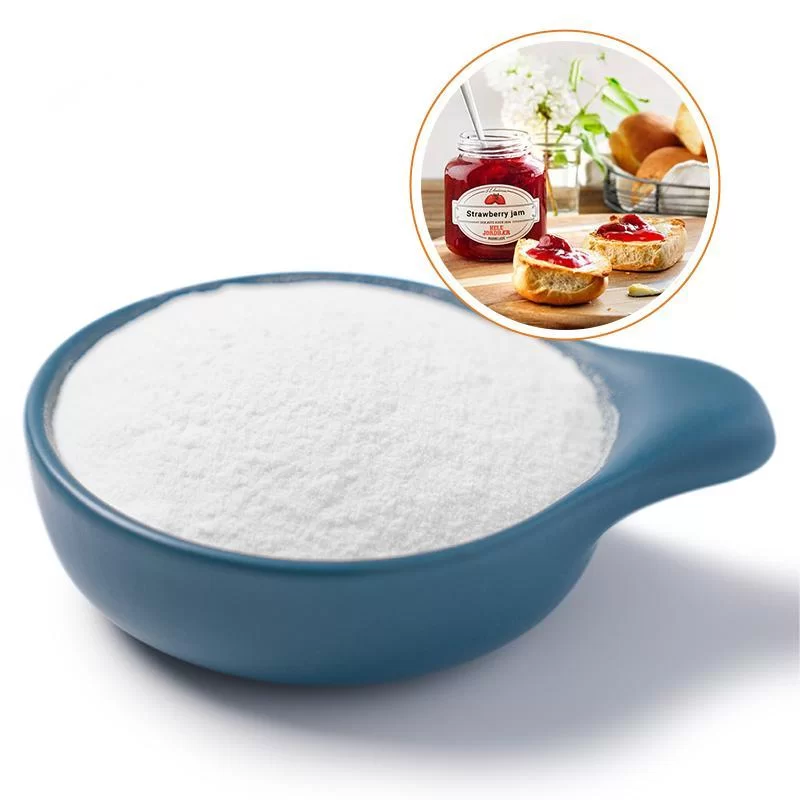
Hydroxypropyl Methylcellulose Powder Solutions for Brazilian Industries

  • Home
  • Global Service
  • Hydroxypropyl Methylcellulose Powder Solutions for Brazilian Industries

Hydroxypropyl Methylcellulose Powder Solutions for Brazilian Industries

Providing high-quality hydroxypropyl methylcellulose powder, hpmc, cmc, carboxy methyl cellulose sodium salt, and carboxy methyl cellulose powder to enhance your products.

Hydroxypropyl Methylcellulose Powder Solutions for Brazilian Industries

Offering a comprehensive range of cellulose ethers tailored for diverse applications in the Brazilian market, ensuring optimal performance and cost-effectiveness.

Current State of the Cellulose Ether Market in Brazil

An overview of the opportunities and challenges facing the industry in South America’s largest economy.

Brazil represents a significant and growing market for cmc and hpmc, driven by expanding construction, pharmaceutical, food, and personal care sectors. The country’s vast geographical size and diverse climate create unique demands for specialized polymer solutions. Currently, a significant portion of cellulose ethers is imported, creating opportunities for local manufacturers and reliable suppliers.

The Brazilian market is characterized by a strong emphasis on sustainability and environmentally friendly products. Increasing consumer awareness and stricter regulations are driving demand for bio-based and biodegradable polymers. This trend favors cellulose ethers, as they are derived from renewable sources and offer excellent performance characteristics.

Economic fluctuations and logistical challenges related to infrastructure and transportation can impact the market. However, ongoing investments in infrastructure and the growth of key end-use industries are expected to sustain demand for carboxy methyl cellulose sodium salt and hydroxypropyl methylcellulose powder in the long term.

Historical Development and Evolution of Cellulose Ether Technology

Tracing the advancements from traditional applications to modern, high-performance solutions.

Market Development History

The use of cellulose derivatives dates back to the early 20th century, initially focusing on nitrocellulose for explosives and cellulose acetate for textiles. The development of cmc in the 1920s opened up applications in food, pharmaceuticals, and textiles. Post-WWII saw increased production and diversification of cellulose ether grades.

In the 1950s and 60s, hpmc emerged as a crucial polymer for construction, improving workability and water retention in cement-based materials. The development of different substitution patterns allowed for tailored properties to meet specific application requirements. The 1980s saw a rise in pharmaceutical applications, benefiting from the biocompatibility and controlled-release properties of cellulose ethers.

The 21st century witnessed a shift towards sustainable and environmentally friendly polymers. Research focused on optimizing production processes and developing modified cellulose ethers with enhanced functionality. Demand for specialized grades for niche applications like 3D printing and advanced drug delivery systems drove innovation.

Future Development Trends

Enhanced Polymer Functionality

Future innovations will focus on creating cellulose ethers with improved rheological properties, thermal stability, and biocompatibility. This includes exploring novel modification techniques and copolymerization strategies.

Sustainable Production Methods

Developing environmentally friendly production processes, reducing waste, and utilizing renewable feedstocks will be key drivers. This aligns with the growing demand for sustainable materials in Brazil and globally.

Smart and Responsive Polymers

Research into stimuli-responsive cellulose ethers that can adapt to changing environmental conditions (temperature, pH, light) holds significant promise for applications in drug delivery, sensors, and coatings.

Industry Trends and Future Outlook for Cellulose Ethers in Brazil

A forecast of the key drivers, challenges, and opportunities in the Brazilian market.

Growing Construction Sector
Brazil’s ongoing infrastructure projects and residential construction boom will drive demand for hpmc in cement-based materials and tile adhesives.
Expanding Pharmaceutical Industry
The growth of Brazil’s pharmaceutical sector will fuel demand for hpmc and cmc as excipients in drug formulations and controlled-release systems.
Increasing Demand for Food Additives
Brazil's large food processing industry drives demand for cmc as a thickener, stabilizer, and emulsifier in various food products.
Focus on Sustainable Solutions
Growing consumer and regulatory pressure for sustainable products will favor cellulose ethers due to their renewable origin and biodegradability.

Industry Outlook

The Brazilian cellulose ether market is projected to experience steady growth over the next 5-7 years, driven by the aforementioned factors. Increasing investments in infrastructure, the expanding middle class, and a growing focus on sustainability will create significant opportunities for suppliers.

Challenges include price volatility of raw materials, competition from imports, and the need for continuous innovation to meet evolving customer demands. Companies that can offer high-quality products, reliable supply chains, and customized solutions will be well-positioned to succeed in this dynamic market.

Local Application Scenarios in Brazil

Real-world examples of how cellulose ethers are utilized across diverse industries in Brazil.

1. Construction Industry - Tile Adhesives

Brazilian tile adhesive manufacturers utilize hpmc to improve workability, adhesion strength, and water retention, ensuring durable and long-lasting tile installations in the country’s hot and humid climate.

2. Pharmaceutical Industry - Tablet Coatings

Pharmaceutical companies in Brazil employ hpmc as a film-coating agent for tablets, providing controlled release of medication and enhancing patient compliance.

3. Food Industry - Ice Cream Production

Brazilian ice cream producers use cmc as a stabilizer and thickening agent, improving texture, preventing ice crystal formation, and extending shelf life.

4. Personal Care Industry - Shampoos and Conditioners

Cosmetic manufacturers in Brazil incorporate cmc in shampoos and conditioners to enhance viscosity, improve foam stability, and provide a pleasant sensory experience for consumers.

5. Paint and Coating Industry - Water-Based Paints

Brazilian paint manufacturers utilize hpmc as a rheology modifier in water-based paints, improving application properties, pigment suspension, and film formation.

Brand Story

Tangjin Technology (Hebei) Co., Ltd.’s global development journey.

Foundational Commitment to Quality

Established in Hebei Province, Tangjin Technology started with a core commitment to providing high-quality cellulose ethers, catering to diverse industrial needs.

Expansion into International Markets

Recognizing global demand, Tangjin Technology expanded its reach into key international markets, including South America, providing tailored solutions to local industries.

Focus on Sustainable Production

Tangjin Technology adopted sustainable production practices, minimizing environmental impact and offering eco-friendly cellulose ether solutions.

Innovation and Customization

Investing in research and development, Tangjin Technology provides customized cellulose ether formulations to meet the unique requirements of each customer.

Building Long-Term Partnerships

Tangjin Technology is dedicated to building strong, long-term partnerships with clients, based on trust, reliability, and mutual success.

Complete Product Portfolio for the Brazilian Market

A wide range of cellulose ethers to cater to diverse industrial applications in Brazil.

Frequently Asked Questions - Brazilian Market

Addressing common inquiries related to cellulose ethers in Brazil.

What is the typical lead time for delivery of hpmc to Brazil?

Typical lead times vary based on order volume and destination within Brazil. Generally, expect 4-6 weeks for sea freight and 7-10 days for air freight.

Do you offer technical support for formulating with cmc in food applications?

Yes, our team of experienced chemists and food scientists provides comprehensive technical support, including formulation assistance and troubleshooting.

What is the shelf life of your carboxy methyl cellulose sodium salt products?

Our cellulose ethers have a shelf life of 3 years when stored in a cool, dry place, away from direct sunlight and moisture.

Can you provide documentation to meet Brazilian regulatory requirements for pharmaceutical applications?

Yes, we offer comprehensive documentation, including Certificates of Analysis, Material Safety Data Sheets, and regulatory compliance statements to meet Brazilian pharmaceutical regulations.

What are the minimum order quantities for hydroxypropyl methylcellulose powder to Brazil?

Minimum order quantities vary depending on the specific grade and packaging requirements. Please contact our sales team for a customized quote.

Do you offer customized particle size distributions for cmc tailored to specific applications?

Yes, we can customize particle size distributions to meet specific application requirements. Our R&D team works closely with clients to develop tailored solutions.

Get in Touch with Us

Partner with Tangjin Technology for reliable cellulose ether solutions in South America - Brazil.

Contact Us Now

If you are interested in our products, you can choose to leave your information here, and we will be in touch with you shortly.