

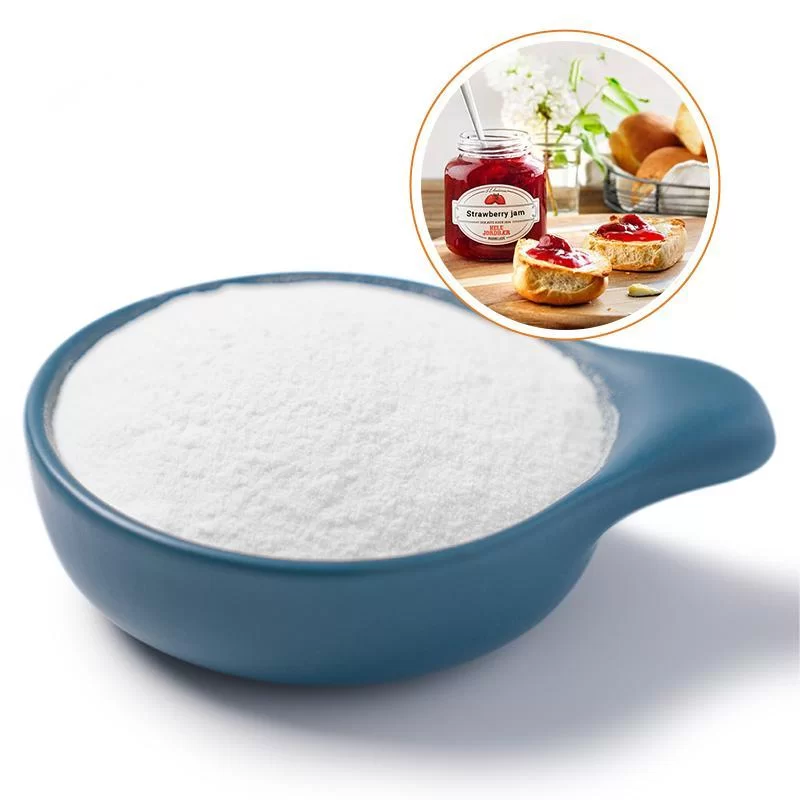
Hydroxypropyl Methylcellulose Powder Solutions for Cambodia

Hydroxypropyl Methylcellulose Powder Solutions for Cambodia

Premium HPMC, CMC, and Carboxy Methyl Cellulose Sodium Salt for Diverse Industrial Applications in Cambodia.

Hydroxypropyl Methylcellulose Powder Solutions for Cambodia

Providing high-quality hydroxypropyl methylcellulose powder, hpmc, cmc, carboxy methyl cellulose sodium salt, and carboxy methyl cellulose powder to meet the growing demands of Cambodian industries.

Current Market Status of Cellulose Ethers in Cambodia

An Overview of the Demand and Supply Landscape.

Cambodia's manufacturing sector, particularly construction, pharmaceuticals, food processing, and textiles, is experiencing steady growth. This growth fuels the demand for specialized chemical products like carboxy methyl cellulose powder and hpmc. Currently, a significant portion of these chemicals are imported, mainly from China, Thailand, and Vietnam. However, increasing awareness of quality and performance is driving demand for higher-grade products.

The Cambodian climate, characterized by high humidity and distinct wet and dry seasons, presents specific challenges for materials used in construction and other industries. This necessitates the use of cellulose ethers like cmc to enhance workability, water retention, and adhesion properties. Local manufacturers are becoming more receptive to adopting these solutions.

Limited local production capacity and a reliance on imports pose challenges for the Cambodian market. Supply chain disruptions, fluctuations in raw material prices, and currency exchange rates can also impact availability and cost. However, the government’s focus on attracting foreign investment and promoting industrial development provides a positive outlook for the future.

Evolution of Cellulose Ether Technology in Cambodia

Tracing the Journey from Traditional Methods to Modern Applications.

Market Development History

In the early 2000s, the use of cellulose ethers in Cambodia was limited, primarily confined to basic applications in the textile industry as a sizing agent. The construction sector largely relied on traditional materials and methods, with limited adoption of modern admixtures like hydroxypropyl methylcellulose powder.

Between 2010 and 2015, the growth of the construction industry and increased foreign investment spurred the demand for higher-quality construction materials. This led to the gradual introduction of advanced concrete admixtures, including HPMC-based products, to improve the performance and durability of concrete structures. Simultaneously, the pharmaceutical and food industries began exploring the use of cmc as a stabilizer, thickener, and emulsifier.

From 2016 to the present, the market has witnessed a greater awareness of the benefits of cellulose ethers, coupled with increased availability of products from regional suppliers. The focus has shifted towards customized solutions tailored to specific applications, driven by the growing sophistication of Cambodian industries.

Future Development Trends

Enhanced Performance and Sustainability

Future trends point towards a greater demand for cellulose ethers with enhanced performance characteristics, such as improved water retention, thickening efficiency, and thermal stability. Sustainable and eco-friendly formulations will also gain prominence, aligning with global environmental standards.

Application-Specific Solutions

Manufacturers will increasingly focus on developing application-specific solutions tailored to the unique needs of different industries in Cambodia. This will involve offering customized blends and grades of hpmc and cmc to optimize performance in specific formulations.

Digitalization and Technical Support

Digitalization will play a key role in the future of the cellulose ether market in Cambodia, with online platforms and technical support services becoming more prevalent. This will enable customers to access information, receive expert advice, and streamline the procurement process.

Industry Trends and Future Prospects in Cambodia

Analyzing the Key Drivers and Opportunities for Growth.

Growing Construction Sector
The booming construction industry in Cambodia, driven by infrastructure development and real estate investments, is a key driver for hpmc demand.
Expanding Food Processing Industry
The growing food processing sector requires cmc as a stabilizer, thickener, and emulsifier in various food products.
Pharmaceutical Industry Growth
The developing pharmaceutical sector utilizes hpmc and cmc as binders, disintegrants, and controlled-release agents in drug formulations.
Textile Industry Applications
Continued use of carboxy methyl cellulose sodium salt in textile sizing and finishing processes.

Industry Outlook

The future for cellulose ether demand in Cambodia looks promising, driven by sustained economic growth, infrastructure development, and the diversification of the manufacturing sector. Strategic partnerships, technology transfer, and investments in local production capacity will be crucial for realizing the full potential of this market.

Over the next 3-5 years, the demand for specialized cellulose ether solutions will increase, requiring suppliers to offer customized products and technical support. Adopting sustainable practices and focusing on eco-friendly formulations will also be essential for long-term success.

Localized Application Scenarios in Cambodia

Real-World Applications Tailored to Cambodian Industries.

1. Concrete Admixture for Infrastructure Projects

HPMC is used as a water retention agent and thickener in concrete mixes for major infrastructure projects, such as road construction and bridge building, improving workability and reducing cracking in the hot and humid Cambodian climate.

2. Pharmaceutical Tablet Binding

CMC is employed as a binder and disintegrant in the production of pharmaceutical tablets by local manufacturers, ensuring consistent dosage and drug release characteristics.

3. Food Thickening and Stabilization

CMC is utilized as a thickener, stabilizer, and emulsifier in the production of various food products, including sauces, beverages, and desserts, by Cambodian food processing companies.

4. Textile Sizing Agent for Garment Manufacturing

Carboxy methyl cellulose sodium salt serves as a sizing agent in the textile industry, enhancing the strength and smoothness of yarns during weaving and contributing to the production of high-quality garments for export.

5. Tile Adhesive Enhancement

HPMC is added to tile adhesives to improve adhesion, water retention, and workability, ensuring durable and long-lasting installations in Cambodian homes and buildings.

Brand Story

Tangjin Technology (Hebei) Co., Ltd.'s Global Development Journey

Commitment to Quality and Innovation

Established in Hebei Province, China, Tangjin Technology is dedicated to the research, development, and production of high-quality cellulose ethers.

Global Expansion and Partnerships

We have expanded our reach globally, building strong partnerships with distributors and customers in key markets around the world, including Cambodia.

Customer-Centric Approach

Our focus is on providing tailored solutions to meet the unique needs of our customers, backed by expert technical support and reliable supply chain management.

Sustainability and Environmental Responsibility

We are committed to sustainable manufacturing practices and minimizing our environmental impact, offering eco-friendly cellulose ether solutions.

Solving Formulation Challenges

Our mission is to empower Cambodian manufacturers with innovative cellulose ether solutions that enhance product performance and drive business success.

Complete Product Portfolio for the Cambodian Market

A Wide Range of HPMC and CMC Products to Meet Your Needs.

Frequently Asked Questions (Cambodia)

Addressing Common Queries from Our Cambodian Customers.

What is the shelf life of HPMC powder in Cambodia’s climate?

Generally, HPMC powder has a shelf life of 2-3 years when stored in a cool, dry place. In Cambodia’s humid climate, it’s crucial to ensure proper packaging and storage to prevent moisture absorption and maintain its properties.

How does CMC impact the workability of concrete in Cambodian construction?

CMC improves the workability of concrete by enhancing its plasticity and reducing segregation. This is particularly beneficial in Cambodia's hot weather conditions, where rapid setting can occur.

Is HPMC safe for use in pharmaceutical products manufactured in Cambodia?

Yes, pharmaceutical-grade HPMC is a safe and widely used excipient in drug formulations. It meets stringent quality standards and is approved by regulatory authorities for use in pharmaceutical products.

What are the optimal dosage levels of CMC for thickening sauces in Cambodian food processing?

Optimal dosage levels depend on the specific sauce formulation and desired viscosity. Typically, 0.5% to 2% CMC is used, but it's recommended to conduct trials to determine the ideal concentration for your application.

Can I get technical support for using HPMC in textile sizing processes in Cambodia?

Yes, we provide comprehensive technical support, including formulation guidance, troubleshooting, and on-site assistance, to help you optimize the use of HPMC in your textile sizing processes.

What is the MOQ for ordering carboxy methyl cellulose sodium salt to Cambodia?

Our minimum order quantity (MOQ) for carboxy methyl cellulose sodium salt varies depending on the specific grade and packaging size. Please contact us for a detailed quotation and MOQ information.

Get in Touch with Us

We are here to help you find the perfect cellulose ether solutions for your business in Cambodia. Contact us today!

Contact Us Now

If you are interested in our products, you can choose to leave your information here, and we will be in touch with you shortly.