


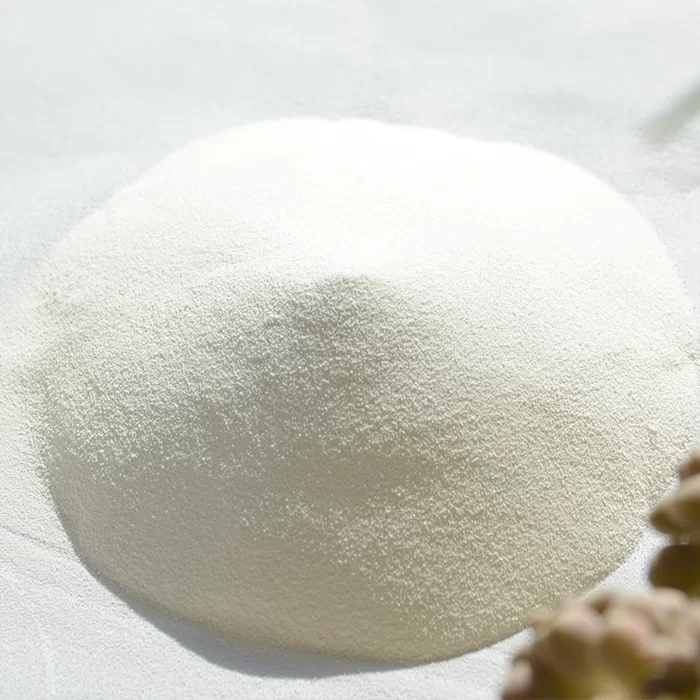
Hydroxypropyl Methylcellulose Powder Solutions for North American Industries

  • Home
  • Global Service
  • Hydroxypropyl Methylcellulose Powder Solutions for North American Industries

Hydroxypropyl Methylcellulose Powder Solutions for North American Industries

Delivering high-quality cellulose ethers for diverse applications across the United States.

Hydroxypropyl Methylcellulose Powder Solutions for North American Industries

Providing comprehensive hydroxypropyl methylcellulose (HPMC) solutions to meet the demands of various industries throughout North America, ensuring quality and performance.

Current Market Landscape in North America

An overview of the current state of the cellulose ether market in the United States.

The North American market for hydroxypropyl methylcellulose powder, hpmc, cmc, carboxy methyl cellulose sodium salt, and carboxy methyl cellulose powder is driven by strong demand from construction, pharmaceuticals, food, and personal care sectors. The US benefits from a robust manufacturing base and a developed infrastructure supporting consistent product availability.

Geographically, demand is concentrated in regions with significant construction activity, such as the Sun Belt states, and areas with prominent pharmaceutical manufacturing hubs. Climate conditions also influence demand; HPMC is crucial in concrete mixtures for controlling water retention in drier regions.

Regulatory compliance, particularly with FDA standards for pharmaceutical and food grade materials, is a critical aspect of the North American market. Suppliers must demonstrate adherence to strict quality control measures and traceability protocols to succeed.

Evolution of Cellulose Ether Technology

Tracing the development of cellulose ether manufacturing and applications.

Market Development History

Early cellulose ether production (early 20th century) focused primarily on nitrocellulose for explosives and films. The development of carboxymethyl cellulose (CMC) in the 1920s opened new applications in textiles and food.

Post-WWII saw the rise of HPMC, offering superior properties like temperature sensitivity and water retention. The 1970s and 80s brought refinements in manufacturing processes, leading to increased purity and consistent quality.

The late 20th and early 21st centuries focused on tailoring cellulose ether properties for specific applications through precise control of degree of substitution and molecular weight.

Future Development Trends

Sustainable Sourcing

Increasing emphasis on sourcing cellulose from sustainable forests and utilizing eco-friendly manufacturing processes to reduce environmental impact.

Enhanced Functionality

Research into modifying cellulose ether structures to achieve tailored rheological properties, improved thermal stability, and enhanced compatibility with other materials.

Bio-based Alternatives

Exploration of alternative cellulose sources, such as agricultural waste, to create cost-effective and environmentally responsible cellulose ethers.

Industry Trends and Future Outlook

Analyzing the current trends and forecasting the future of the cellulose ether market in North America.

Growing Demand in Construction
Increased infrastructure spending and residential construction drive demand for HPMC in cement-based materials.
Pharmaceutical Innovation
New drug formulations and controlled-release technologies require specialized cellulose ethers.
Food & Beverage Applications
Increasing demand for texture modifiers, stabilizers, and thickening agents in processed foods.
Personal Care Product Demand
Expanding use of cellulose ethers in cosmetics, shampoos, and lotions as thickeners and stabilizers.

Industry Outlook

The North American cellulose ether market is projected to grow at a CAGR of 4-6% over the next five years, driven by innovation and expanding applications.

Key growth areas include sustainable construction materials, advanced pharmaceutical formulations, and the development of plant-based food alternatives.

Local Application Scenarios in North America

Exploring specific applications of cellulose ethers across various industries in the United States.

1. Concrete Admixture for Cold-Weather Construction

In regions with harsh winters like the Midwest and Northeast, HPMC is crucial as a water retention agent in concrete mixes, preventing premature freezing and ensuring proper hydration.

2. Tablet Binding Agent in Pharmaceutical Manufacturing

Pharmaceutical companies in states like New Jersey and Pennsylvania utilize HPMC as a binding agent in tablet formulations, ensuring drug stability and controlled release.

3. Thickener in Food Products in the Southern US

Food manufacturers in the Southeast region employ CMC as a thickener and stabilizer in sauces, dressings, and baked goods, enhancing texture and shelf life.

4. Stabilizer in Personal Care Products on the West Coast

Cosmetic and personal care companies in California leverage HPMC to stabilize emulsions and enhance the sensory properties of lotions, creams, and shampoos.

Brand Story

Tangjin Technology (Hebei) Co., Ltd.'s global development journey

Foundation & Innovation

Founded on a commitment to excellence, Tangjin Technology quickly established itself as a leader in cellulose ether manufacturing, driven by continuous innovation.

Quality Focus

We invested heavily in state-of-the-art quality control systems and rigorous testing protocols to ensure consistent product performance.

Global Expansion

Expanded our reach to North America and beyond, building strong partnerships with distributors and customers worldwide.

Sustainable Practices

Embraced sustainable sourcing and eco-friendly manufacturing processes, minimizing our environmental footprint.

Customer-Centric Approach

Dedicated to providing customized solutions and exceptional customer support, building long-term relationships based on trust.

Complete Product Portfolio for the Local Region

A comprehensive range of cellulose ethers tailored to meet the diverse needs of North American industries.

Frequently Asked Questions - North America

Addressing common queries about our cellulose ether products.

What is the typical lead time for HPMC orders shipped to the United States?

Lead times vary depending on order size and inventory levels, but generally range from 7-14 business days for shipments to the United States.

Do your HPMC products meet FDA requirements for pharmaceutical applications?

Yes, we offer pharmaceutical-grade HPMC products that comply with all relevant FDA regulations and are supported by comprehensive documentation.

What is the shelf life of your carboxy methyl cellulose powder?

Our carboxy methyl cellulose powder typically has a shelf life of 2-3 years when stored in a cool, dry environment away from direct sunlight.

Can you provide technical data sheets (TDS) and safety data sheets (SDS) for your products?

Yes, TDS and SDS documents are readily available for all our products. Please contact our technical support team to request specific documentation.

What is the minimum order quantity (MOQ) for hydroxypropyl methylcellulose powder?

The MOQ varies depending on the grade and specifications of the HPMC. Please contact our sales team for detailed information.

Do you offer customized HPMC formulations for specific applications?

Yes, we provide custom formulation services to tailor HPMC properties to meet unique application requirements. Our R&D team can work with you to develop optimized solutions.

Get in Touch

We are here to help with your cellulose ether needs in North America - United States. Contact us today to learn more about our products and services.

Contact Us Now

If you are interested in our products, you can choose to leave your information here, and we will be in touch with you shortly.