

Hydroxypropyl Methylcellulose Powder Solutions for Singapore’s Industries

  • Home
  • Global Service
  • Hydroxypropyl Methylcellulose Powder Solutions for Singapore’s Industries

Hydroxypropyl Methylcellulose Powder Solutions for Singapore's Industries

Optimizing formulations with premium HPMC, CMC, and cellulose derivatives in the Asia-Pacific region.

Hydroxypropyl Methylcellulose Powder Solutions for Singapore's Industries

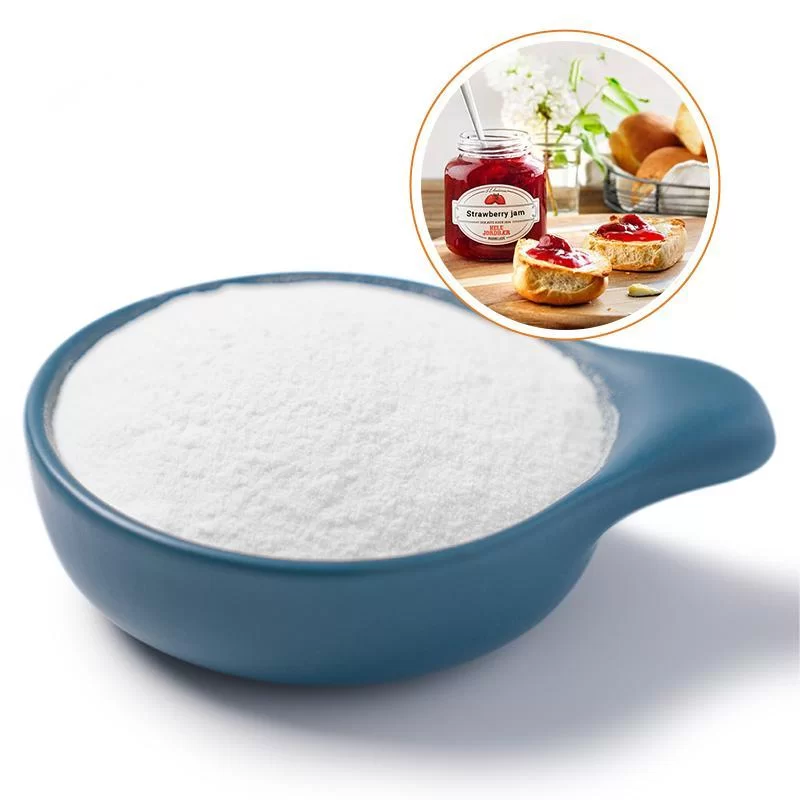
Providing high-quality hydroxypropyl methylcellulose powder, hpmc, cmc, carboxy methyl cellulose sodium salt, and carboxy methyl cellulose powder to meet the diverse needs of Singaporean manufacturers.

Current Landscape of Cellulose Ethers in Singapore

Analyzing the market dynamics and challenges for specialty cellulose products in the Singaporean manufacturing sector.

Singapore, as a key manufacturing hub in Southeast Asia, demonstrates a robust demand for cmc and hydroxypropyl methylcellulose powder. Its strategic location and pro-business environment attract industries requiring high-performance materials. The demand is driven primarily by the construction, pharmaceutical, food, and personal care sectors.

However, the small domestic market size and reliance on imports present challenges. Singapore's focus on sustainability and environmental regulations also necessitate manufacturers to seek eco-friendly alternatives, influencing the demand for bio-based and modified cellulose products. Stringent quality control standards are paramount, requiring suppliers to demonstrate consistent product performance.

The island nation's limited land area and high population density also impact logistics and storage costs, making efficient supply chain management crucial for hpmc distributors and users. A growing awareness of the benefits of cellulose ethers as sustainable and versatile ingredients is further fueling market growth.

Evolution of Cellulose Ether Technology and its Adoption in Singapore

Tracing the advancements in cellulose ether production and application within the Singaporean context.

Market Development History

The early use of carboxy methyl cellulose sodium salt in Singapore dates back to the 1970s, primarily in the textile and paper industries as a thickening and stabilizing agent. Initial imports were limited, and technical expertise was scarce.

In the 1990s, with the growth of the pharmaceutical and food sectors, the demand for higher-purity hpmc increased. Local distributors began to emerge, facilitating access to international suppliers. The introduction of modified cellulose ethers with tailored properties broadened application possibilities.

The 21st century witnessed a surge in research and development, leading to innovative cellulose ether formulations for specialized applications. Sustainability concerns prompted the exploration of bio-based and eco-friendly alternatives. Singapore’s push for advanced manufacturing further drove demand for high-performance cellulose ethers.

Future Development Trends

Enhanced Polymer Modification

Future trends will focus on advanced polymer modification techniques to create cellulose ethers with targeted functionalities, such as controlled release and enhanced biocompatibility.

Bio-Based Production

Growing emphasis on sustainability will drive the adoption of bio-based production methods for cellulose ethers, reducing reliance on petrochemical feedstocks.

Smart Cellulose Ethers

Research into stimuli-responsive cellulose ethers that can adapt to changing environmental conditions will unlock new applications in areas like smart coatings and drug delivery systems.

Industry Trends and Future Outlook for Cellulose Ethers in Singapore

Exploring the emerging trends and future prospects for cellulose ether applications in Singapore’s manufacturing landscape.

Pharmaceutical Excipients
Increased demand for high-purity hpmc and cmc as excipients in pharmaceutical formulations due to Singapore's growing biomedical industry.
Construction Materials
Growing use of hpmc in cement-based materials for improved workability, water retention, and adhesion in Singapore's construction projects.
Food Industry Stabilizers
Increased use of cmc as a stabilizer, thickener, and emulsifier in processed foods and beverages in Singapore’s food manufacturing sector.
Personal Care Formulations
Demand for hpmc and cmc in personal care products such as shampoos, lotions, and creams for thickening, stabilization, and film-forming properties.

Industry Outlook

The Singaporean cellulose ether market is projected to grow at a CAGR of 4-6% over the next 3-5 years, driven by innovation in application development and a focus on sustainability. Government initiatives promoting advanced manufacturing and biomedical research will further accelerate growth.

Strategic partnerships between local manufacturers and international suppliers will be crucial for ensuring a reliable and cost-effective supply of high-quality cellulose ethers. The adoption of digital technologies for supply chain optimization and quality control will also play a key role in enhancing competitiveness.

Local Applications of Cellulose Ethers in Singapore

Specific use cases of cellulose ethers tailored to Singapore’s unique industry landscape.

1. High-Performance Concrete Admixtures

Utilizing hpmc as a water-retention agent in concrete mixes for high-rise building construction, addressing the challenges of rapid water evaporation in Singapore’s tropical climate.

2. Controlled-Release Drug Delivery Systems

Developing pharmaceutical formulations using hpmc matrices for sustained drug release, catering to the growing demand for personalized medicine in Singapore’s healthcare sector.

3. Stabilized Food Emulsions for Plant-Based Alternatives

Employing cmc as an emulsifier and stabilizer in plant-based milk alternatives and meat substitutes, supporting Singapore’s food security initiatives.

4. Eco-Friendly Coatings for Marine Applications

Formulating water-based coatings with hpmc to provide corrosion protection for marine structures in Singapore’s coastal environment, reducing reliance on solvent-based coatings.

Brand Story

Tangjin Technology (Hebei) Co., Ltd.'s global development journey

Foundation & Commitment to Quality

Established in Hebei, China, Tangjin Technology quickly became a leading manufacturer of cellulose ethers, prioritizing rigorous quality control and customer satisfaction.

Expansion into Southeast Asia

Recognizing the growing demand in Southeast Asia, Tangjin Technology expanded its distribution network to Singapore and surrounding countries, offering tailored solutions to local industries.

Focus on Sustainable Solutions

Tangjin Technology invested in research and development to create bio-based and eco-friendly cellulose ether products, aligning with Singapore’s sustainability goals.

Technical Expertise & Collaboration

We foster strong collaborations with research institutions and industry partners to provide customized formulations and technical support to our clients.

Dedicated to Customer Success

Our mission is to empower Singaporean manufacturers with high-performance cellulose ethers that enhance product quality, efficiency, and sustainability.

Comprehensive Product Portfolio for the Singaporean Market

A wide range of cellulose ethers to meet diverse industrial needs.

Frequently Asked Questions about Cellulose Ethers in Singapore

Addressing common concerns and providing insights for informed decision-making.

What is the optimal HPMC grade for enhancing water retention in cement-based mortars used in Singapore's hot and humid climate?

For Singapore’s climate, a medium-viscosity hydroxypropyl methylcellulose powder grade with a moderate degree of substitution is recommended to maximize water retention and improve workability without causing excessive shrinkage.

How does the molecular weight of CMC affect its thickening properties in food applications within Singapore’s processed food industry?

Higher molecular weight carboxy methyl cellulose sodium salt provides greater thickening efficiency, but can also increase viscosity and affect texture. Optimal molecular weight depends on the specific food application.

Are there any specific regulatory requirements for using HPMC as an excipient in pharmaceutical formulations manufactured and sold in Singapore?

Yes, pharmaceutical excipients like hpmc must comply with the Singapore Health Sciences Authority (HSA) guidelines and meet pharmacopoeial standards such as USP or EP.

What are the benefits of using bio-based cellulose ethers over traditional petrochemical-derived alternatives in terms of sustainability and environmental impact in Singapore?

Bio-based cellulose ethers have a lower carbon footprint, are renewable, and biodegradable, contributing to a more sustainable supply chain and reducing environmental impact, aligning with Singapore's green initiatives.

How can I determine the appropriate dosage of CMC to achieve desired stabilization in emulsion-based personal care products formulated for Singapore's humid conditions?

Dosage depends on the emulsion type, oil phase concentration, and desired stability. Conducting stability tests under simulated Singaporean climate conditions is crucial for optimization.

What is the shelf life of HPMC powder, and how should it be stored to maintain its quality in Singapore’s tropical environment?

HPMC powder typically has a shelf life of 2-3 years when stored in a cool, dry place, away from direct sunlight and moisture. Proper packaging and storage are vital in Singapore’s humid climate.

Get in Touch for Your Cellulose Ether Needs in Singapore

Tangjin Technology is your trusted partner for high-quality cellulose ethers in Singapore and throughout Asia. Contact us today to discuss your specific requirements.

Contact Us Now

If you are interested in our products, you can choose to leave your information here, and we will be in touch with you shortly.