

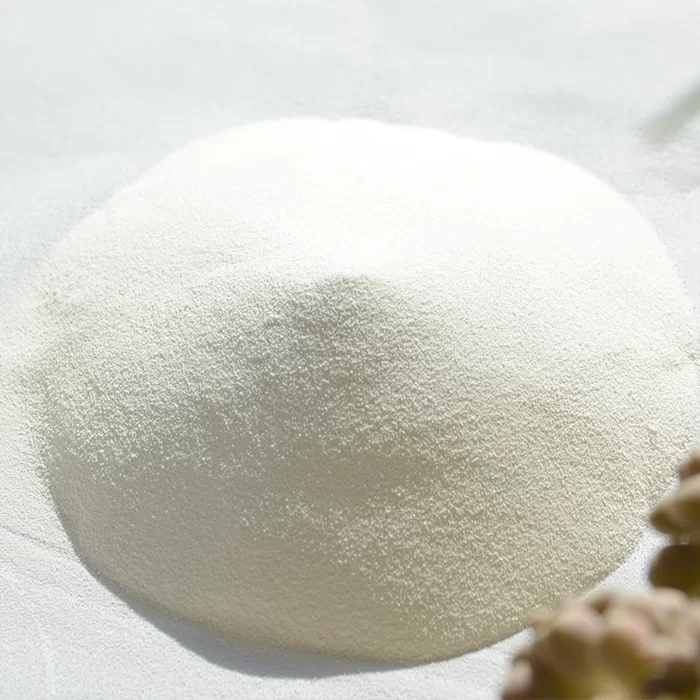

Hydroxypropyl Methylcellulose Powder Solutions for Tanzania

Hydroxypropyl Methylcellulose Powder Solutions for Tanzania

Enhancing product performance with high-quality HPMC, CMC, and cellulose derivatives in Tanzania’s industries.

Current Market Landscape in Tanzania

Understanding the demand for cellulose derivatives in Tanzania’s manufacturing sector.

Tanzania’s manufacturing sector is experiencing steady growth, driven by its expanding construction, pharmaceutical, food processing, and textile industries. This growth fuels a rising demand for specialty chemicals, including hydroxypropyl methylcellulose powder and cmc. However, the local production of these chemicals remains limited, leading to significant reliance on imports.

The country’s geographical location and climate present unique challenges and opportunities. High humidity and temperature fluctuations require products with excellent stability and performance characteristics. Furthermore, the increasing focus on sustainability and eco-friendly materials is driving demand for bio-based alternatives.

Economic factors, such as fluctuating currency rates and import duties, can significantly impact the cost and availability of raw materials. Local manufacturers are actively seeking cost-effective and reliable supply chains to maintain competitiveness within the regional market.

Evolution of Cellulose Ether Technology in Tanzania

Tracing the development and adoption of cellulose-based materials.

Market Development History

Initially, the use of cellulose derivatives in Tanzania was limited to basic applications in the food and pharmaceutical industries, relying heavily on imported materials. Around the 1980s and 90s, the construction boom began to introduce demand for hpmc as a key component in cement-based mortars and tile adhesives.

The early 2000s saw increased awareness of the versatility of carboxy methyl cellulose powder in various applications, including textiles, detergents, and paper manufacturing. This led to increased imports and the establishment of small-scale blending and repackaging operations.

In recent years (2010-present), there has been a growing emphasis on quality control, technical support, and customized solutions. Manufacturers are now seeking specialized grades of hydroxypropyl methylcellulose powder and cmc tailored to specific applications, driving demand for partnerships with experienced suppliers.

Future Development Trends

Enhanced Polymer Modification

Expect increased research into modifying cellulose ethers to improve their performance characteristics, such as water retention, thickening efficiency, and thermal stability.

Sustainable Sourcing & Bio-Based Materials

A growing emphasis on sustainability will drive demand for cellulose derivatives sourced from sustainably managed forests and renewable resources.

Application-Specific Formulations

Manufacturers will focus on developing custom formulations of hpmc and cmc to meet the unique requirements of specific industries in Tanzania.

Industry Trends and Future Outlook for Cellulose Ethers in Tanzania

Exploring emerging opportunities and challenges in the Tanzanian market.

Growth in Construction Chemicals
Tanzania's expanding infrastructure projects will drive demand for hpmc in cement-based materials and tile adhesives.
Pharmaceutical Sector Expansion
Growth in the pharmaceutical industry will increase demand for high-purity hpmc as a binder, film-coating agent, and controlled-release matrix.
Food Processing and Stabilization
Increasing demand for processed foods will drive the use of cmc as a thickener, stabilizer, and emulsifier.
Textile Industry Applications
The textile industry will continue to utilize cmc as a sizing agent, printing thickener, and finishing agent.

Industry Outlook

The Tanzanian market for cellulose ethers is poised for continued growth, driven by the country's economic development and increasing industrialization. Opportunities exist for suppliers who can provide high-quality products, technical expertise, and reliable supply chains.

However, challenges remain, including price sensitivity, competition from lower-cost imports, and the need for increased awareness of the benefits of specialized cellulose ether formulations.

Localized Applications of Cellulose Ethers in Tanzania

Specific examples of how these materials are used in Tanzanian industries.

1. Improving the Workability of Cement Mortars

Local construction companies are utilizing hpmc as a key additive in cement mortars to enhance workability, water retention, and adhesion, particularly in challenging climatic conditions.

2. Enhancing Tablet Binding in Pharmaceutical Production

Tanzanian pharmaceutical manufacturers are employing hpmc as a binder and film-coating agent in tablet formulations, ensuring drug stability and controlled release.

3. Stabilizing Fruit Juice Concentrates

Local food processing companies are using cmc to stabilize fruit juice concentrates, preventing sedimentation and maintaining consistent viscosity.

4. Improving the Print Quality of Textile Dyes

Textile manufacturers in Tanzania are incorporating cmc as a printing thickener, enhancing dye penetration and print quality on various fabrics.

5. Enhancing the Properties of Local Detergents

Local detergent manufacturers utilize cmc to improve the viscosity and stability of their liquid detergent formulations.

Brand Story

Tangjin Technology (Hebei) Co., Ltd.’s Global Development Journey

Foundational Commitment to Quality

Established in Hebei, China, Tangjin Technology began with a firm commitment to producing high-quality cellulose ethers for diverse industrial applications.

Expansion into Global Markets

Over the years, Tangjin Technology expanded its reach into international markets, establishing a strong presence in regions like Africa, including Tanzania.

Focus on Customer-Centric Solutions

We prioritize understanding our customers’ unique needs and providing tailored solutions that enhance their product performance.

Commitment to Sustainability

Tangjin Technology is dedicated to sustainable manufacturing practices and responsible sourcing of raw materials.

Building Long-Term Partnerships

We strive to build lasting relationships with our customers based on trust, reliability, and mutual success.

Complete Product Portfolio for the Tanzanian Market

A comprehensive range of cellulose ethers to meet diverse industrial needs.

Frequently Asked Questions – Local Tanzanian Market

Addressing common queries related to cellulose ethers in Tanzania.

What is the optimal storage condition for hydroxypropyl methylcellulose powder in Tanzania’s humid climate?

Store the powder in a cool, dry, and well-ventilated area, away from direct sunlight and moisture. Use sealed containers to prevent absorption of humidity from the air.

How does the viscosity of cmc affect its performance in textile printing in Tanzania?

Higher viscosity CMC provides better print definition and reduces bleeding, while lower viscosity CMC is easier to apply and penetrates fabric more effectively. The optimal viscosity depends on the specific fabric and printing process.

What is the recommended dosage of hpmc for improving the workability of cement-based mortars in Tanzania?

Typically, 0.5% to 2.0% by weight of cement is recommended. The optimal dosage will depend on the specific cement composition and desired mortar properties.

Is carboxy methyl cellulose sodium salt safe for use in food products manufactured in Tanzania?

Yes, CMC is generally recognized as safe (GRAS) by regulatory bodies like the FDA. Ensure the CMC used meets food-grade standards and complies with Tanzanian food safety regulations.

What are the key differences between different grades of hpmc and how do they impact applications in the pharmaceutical industry in Tanzania?

Different grades vary in terms of methoxyl and hydroxypropyl content, viscosity, and particle size. These factors influence solubility, gelation temperature, and film-forming properties, impacting tablet binding, drug release, and coating quality.

How can I ensure the consistent quality of cmc supplied for my detergent manufacturing process in Tanzania?

Work with a reputable supplier who provides certificates of analysis (COA) for each batch. Implement quality control procedures to verify the CMC's viscosity, purity, and pH before use.

Let's Discuss Your Project

Contact us today to explore how our cellulose ethers can enhance your manufacturing processes in Tanzania, Africa.

Contact Us Now

If you are interested in our products, you can choose to leave your information here, and we will be in touch with you shortly.