

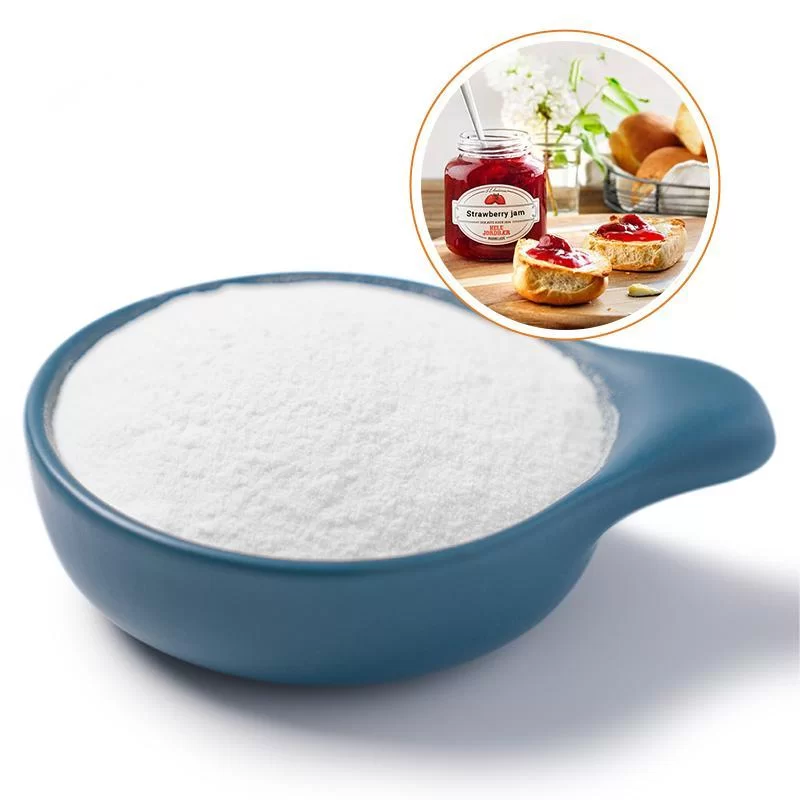
Hydroxypropyl Methylcellulose Powder Solutions for the Philippines Market

  • Home
  • Global Service
  • Hydroxypropyl Methylcellulose Powder Solutions for the Philippines Market

Hydroxypropyl Methylcellulose Powder Solutions for the Philippines Market

Providing high-quality hydroxypropyl methylcellulose powder, hpmc, cmc, carboxy methyl cellulose sodium salt, and carboxy methyl cellulose powder for diverse industrial applications.

Hydroxypropyl Methylcellulose Powder Solutions for the Philippines Market

Offering specialized cellulose ether solutions tailored to the unique needs of industries in the Philippines, ensuring optimal performance and efficiency.

Current Landscape of Cellulose Ethers in the Philippines

Analyzing the current state and challenges of the specialized chemical product manufacturing industry, particularly concerning carboxy methyl cellulose sodium salt in the Philippines.

The Philippines, an archipelago nation, presents unique challenges and opportunities for the chemical industry. Its tropical climate, high humidity, and growing construction and pharmaceutical sectors drive demand for cellulose ethers like hydroxypropyl methylcellulose powder. Local manufacturing capacity is still developing, leading to a significant reliance on imports.

The construction industry, a major economic driver, utilizes hpmc extensively in cement-based materials, tile adhesives, and renders. Demand is particularly strong in rapidly urbanizing areas like Metro Manila and Cebu. Simultaneously, the pharmaceutical sector’s demand for cmc as a binder, disintegrant, and viscosity modifier is consistently growing.

Supply chain vulnerabilities and fluctuating global prices present ongoing hurdles. Local distributors play a crucial role in bridging the gap between international manufacturers and end-users. Adapting to stringent quality control regulations and ensuring sustainable sourcing are also key priorities for industry stakeholders.

Evolution of Cellulose Ether Technology and Market in the Philippines

Tracing the development of cellulose ether applications from traditional uses to modern innovations within the Philippine manufacturing sector.

Market Development History

Initially, carboxy methyl cellulose powder was primarily imported for textile sizing in the 1970s and 80s. The 1990s saw a gradual increase in its use in the food industry as a stabilizer and thickener. Limited local production focused on basic grades.

The early 2000s marked a turning point with the construction boom. Demand for hpmc in building materials surged, prompting greater import volumes and increasing awareness of its benefits. Pharmaceutical grade cmc adoption also began to grow significantly.

The last decade witnessed the introduction of specialized cellulose ethers with tailored properties. Focus shifted toward sustainability and eco-friendly formulations, aligning with global trends. The search for reliable local suppliers and improved quality control gained prominence.

Future Development Trends

Enhanced Polymer Modification

Research into modified cellulose ethers with improved water retention, thermal stability, and rheological properties will drive innovation. This includes exploring novel grafting techniques and cross-linking methods.

Sustainable Sourcing and Bio-Based Alternatives

Increasing demand for eco-friendly products will push manufacturers to adopt sustainable sourcing practices and investigate bio-based cellulose alternatives. This trend aligns with the Philippine government’s environmental initiatives.

Digitalization and Smart Manufacturing

Implementing digital technologies in cellulose ether production, such as process automation and real-time quality control, will enhance efficiency and reduce waste.

Industry Trends and Future Outlook for Cellulose Ethers in the Philippines

Forecasting the future of cellulose ether applications and the emerging opportunities in the Philippine market.

Growth in Construction Sector
The continued infrastructure development in the Philippines will drive demand for hpmc in cement-based products and tile adhesives.
Expanding Pharmaceutical Industry
The growing pharmaceutical industry will fuel demand for cmc as a pharmaceutical excipient.
Increasing Focus on Sustainability
Demand for eco-friendly cellulose ether products and sustainable sourcing practices will grow significantly.
Technological Advancements
Adoption of new technologies in manufacturing will improve product quality and process efficiency.

Industry Outlook

The Philippine cellulose ether market is poised for steady growth over the next 3-5 years, driven by economic expansion and increasing industrialization. Manufacturers focusing on innovation, sustainability, and customer service will be best positioned to succeed.

Google Trends data indicates a rising search interest in "cellulose ethers Philippines," "hpmc construction," and "cmc pharmaceutical" suggesting a growing awareness and demand within the market.

Localized Application Scenarios in the Philippines

Illustrating the practical applications of cellulose ethers in specific industries and contexts within the Philippine market.

1. Cement-Based Mortars and Tile Adhesives

In the Philippines, where construction is booming, hpmc is essential for improving workability, water retention, and adhesion of cement-based mortars and tile adhesives, particularly in hot and humid climates.

2. Pharmaceutical Tablet Formulations

Local pharmaceutical companies utilize cmc as a binder, disintegrant, and viscosity modifier in tablet formulations to ensure proper drug release and stability.

3. Food Industry – Beverage Stabilization

Filipino beverage manufacturers employ cmc to stabilize emulsions, enhance viscosity, and prevent sedimentation in a variety of drinks, including juices and milk-based beverages.

4. Wall Putty and Skim Coats

With the growing demand for interior finishing, hpmc is widely used in wall putty and skim coats to improve their application properties, adhesion, and crack resistance.

5. Paints and Coatings

Local paint manufacturers use hpmc to control viscosity, improve brushability, and enhance the film properties of their paints and coatings.

Brand Story

Tangjin Technology (Hebei) Co., Ltd.'s global development journey

Commitment to Quality

Founded in 2008, Tangjin Technology quickly established itself as a reliable manufacturer of cellulose ethers, prioritizing consistent product quality and stringent quality control measures.

Expansion into Global Markets

In 2015, Tangjin Technology began expanding its reach into international markets, including Southeast Asia, driven by a commitment to meeting the growing global demand for high-quality cellulose ethers.

Focus on Innovation

We invested heavily in research and development in 2018, leading to the development of specialized cellulose ether formulations tailored to specific application needs.

Sustainability Initiatives

In 2020, Tangjin Technology launched sustainability initiatives focused on responsible sourcing, reducing environmental impact, and promoting eco-friendly products.

Philippine Market Entry

In 2023, Tangjin Technology entered the Philippine market, dedicated to providing superior cellulose ether solutions and technical support to local industries.

Complete Product Portfolio for the Local Region

Explore our comprehensive range of cellulose ethers designed to meet the diverse needs of industries in the Philippines.

Frequently Asked Questions – Philippines Market

Addressing common queries regarding our cellulose ether products and their applications in the Philippines.

What are the key benefits of using hydroxypropyl methylcellulose powder in Philippine construction materials?

HPMC improves workability, water retention, adhesion, and crack resistance in cement-based materials, crucial for the humid Philippine climate.

How does cmc contribute to pharmaceutical tablet quality in the Philippines?

CMC acts as a binder, disintegrant, and viscosity modifier, ensuring proper drug release, tablet hardness, and stability.

What is the typical shelf life of your carboxy methyl cellulose sodium salt products when stored in the Philippines?

Our products typically have a shelf life of 2 years when stored in a cool, dry place, away from direct sunlight and moisture.

Do you offer customized hpmc formulations for specific construction applications in the Philippines?

Yes, we can tailor our HPMC formulations to meet the specific requirements of your construction projects, adjusting viscosity, particle size, and other properties.

What certifications do your cellulose ether products hold for use in the food industry in the Philippines?

Our food-grade CMC products meet the requirements of relevant Philippine food safety standards and regulations, and we provide necessary documentation.

What is the recommended dosage of carboxy methyl cellulose powder for use as a thickener in beverage applications?

The recommended dosage varies depending on the desired viscosity and beverage type, but typically ranges from 0.1% to 1.0% by weight.

Get in Touch with Us

For inquiries, technical support, or to discuss your specific needs in the Philippines, please contact us today.

Contact Us Now

If you are interested in our products, you can choose to leave your information here, and we will be in touch with you shortly.