

Hydroxypropyl Methylcellulose Solutions for Turkey’s Industries

Hydroxypropyl Methylcellulose Solutions for Turkey's Industries

Elevating Performance with Specialized Cellulose Ethers in the Turkish Market.

Hydroxypropyl Methylcellulose Solutions for Turkey's Industries

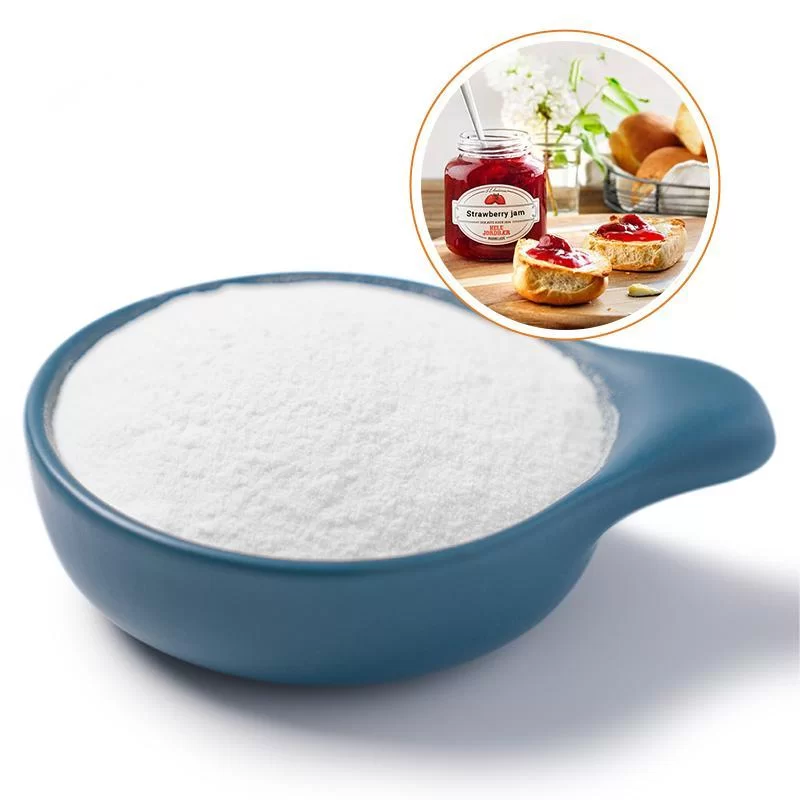
Offering premium hydroxypropyl methylcellulose powder, hpmc, cmc, carboxy methyl cellulose sodium salt and carboxy methyl cellulose powder designed for diverse applications.

Current Status of Cellulose Ethers in Turkey

Analyzing Market Dynamics and Growth Opportunities.

Turkey's chemical industry is experiencing steady growth, driven by the construction, pharmaceutical, food, and textile sectors. Demand for specialized chemicals like cmc and hpmc is increasing, fueled by a growing domestic market and expanding export opportunities, particularly within the Middle East and Europe. The country’s strategic location provides a logistical advantage for distribution.

However, the Turkish chemical market is also subject to economic fluctuations and currency volatility, posing challenges for importers and manufacturers. Increasing environmental regulations are also driving the need for more sustainable and eco-friendly chemical solutions. This creates opportunities for producers offering high-quality, environmentally responsible products.

The demand for cellulose ethers is influenced by seasonal factors, with increased activity during the construction season (spring and summer) and food processing periods. Local manufacturers are striving to increase their production capacity to reduce reliance on imports, but international suppliers still play a significant role in meeting market demand, particularly for specialized grades and formulations.

Evolution of Cellulose Ether Technology in Turkey

Tracing the Technological Advancements and Market Trends.

Market Development History

In the early years (1980s-1990s), the Turkish market primarily relied on imports of basic carboxy methyl cellulose sodium salt for limited applications in textiles and detergents. Local production was minimal, and product quality was often a concern. The focus was largely on cost competitiveness.

The 2000s saw a gradual increase in demand for higher-grade cellulose ethers with expanding applications in construction, pharmaceuticals, and food. This drove investment in local manufacturing facilities and the adoption of more advanced production technologies. The entry of international players further enhanced competition and product innovation.

From 2010 to the present, the market has become more sophisticated, with a growing emphasis on specialized formulations tailored to specific customer needs. Sustainability and environmental compliance have become key considerations. Increased R&D investments have led to the development of modified cellulose ethers with improved performance characteristics.

Future Development Trends

Enhanced Polymer Modification

Future developments will center around advanced polymer modification techniques to improve the performance of hydroxypropyl methylcellulose powder, enhancing its water retention, thickening, and binding properties.

Bio-Based Cellulose Ethers

Increasing demand for sustainable materials will drive the development and adoption of bio-based cellulose ethers derived from renewable sources.

Nanotechnology Integration

Integrating nanotechnology with cellulose ethers will enable the creation of advanced materials with novel properties and applications, for instance, in drug delivery systems and specialty coatings.

Industry Trends and Future Outlook for Cellulose Ethers in Turkey

Exploring Growth Opportunities and Technological Advancements.

Growing Construction Sector
Turkey’s booming construction industry is a primary driver for hpmc and cmc demand in tile adhesives, cement mortars, and gypsum-based plasters.
Pharmaceutical Industry Expansion
The expanding Turkish pharmaceutical industry requires high-purity hpmc for tablet coatings, controlled-release formulations, and other applications.
Food Processing Advancements
Modern food processing techniques in Turkey are increasing the demand for cmc as a stabilizer, thickener, and emulsifier in various food products.
Textile Industry Evolution
The Turkish textile industry continues to innovate, requiring specialized cmc derivatives for printing, dyeing, and finishing processes.

Industry Outlook

The Turkish cellulose ether market is expected to continue its growth trajectory over the next 3-5 years, driven by the factors mentioned above. The increasing focus on sustainability and regulatory compliance will further accelerate demand for high-quality, eco-friendly products.

Companies that can offer innovative solutions, technical expertise, and reliable supply chains will be well-positioned to succeed in this dynamic market. Strategic partnerships and investments in R&D will be crucial for maintaining a competitive edge.

Local Application Scenarios for Cellulose Ethers in Turkey

Exploring Diverse Applications Tailored to the Turkish Market.

1. Tile Adhesive Formulations

Turkey's robust construction sector heavily relies on high-performance tile adhesives. HPMC is a key ingredient in these formulations, providing excellent workability, adhesion, and water retention, essential for the country’s diverse climate.

2. Pharmaceutical Tablet Coatings

The growing pharmaceutical industry in Turkey utilizes hpmc for tablet coatings to control drug release, improve stability, and enhance patient compliance, meeting stringent quality standards.

3. Food Thickening and Stabilization

Turkey's food processing sector employs cmc extensively as a thickening agent and stabilizer in dairy products, sauces, and baked goods, catering to local culinary preferences.

4. Textile Printing and Dyeing

The Turkish textile industry benefits from cmc derivatives as rheology modifiers in printing pastes and dyeing processes, ensuring vibrant colors, sharp patterns, and excellent fabric finishes.

5. Gypsum Board Production

With an expanding construction industry, the demand for gypsum boards is high. HPMC plays a vital role in improving the strength, workability, and water resistance of gypsum boards produced in Turkey.

Brand Story

Tangjin Technology (Hebei) Co., Ltd.'s Global Development Journey

Commitment to Quality

Established in 2005, Tangjin Technology has dedicated itself to the production and supply of high-quality cellulose ethers.

Innovation & R&D

We invest heavily in research and development to create innovative solutions tailored to specific customer needs.

Global Reach

We serve a global clientele, with a growing presence in key markets like Turkey.

Sustainability Focus

We are committed to sustainable manufacturing practices and environmentally responsible products.

Customer-Centric Approach

Our mission is to provide exceptional customer service and build long-term partnerships based on trust and mutual success.

Complete Product Portfolio for the Turkish Market

Offering a Comprehensive Range of Cellulose Ethers to Meet Diverse Needs.

Frequently Asked Questions - Turkey Market

Addressing Common Queries from Our Turkish Customers.

What is the recommended storage condition for hydroxypropyl methylcellulose powder in Turkey's climate?

Store in a cool, dry place away from direct sunlight and moisture. Turkey’s varying humidity levels require airtight containers to prevent caking or degradation.

What grades of cmc are best suited for food applications in Turkey?

Food-grade cmc with varying viscosity levels are available, depending on the specific application (e.g., ice cream, sauces, bakery products). We offer options compliant with Turkish food regulations.

How does hpmc improve the performance of tile adhesives in Turkish construction?

HPMC enhances workability, adhesion strength, water retention, and sag resistance, critical for tile adhesives used in Turkey’s diverse construction projects.

What is the typical lead time for delivery of carboxy methyl cellulose sodium salt to Turkey?

Typical lead time is 2-4 weeks, depending on the order quantity, current stock levels, and shipping route.

Do you offer technical support for formulating with your cellulose ethers in Turkey?

Yes, we provide comprehensive technical support, including formulation guidance, sample testing, and on-site assistance, to our customers in Turkey.

What certifications do your cellulose ethers have for use in pharmaceutical applications in Turkey?

Our pharmaceutical-grade cellulose ethers meet the requirements of major pharmacopoeias (USP, EP, JP) and are suitable for use in Turkish pharmaceutical formulations.

Get in Touch with Us

Partner with Tangjin Technology for reliable cellulose ether solutions in Turkey. We're here to help you succeed in the Turkish market.

Contact Us Now

If you are interested in our products, you can choose to leave your information here, and we will be in touch with you shortly.