

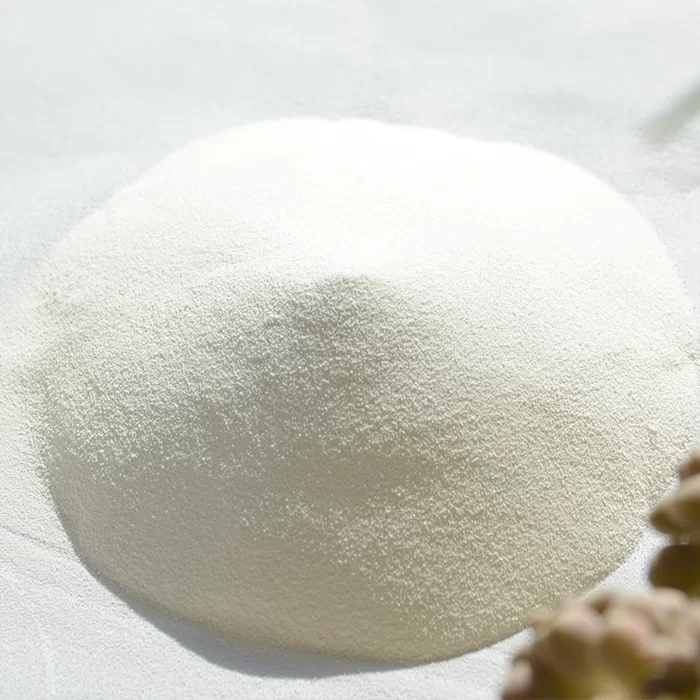

Hydroxypropyl Methylcellulose Solutions for Uzbekistan’s Industries

Hydroxypropyl Methylcellulose Solutions for Uzbekistan’s Industries

Delivering high-quality hydroxypropyl methylcellulose powder, hpmc, cmc, carboxy methyl cellulose sodium salt, and carboxy methyl cellulose powder to meet diverse application needs.

Hydroxypropyl Methylcellulose Solutions for Uzbekistan’s Industries

Providing advanced cellulose ether technologies to enhance product performance and process efficiency across various industries in Uzbekistan.

Current State of the Chemical Industry in Uzbekistan

An overview of the specialized chemical product manufacturing landscape, with a focus on cellulose ether demand in Uzbekistan.

Uzbekistan’s chemical industry is experiencing a period of modernization, driven by government initiatives to diversify the economy and reduce reliance on cotton production. While traditionally focused on fertilizers and basic chemicals, there's a growing demand for specialty chemicals like hpmc and cmc, spurred by the expansion of construction, pharmaceuticals, food processing, and textiles.

The country's geographic location and climate present unique challenges and opportunities. The arid climate necessitates efficient water management in construction, creating demand for water-retention polymers like HPMC. The growing pharmaceutical sector requires high-purity cellulose derivatives for drug formulation and controlled-release applications.

Currently, Uzbekistan heavily relies on imports for many specialty chemicals. However, increasing local production capacity and attracting foreign investment are key priorities. The availability and cost of raw materials, coupled with logistical challenges related to transportation, are significant factors influencing the industry’s growth.

Evolution of Cellulose Ether Technology and its Adoption in Uzbekistan

Tracing the development of cellulose ethers and their increasing relevance in Uzbekistan’s manufacturing sectors.

Market Development History

The development of cellulose ethers began in the early 20th century, initially as substitutes for natural gums. Early applications were limited, but the post-World War II era saw significant advancements in manufacturing processes, leading to improved product quality and broader applications. The 1970s and 80s witnessed the rise of HPMC in construction and pharmaceuticals.

In Uzbekistan, the initial adoption of cellulose ethers was slow, primarily focused on textile sizing. However, with the country's economic reforms in the 1990s and the subsequent growth in construction and pharmaceuticals, the demand for carboxy methyl cellulose powder and HPMC began to increase steadily.

The 21st century has seen a surge in demand for specialized cellulose ethers tailored to specific applications. Increased awareness of product performance and regulatory requirements are driving the shift towards higher-quality, consistent materials.

Future Development Trends

Sustainable Sourcing and Bio-Based Polymers

Growing environmental concerns are pushing the industry towards sustainable sourcing of cellulose raw materials and the development of bio-based cellulose ethers. This trend is expected to gain momentum in Uzbekistan as the country prioritizes eco-friendly manufacturing practices.

Tailored Polymer Design

Advances in polymer chemistry are enabling the creation of cellulose ethers with customized properties, such as specific viscosity, particle size, and substitution patterns. This allows for optimized performance in diverse applications.

Digitalization and Process Control

Implementation of digital technologies and advanced process control systems will improve manufacturing efficiency, reduce waste, and enhance product quality. Real-time monitoring and data analysis will become increasingly crucial.

Industry Trends and Future Outlook for Cellulose Ethers in Uzbekistan

Exploring the key trends shaping the future of the specialized chemical product manufacturing sector in Uzbekistan.

Growing Construction Sector
Uzbekistan’s ambitious infrastructure projects are driving demand for HPMC as a key ingredient in cement-based materials, tile adhesives, and rendering mortars.
Pharmaceutical Industry Expansion
The growing pharmaceutical industry requires high-purity cmc for tablet binding, controlled release, and suspension stabilization.
Food Processing and Stability
Cellulose ethers act as thickening agents, stabilizers, and emulsifiers in the food industry, supporting the growth of processed food production in Uzbekistan.
Textile Industry Applications
Continued use of cmc in textile sizing and finishing processes, particularly for improving fabric strength and dye uptake.

Industry Outlook

The Uzbekistan chemical industry is poised for continued growth, driven by government support, foreign investment, and increasing domestic demand. The adoption of advanced technologies and sustainable practices will be crucial for maintaining competitiveness in the global market.

Focus on localized production of key raw materials will reduce reliance on imports and enhance supply chain resilience. Collaboration between local manufacturers and international technology providers will be essential for driving innovation and developing tailored solutions for the Uzbek market.

Local Application Scenarios in Uzbekistan

Specific applications of cellulose ethers that address the unique needs of various industries in Uzbekistan.

1. Improving Water Retention in Cement Mortars

Uzbekistan’s arid climate demands efficient water management in construction. HPMC is added to cement mortars to improve water retention, reducing cracking and enhancing workability, particularly in hot weather conditions.

2. Enhancing Drug Dissolution in Pharmaceutical Formulations

Local pharmaceutical manufacturers utilize cmc as a binder and disintegrant in tablet formulations to improve drug dissolution rates and bioavailability.

3. Stabilizing Fruit Juice Concentrates

Food processing companies employ cellulose ethers to stabilize fruit juice concentrates, preventing sedimentation and maintaining consistent viscosity during storage and transportation.

4. Strengthening Textile Fabrics

Textile mills use HPMC as a sizing agent to increase the strength and abrasion resistance of woven fabrics during the weaving process, enhancing production efficiency and fabric quality.

Brand Story

Tangjin Technology (Hebei) Co., Ltd.’s Global Development Journey

Foundation and Commitment to Quality

Established in Hebei Province, Tangjin Technology has consistently prioritized high-quality cellulose ether production. Our mission is to deliver reliable and innovative solutions to meet the evolving needs of our customers.

Expanding Global Reach

Over the years, we have expanded our global footprint, serving customers across various industries and regions. We are committed to building long-term partnerships based on trust and mutual success.

Focus on Innovation

We invest heavily in research and development to create innovative cellulose ether products with enhanced performance characteristics and sustainable properties.

Commitment to Sustainability

Tangjin Technology is dedicated to responsible manufacturing practices, minimizing environmental impact and promoting sustainable sourcing of raw materials.

Serving Uzbekistan

We are dedicated to providing high-quality hpmc, cmc and related products to industries in Uzbekistan, supporting their growth and innovation.

Complete Product Portfolio for the Local Market

A comprehensive range of cellulose ethers tailored to the specific needs of Uzbek industries.

Frequently Asked Questions – Local Market

Addressing common queries regarding cellulose ethers and their applications in Uzbekistan.

What is the recommended HPMC grade for cement-based tile adhesives in Uzbekistan’s climate?

For tile adhesives in Uzbekistan, we recommend a medium-viscosity HPMC grade with good water retention properties. This ensures optimal workability and adhesion in hot and dry conditions.

Can your CMC products meet the pharmaceutical grade standards required in Uzbekistan?

Yes, we offer pharmaceutical-grade cmc that meets the stringent quality standards required by the Uzbek pharmaceutical industry, including USP and EP specifications.

What is the shelf life of your HPMC and CMC products when stored in Uzbekistan's conditions?

Our HPMC and carboxy methyl cellulose sodium salt products have a shelf life of 24 months when stored in a cool, dry place away from direct sunlight. Proper storage is crucial to maintain product quality.

Do you provide technical support for formulating cellulose ethers into specific applications in Uzbekistan?

Yes, our team of technical experts offers comprehensive support for formulation development, including dosage recommendations and troubleshooting assistance.

What packaging options are available for shipping cellulose ethers to Uzbekistan?

We offer a variety of packaging options, including 25kg multi-layer paper bags with PE liner, and customized packaging solutions to meet your specific requirements.

How can I request a sample of your hydroxypropyl methylcellulose powder for testing in my application?

You can request a sample by contacting our sales team through our website or by submitting a sample request form. We will process your request promptly.

Get in Touch with Us Today

Partner with Tangjin Technology for reliable cellulose ether solutions in Uzbekistan. We’re dedicated to helping your business succeed.

Contact Us Now

If you are interested in our products, you can choose to leave your information here, and we will be in touch with you shortly.