January 22, 2026
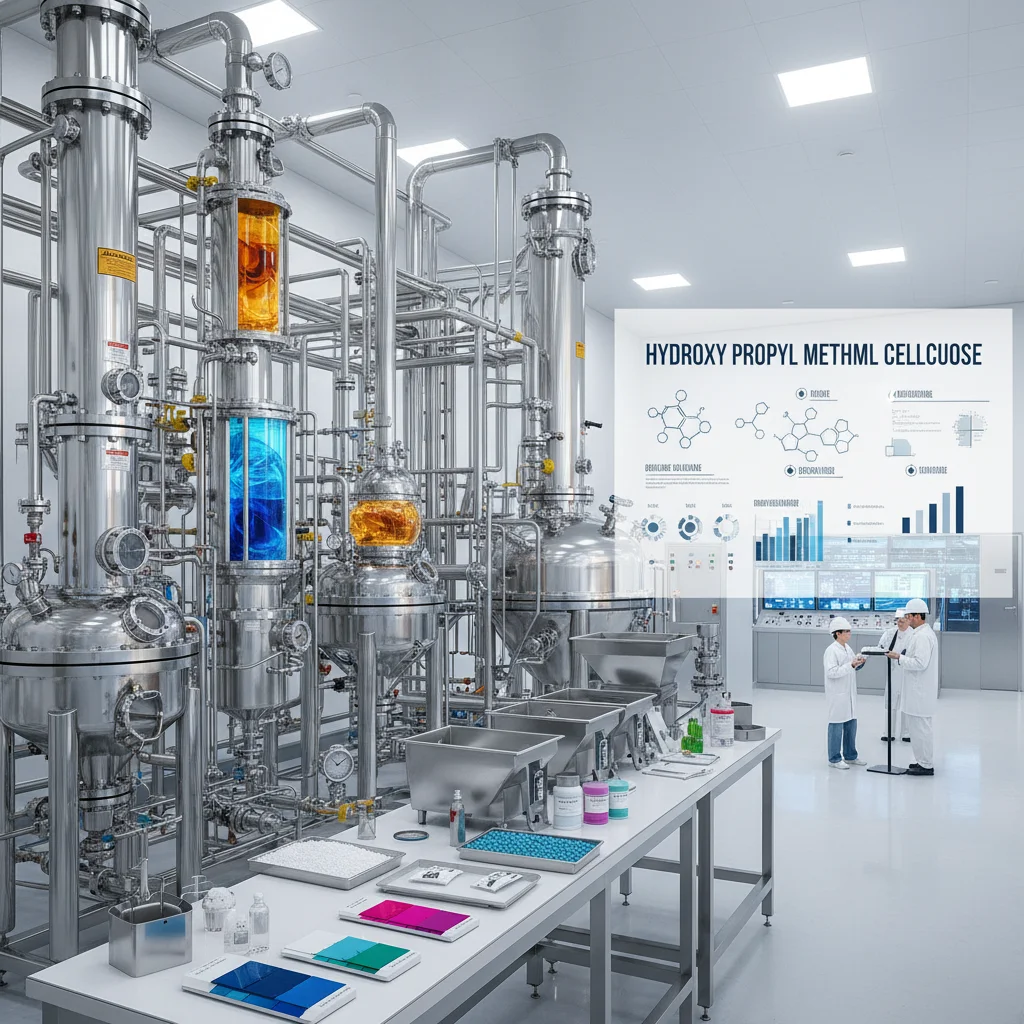
The performance of any HPMC-based tablet begins with the chemical architecture of the polymer. HPMC polymer grades are categorized based on the degree of substitution of methoxy and hydroxypropyl groups on the cellulose backbone. This is not just a chemical formality; it dictates how the tablet behaves when it first touches gastric fluid.
When selecting among various HPMC polymer grades, formulators typically choose between three main types: K, E, and F. The "K" grades, often referred to as the "CR" (controlled release) series, have a substitution pattern that promotes rapid hydration. This is vital because if the polymer does not hydrate and form a gel layer almost instantly, the tablet may disintegrate, leading to a dangerous "dose dumping" scenario. In contrast, "E" grades are more commonly used for film coating or as binders because their chemistry lends itself to better film-forming properties and higher mechanical strength.
Viscosity is perhaps the most discussed parameter when determining which HPMC grade to utilize. It serves as a direct indicator of the polymer's molecular weight. When HPMC is used in a matrix tablet, the viscosity of the grade determines the thickness and the "tightness" of the gel barrier that forms around the tablet.
A high-viscosity HPMC grade, such as K100M, creates a dense, viscous gel that significantly slows down the diffusion of the drug. This is the preferred choice for highly water-soluble drugs that need to be released slowly over a 24-hour period. On the other hand, low-viscosity grades like E5 or E15 are used when the polymer's role is simply to hold the tablet ingredients together or to provide a smooth aesthetic coating. These low-viscosity versions do not significantly hinder the release of the medication, making them perfect for immediate-release formulations.
The selection process must also account for the concentration of the polymer. A common mistake is using a very high-viscosity grade at a low concentration, which often results in an unstable gel layer. It is generally more effective to use a moderate-viscosity grade at a higher concentration to ensure the gel matrix is robust enough to withstand the mechanical stresses of the gastrointestinal tract.
Beyond the molecular level, the physical nature of the HPMC powder itself plays a massive role in the manufacturing suite. Even the most chemically perfect polymer will fail if it cannot be processed efficiently through high-speed tableting equipment.
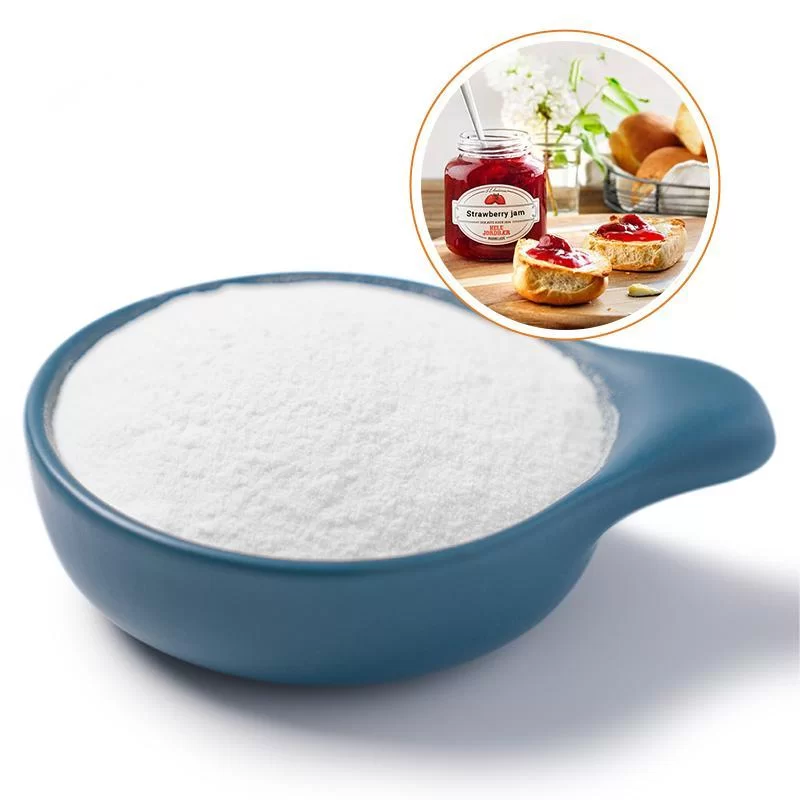
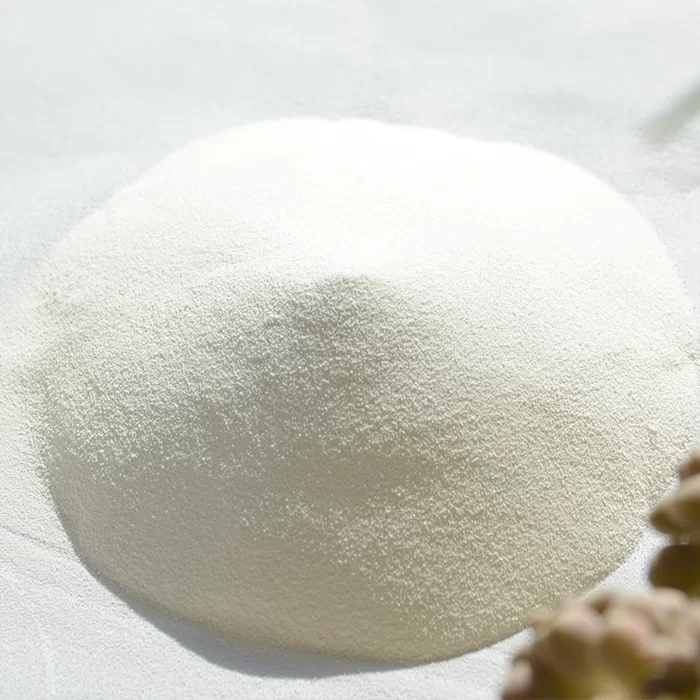
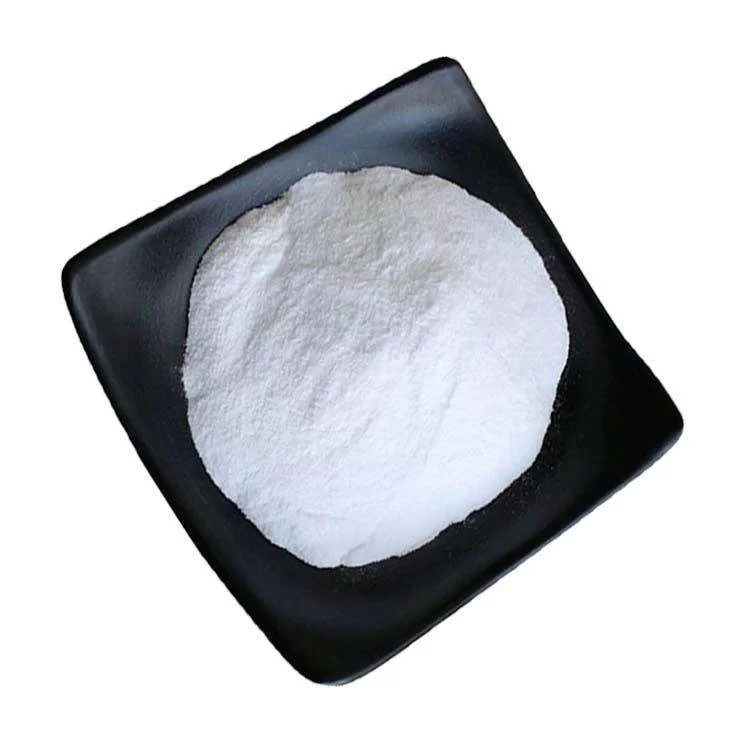
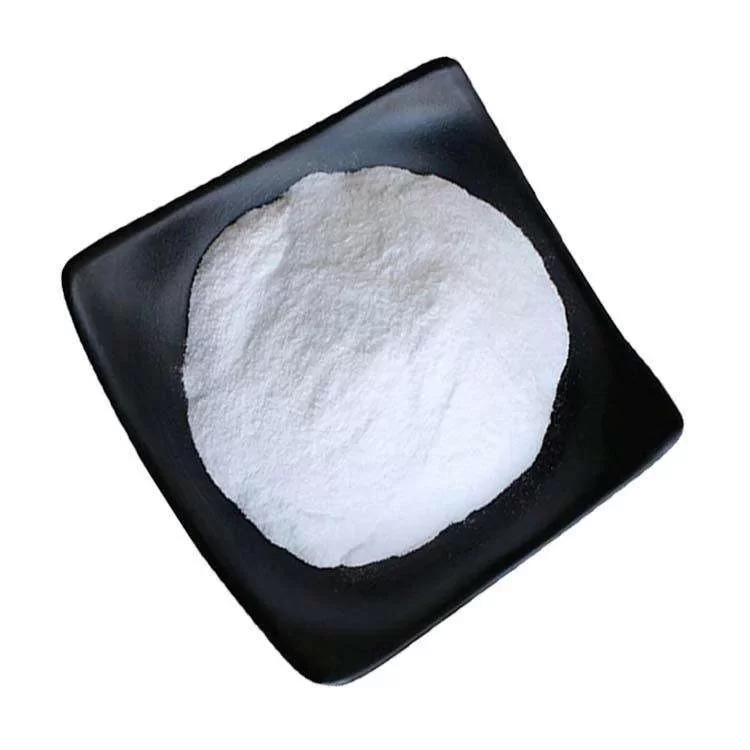
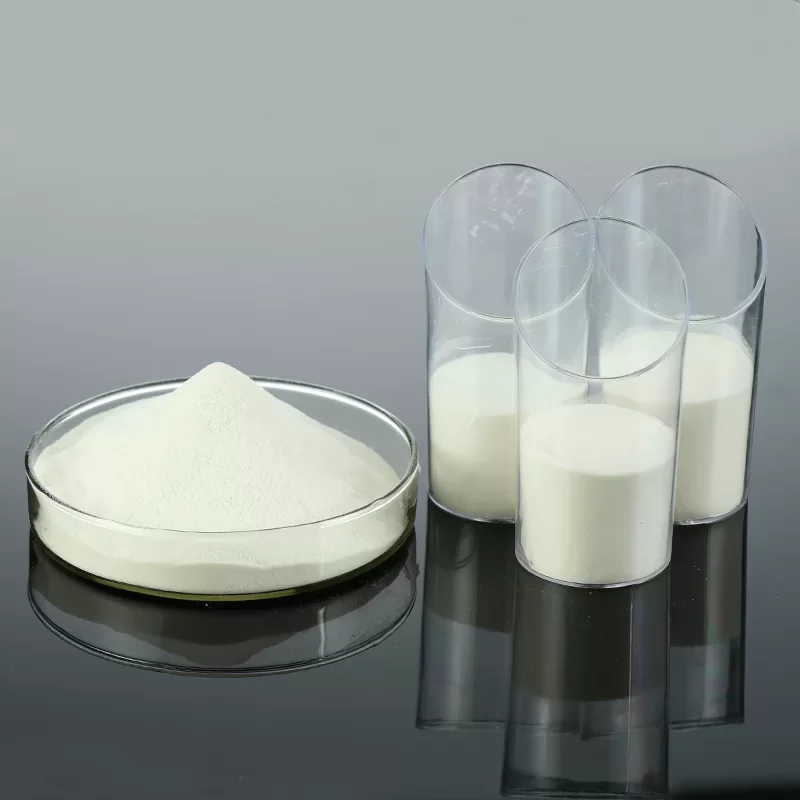
The particle size distribution of the HPMC powder is a critical factor for content uniformity. If the HPMC particles are significantly larger or smaller than the active pharmaceutical ingredient (API), the mixture may segregate during blending. This leads to tablets with varying amounts of the drug, which is a major regulatory and safety concern. Suppliers often provide specialized "DC" (direct compression) grades of HPMC powder that have been engineered with a specific morphology to improve flowability and compressibility. These powders are designed to flow evenly into the die cavities of a tablet press, ensuring that every tablet has the same weight and thickness.
Another physical consideration is the surface area of the powder. Finer powders tend to hydrate more quickly because they have a higher surface-area-to-volume ratio. This rapid hydration is essential for maintaining the integrity of the controlled-release gel layer. However, very fine powders can sometimes suffer from poor flow, so the formulator must find the "sweet spot" where hydration speed and flowability are balanced.
The choice of HPMC grade must also be compatible with the chosen manufacturing technology, whether it be direct compression, wet granulation, or roller compaction.
In direct compression, the HPMC grade must possess excellent compressibility to form a hard, stable tablet without the need for liquid binders. Because HPMC is naturally somewhat elastic, choosing a grade with a specific particle shape can help reduce "capping," a common defect where the top of the tablet breaks off due to internal pressure.
In wet granulation, the polymer is often pre-dissolved or added to the dry mix before a liquid binder is introduced. In this case, the solubility of the HPMC powder becomes the primary concern. Using a grade that dissolves too slowly can lead to "lumping" in the granulator, while a grade that dissolves too quickly might make the wet mass too sticky to process through a screen. Formulators often opt for low-viscosity "E" grades in these scenarios to act as the primary binder, providing the necessary adhesion without complicating the drying process.
Finally, the selection of an HPMC grade must account for the environment in which the tablet will function. Because HPMC is a non-ionic polymer, it is remarkably stable across the varying pH levels of the human digestive system. This makes it a superior choice compared to ionic polymers like Sodium Carboxymethylcellulose, which can change its release characteristics as it moves from the acidic stomach to the neutral intestines.
However, the formulator must still consider the presence of other excipients. For instance, the inclusion of certain salts or sugars in the tablet core can influence the hydration rate of the HPMC powder. This "competition for water" can delay the formation of the protective gel layer. Understanding these interactions allows a formulator to choose a grade with a substitution level that is more resistant to these "salting-out" effects, ensuring that the drug release profile remains consistent from patient to patient.
Successful tablet formulation is not achieved by looking at HPMC as a single ingredient, but as a customizable tool. By carefully evaluating the chemistry of different HPMC polymer grades, the physical performance of the HPMC powder, and the specific requirements of the drug's release profile, manufacturers can create products that are both effective and easy to produce.
The right HPMC grade serves as the bridge between a raw API and a finished medication that a patient can trust. As pharmaceutical technology advances toward more complex delivery systems, the ability to fine-tune these polymers will remain a core competency for formulation scientists worldwide.
Hit enter to search or ESC to close