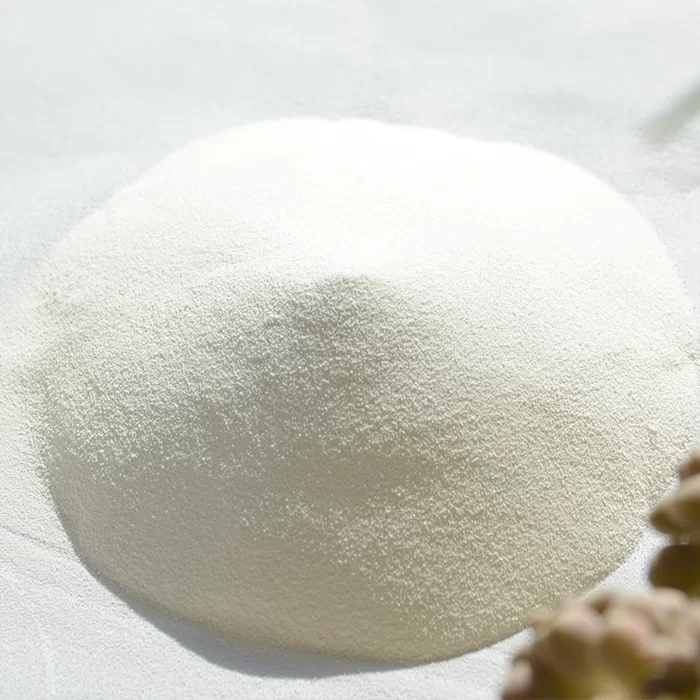
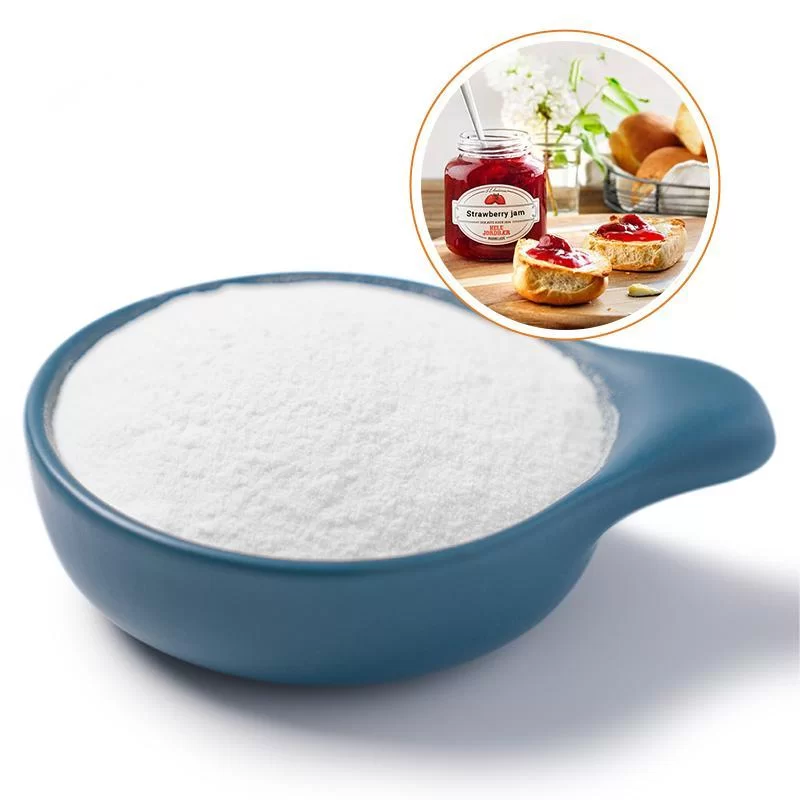
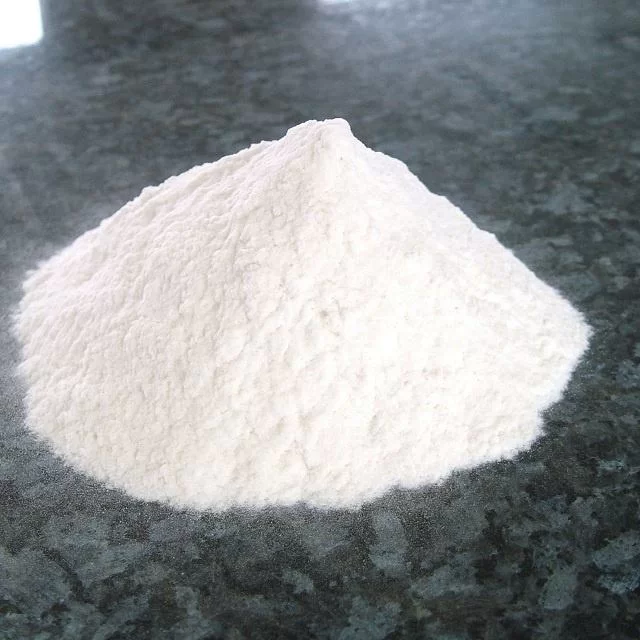
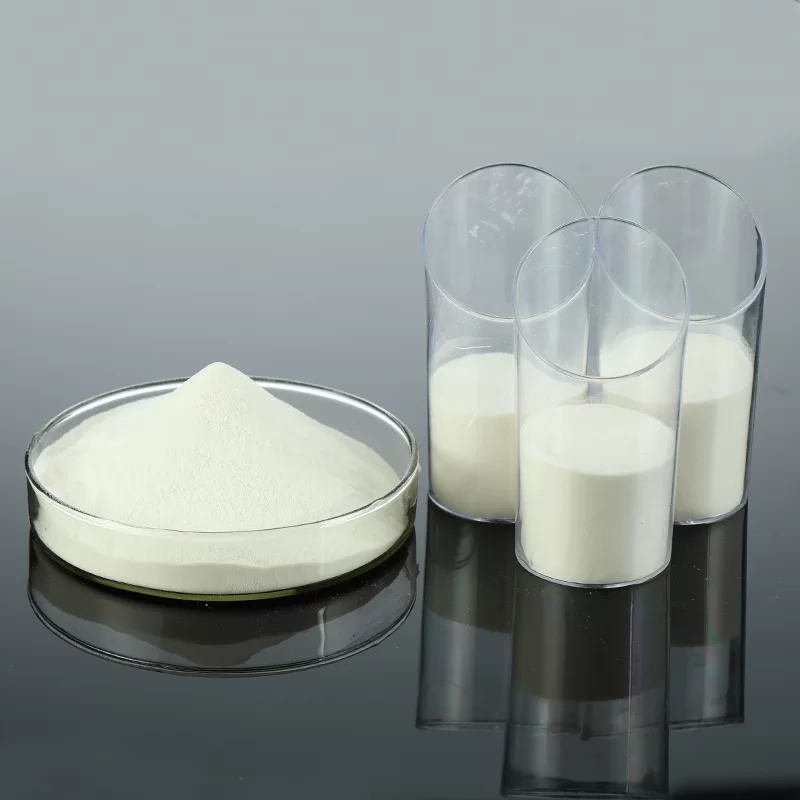
In the evolving landscape of food science, the demand for clean-label, plant-based, and health-conscious products has reached an all-time high. To meet these demands, food scientists rely on functional additives that can perform multiple roles without compromising safety or taste. Hydroxypropyl methylcellulose in food, recognized globally by its additive code E464, has emerged as a premier solution. From enhancing the elasticity of gluten-free bread to stabilizing the structure of plant-based meats, the hpmc applications across the culinary world are both diverse and indispensable.
To appreciate why hydroxypropyl methylcellulose is used in food, one must first understand its unique chemical nature. HPMC is a semi-synthetic, non-ionic cellulose ether. Unlike many other hydrocolloids (such as gelatin or starch), HPMC possesses a "thermal gelation" property. This means that while most stabilizers thin out when heated, HPMC actually forms a firm gel at high temperatures and reverts to a liquid state upon cooling.
This specific hydroxypropyl methylcellulose function provides a structural "backbone" during cooking or baking processes that other additives simply cannot replicate. Furthermore, as a non-ionic polymer, it remains stable across a wide range of pH levels and is resistant to the presence of salts, making it highly reliable in complex food systems like sauces, batters, and dairy alternatives.
1. Revolutionizing Bakery Products and Gluten-Free Innovation
The most significant challenge in gluten-free baking is replicating the network that wheat protein (gluten) provides. Gluten traps gas bubbles, allowing bread to rise and maintain a soft, chewy texture.
In gluten-free formulations, hpmc applications act as a direct substitute for this protein network. During the proofing stage, HPMC increases the viscosity of the batter, preventing gas bubbles from escaping. When the dough enters the hot oven, the thermal gelation property of HPMC kicks in, strengthening the cell walls of the bread as it bakes. This results in a loaf with superior volume, a uniform crumb structure, and a significantly longer shelf life due to its moisture-retention capabilities.
2. Plant-Based Meats and Meat Alternatives
The global surge in veganism has placed a spotlight on how hydroxypropyl methylcellulose in food can mimic animal tissues. In plant-based burgers or sausages, HPMC acts as a primary binder and emulsifier.
Hot Binding: Because HPMC gels when heated, it keeps a plant-based patty firm and "meaty" on a hot grill, preventing it from falling apart.
Juiciness: It helps encapsulate fats and moisture within the vegetable protein matrix. When the consumer bites into the product, these juices are released, replicating the mouthfeel of real animal fat.
Texture Engineering: By adjusting the grade of the hydroxypropyl methylcellulose supplement or powder used, manufacturers can create textures ranging from soft fish fillets to firm beef steaks.
3. Stability in Frozen Desserts and Dairy
In the world of ice cream and frozen whipped toppings, temperature fluctuations are the enemy. "Heat shock" occurs when ice cream partially melts and refreezes, causing large, gritty ice crystals to form.
Using hydroxypropyl methylcellulose in food prevents this degradation. HPMC acts as a powerful stabilizer that controls ice crystal growth and provides a smooth, creamy mouthfeel even in low-fat or dairy-free versions. It also improves the "overrun" (the amount of air whipped into the product), ensuring that whipped creams stay fluffy and do not collapse under their own weight.
4. Oil Reduction in Fried Foods
Health-conscious consumers often avoid fried foods due to high fat content. However, HPMC offers a technical solution through its film-forming ability. When added to batters or coatings (such as those for fried chicken or onion rings), HPMC forms a thermal barrier during frying. This barrier prevents excessive oil from penetrating the food while simultaneously locking in the natural moisture of the ingredients. The result is a product that is crisp on the outside and moist on the inside, with a significantly reduced calorie count from fat.
Beyond its functional roles as a thickener or stabilizer, HPMC is increasingly viewed through the lens of nutrition. Because it is derived from cellulose, the human body does not digest HPMC, meaning it contributes zero calories to the diet.
In some contexts, a hydroxypropyl methylcellulose supplement is used to assist with glycemic control. Studies have indicated that HPMC can slow down the absorption of glucose in the small intestine, potentially helping to manage blood sugar spikes after meals. Additionally, its water-binding capacity can promote a feeling of fullness (satiety), which is a valuable tool in weight management formulations. As a "bulk-forming" dietary fiber, it supports digestive health without the bloating sometimes associated with other fiber types.
Is hydroxypropyl methylcellulose in food safe? The answer from global health authorities is a resounding yes.
JECFA (FAO/WHO): Has evaluated HPMC and assigned it an "Acceptable Daily Intake" (ADI) of "not specified," which is the safest category possible for food additives.
EFSA (European Food Safety Authority): Confirms E464 as a safe additive for a wide range of food categories.
FDA (USA): Recognizes HPMC as Generally Recognized as Safe (GRAS).
Unlike some synthetic thickeners that have faced scrutiny, HPMC’s origin in natural plant cellulose makes it a preferred choice for manufacturers looking to maintain a "cleaner" image while still achieving high-performance results.
When food manufacturers select HPMC, they look for specific parameters to ensure the hydroxypropyl methylcellulose function meets their recipe's needs. These include:
Viscosity Grades: Low-viscosity grades are used for dipping glazes, while high-viscosity grades are required for heavy doughs.
Gelation Temperature: Manufacturers can choose specific HPMC types that gel at 50°C, 65°C, or higher, depending on the cooking process.
Purity: Food-grade HPMC must be free from heavy metals and harmful chemical residues, adhering to strict Food Chemicals Codex (FCC) standards.
The Future of Food Formulation
The importance of hpmc applications will only continue to grow as the food industry shifts toward sustainable, plant-centric nutrition. Whether it is providing the structural integrity for a gluten-free loaf, reducing the oil in our favorite snacks, or acting as a health-promoting hydroxypropyl methylcellulose supplement, E464 is a silent hero of the modern pantry.
By bridging the gap between natural ingredients and high-tech performance, hydroxypropyl methylcellulose in food ensures that "healthy" does not have to mean "tasteless." It allows for the creation of inclusive food products that everyone—regardless of dietary restrictions—can enjoy.
Hit enter to search or ESC to close