March 07, 2026
Hydroxypropyl methylcellulose (HPMC) 2208 is a versatile cellulose ether widely utilized across numerous industries. Known for its thickening, binding, film-forming, and water-retention capabilities, it’s a crucial ingredient in building materials, pharmaceuticals, food, cosmetics, and more. This article provides an in-depth exploration of HPMC 2208, covering its key properties, diverse applications, and considerations for optimal use. Understanding these details is key for effectively incorporating this ingredient into your products. You can explore a wide range of HPMC products at TJ HPMC.

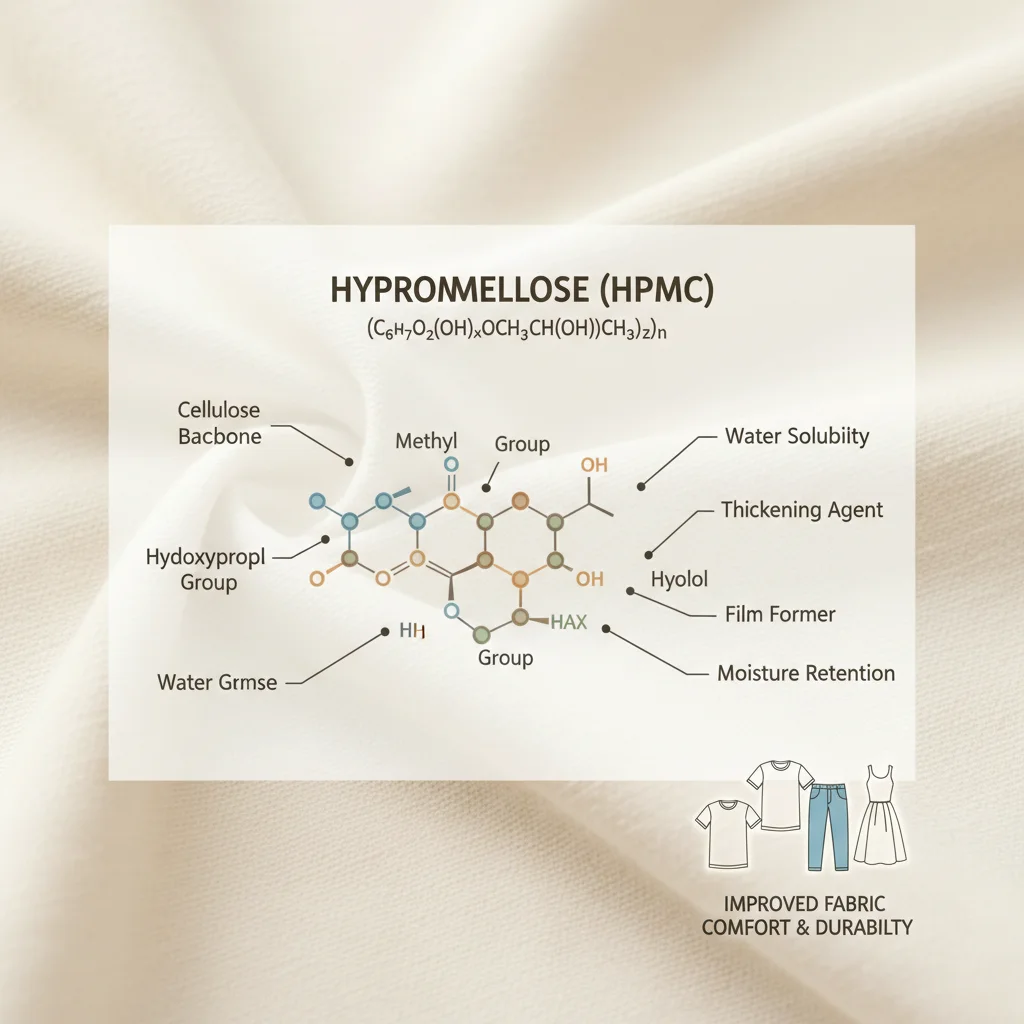
HPMC 2208, characterized by its viscosity range and specific methoxyl and hydroxypropyl content, exhibits several essential properties. Its viscosity, around 22,000 mPa·s (2% solution at 20°C), influences the flow characteristics of formulations. It provides excellent water retention, preventing premature drying and enhancing workability. Furthermore, HPMC 2208 forms clear, stable solutions, improves adhesion, and enhances the texture of various products. It's also thermally reversible – meaning solutions become fluid when heated and regain viscosity upon cooling. This unique characteristic makes it ideal for applications where temperature control is involved. TJ HPMC offers a comprehensive range of HPMC 2208 grades tailored to specific application needs.
Key Highlights: Excellent water retention, thickening capabilities, thermally reversible gelling, and film-forming properties. Provides good adhesion and stability in various formulations.
The ‘2208’ in HPMC 2208 denotes its approximate viscosity in mPa·s when measured as a 2% solution at 20°C. Different viscosity grades are available, each offering unique performance characteristics. Choosing the right grade is critical for achieving the desired product consistency and performance. Lower viscosity grades are suitable for thin coatings and easy spraying, while higher viscosity grades are preferred for thick pastes and strong water retention.
Viscosity Grade Comparison:
• HPMC 2208: Moderate viscosity, versatile for many applications.
• HPMC 2910: Higher viscosity, excellent water retention and thickening.
• HPMC 2000: Lower viscosity, easy spraying and thin coating.
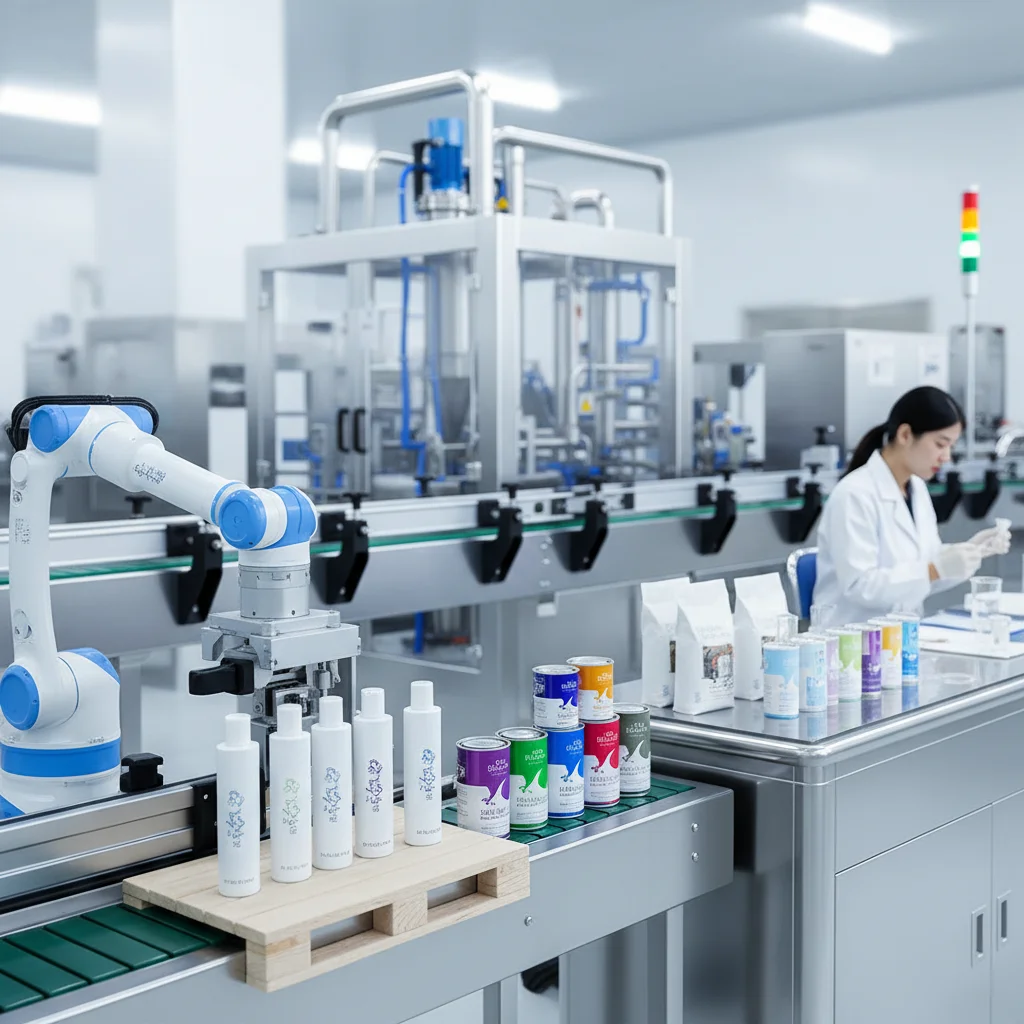
The broad applicability of HPMC 2208 stems from its unique combination of properties. In the construction industry, it is used in cement-based plasters, tile adhesives, and self-leveling compounds to improve workability, adhesion, and water retention. Pharmaceutical applications include tablet coatings, controlled-release formulations, and as a binder in granulation processes. In the food industry, it functions as a thickener, stabilizer, and emulsifier in sauces, desserts, and baked goods. Cosmetics utilize HPMC 2208 for its film-forming and thickening properties in lotions, creams, and shampoos. TJ HPMC provides tailored HPMC 2208 solutions for each of these industries.
Proper dissolution is crucial for maximizing the effectiveness of HPMC 2208. It's best to disperse the powder slowly into cold water while stirring vigorously to avoid clumping. Heating the mixture while continuing to stir will further enhance dissolution. Avoid adding HPMC directly to hot water, as this can lead to the formation of lumps. Regarding handling, store HPMC 2208 in a cool, dry place, protected from direct sunlight and moisture. Proper storage extends its shelf life and maintains its quality. Contact TJ HPMC for detailed handling and storage guidelines.
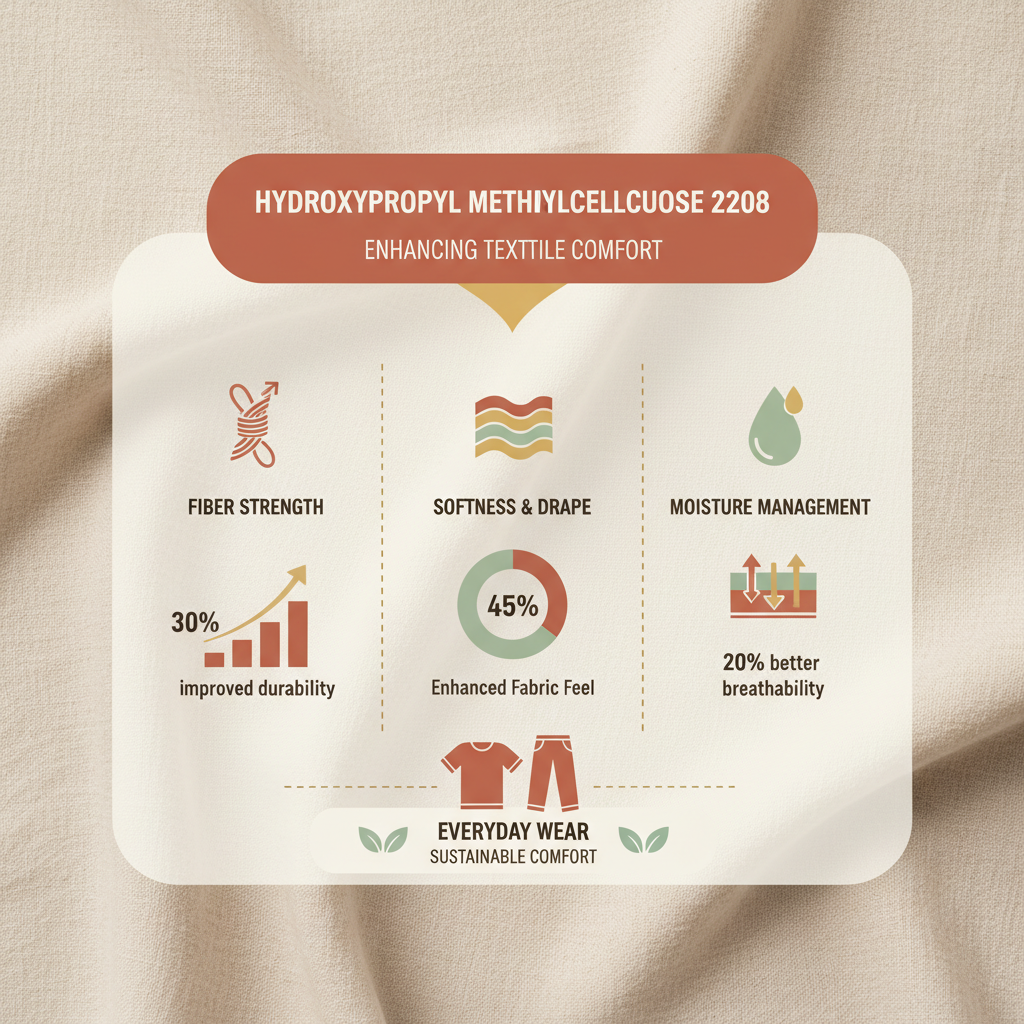
Here's a detailed specification sheet for our TJ HPMC 2208 product, demonstrating our commitment to quality and consistency:
Choosing the right HPMC 2208 supplier is crucial for consistent product quality and performance. TJ HPMC is dedicated to providing high-quality HPMC 2208 with reliable specifications, exceptional customer service, and competitive pricing. We are committed to supporting your success with tailored solutions and expert guidance.
HPMC 2208 significantly improves the performance of tile adhesives by enhancing water retention, which prevents rapid drying and allows for better cement hydration. This leads to increased adhesion strength, improved workability, and reduced slippage during tile installation. Additionally, it improves the open time of the adhesive, allowing for adjustments and ensuring a secure bond. By utilizing HPMC 2208, tile adhesives exhibit superior performance and longevity, reducing the risk of tile failures and ensuring a durable finish.
HPMC 2208 plays a critical role in stabilizing pharmaceutical formulations. Its thickening properties prevent sedimentation and maintain a homogenous mixture. It also acts as a protective colloid, preventing particle aggregation and ensuring uniform drug distribution. The film-forming properties contribute to controlled drug release, crucial for extended-release medications. By enhancing formulation stability, HPMC 2208 ensures the efficacy and shelf life of pharmaceutical products.
Yes, HPMC 2208 is derived from cellulose, a plant-based source, and is therefore suitable for both vegan and vegetarian food applications. It’s often used as a replacement for animal-derived ingredients, providing a plant-based solution for thickening, stabilizing, and emulsifying. It doesn't introduce any animal products into the formulation, making it a desirable ingredient for those adhering to plant-based diets.
To maintain optimal quality and prevent degradation, HPMC 2208 should be stored in a cool, dry place, ideally below 25°C (77°F). It’s crucial to protect it from direct sunlight, moisture, and extreme temperature fluctuations. Proper storage conditions ensure the HPMC 2208 retains its viscosity and performance characteristics over an extended period.
Hit enter to search or ESC to close