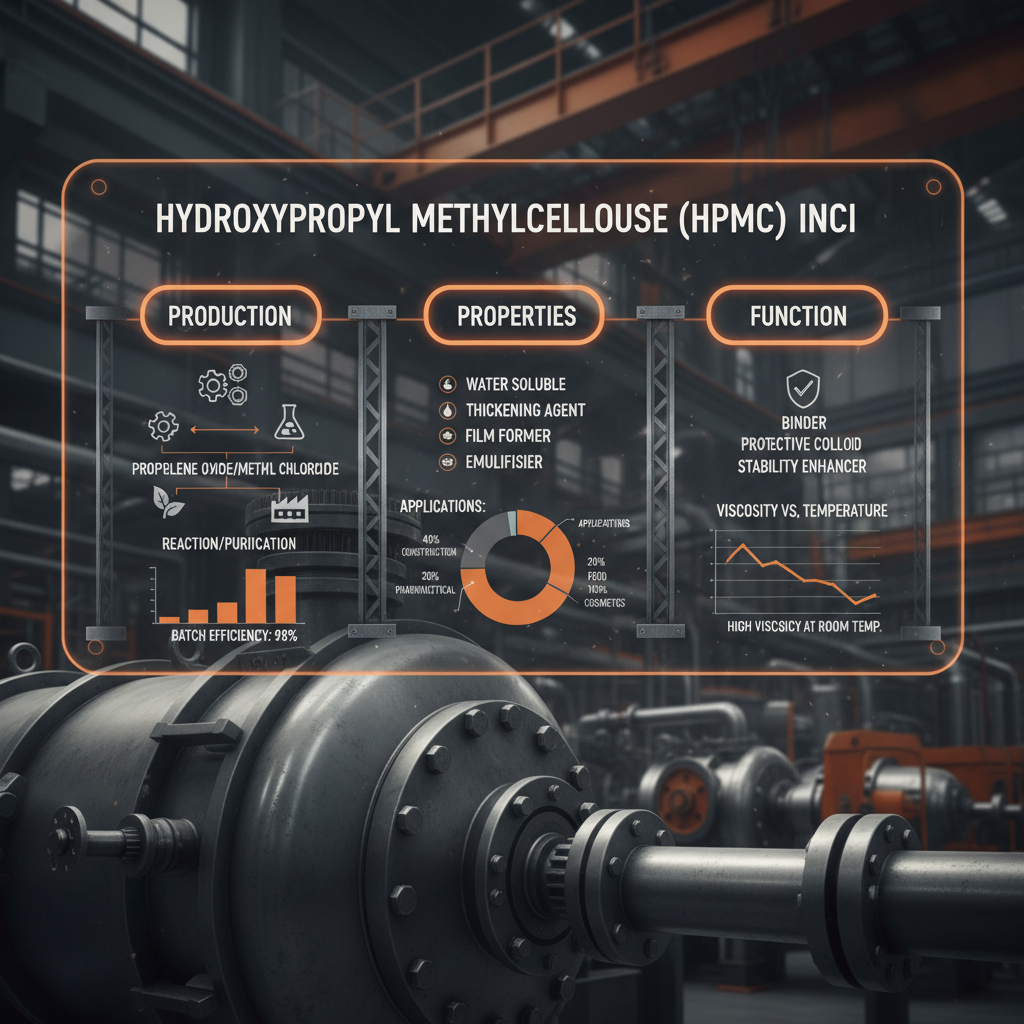
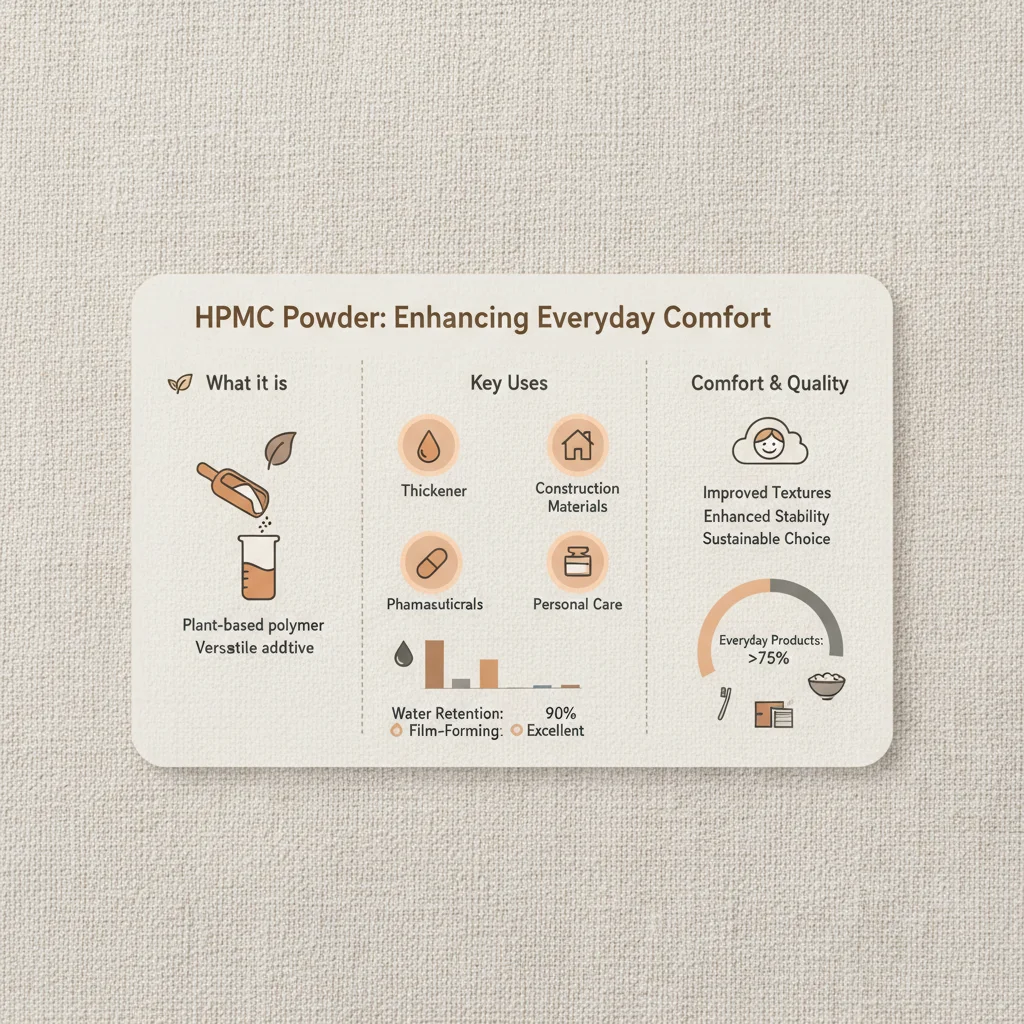
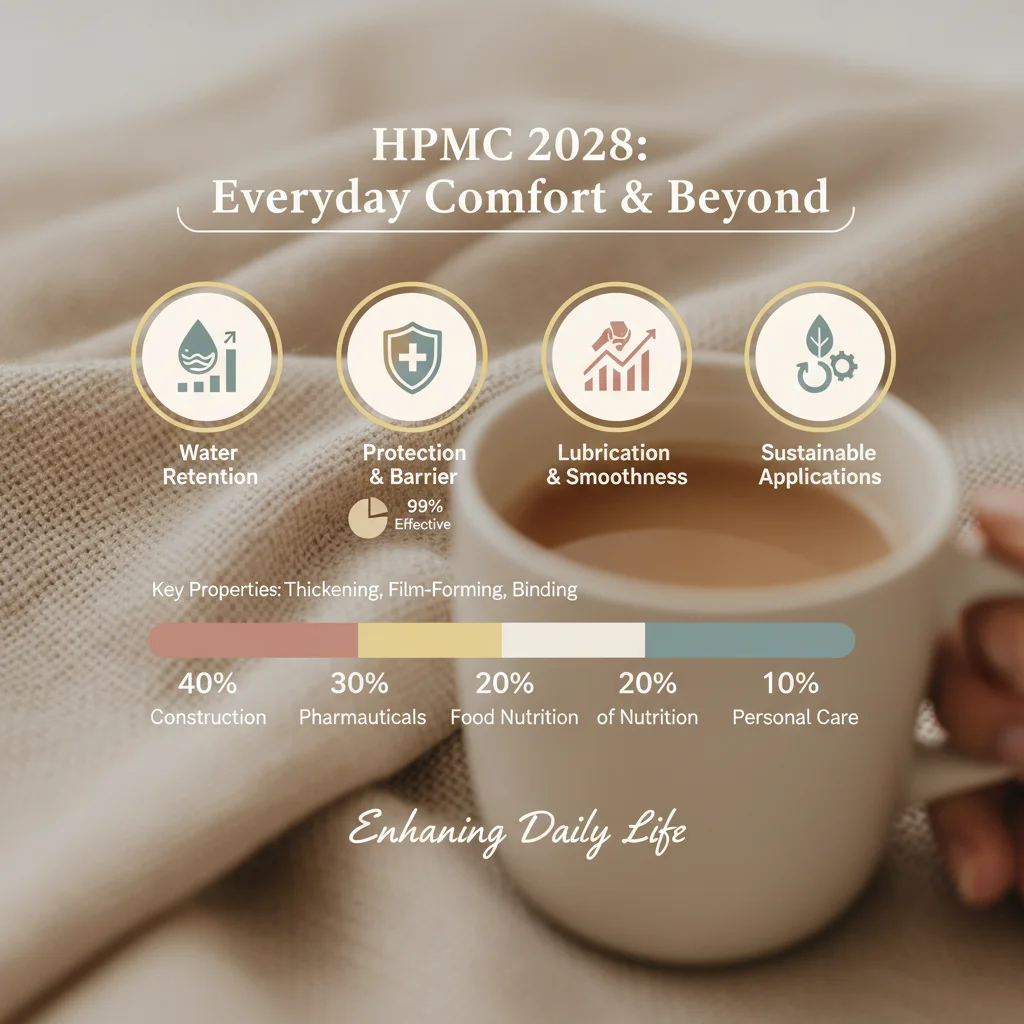
Hydroxypropyl methylcellulose (HPMC) is a versatile cellulose ether derivative gaining increasing prominence across diverse industries globally. Its unique properties, stemming from its chemical structure and modification, make it invaluable in applications ranging from pharmaceuticals and food to construction and cosmetics. Understanding the intricacies of hydroxypropyl methylcellulose inci is crucial for formulators, researchers, and manufacturers aiming to optimize product performance and meet evolving consumer demands. This detailed exploration will delve into the nuances of this critical compound.
The global demand for cellulose ethers, including HPMC, is experiencing robust growth, driven by factors such as increasing construction activity in emerging economies, rising demand for processed foods, and advancements in pharmaceutical formulations. According to market reports, the cellulose ether market is projected to reach substantial value in the coming years, demonstrating its economic significance. However, ensuring sustainable sourcing and responsible manufacturing of hydroxypropyl methylcellulose inci remain critical challenges.
HPMC addresses these challenges by providing a stable, non-toxic, and readily customizable ingredient. Its ability to act as a thickener, binder, film-former, and protective colloid makes it an essential component in countless products. The versatility of hydroxypropyl methylcellulose inci empowers innovation and efficiency across a broad spectrum of industrial applications.
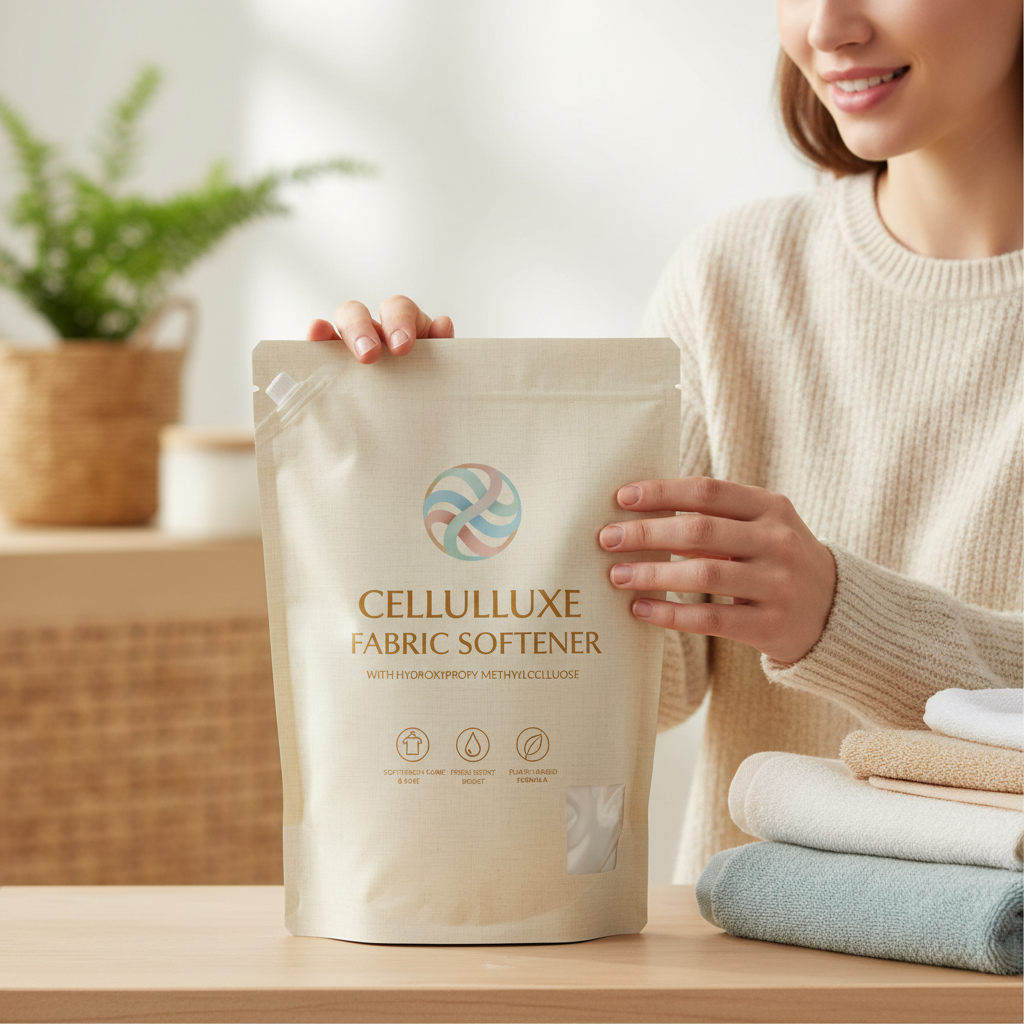
Introduction to Hydroxypropyl Methylcellulose INCI
Hydroxypropyl methylcellulose (HPMC) is a semi-synthetic polymer derived from cellulose, a naturally abundant polysaccharide found in plant cell walls. The 'INCI' designation – International Nomenclature of Cosmetic Ingredients – specifically identifies it for use in cosmetic and personal care products. Understanding the INCI name is crucial for formulation chemists and regulatory compliance in these industries. hydroxypropyl methylcellulose inci acts as a multifunctional ingredient offering thickening, binding, film-forming, and stabilizing properties.
Its widespread use is attributed to its non-ionic nature, biocompatibility, and ability to be customized through varying degrees of substitution, allowing manufacturers to tailor its properties to specific applications. The versatility of HPMC makes it a cornerstone ingredient in countless products we use daily, demonstrating its global relevance.
Defining Hydroxypropyl Methylcellulose INCI
hydroxypropyl methylcellulose inci is a cellulose ether, created by chemically modifying cellulose through reactions with methyl chloride and propylene oxide. This process introduces methoxypropyl groups along the cellulose chain, altering its physical and chemical properties. The amount of these groups controls the polymer’s characteristics like solubility, gelation temperature, and viscosity. The INCI name is standardized to ensure clear and consistent ingredient labeling in cosmetic products globally.
This modification allows HPMC to be soluble in both water and organic solvents, making it suitable for a broad range of formulations. Its non-ionic nature means it’s relatively unaffected by pH changes, contributing to product stability. This characteristic is crucial in maintaining the efficacy and integrity of sensitive cosmetic and pharmaceutical formulations.
Crucially, HPMC serves as a valuable alternative to animal-derived ingredients, appealing to growing consumer demand for vegan and cruelty-free products. Its synthetic nature, however, doesn’t compromise its biocompatibility, making it a safe and effective ingredient for various applications.
Key Characteristics of Hydroxypropyl Methylcellulose INCI
The defining characteristics of hydroxypropyl methylcellulose inci are directly linked to its molecular structure and the degree of substitution. Viscosity, a crucial property for many applications, can be precisely controlled during manufacturing, resulting in a range of grades suitable for different formulation needs. This control allows for tailored thickening and texture enhancement in diverse products.
Another key characteristic is its thermal gelation property. When heated, HPMC solutions undergo a reversible phase transition from a liquid to a gel, which is exploited in applications like controlled-release drug delivery systems and temperature-sensitive cosmetics. This unique behaviour offers opportunities for innovative product development and enhanced functionality.
Furthermore, HPMC exhibits excellent film-forming capabilities, creating flexible and transparent films with good barrier properties. This attribute makes it valuable in coatings for tablets, sustained-release formulations, and protective layers in cosmetic products. The biocompatibility and non-toxicity of HPMC further enhance its appeal in these sensitive applications.
Applications of Hydroxypropyl Methylcellulose INCI
The versatility of hydroxypropyl methylcellulose inci leads to its widespread use across numerous industries. In the pharmaceutical sector, it is employed as a binder in tablets, a coating agent for sustained-release formulations, and a viscosity-enhancing agent in liquid medications. Its ability to control drug release is paramount in optimizing therapeutic efficacy.
Within the food industry, HPMC functions as a thickener, stabilizer, and emulsifier in various products, including sauces, dressings, and desserts. It improves texture, enhances shelf life, and prevents ingredient separation. Its use also extends to gluten-free baking, providing structure and improving the texture of baked goods.
Hydroxypropyl Methylcellulose INCI Application Performance
Global Impact and Benefits of Hydroxypropyl Methylcellulose INCI
The widespread adoption of hydroxypropyl methylcellulose inci contributes to enhanced product quality and stability across multiple sectors. In developing nations, its affordability and effectiveness make it invaluable in pharmaceutical formulations, improving access to essential medicines. Its versatility reduces the need for multiple ingredients, streamlining production processes and reducing costs.
The use of HPMC also reduces reliance on animal-derived products, aligning with ethical consumer preferences and promoting sustainable manufacturing practices. Its compatibility with a wide range of ingredients allows for formulation flexibility, enabling manufacturers to create innovative and customized products to meet evolving market demands.
Long-Term Value and Sustainability of Hydroxypropyl Methylcellulose INCI
Investing in hydroxypropyl methylcellulose inci translates to long-term benefits beyond immediate performance improvements. Its inherent stability enhances product shelf life, reducing waste and lowering overall costs. The increasing focus on sustainability drives demand for bio-based and responsibly sourced ingredients like cellulose, positioning HPMC as a future-proof solution.
Furthermore, the customizable nature of HPMC allows for optimized formulations, minimizing the amount of ingredient required while maintaining efficacy. This reduces the environmental footprint of manufacturing processes and contributes to resource conservation. Its versatility also allows for the development of more sustainable packaging solutions, further enhancing its value.
The biocompatibility and non-toxicity of hydroxypropyl methylcellulose inci inspire confidence in consumers and build brand trust, fostering long-term customer loyalty.
Future Trends and Innovation with Hydroxypropyl Methylcellulose INCI
Ongoing research focuses on enhancing the functionality of hydroxypropyl methylcellulose inci through innovative modification techniques. Exploring new substitution patterns and blending HPMC with other polymers opens avenues for creating materials with tailored properties for specific applications, such as advanced drug delivery systems and bio-based packaging.
The rise of 3D printing and personalized medicine presents exciting opportunities for HPMC-based formulations. Its ability to form stable gels and films makes it ideal for creating customized dosage forms and biocompatible scaffolds for tissue engineering. Digitalization and automation in manufacturing will also facilitate more precise control over HPMC production, ensuring consistent quality and optimized performance.
Green chemistry principles are driving the development of more sustainable HPMC production processes, utilizing renewable resources and minimizing waste. This commitment to environmental responsibility will further solidify its position as a key ingredient in a circular economy.
Summary of Challenges and Solutions Regarding Theme Seven
| Challenge |
Impact on Hydroxypropyl Methylcellulose INCI |
Proposed Solution |
Implementation Feasibility (1-10) |
| Sourcing of Cellulose |
Sustainability concerns regarding deforestation. |
Utilize cellulose from sustainable sources (e.g., bamboo, agricultural waste). |
8 |
| Process Optimization |
High energy consumption during HPMC manufacturing. |
Implement energy-efficient technologies and explore alternative solvents. |
7 |
| Consistency of Product Quality |
Variations in substitution degree affecting product performance. |
Enhanced process control and real-time monitoring during manufacturing. |
9 |
| Cost Competitiveness |
Compared to other polymers, HPMC can be relatively expensive. |
Optimize production efficiency and explore alternative raw material sources. |
6 |
| Regulatory Compliance |
Stringent regulations regarding ingredient safety and purity. |
Adherence to international standards (e.g., USP, EP) and rigorous quality control. |
10 |
| Environmental Impact of Waste |
Proper handling and disposal of HPMC waste materials. |
Explore biodegradable HPMC grades and implement waste recycling programs. |
7 |
FAQS
Hydroxypropyl methylcellulose INCI functions primarily as a thickener, stabilizer, film-former, and emulsion stabilizer in cosmetic products. It imparts desirable texture and consistency to creams, lotions, and gels, while also enhancing product stability and preventing ingredient separation. Its film-forming properties contribute to a smooth and even application.
Hydroxypropyl methylcellulose INCI is generally considered safe for sensitive skin as it is non-toxic and non-irritating. It doesn’t penetrate the skin deeply and is biocompatible, meaning it’s well-tolerated by the body. However, as with any ingredient, a small percentage of individuals might experience allergic reactions. Patch testing is always recommended before widespread use.
HPMC differs from other cellulose ethers like carboxymethyl cellulose (CMC) or hydroxyethyl cellulose (HEC) in its specific chemical modification. The combination of methoxypropyl groups in HPMC imparts unique properties like thermal gelation and increased hydrophobicity compared to other cellulose derivatives. These differences influence their solubility, viscosity, and overall performance in formulations.
The molecular weight of HPMC significantly impacts its viscosity and solution properties. Higher molecular weight HPMC provides greater thickening power but can also lead to increased solution viscosity. Lower molecular weight HPMC offers easier handling and lower viscosity but may have reduced film-forming ability. Formulators choose the appropriate molecular weight based on the desired product characteristics.
Yes, hydroxypropyl methylcellulose INCI is a plant-derived ingredient, making it suitable for vegan formulations. It is produced from cellulose, which is extracted from wood pulp or cotton linters. Unlike some other ingredients, it does not involve any animal-derived components or animal testing, aligning with vegan and cruelty-free principles.
Hydroxypropyl methylcellulose INCI should be stored in a cool, dry place away from direct sunlight and heat. Exposure to moisture can cause clumping and affect its performance. Keeping it in a tightly sealed container will prevent moisture absorption and ensure its long-term stability. Proper storage is crucial for preserving its thickening and film-forming properties.
Conclusion
In conclusion, hydroxypropyl methylcellulose INCI stands out as a remarkably versatile and valuable ingredient across a diverse range of industries, from pharmaceuticals and food to cosmetics and construction. Its customizable properties, coupled with its safety profile and sustainability aspects, make it an essential component in modern formulations. Understanding its intricacies and optimizing its application is paramount for innovation and product excellence.
Looking ahead, continued research and development will unlock even more possibilities for hydroxypropyl methylcellulose inci, particularly in emerging fields like 3D printing and personalized medicine. Embracing sustainable sourcing practices and efficient manufacturing processes will further solidify its position as a key enabler of a greener, more innovative future. Visit our website at www.tjhpmc.com to learn more.