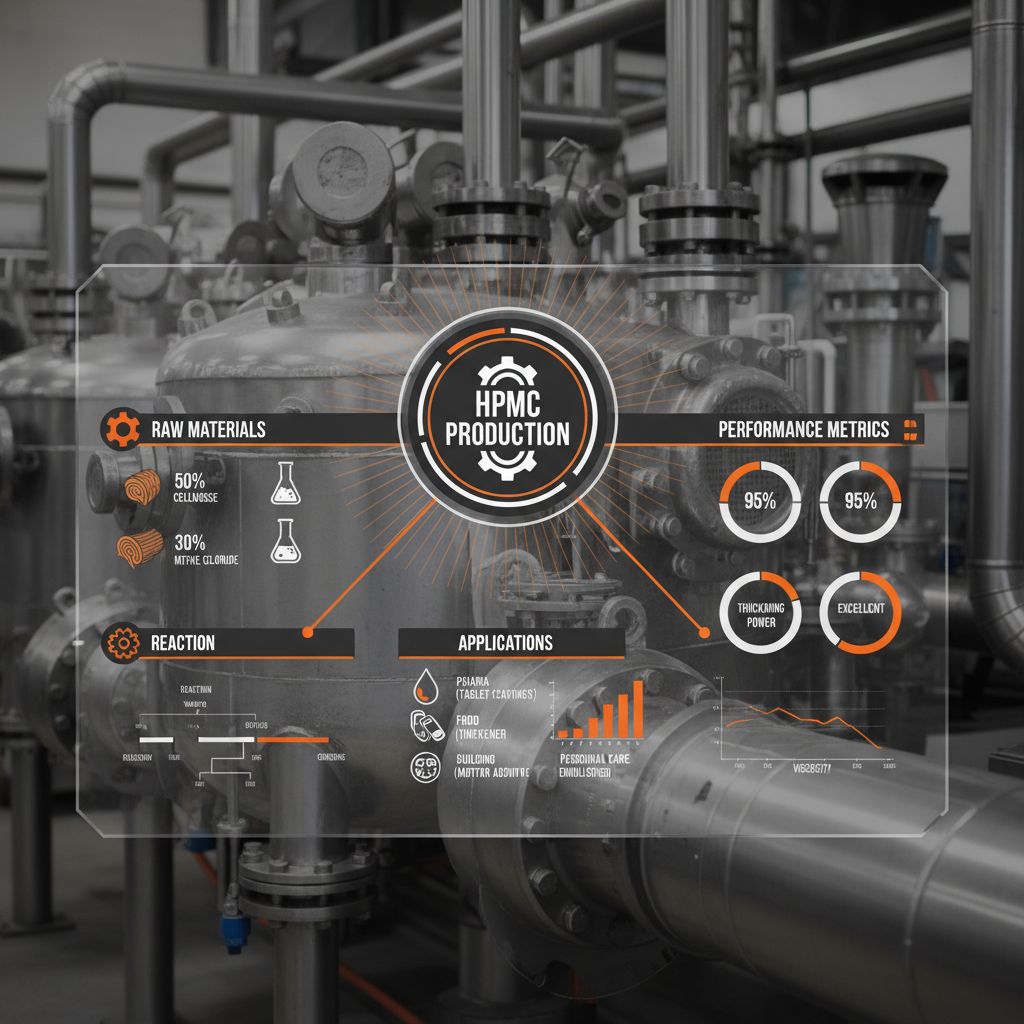
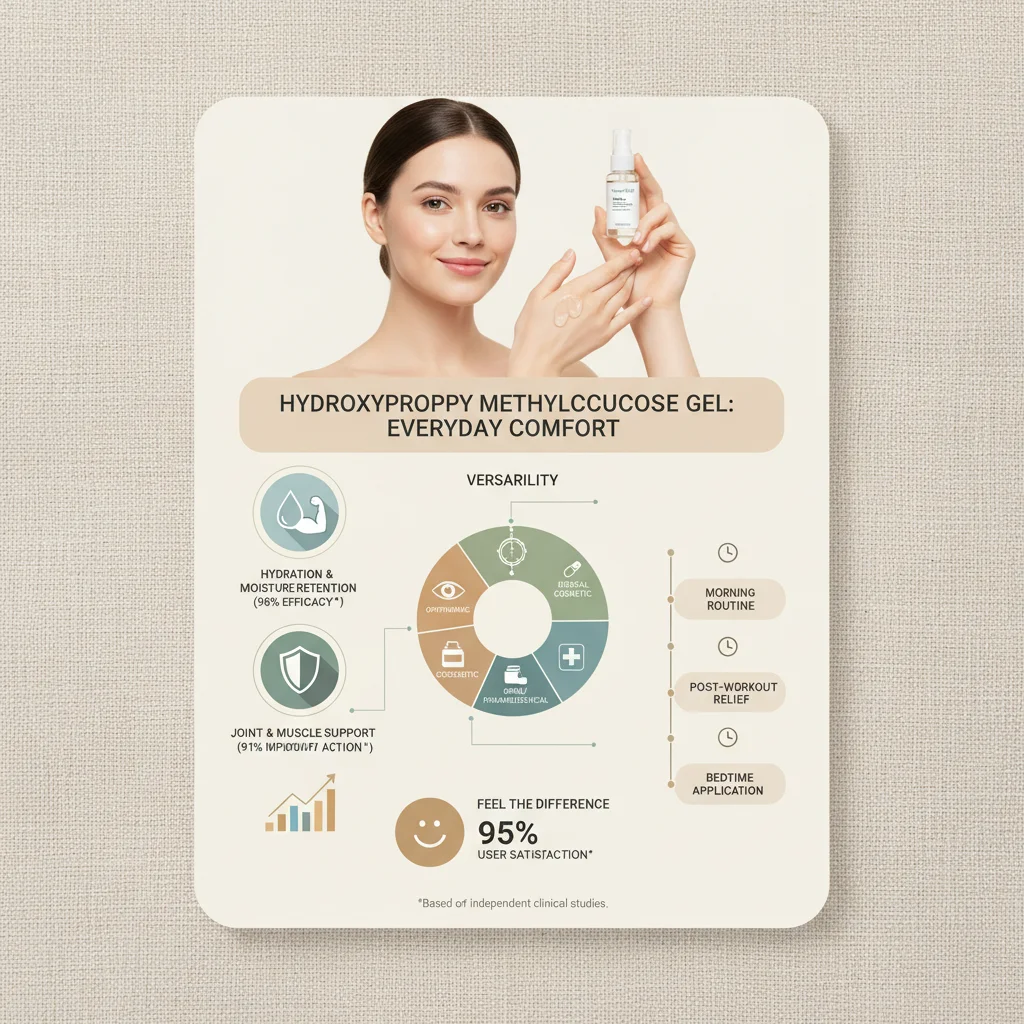
Hydroxypropyl methylcellulose (HPMC) hypromellose is a versatile polymer widely utilized across diverse industries, from pharmaceuticals and food to construction and cosmetics. Its significance stems from its unique combination of properties – water solubility, thickening ability, film-forming capacity, and thermal gelation. Globally, the demand for HPMC hypromellose is steadily increasing, driven by advancements in drug delivery systems, the growing demand for processed foods, and a rising awareness of sustainable building materials. Understanding the nuances of hydroxypropyl methylcellulose hypromellose is crucial for innovators seeking to leverage its potential for improved product performance and sustainability.
The global HPMC hypromellose market is projected to reach substantial growth figures in the coming years, fueled by a rapidly aging population requiring innovative pharmaceutical formulations, and the expanding construction sector emphasizing eco-friendly solutions. According to market research reports, the Asia-Pacific region currently dominates HPMC hypromellose consumption, owing to its significant pharmaceutical and food processing industries. However, North America and Europe are witnessing increased demand for specialty grades of HPMC hypromellose in advanced applications.
Hydroxypropyl methylcellulose hypromellose addresses challenges related to product stability, controlled release, and textural modification, making it an essential component in numerous formulations. Its biocompatibility and non-toxicity further contribute to its widespread adoption, positioning it as a key ingredient in creating safe and effective products for consumers worldwide.
Introduction to hydroxypropyl methylcellulose hypromellose
Hydroxypropyl methylcellulose hypromellose is a non-ionic cellulose ether derived from cellulose through chemical modification. This modification introduces hydroxypropyl and methyl groups, granting it a unique set of properties crucial for diverse industrial applications. Understanding these modifications is key to appreciating the versatility of hydroxypropyl methylcellulose hypromellose and its ability to function effectively in various environments.
The creation of hydroxypropyl methylcellulose hypromellose represents a significant advancement in polymer chemistry. Its development has enabled the creation of countless products with enhanced functionality, improved stability, and superior performance. From ensuring the consistent texture of food products to facilitating the controlled release of medication, hydroxypropyl methylcellulose hypromellose plays a vital role in improving quality of life.
Defining hydroxypropyl methylcellulose hypromellose
Hydroxypropyl methylcellulose hypromellose is a polymer often described as a white to off-white granular powder. It's characterized by its ability to dissolve in water, forming clear, viscous solutions. The degree of substitution (DS) of the hydroxypropyl and methyl groups dictates the polymer’s properties like viscosity, gelation temperature, and solubility. These varying grades enable tailored solutions for specific applications.
Unlike many other polymers, hydroxypropyl methylcellulose hypromellose is not ionic, meaning it doesn't carry an electrical charge. This neutrality contributes to its excellent compatibility with a wide range of other ingredients, including both hydrophilic and hydrophobic substances. This compatibility is critical in formulation processes across various sectors.
Its connection to modern industry and humanitarian needs lies in its versatility. In pharmaceuticals, it acts as a binder, film-coating agent, and controlled-release matrix. In food, it provides texture, stability, and acts as a thickener. In construction, HPMC hypromellose enhances workability and water retention in cement-based products, addressing challenges in building and infrastructure development.
Core Properties of hydroxypropyl methylcellulose hypromellose
The core properties of hydroxypropyl methylcellulose hypromellose stem from its cellulose ether structure. Its water solubility allows for the creation of aqueous solutions with varying viscosities, depending on the grade and concentration. This makes it ideal for applications requiring thickening or stabilizing effects.
Thermal gelation is another defining characteristic. When heated, solutions of HPMC hypromellose transition from a liquid to a gel, a property exploited in applications like tablet coating and controlled-release formulations. The gelation temperature is also tunable based on the specific grade, allowing for tailored performance.
Film-forming capability is essential in applications such as pharmaceutical coatings and food packaging. HPMC hypromellose forms strong, flexible, and transparent films that protect products from moisture, oxygen, and other environmental factors. This contributes to product stability and extended shelf life.
Key Factors Influencing HPMC Hypromellose Performance
Viscosity grade is a primary factor determining HPMC hypromellose's performance. Higher viscosity grades provide greater thickening and stabilizing effects, while lower viscosity grades are suitable for applications requiring less resistance to flow. Selecting the appropriate viscosity is crucial for achieving the desired functionality.
The degree of substitution (DS) impacts solubility, gelation temperature, and surface activity. A higher DS generally increases solubility in water and lowers the gelation temperature. Careful consideration of the DS is essential when formulating products intended for specific temperature ranges or solubility requirements.
HPMC Hypromellose Performance Comparison
Global Applications of hydroxypropyl methylcellulose hypromellose
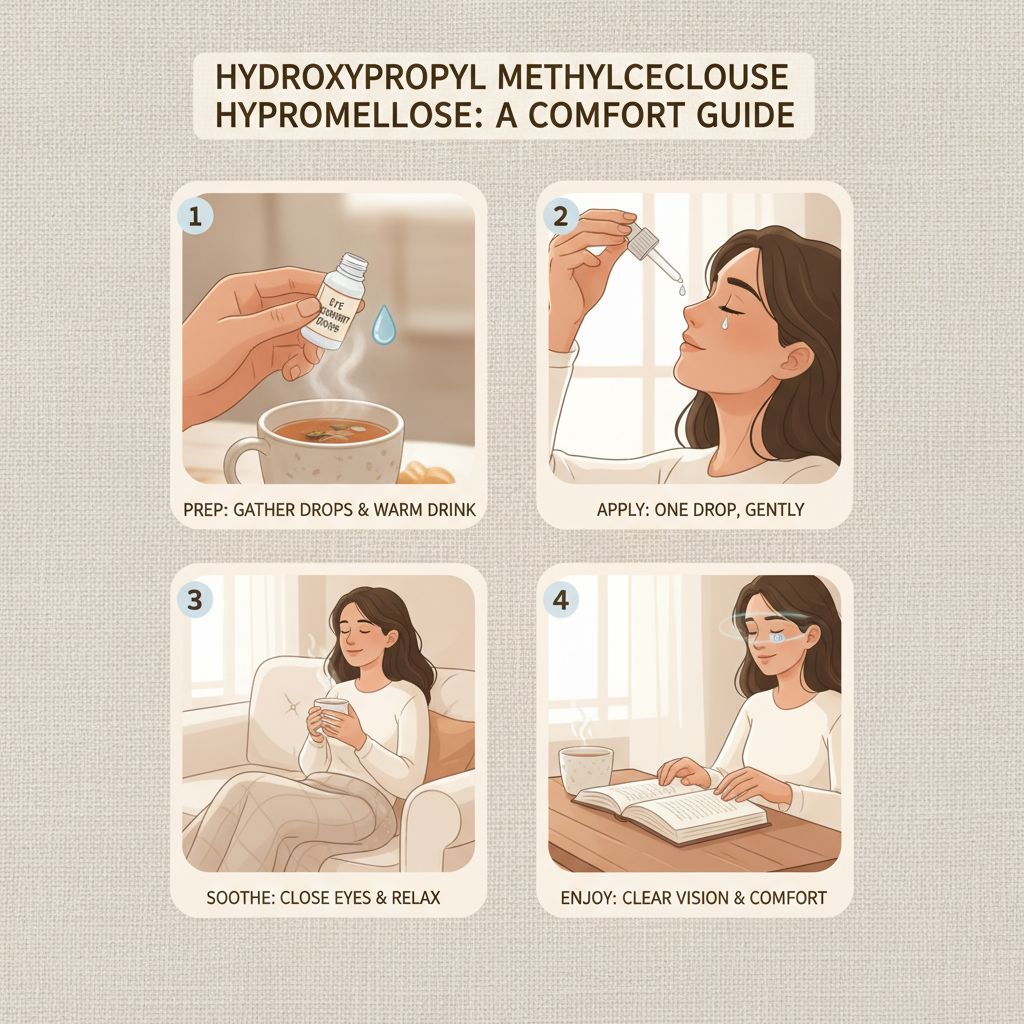
In the pharmaceutical industry, hydroxypropyl methylcellulose hypromellose is extensively used as a film-coating agent for tablets, providing protection and controlled release of the active ingredient. It’s also a crucial excipient in the formulation of eye drops, ensuring lubrication and prolonged contact time. Regions like India and China, with their burgeoning pharmaceutical sectors, show particularly strong demand.
Within the food industry, HPMC hypromellose serves as a thickener, stabilizer, and emulsifier in a vast range of products – from sauces and desserts to baked goods and dairy alternatives. Its ability to improve texture and prevent syneresis (water separation) makes it invaluable to food manufacturers across Europe and North America.
Advantages and Long-Term Value
The cost-effectiveness of hydroxypropyl methylcellulose hypromellose is a significant advantage. Compared to some synthetic polymers, HPMC hypromellose is often more competitively priced, making it an attractive option for manufacturers. Its versatility allows for a reduction in the number of ingredients required in a formulation, further lowering costs.
From a sustainability perspective, HPMC hypromellose is derived from cellulose, a renewable resource. Its biodegradability contributes to a reduced environmental footprint, appealing to consumers and companies alike. It's also non-toxic and biocompatible, ensuring safety in applications involving human contact.
The long-term value lies in its consistent performance and reliability. HPMC hypromellose-based products often exhibit extended shelf life and maintain their desired properties over time. This builds trust with consumers and reduces waste, contributing to a more sustainable and efficient supply chain.
Future Trends and Innovations in HPMC Hypromellose
Research is focusing on developing modified HPMC hypromellose grades with enhanced functionalities, such as improved solubility at lower temperatures or increased resistance to enzymatic degradation. These advancements will unlock new applications in targeted drug delivery and advanced food formulations.
The integration of nanotechnology with HPMC hypromellose is another emerging trend. Nano-encapsulation of bioactive compounds within HPMC hypromellose matrices can improve their bioavailability and protect them from degradation, paving the way for more effective pharmaceutical and nutraceutical products.
Sustainability is driving innovation in cellulose sourcing and HPMC hypromellose production processes. Companies are increasingly adopting eco-friendly manufacturing practices and exploring alternative cellulose sources to minimize environmental impact and promote circular economy principles.
Summary of Challenges and Solutions Regarding HPMC Hypromellose Performance
| Challenge |
Impact on Application |
Proposed Solution |
Expected Outcome |
| Low Solubility in Cold Water |
Difficulties in formulating instant beverages or cold-soluble pharmaceutical preparations. |
Utilizing lower viscosity grades or employing co-solvents. |
Improved dispersibility and faster dissolution in cold water. |
| Batch-to-Batch Variability |
Inconsistent product performance due to slight variations in DS or molecular weight. |
Implementing stringent quality control measures and sourcing from reputable suppliers. |
Enhanced product consistency and predictable performance. |
| Susceptibility to Microbial Degradation |
Reduced shelf life and potential for product spoilage in certain applications. |
Incorporating preservatives or employing sterilization techniques. |
Extended product shelf life and enhanced microbial stability. |
| High Viscosity at Low Concentrations |
Processing challenges due to increased resistance to flow during manufacturing. |
Selecting lower viscosity grades or adjusting the formulation to reduce HPMC hypromellose concentration. |
Improved processability and ease of handling during manufacturing. |
| Surface Tackiness |
Difficulties in handling and processing during film coating applications. |
Adding anti-tack agents like talc or using specialized coating equipment. |
Reduced tackiness and improved film formation during coating processes. |
| Limited Compatibility with Certain Polymers |
Phase separation or instability in mixed polymer systems. |
Carefully selecting compatible polymers and optimizing the formulation to promote miscibility. |
Stable and homogenous polymer blends with enhanced performance characteristics. |
FAQS
HPMC stands out due to its specific hydroxypropyl substitution, resulting in unique properties like excellent thermal gelation and controlled release capabilities. Compared to methylcellulose (MC), HPMC offers better solubility and reduced haze formation. Hydroxyethyl cellulose (HEC) generally exhibits higher water retention but lacks the thermal gelation characteristics of HPMC. Understanding these distinctions is crucial for selecting the appropriate cellulose ether for a given application.
Yes, hydroxypropyl methylcellulose hypromellose is widely recognized as safe for use in food applications by regulatory bodies like the FDA and EFSA. It is considered non-toxic and does not contribute significantly to caloric intake. However, adherence to specified usage levels and purity standards is essential to ensure compliance with food safety regulations. It’s a common ingredient in many processed foods due to its functionality and safety profile.
Viscosity grade is critical in tablet coating. Lower viscosity grades are preferred for initial spray application, allowing for even distribution and penetration of the coating solution. Higher viscosity grades are used in subsequent coats to build film thickness and provide robust protection. An appropriate viscosity profile ensures a smooth, uniform, and durable coating for the tablets.
HPMC hypromellose is generally stable when stored in a cool, dry place, protected from direct sunlight. Exposure to moisture can lead to clumping and a reduction in viscosity. Elevated temperatures can also accelerate degradation. Proper storage minimizes these effects and preserves the quality and functionality of the polymer over its shelf life.
Yes, HPMC is an excellent vegan alternative to gelatin. It provides similar film-forming and gelling properties without relying on animal-derived products. This makes it suitable for applications in pharmaceuticals, capsules, and food products where a vegan-friendly option is desired.
HPMC is derived from cellulose, a renewable resource, making it more environmentally friendly than many synthetic polymers. Manufacturing processes are becoming more sustainable, with a focus on reducing waste and energy consumption. Its biodegradability contributes to a lower environmental footprint. However, responsible sourcing of cellulose and efficient production methods are crucial for maximizing its sustainability benefits.
Conclusion
In conclusion, hydroxypropyl methylcellulose hypromellose stands as a remarkable polymer with a broad spectrum of applications and significant benefits. Its unique combination of properties – solubility, thickening ability, film formation, and thermal gelation – makes it indispensable across industries like pharmaceuticals, food, construction, and cosmetics. The ongoing research and development efforts focused on enhancing its functionality and sustainability ensure its continued relevance in addressing evolving global challenges.
Looking ahead, the future of hydroxypropyl methylcellulose hypromellose lies in the development of tailored grades for specialized applications, the integration of nanotechnology for enhanced performance, and a commitment to sustainable production practices. We encourage you to explore the full potential of HPMC hypromellose in your next innovation. Visit our website at www.tjhpmc.com to learn more about our products and services.