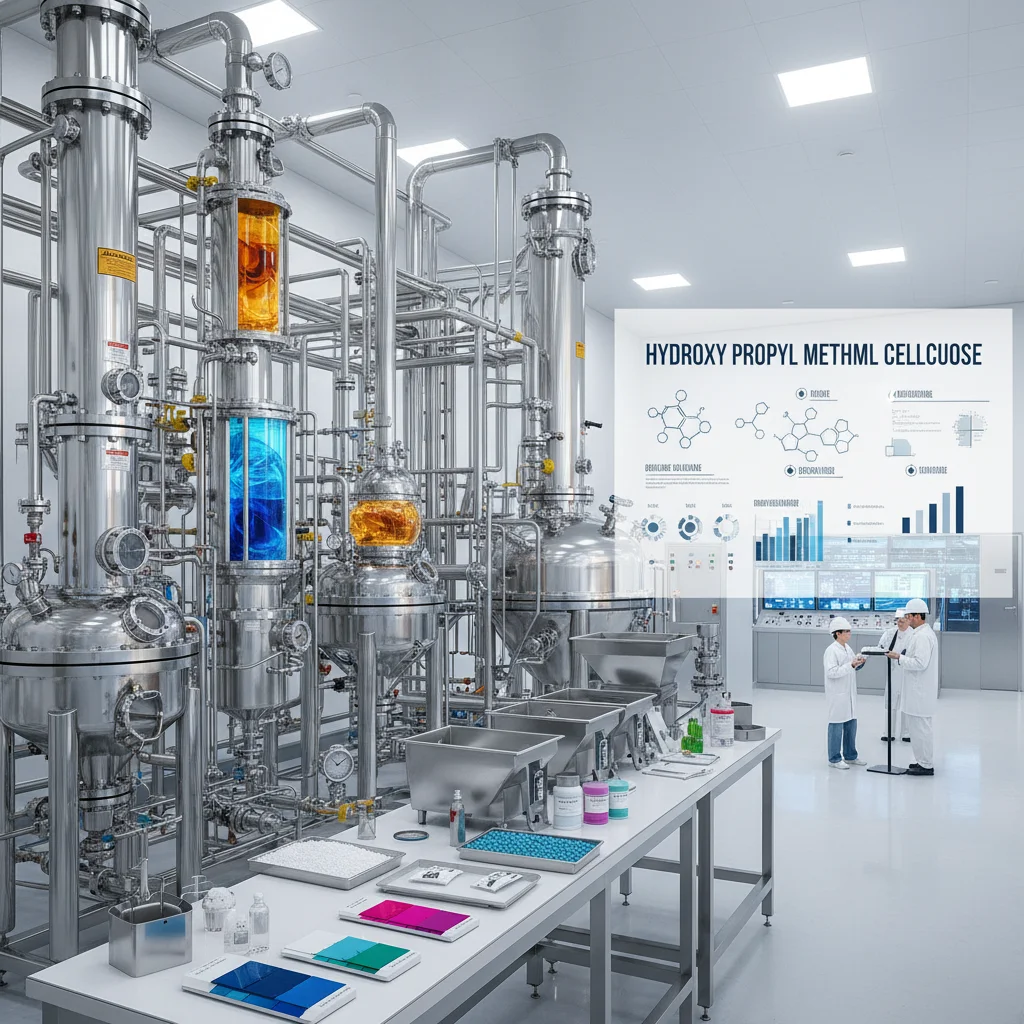
In the sophisticated world of specialty chemicals, hpmc e15 stands as a cornerstone additive, essential for achieving precise rheological control and stability in diverse industrial formulations. As a high-performance cellulose ether, it bridges the gap between raw material efficiency and end-product quality, ensuring that construction materials, pharmaceuticals, and personal care products maintain their integrity under varying environmental stresses.
Understanding the nuances of hpmc e15 is not merely a technical requirement but a strategic advantage for manufacturers aiming to optimize water retention and thickening properties. By manipulating the molecular structure of hydroxypropyl methylcellulose, this specific grade allows for a balanced viscosity that enhances workability while preventing premature sedimentation or shrinkage in sensitive applications.
Globally, the demand for high-purity hpmc e15 has surged as industries pivot toward sustainable, non-toxic, and bio-based polymers. Whether it is increasing the lifespan of a cement-based render or stabilizing a complex emulsion, this versatile agent provides the reliability and consistency required to meet rigorous ISO and international safety standards.
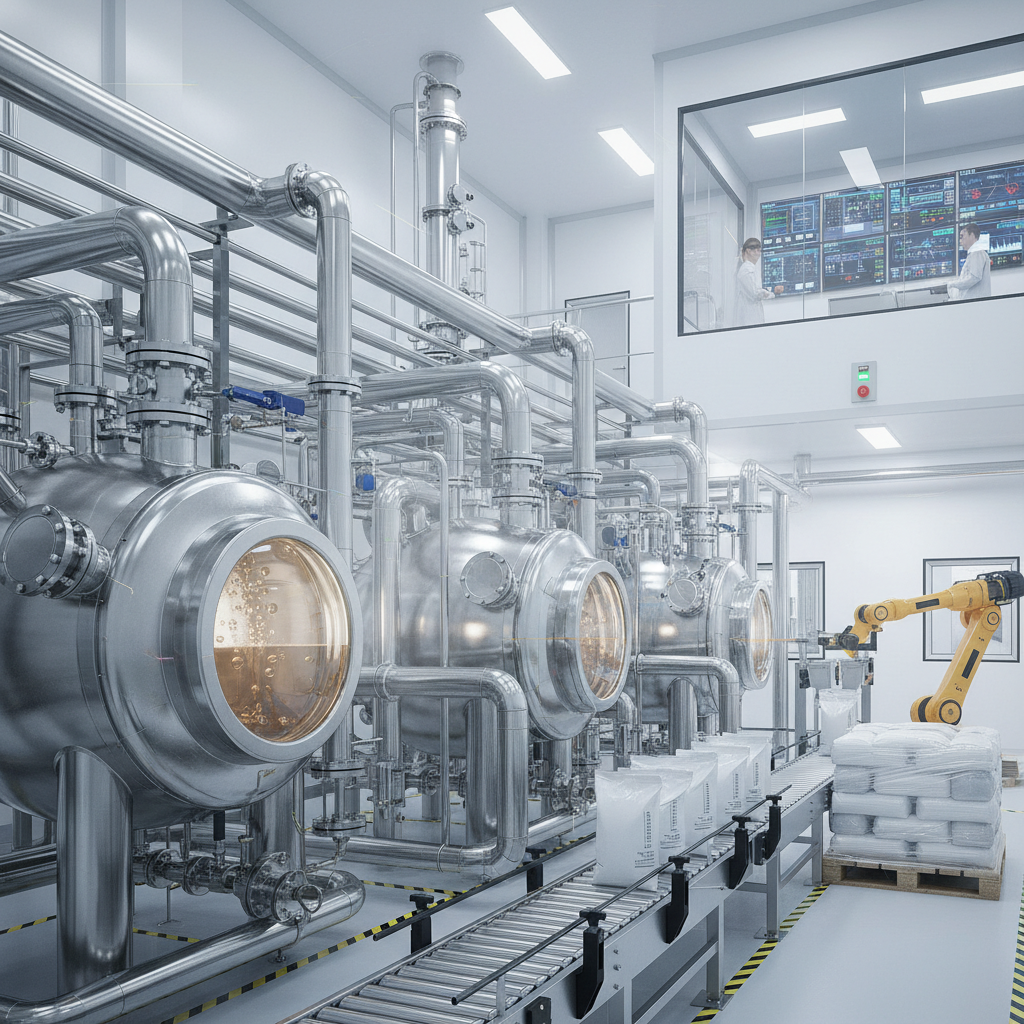
The Global Significance of hpmc e15 in Modern Industry
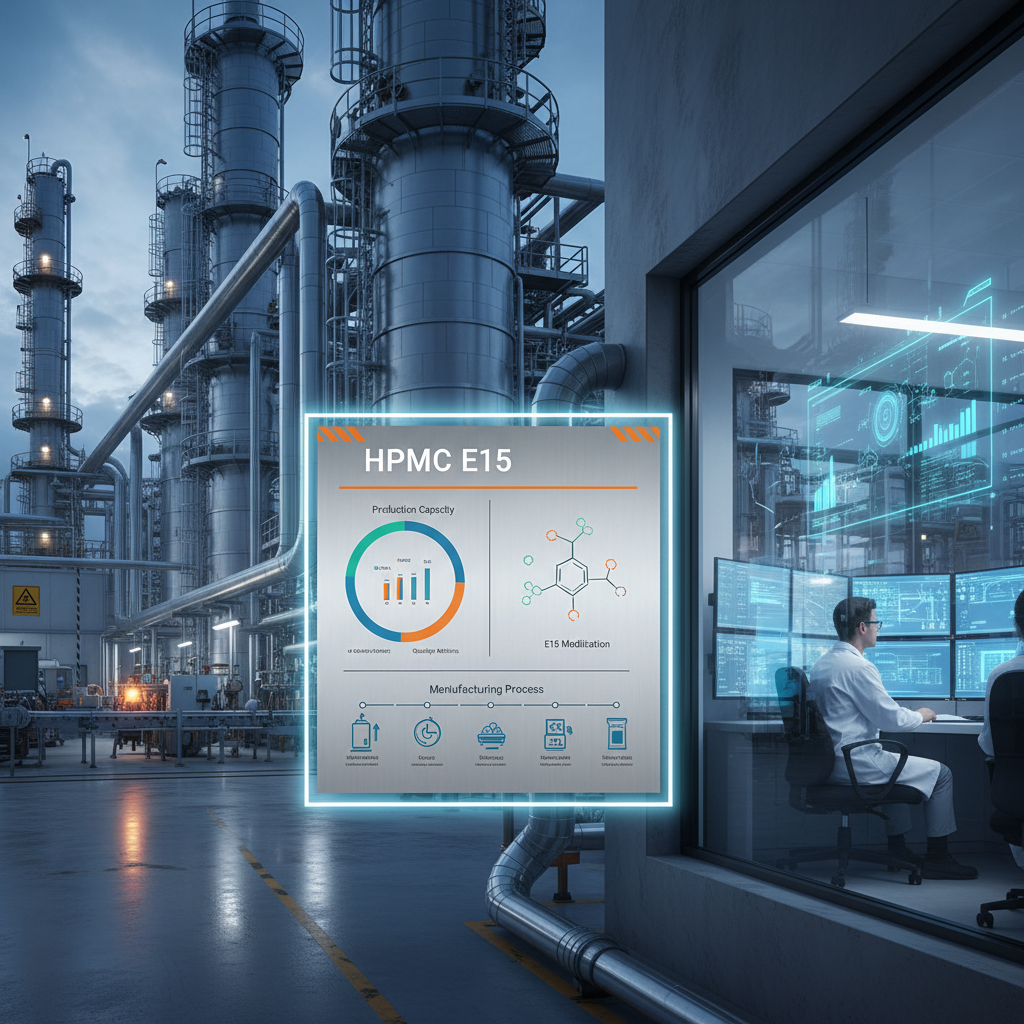
The global chemical landscape is currently undergoing a transition toward "smart additives" that can adapt to specific environmental conditions. Within this shift, hpmc e15 has emerged as a critical component, particularly in the Asia-Pacific and European markets where infrastructure development requires materials that can withstand extreme temperature fluctuations.
By optimizing the hydration process of cement and gypsum, this additive reduces the carbon footprint of construction by minimizing waste and improving the structural longevity of buildings. The integration of such high-efficiency polymers is now a standard practice for companies adhering to green building certifications and ISO environmental management systems.
Technical Definition and Chemical Properties of hpmc e15
Technically, hpmc e15 is a non-ionic cellulose ether derived from natural polymer cellulose through a series of chemical modification processes. By substituting some of the hydroxyl groups with methoxyl and hydroxypropyl groups, the resulting molecule gains unique solubility and thickening properties that are indispensable for maintaining the stability of aqueous solutions.
Unlike standard cellulose derivatives, the "E15" specification denotes a specific viscosity range and purity level designed for high-shear environments. This ensures that the polymer does not break down prematurely when mixed into industrial pastes, providing a consistent gel-like structure that prevents the separation of liquid and solid phases during storage and transport.
From a molecular standpoint, the efficacy of hpmc e15 lies in its ability to form a protective film around particles. This mechanism not only slows down the evaporation of water—which is critical for the curing process in mortar—but also improves the overall adhesion of the material to various substrates, making it a versatile tool for chemists and engineers alike.
Core Components Driving hpmc e15 Performance
The operational success of hpmc e15 is primarily driven by its superior Water Retention Capacity. In construction, this prevents the "burn-out" of cement by ensuring that water remains available for the chemical reaction of hydration, leading to stronger, crack-free surfaces.
Another pivotal factor is the Thermal Gelation property of hpmc e15. This allows the substance to transition from a liquid to a gel state at a specific temperature, a feature that is heavily exploited in the pharmaceutical industry for controlled-release drug delivery systems and in specialized cosmetics for temperature-sensitive textures.
Lastly, the chemical stability and compatibility of hpmc e15 make it an ideal binder. It integrates seamlessly with other additives like CMC or redispersible polymer powders, enhancing the scalability of production lines without compromising the purity or safety of the final consumer product.
Global Applications and Sector-Specific Use Cases
The versatility of hpmc e15 allows it to transcend a single industry. In the construction sector of the Middle East, for instance, it is used extensively in tile adhesives and wall putties to counteract the rapid evaporation caused by arid climates, ensuring that the bonds remain durable over decades.
Beyond construction, the pharmaceutical grade of hpmc e15 is utilized globally in the creation of hypoallergenic capsule shells and lubricant eye drops. Its biocompatibility and non-toxic nature ensure that it meets the stringent requirements of the FDA and EMA, providing a safe vehicle for active pharmaceutical ingredients.
Performance Metrics of hpmc e15 Across Applications
Tangible Advantages and Long-Term Industrial Value
Investing in high-quality hpmc e15 delivers immediate cost efficiencies by reducing the volume of materials needed to achieve a desired viscosity. This "less is more" approach not only lowers raw material expenditure but also minimizes logistics costs, as smaller quantities of the additive can stabilize larger batches of product.
Moreover, the long-term value lies in the enhanced reliability and trust it builds with end-users. When a building's exterior render does not crack or a pharmaceutical tablet dissolves at the exact intended rate, it is a testament to the precision of the hpmc e15 used. This reliability fosters brand loyalty and reduces the risk of costly product recalls or structural failures.
Future Trends and Sustainable Innovations in hpmc e15
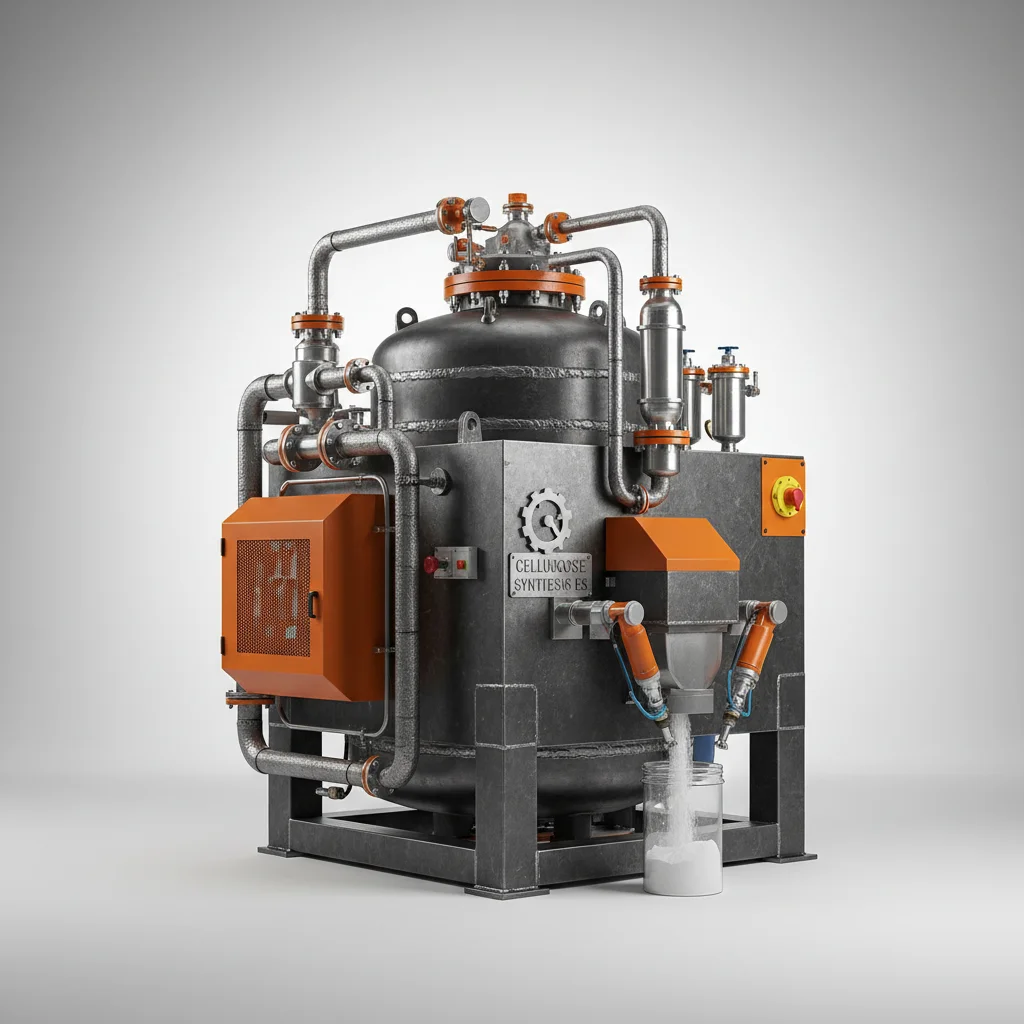
The future of hpmc e15 is inextricably linked to the "Green Chemistry" movement. Researchers are currently exploring ways to synthesize cellulose ethers using more sustainable solvents and catalysts, reducing the environmental impact of the manufacturing process while maintaining the high purity levels of the E15 grade.
Digital transformation is also playing a role, with AI-driven formulation software now allowing chemists to predict the exact amount of hpmc e15 required for a specific climate or substrate. This precision prevents over-dosage and ensures that the final product is optimized for both performance and sustainability.
Additionally, we are seeing a trend toward "multifunctional" grades of hpmc e15 that combine thickening properties with antimicrobial or hydrophobic features. This innovation will likely reduce the number of additives required in complex mixtures, simplifying the supply chain and improving the safety profile of industrial chemicals.
Overcoming Challenges in hpmc e15 Implementation
One of the primary challenges in using hpmc e15 is the risk of "lumping" or poor dispersion during the initial mixing phase. This occurs when the powder is added too quickly to the water, creating a gel-like skin around unhydrated particles. To solve this, experts recommend the use of high-shear mixers or pre-dispersing the additive in a small amount of solvent before full integration.
Another common limitation is the sensitivity of hpmc e15 to extreme pH levels, which can lead to the degradation of the polymer chain. By implementing buffered systems or selecting pH-stable variants of the E15 grade, manufacturers can ensure that the viscosity remains constant throughout the shelf life of the product.
Lastly, the cost of premium hpmc e15 can be a deterrent for smaller operations. However, the solution lies in performing a comprehensive cost-benefit analysis; the reduction in waste and the increase in final product quality almost always outweigh the initial price premium of high-grade cellulose ethers.
Comparative Analysis of hpmc e15 Application Parameters
| Application Area |
Viscosity Requirement |
Retention Score (1-10) |
Stability Period |
| Wall Putty |
Medium-High |
9 |
12 Months |
| Tile Adhesive |
High |
10 |
18 Months |
| Drug Capsules |
Low-Medium |
7 |
24 Months |
| Skin Cream |
Medium |
8 |
12 Months |
| Ceramic Glaze |
High |
6 |
6 Months |
| Self-Leveling Floor |
Medium |
9 |
12 Months |
FAQS
The "E15" designation typically refers to a specific viscosity and purity profile tailored for high-stability applications. While standard HPMC provides general thickening, hpmc e15 is optimized for superior water retention and a specific thermal gelation point, making it more suitable for professional-grade construction materials and pharmaceutical coatings where precision is non-negotiable.
Lumping occurs due to the rapid hydration of the outer layer of the powder. To avoid this, we recommend adding hpmc e15 slowly into the water while maintaining constant, high-shear agitation. Alternatively, pre-mixing the powder with other dry components (like cement or pigments) before adding water can ensure a more uniform dispersion.
Yes, provided that the specific batch is "Pharma Grade" or "Food Grade." HPMC is generally recognized as safe (GRAS) and non-toxic. The hpmc e15 used in these industries undergoes rigorous purification to remove any residual solvents, ensuring it meets international health standards for biocompatibility.
It slows down the drying time by retaining water within the mixture. This is beneficial because it prevents the water from evaporating too quickly, which would otherwise cause the cement to shrink and crack. By using hpmc e15, you ensure a more controlled curing process, resulting in a denser and stronger final structure.
Not necessarily. While both are cellulose ethers, HPMC and CMC have different charge properties (non-ionic vs. anionic). hpmc e15 is generally more stable across a wider pH range and offers better thermal gelation properties, making it superior for applications requiring temperature-triggered changes or high chemical resistance.
When stored in its original, unopened packaging in a cool, dry place away from direct sunlight, hpmc e15 typically has a shelf life of 24 months. It is crucial to keep the container sealed to prevent moisture absorption, which can cause the powder to clump and reduce its dissolution efficiency.
Conclusion
In summary, hpmc e15 is far more than a simple thickener; it is a high-performance tool that optimizes the physical and chemical properties of materials across the construction, pharmaceutical, and cosmetic industries. From its critical role in water retention and thermal gelation to its ability to enhance the longevity of infrastructure, this additive provides a rare combination of technical efficiency and economic value.
Looking forward, the integration of hpmc e15 into sustainable, AI-optimized manufacturing processes will further solidify its place in the global supply chain. For manufacturers seeking to elevate their product quality while adhering to modern environmental standards, adopting high-purity cellulose ethers is not just a recommendation—it is a necessity for competitive growth. Visit our website for more information: www.tjhpmc.com