March 11, 2026
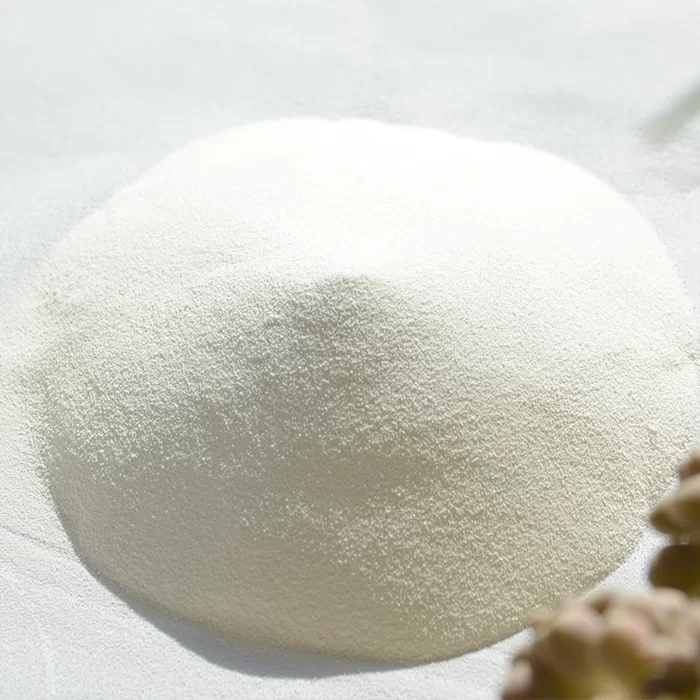
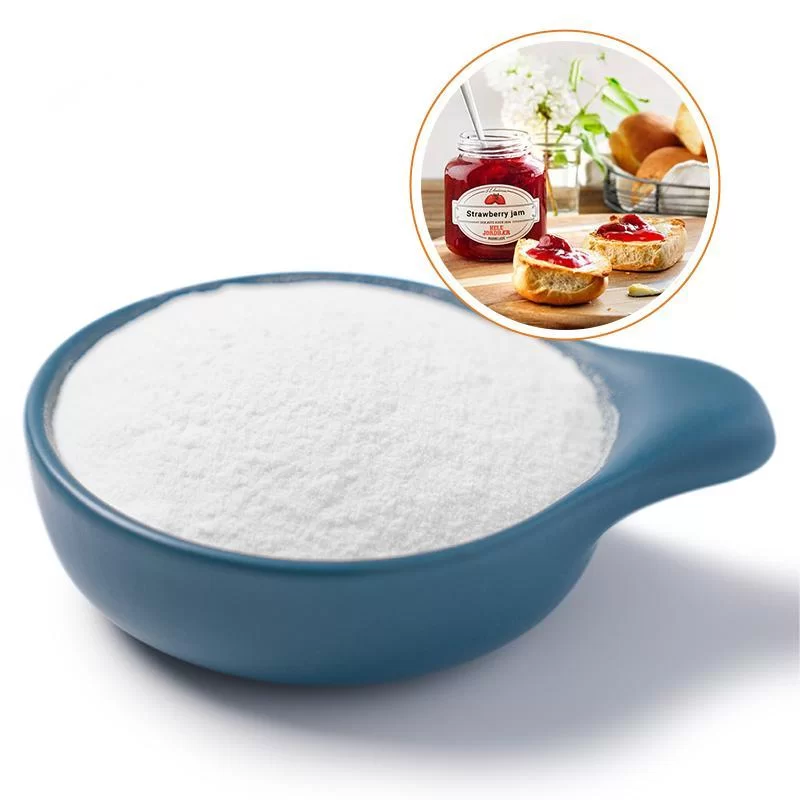
Hydroxypropyl methylcellulose (HPMC) powder is a versatile cellulose ether widely used across numerous industries including construction, pharmaceuticals, food, cosmetics, and more. Known for its thickening, binding, film-forming, and water-retention properties, HPMC is a crucial ingredient in many formulations. This article will delve into the characteristics, applications, grades, and benefits of HPMC powder, offering a comprehensive understanding for potential users and industry professionals. Understanding the nuances of HPMC can help optimize product performance and achieve desired results.
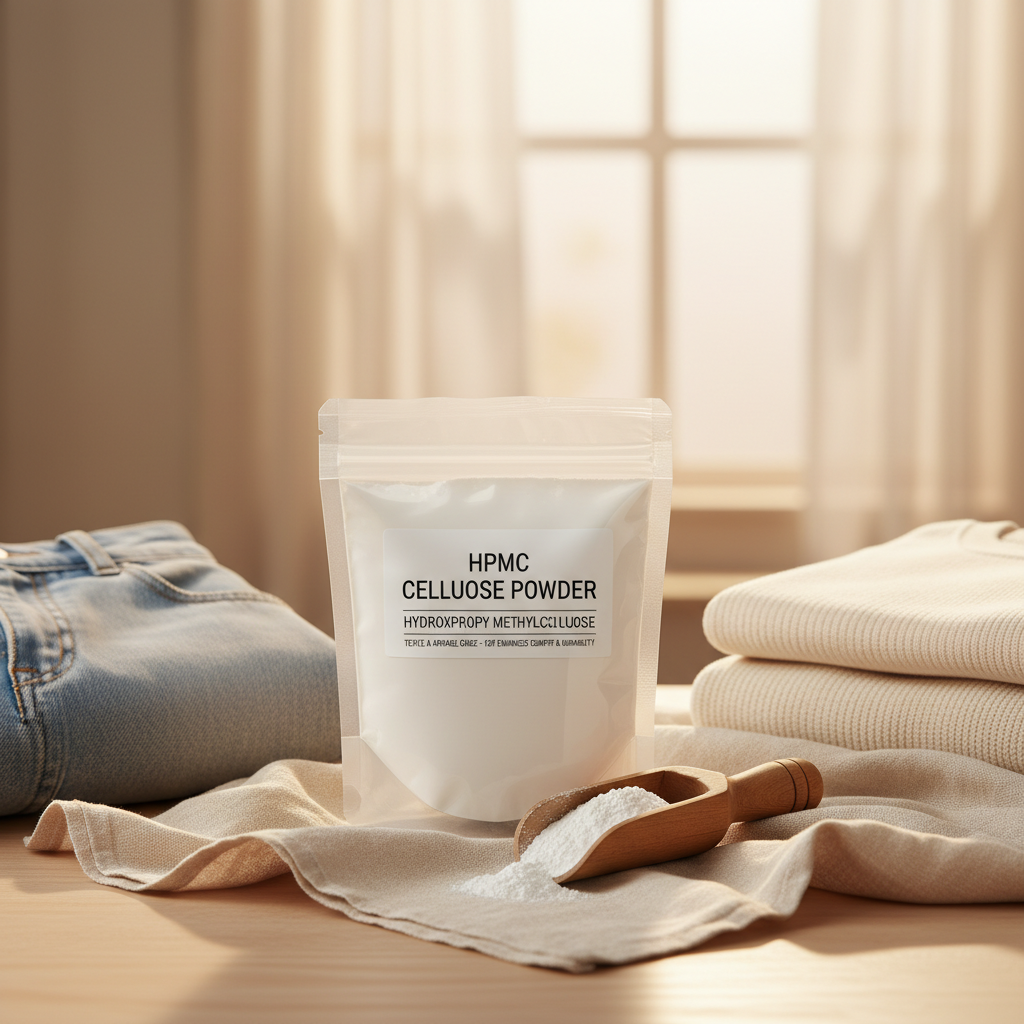
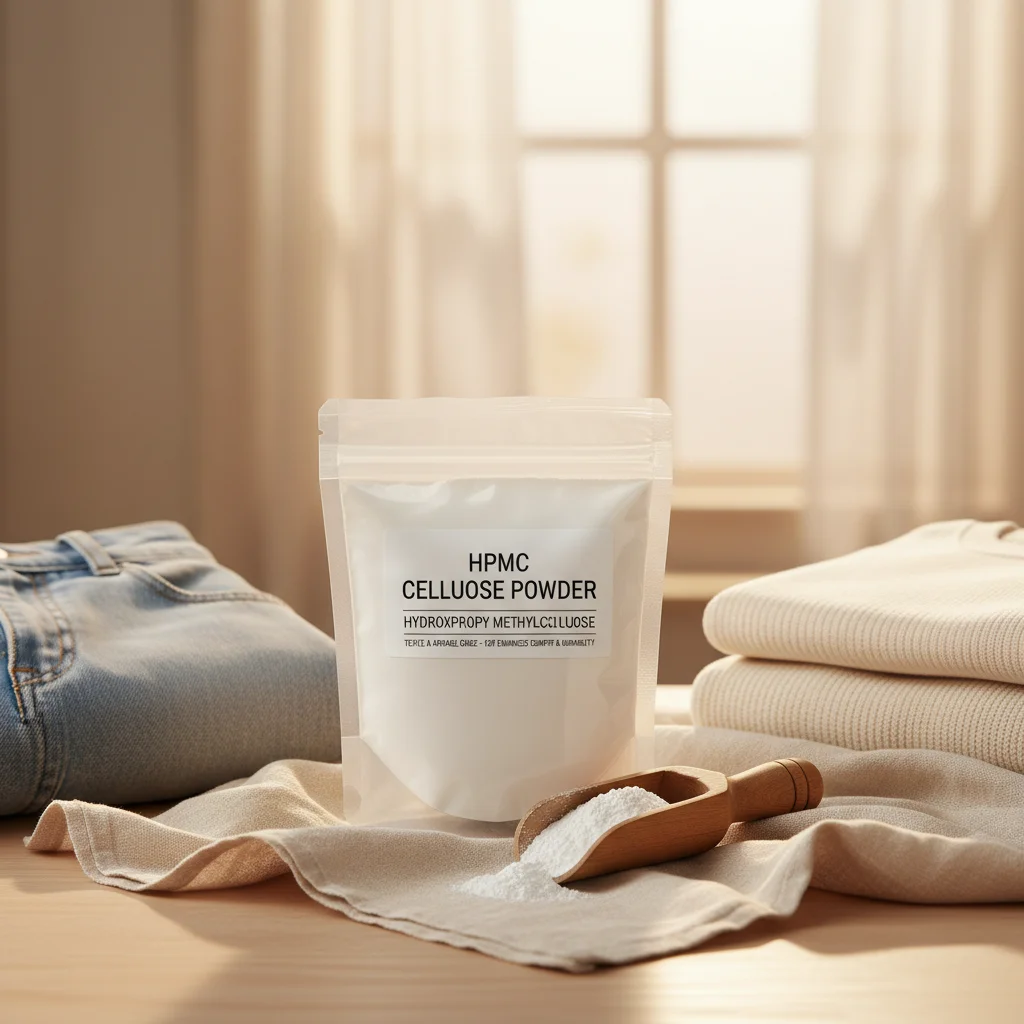
HPMC is a non-ionic, semi-synthetic polymer derived from cellulose. It's created through a chemical modification of cellulose, where methyl and hydroxypropyl groups are introduced. This process imparts unique properties to the cellulose, making it soluble in water and providing excellent thickening and stabilizing characteristics. The degree of substitution (DS) – the amount of methyl and hydroxypropyl groups attached – directly influences the HPMC's solubility, gelation temperature, and overall performance. TJHPMC offers a wide range of HPMC grades tailored to specific application requirements.
Key Properties: Excellent water retention, thickening capabilities, film-forming properties, thermal gelation, chemical stability, and biocompatibility.
The versatility of HPMC leads to its widespread adoption across diverse industries. In construction, it’s a vital component of cement-based products, tile adhesives, and renders, improving workability, adhesion, and water retention. Pharmaceuticals utilize HPMC as a binder, film coating agent, and controlled-release matrix. The food industry employs it as a thickener, stabilizer, and emulsifier in sauces, desserts, and baked goods. In cosmetics, it acts as a thickening agent and film former in lotions, creams, and shampoos. Understanding these applications underscores the importance of selecting the correct HPMC grade for optimal results.
Application Areas:
• Construction: Tile Adhesives, Cement Mortars, Self-Leveling Compounds
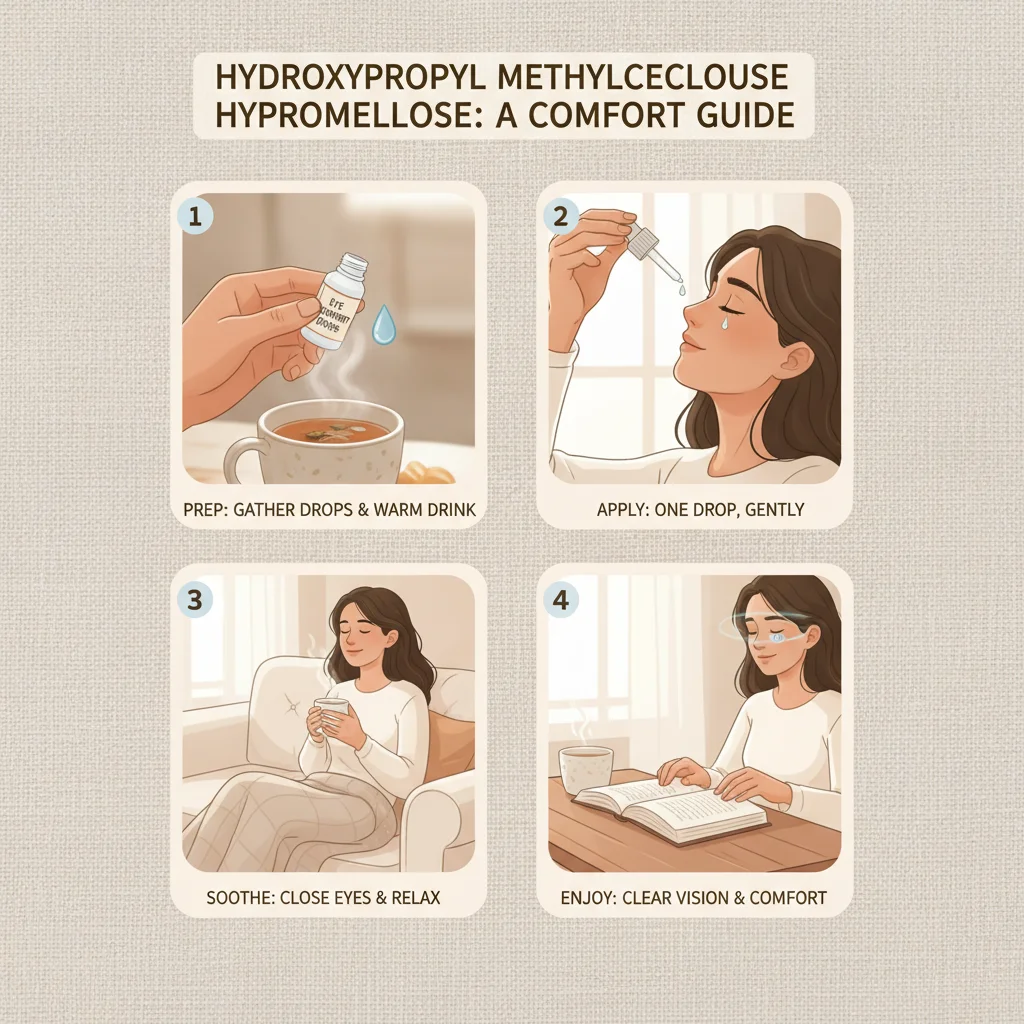
• Pharmaceutical: Tablet Coating, Controlled-Release Formulations
• Food: Sauces, Dressings, Baked Goods, Vegetarian Capsules
• Cosmetics: Creams, Lotions, Shampoos, Conditioners
HPMC is available in various grades, differing in viscosity, particle size, and degree of substitution. Viscosity, measured in mPas (millipascal-seconds), determines the thickening power of the HPMC. Particle size influences the dissolution rate and clarity of the solution. The degree of substitution affects solubility and gelation behavior. Choosing the appropriate grade depends on the specific application requirements. Here’s a general overview of common HPMC grades:
Utilizing HPMC powder offers a multitude of benefits. Its excellent water retention capabilities minimize cracking and shrinkage in cement-based products. Its thickening properties improve the consistency and application of formulations. The film-forming ability provides protective coatings and enhances product stability. Furthermore, HPMC is non-toxic, biocompatible, and readily biodegradable, making it an environmentally friendly choice. Choosing HPMC leads to improved product quality, enhanced performance, and sustainable solutions.
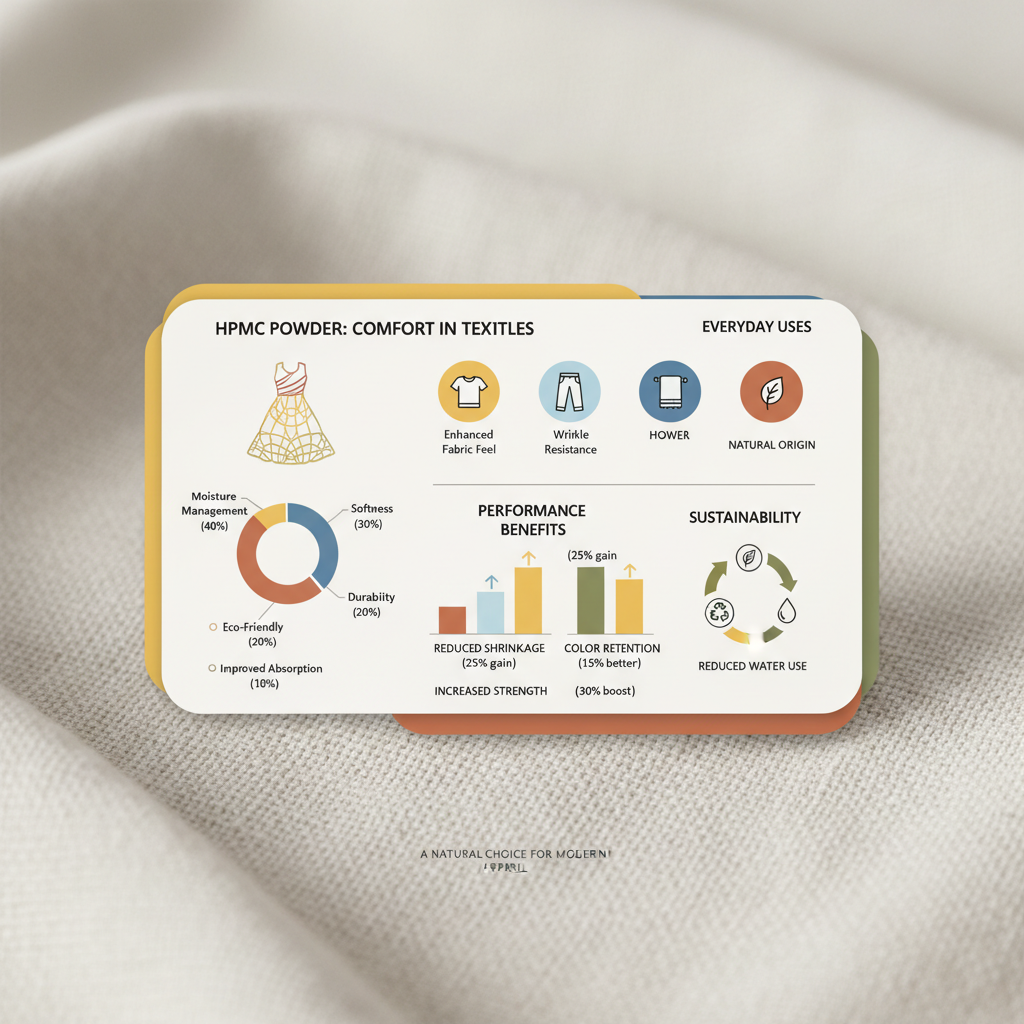
When sourcing HPMC powder, quality control is paramount. Look for manufacturers with robust quality management systems, such as ISO 9001 certification. Verify the product meets relevant industry standards and specifications. Pay attention to particle size distribution, viscosity, and moisture content. A reliable supplier will provide detailed Certificates of Analysis (COAs) for each batch. TJHPMC is committed to delivering high-quality HPMC powder with consistent performance and reliable sourcing.
HPMC powder is a remarkably versatile ingredient with applications spanning numerous industries. Understanding its properties, grades, and benefits is crucial for achieving optimal results in your formulations. By choosing a reliable supplier like TJHPMC, you can ensure consistent quality and performance. Invest in the right HPMC grade to unlock its full potential and drive innovation in your products.
Typically, HPMC powder has a shelf life of 2-3 years when stored in a cool, dry, and well-ventilated area, away from direct sunlight and moisture. Proper storage is crucial to maintain its functionality. The product should be sealed tightly after each use to prevent moisture absorption. Over time, exposure to humidity can lead to clumping and reduced performance. Always refer to the Certificate of Analysis (COA) provided by the manufacturer for specific storage recommendations and expiration dates.
Dissolving HPMC powder requires a specific technique to avoid clumping. Gradually add the powder to cold water while continuously stirring vigorously. This creates a slurry. Once the powder is fully wetted, you can gently heat the mixture while continuing to stir until complete dissolution. Avoid adding HPMC directly to hot water, as this can cause instantaneous clumping. The stirring rate and temperature control are essential for achieving a clear and homogenous solution. Using a high-shear mixer can further enhance the dissolution process.
Yes, HPMC is generally recognized as safe (GRAS) by the US Food and Drug Administration (FDA) and approved for use in various food applications. It is non-toxic and does not contribute significant calories to the diet. However, it’s important to use food-grade HPMC that meets the purity standards set by regulatory authorities. The specific permissible levels of HPMC in different food products are also regulated. Always ensure that the HPMC used complies with all applicable food safety regulations in your region.
HPMC is derived from cellulose, a renewable resource, making it a more sustainable alternative to petroleum-based polymers. It is biodegradable under certain conditions, reducing its environmental impact. Additionally, HPMC can contribute to resource efficiency in applications like construction by improving water retention and reducing material waste. Choosing HPMC supports environmentally responsible practices and aligns with sustainability goals.
Hit enter to search or ESC to close