In the complex world of polymer chemistry, hpmc 2910 hypromellose stands out as a critical additive that bridges the gap between raw chemical functionality and high-performance industrial application. As a cellulose ether derived from hypromellose, it provides indispensable rheological control and stabilizing properties across diverse sectors, from pharmaceuticals to construction. Understanding the nuances of this specific grade is essential for engineers and formulators seeking to optimize the viscosity and stability of their end products.
The global demand for high-purity thickeners and binders has surged as industries shift toward more sustainable, bio-based polymers. hpmc 2910 hypromellose offers a unique combination of water-retention capabilities and chemical inertness, making it a preferred choice over synthetic alternatives. By integrating this material into production lines, manufacturers can ensure a more consistent product texture and extended shelf life, meeting stringent international quality standards.
Beyond its technical specifications, the adoption of hpmc 2910 hypromellose reflects a broader industry trend toward "precision chemistry." Whether it is controlling the release rate of a drug in a capsule or improving the workability of a specialized mortar, the precise substitution level of the 2910 grade ensures predictable behavior under varying thermal and pH conditions. This reliability is what drives its widespread implementation in highly regulated markets globally.
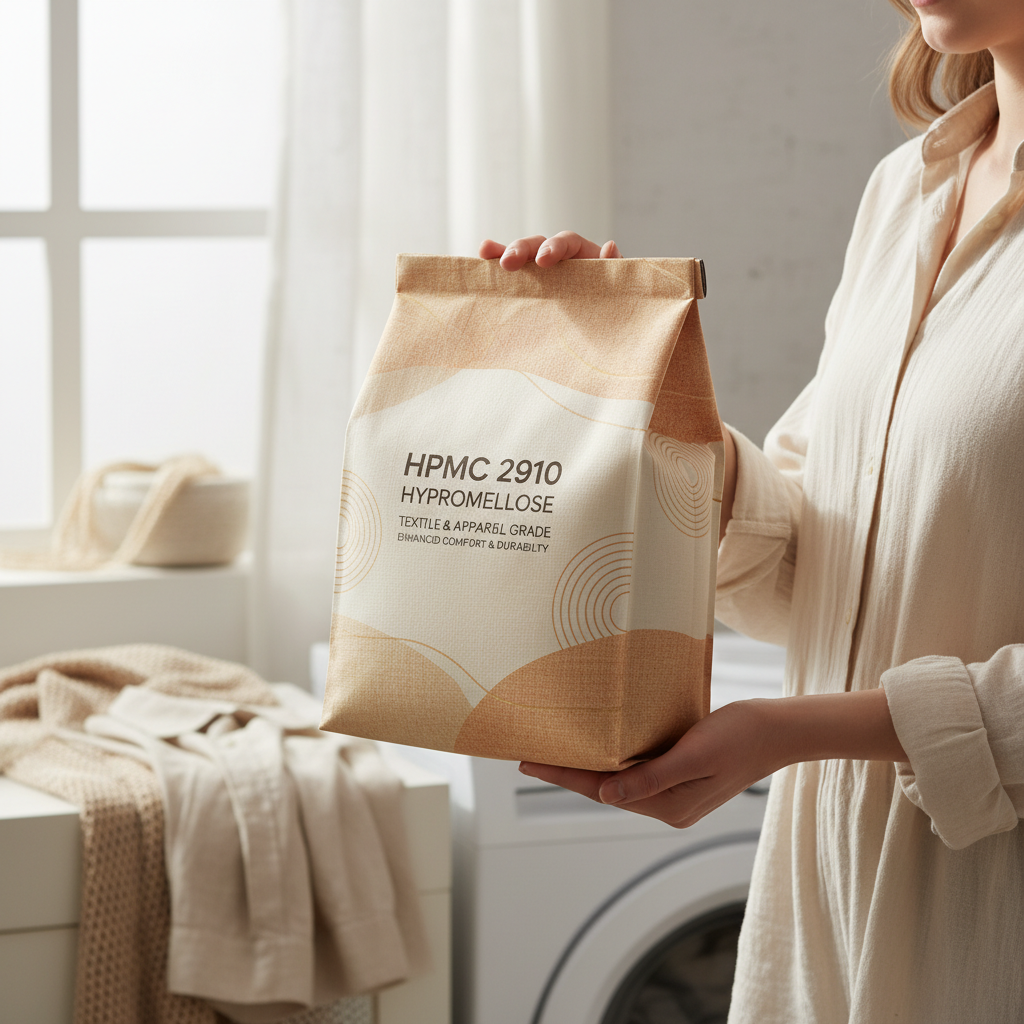
Global Relevance of hpmc 2910 hypromellose
The global chemical landscape is currently undergoing a transition toward high-efficiency additives that reduce waste and improve material longevity. hpmc 2910 hypromellose has emerged as a cornerstone in this transition, particularly in the Asia-Pacific and European markets where ISO certifications and environmental regulations are stringent. Its ability to function as a stabilizer and thickener without compromising the biological integrity of the final product makes it indispensable.
Market data suggests that the demand for specialized cellulose ethers is growing at a steady CAGR, driven by the expansion of the pharmaceutical and specialized construction sectors. The primary challenge addressed by hpmc 2910 hypromellose is the instability of aqueous solutions in extreme temperatures. By providing a consistent viscosity profile, it solves the problem of phase separation in complex chemical mixtures, ensuring that industrial outputs remain uniform and reliable.
Technical Definition and Chemical Nature
In simple terms, hpmc 2910 hypromellose is a semi-synthetic, inert, hydrophilic polymer derived from the chemical modification of cellulose. The "2910" designation refers to the specific methoxy and hydroxypropyl substitution levels, which dictate how the polymer interacts with water. This specific chemical balance allows the material to act as a thickening agent that is soluble in cold water but can exhibit thermal gelation, a property highly prized in controlled-release applications.
Connecting this to modern industrial needs, the material serves as a "molecular scaffold" that supports the suspension of other active ingredients. In the pharmaceutical realm, this means creating capsules that dissolve at precise intervals in the human digestive tract. In the construction sector, it prevents the rapid evaporation of water from cement-based mixtures, which is crucial for preventing cracks and ensuring structural integrity in high-rise buildings.
Unlike fully synthetic polymers, hpmc 2910 hypromellose is biodegradable and generally recognized as safe (GRAS). This intersection of technical performance and environmental safety addresses the humanitarian need for non-toxic industrial materials, particularly in products that come into direct contact with human skin or are ingested as medication.
Core Components of Performance
One of the most critical factors of hpmc 2910 hypromellose is its exceptional Water Retention. This capability ensures that in construction applications, the water remains within the matrix long enough for complete hydration of the cement, directly impacting the final strength of the structure.
Rheological Stability is another cornerstone. hpmc 2910 hypromellose modifies the flow characteristics of liquids, preventing sediment from settling in paints or pharmaceutical suspensions. This ensures a homogeneous distribution of the active compound throughout the product's lifecycle.
Furthermore, the Thermal Gelation property allows for innovative delivery systems. When hpmc 2910 hypromellose solutions are heated to a specific temperature, they form a gel, which can be used to create temperature-sensitive barriers or controlled-release drug coatings that respond to physiological heat.
Industrial Application Scalability
Scaling the use of hpmc 2910 hypromellose from laboratory samples to industrial-scale production requires a deep understanding of shear sensitivity. Because this polymer is sensitive to high-shear mixing, industrial plants must employ specialized blending equipment to avoid breaking the polymer chains, which would lead to a loss of viscosity. When handled correctly, the scalability is immense, allowing for the production of thousands of tons of stabilized emulsions.
From a cost-efficiency perspective, the high potency of the 2910 grade means that relatively small concentrations (often less than 1%) can achieve the desired thickening effect. This reduces the total material cost for the end manufacturer while increasing the efficiency of the logistics chain, as less bulk material is required to achieve the same technical result.
Performance Comparison of hpmc 2910 hypromellose Variants
Global Use Cases and Regional Impact
In the pharmaceutical hubs of North America and Europe, hpmc 2910 hypromellose is extensively used to manufacture vegetarian capsules. These capsules provide an alternative to gelatin, catering to a growing demographic of vegan and health-conscious consumers. The high purity of the 2910 grade ensures that there is no interference with the bioavailability of the enclosed drug.
In emerging industrial zones across Southeast Asia, the focus is on construction chemicals. Here, hpmc 2910 hypromellose is integrated into tile adhesives and wall putties. In humid tropical climates, where water evaporates inconsistently, the water-retention properties of this cellulose ether prevent premature drying, which significantly reduces the failure rate of large-scale infrastructure projects.
Long-Term Value and Sustainability
The long-term value of hpmc 2910 hypromellose extends beyond simple functionality into the realm of corporate sustainability. Because it is derived from renewable plant sources, it helps companies reduce their carbon footprint compared to petroleum-based synthetic polymers. This alignment with ESG (Environmental, Social, and Governance) goals makes it a strategic asset for forward-thinking enterprises.
From a safety and trust perspective, the use of hpmc 2910 hypromellose ensures that end-users are not exposed to harmful VOCs (Volatile Organic Compounds) often found in lower-grade industrial thickeners. This creates a sense of dignity and safety for workers in construction and patients in healthcare, fostering a deeper trust between the manufacturer and the consumer.
Economically, the reliability of this material reduces the cost of quality control. When a formulator uses a consistent grade of hpmc 2910 hypromellose, there is a significant decrease in batch failure rates. This operational stability leads to higher profit margins and more predictable production timelines.
Future Innovations in Cellulose Ethers
Looking forward, the evolution of hpmc 2910 hypromellose is being driven by digital transformation and automation in chemical synthesis. New "smart" manufacturing processes allow for even tighter control over the substitution levels, creating ultra-pure grades that can be tailored for specific nanotechnological applications, such as targeted drug delivery systems that respond to specific pH triggers.
Sustainability is also driving the development of "green chemistry" pathways to produce hpmc 2910 hypromellose. Researchers are exploring solvent-free etherification processes that eliminate the use of hazardous chemicals during production. This shift will further solidify the material's position as the gold standard for eco-friendly industrial additives.
Additionally, the integration of AI in formulation allows companies to predict exactly how hpmc 2910 hypromellose will behave when mixed with new, experimental raw materials. This reduces the R&D cycle from years to months, accelerating the arrival of next-generation building materials and medicines.
Comparative Analysis of hpmc 2910 hypromellose Performance Metrics
| Application Sector |
Key Performance Metric |
Efficiency Score (1-10) |
Primary Benefit |
| Pharmaceuticals |
Capsule Integrity |
9.8 |
Controlled Release |
| Dry-mix Mortar |
Water Retention |
9.5 |
Crack Prevention |
| Cosmetics |
Skin Feel/Texture |
8.7 |
Non-sticky Finish |
| Paints/Coatings |
Anti-sagging |
8.2 |
Uniform Application |
| Food Additives |
Emulsion Stability |
8.9 |
Extended Shelf Life |
| Oil Drilling |
Fluid Loss Control |
7.6 |
Borehole Stability |
FAQS
The primary difference lies in the substitution level of methoxy and hydroxypropyl groups. The 2910 grade is specifically engineered to balance hydrophilicity and thermal gelation. This makes it superior for applications requiring precise viscosity control and controlled release, whereas other grades might be too soluble or lack the necessary thermal response.
To avoid the formation of lumps (fish-eyes), it is recommended to disperse the powder in a hot liquid first, or use a high-speed mixer with a gradual addition of the powder. Because it is soluble in cold water but gels when heated, the temperature management during the mixing phase is critical for achieving a smooth, homogeneous solution.
Yes, hpmc 2910 hypromellose is widely recognized as safe and is the standard material for HPMC vegetable capsules. It is chemically inert, meaning it does not react with most active pharmaceutical ingredients (APIs), and is biodegradable, making it an ideal alternative to animal-derived gelatin.
Absolutely. In fact, that is one of its primary strengths. Its water-retention capability prevents the mortar from drying out too quickly in hot, arid environments. This ensures that the cement hydrates properly, significantly reducing the risk of shrinkage cracks and improving the long-term durability of the structure.
Viscosity increases exponentially with concentration. However, the 2910 grade is designed for high efficiency, meaning you can achieve significant thickening at low dosage levels. We recommend performing a titration test to find the "sweet spot" where viscosity is maximized without compromising the flowability of the mixture.
When stored in a cool, dry place in original sealed packaging, the powder typically remains stable for 24 months. It is essential to avoid moisture exposure, as the material is highly hydrophilic and can clump if exposed to high humidity, which may affect its dissolution rate during production.
Conclusion
In summary, hpmc 2910 hypromellose is far more than a simple thickener; it is a multifunctional tool that ensures quality, stability, and sustainability across the pharmaceutical and construction landscapes. By mastering its water-retention and thermal gelation properties, manufacturers can create products that are not only more durable and effective but also environmentally responsible.
As the industry moves toward a future of precision chemistry and green manufacturing, the role of specialized cellulose ethers will only grow. We encourage formulators and engineers to prioritize the purity and consistency of their additives to stay competitive in a global market. For high-grade solutions and technical support, visit our website: www.tjhpmc.com