Exploring the Versatile Applications of Hydroxypropyl Methylcellulose 2910 in Modern Industries

  • Home
  • Top Blog
  • Exploring the Versatile Applications of Hydroxypropyl Methylcellulose 2910 in Modern Industries
0%

Table of Contents

Hydroxypropyl methylcellulose 2910 (HPMC 2910) is a versatile polymer widely utilized across diverse industries due to its unique properties. Its applications range from pharmaceutical formulations and food processing to construction materials and personal care products. Understanding the characteristics and functionalities of HPMC 2910 is crucial for optimizing product performance and achieving desired outcomes in various applications.

The global demand for HPMC 2910 is steadily increasing, driven by advancements in various sectors and a growing need for high-performance additives. This polymer's ability to act as a thickener, binder, film-former, and controlled-release agent makes it an indispensable component in numerous formulations. Consequently, continuous innovation and development related to HPMC 2910 are vital for addressing evolving industry needs and sustainability concerns.

From ensuring the stability of medications to enhancing the texture of foods and improving the workability of construction materials, hydroxypropyl methylcellulose 2910 plays a significant role in improving the quality and efficiency of countless products and processes worldwide. Its versatility and effectiveness contribute to advancements in multiple fields, making it a vital material in modern manufacturing.
hydroxypropyl methylcellulose 2910

Introduction to Hydroxypropyl Methylcellulose 2910

hydroxypropyl methylcellulose 2910

Hydroxypropyl methylcellulose 2910 is a non-ionic cellulose ether, created by chemically modifying cellulose. This modification gives it a unique blend of properties, including water solubility, thickening ability, film-forming capabilities, and thermal gelation. These qualities make it a popular choice in a vast array of industrial applications.

The '2910' designation refers to the approximate viscosity of a 2% solution in water, measured in centipoise (cP). This indicates the polymer's resistance to flow, influencing its performance in different formulations. A higher number means a greater viscosity, affecting how it behaves as a thickener or stabilizer.

Global Relevance and Industry Context

The global cellulose ethers market, which includes HPMC 2910, was valued at USD 8.7 billion in 2023 and is projected to reach USD 12.5 billion by 2030, growing at a CAGR of 5.4% (Source: Grand View Research). This growth is fueled by rising demand from the construction, pharmaceutical, food, and personal care industries. hydroxypropyl methylcellulose 2910 is particularly crucial in regions with rapidly developing infrastructure and increasing healthcare needs.

One key challenge the industry faces is maintaining sustainable sourcing of cellulose. Deforestation and responsible forestry practices are significant concerns. Demand is also increasing for specialized grades of HPMC 2910 with tailored properties for specific applications, requiring continuous innovation in manufacturing processes.

The construction sector’s increasing adoption of tile adhesives and cement-based renders, both heavily reliant on HPMC 2910 for improved workability and adhesion, is a major driver. Simultaneously, pharmaceutical companies utilize HPMC 2910 in controlled-release drug formulations to enhance efficacy and patient compliance.

Defining Hydroxypropyl Methylcellulose 2910

In simple terms, hydroxypropyl methylcellulose 2910 is a modified cellulose derived from wood pulp or cotton linters. Through a series of chemical reactions, methyl and hydroxypropyl groups are introduced into the cellulose molecule. This process alters the cellulose's solubility and imparts unique properties like thickening and film-forming capabilities.

Its connection to modern industry is profound. HPMC 2910 serves as a crucial ingredient in countless products, from ensuring the smooth application of construction materials to controlling the release of medication in pharmaceuticals. Its ability to improve texture, stability, and performance makes it invaluable across diverse sectors.

Beyond industry, HPMC 2910 also addresses humanitarian needs. In disaster relief, it can be incorporated into emergency food supplies to enhance palatability and nutritional value, or used in water purification solutions as a suspending agent. Its versatility extends beyond profit-driven applications.

Core Properties of HPMC 2910

The performance of HPMC 2910 stems from a set of key properties. Firstly, its water solubility allows for easy incorporation into aqueous systems, creating stable and homogenous mixtures. Secondly, its thickening ability enhances viscosity, controlling the flow and texture of formulations.

Thirdly, HPMC 2910 exhibits excellent film-forming properties, creating protective coatings for tablets, seeds, or surfaces. Finally, its unique thermal gelation characteristic means that aqueous solutions thicken upon heating and revert to a liquid state upon cooling, valuable in certain food and pharmaceutical applications.

Viscosity Comparison of Different HPMC 2910 Grades

Diverse Applications of Hydroxypropyl Methylcellulose 2910

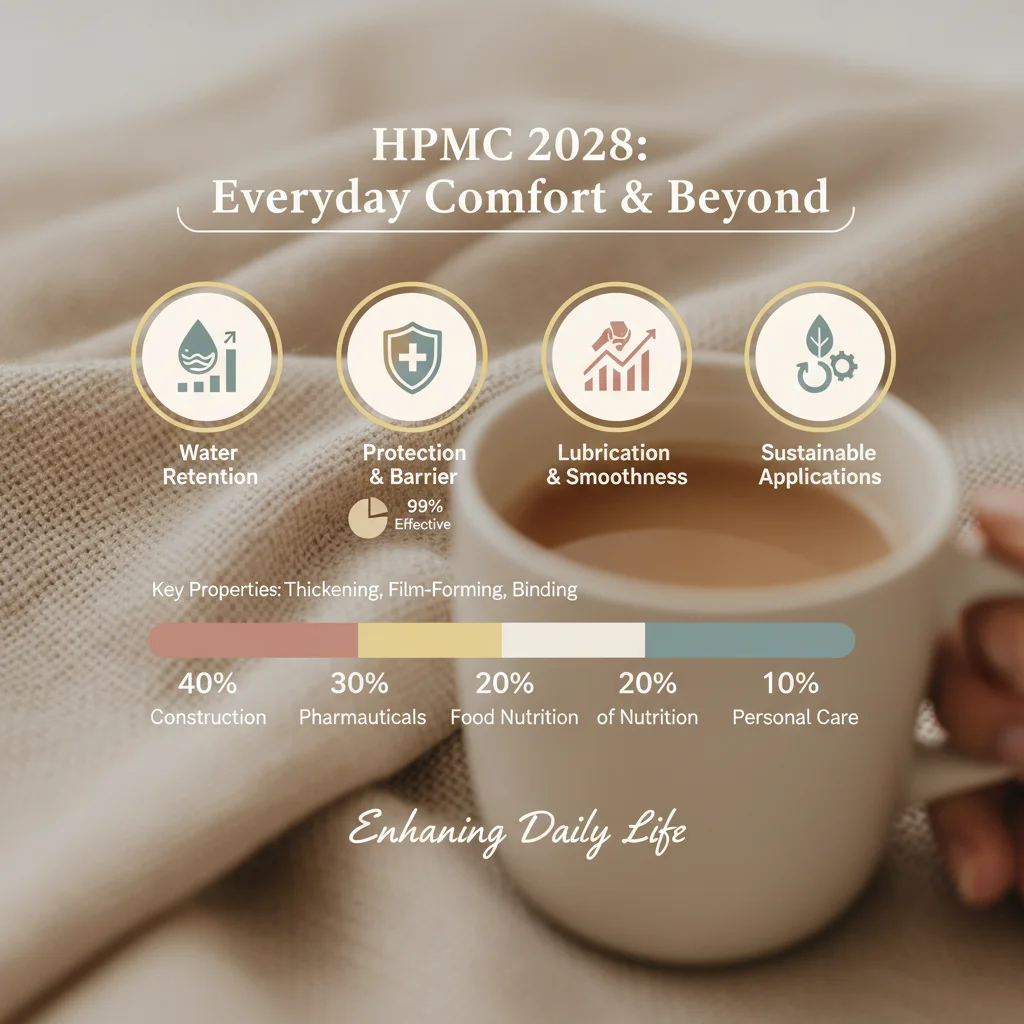
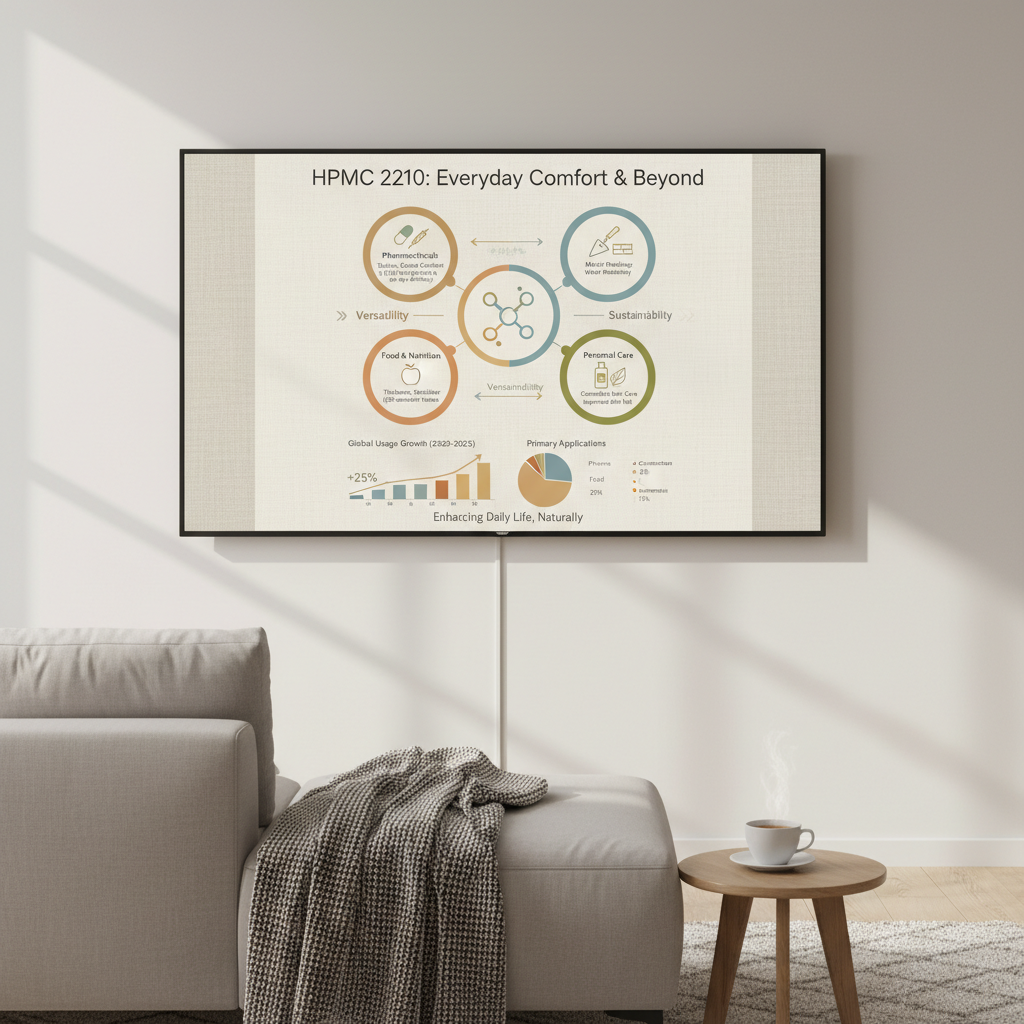
The pharmaceutical industry utilizes HPMC 2910 as a binder in tablets, a film coating agent, and a viscosity-increasing agent in liquid formulations. In construction, it's a vital component in cement-based plasters, tile adhesives, and self-leveling compounds, improving workability, adhesion, and water retention.

The food industry employs HPMC 2910 as a thickener, stabilizer, and emulsifier in sauces, desserts, and bakery products. Personal care products, such as shampoos, lotions, and toothpastes, benefit from its thickening and film-forming properties. In post-disaster relief operations, it's finding application in creating rapid-deployment shelters and water purification systems.

Advantages and Long-Term Value

Using hydroxypropyl methylcellulose 2910 offers significant cost benefits due to its high efficiency – small quantities can achieve substantial improvements in product performance. Its sustainability profile is improving, with increasing efforts towards sourcing cellulose from responsibly managed forests.

From a social impact perspective, HPMC 2910 enhances product safety and efficacy, boosting consumer confidence. Its reliability and consistency guarantee repeatable results, building trust with manufacturers and end-users alike. The innovations stemming from HPMC 2910 drive advancements across multiple industries, contributing to improved quality of life and economic growth.

Future Trends and Innovations

Ongoing research focuses on developing HPMC 2910 with tailored properties for specific applications, like enhanced controlled-release capabilities in pharmaceuticals or improved thermal stability in construction materials. Green chemistry initiatives are exploring bio-based alternatives to traditional cellulose sources, enhancing sustainability.

Digital transformation and automation in HPMC 2910 manufacturing are streamlining production processes, improving quality control, and reducing costs. Furthermore, the integration of HPMC 2910 with nanotechnology offers potential for creating novel materials with enhanced functionalities.

The convergence of these trends promises a future where HPMC 2910 plays an even more critical role in addressing global challenges related to health, infrastructure, and sustainability.

FAQS

What is the shelf life of hydroxypropyl methylcellulose 2910?

When stored properly in a cool, dry place, protected from direct sunlight and moisture, hydroxypropyl methylcellulose 2910 generally has a shelf life of at least five years. However, it's always recommended to check the manufacturer's specific storage instructions and retest the material if it has been stored for an extended period, particularly regarding its viscosity and dissolution properties.

Is hydroxypropyl methylcellulose 2910 biodegradable?

While HPMC 2910 is derived from a renewable resource (cellulose), its biodegradability is complex. It doesn't readily biodegrade in typical environmental conditions. Specialized composting facilities or enzymatic treatment can enhance its degradation, but it’s not considered fully biodegradable in standard home composting systems. Research continues to improve its biodegradability profile.

How does the viscosity grade of HPMC 2910 affect its applications?

The viscosity grade, indicated by the number (e.g., 2910), directly impacts the polymer's thickening ability. Lower viscosity grades are suitable for applications requiring easier flow and mixing, like liquid coatings. Higher viscosity grades are preferred for applications demanding strong thickening and suspension properties, such as cement-based mortars or pharmaceutical suspensions.

Can hydroxypropyl methylcellulose 2910 be used in vegan food products?

Yes, hydroxypropyl methylcellulose 2910 is widely used in vegan and vegetarian food products. It’s a plant-derived ingredient that acts as a texture enhancer, stabilizer, and emulsifier, making it a valuable alternative to animal-based ingredients. It's commonly found in vegan cheese, meat alternatives, and bakery products.

What safety precautions should be taken when handling HPMC 2910 powder?

HPMC 2910 powder can create dust, which may cause respiratory irritation. It's recommended to wear a dust mask during handling and ensure adequate ventilation. Avoid inhalation and contact with eyes. Although generally considered non-toxic, always refer to the Material Safety Data Sheet (MSDS) for comprehensive safety information and handling guidelines.

How does temperature affect the properties of HPMC 2910 solutions?

HPMC 2910 solutions exhibit thermal gelation – they thicken upon heating and revert to a liquid state upon cooling. This property is valuable in certain food and pharmaceutical applications. However, prolonged exposure to high temperatures can degrade the polymer and reduce its viscosity. Maintaining appropriate temperature control is crucial for optimal performance.

Conclusion

Hydroxypropyl methylcellulose 2910 is a remarkably versatile polymer that plays a crucial role in numerous industries, from pharmaceuticals and construction to food and personal care. Its unique properties—including water solubility, thickening ability, film formation, and thermal gelation—make it an indispensable ingredient in countless formulations. Understanding its capabilities and applications is essential for driving innovation and improving product performance.

Looking ahead, continuous research and development focused on sustainable sourcing, tailored functionalities, and advanced manufacturing techniques will further enhance the value of HPMC 2910. Its adaptability and potential for addressing evolving global challenges position it as a key material for a sustainable and innovative future.

William Davis

William Davis

William Davis is a dedicated Research and Development Scientist at Hebei Tjin Technology Co., Ltd., specializing in the modification and application of Sodium Carboxymethyl Cellulose (CMC). He holds a Ph.D. in Polymer Chemistry from MIT and focuses on enhancing CMC properties for diverse food applications, including thickening, stabilization, and suspension.
Previous Exploring the Versatility and Applications of Hydroxypropyl Methylcellulose 2208
Next Hydroxypropyl Methylcellulose E5 A Versatile Polymer for Diverse Industrial Applications

If you are interested in our products, you can choose to leave your information here, and we will be in touch with you shortly.