April 07, 2026
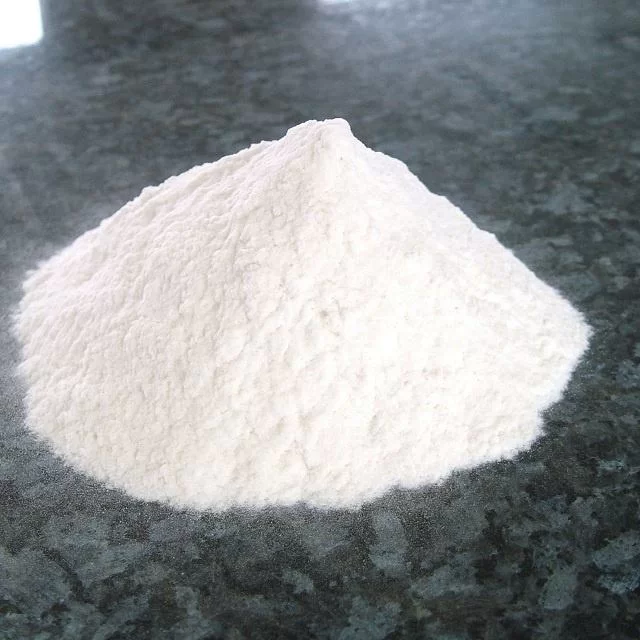
Hydroxypropyl methyl cellulose (HPMC) is a versatile cellulose ether widely used across various industries, including pharmaceuticals, construction, food, and cosmetics. This article will provide an in-depth look at HPMC, its properties, applications, benefits, and sourcing options. We'll explore why it's become an indispensable ingredient for countless products. Discover how TJHPMPC's HPMC can meet your specific needs.
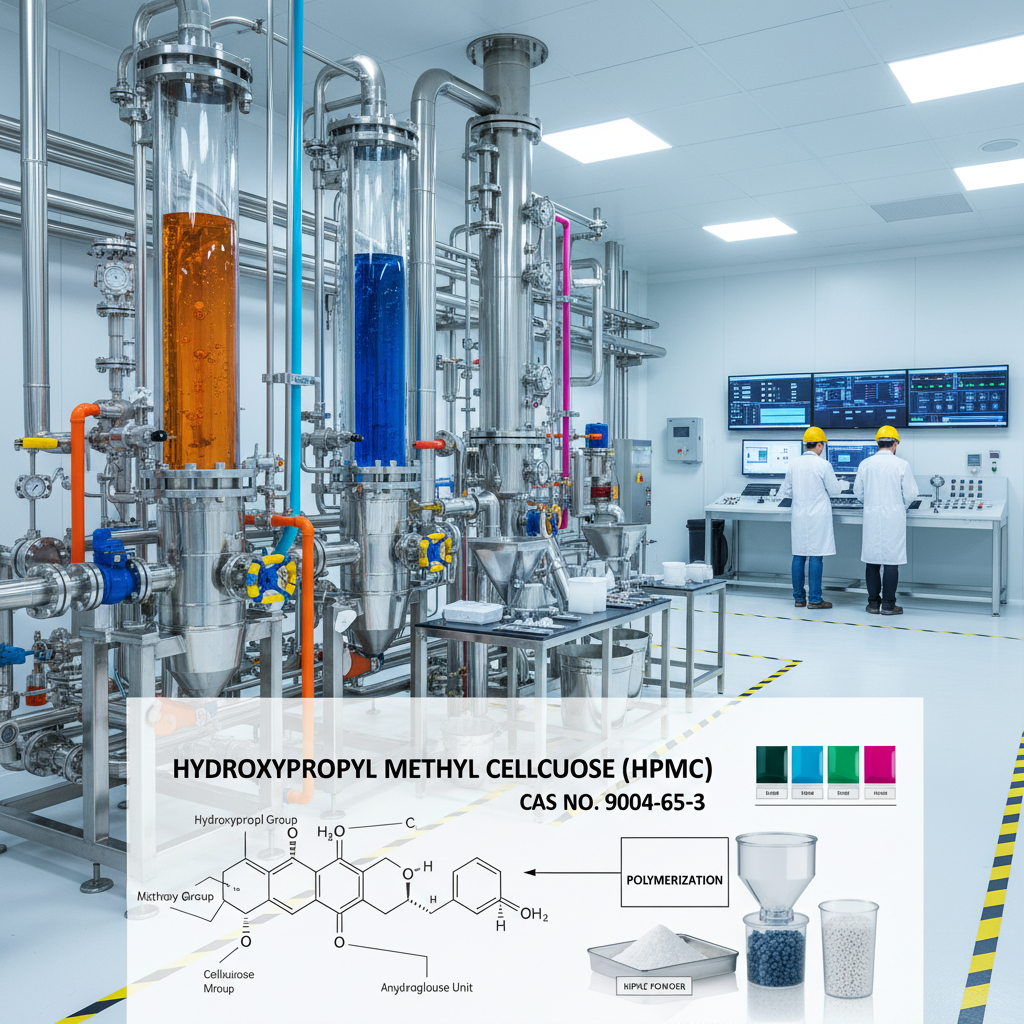
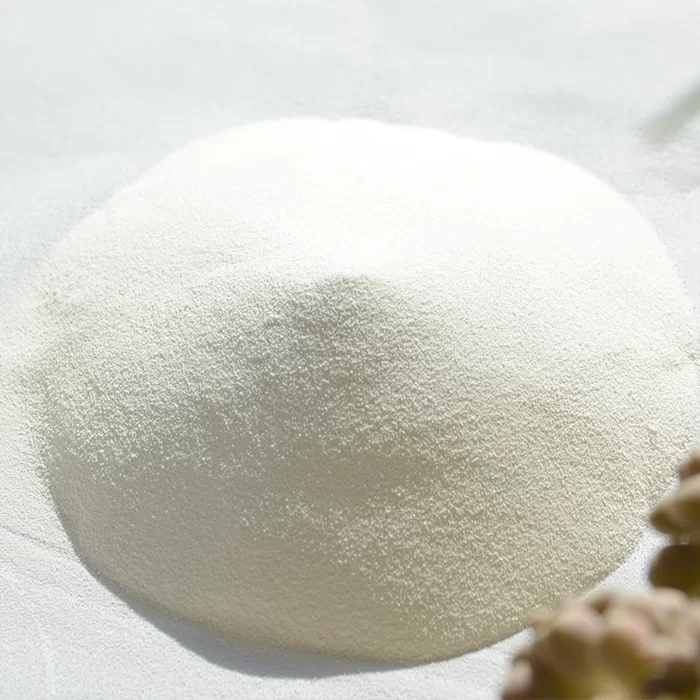
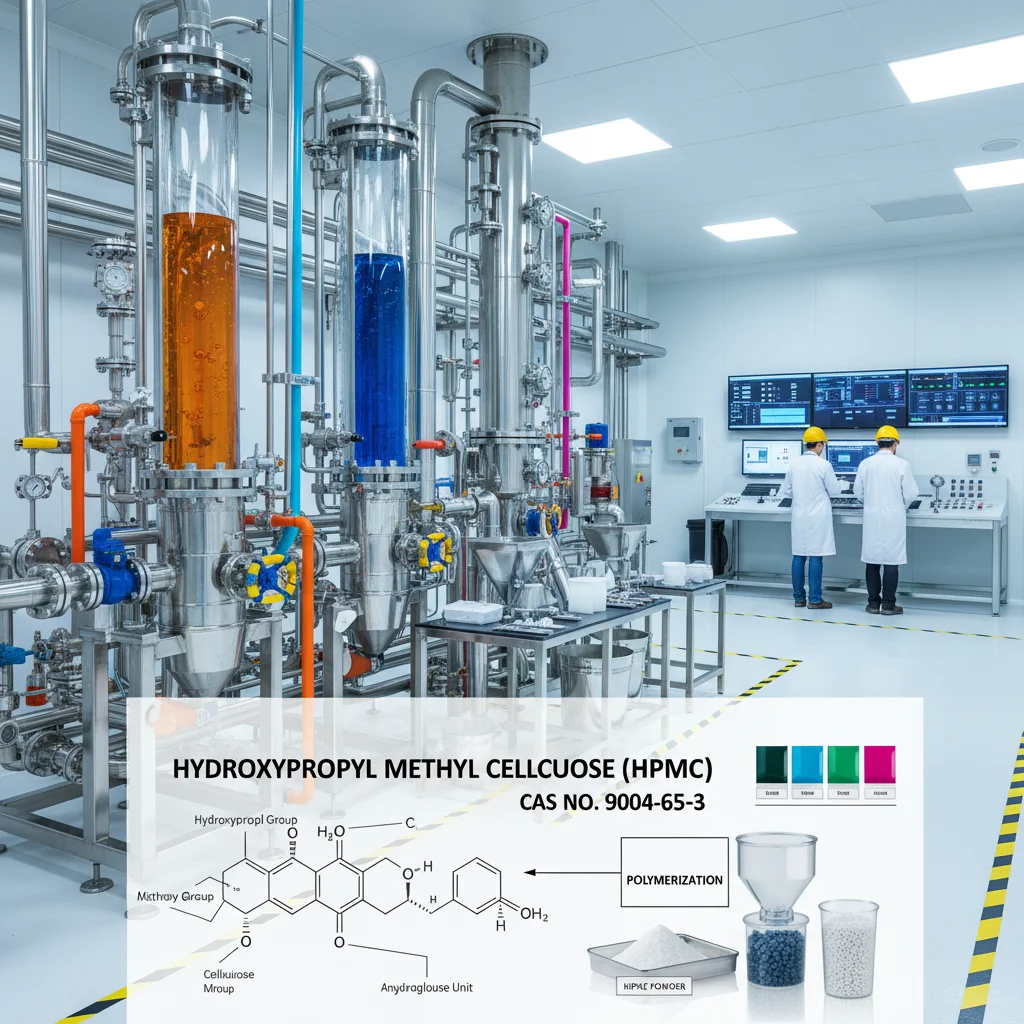
HPMC is a non-ionic, water-soluble polymer derived from cellulose. It's produced by chemically modifying cellulose through a series of reactions, introducing hydroxypropyl and methyl groups. This modification imparts unique properties to the cellulose, making it soluble in water and enabling its diverse applications. Crucially, it’s odorless, tasteless, and non-toxic, making it suitable for food and pharmaceutical uses. The level of these substitutions determines the characteristics of the resulting HPMC grade, such as viscosity and gelation temperature.
Key Highlights: Non-ionic, water-soluble polymer derived from cellulose. Odorless, tasteless, and non-toxic, making it ideal for a variety of sensitive applications.
HPMC boasts a unique combination of properties, making it valuable in numerous applications. These include: thickening, binding, film-forming, suspension, emulsification, stabilization, water retention, and surface activity. Its ability to control viscosity and gelation is particularly important in applications like construction materials and pharmaceutical formulations. The specific properties of HPMC can be tailored by adjusting the degree of substitution and molecular weight. TJHPMPC offers a wide range of HPMC grades to match your specific requirements.
HPMC Property Benefits:
• Thickening agent: Increases viscosity and improves product consistency.
• Water retention: Prevents drying and cracking in building materials.
• Film formation: Creates protective coatings on tablets and other products.
• Suspension stabilization: Keeps particles evenly dispersed in liquid formulations.
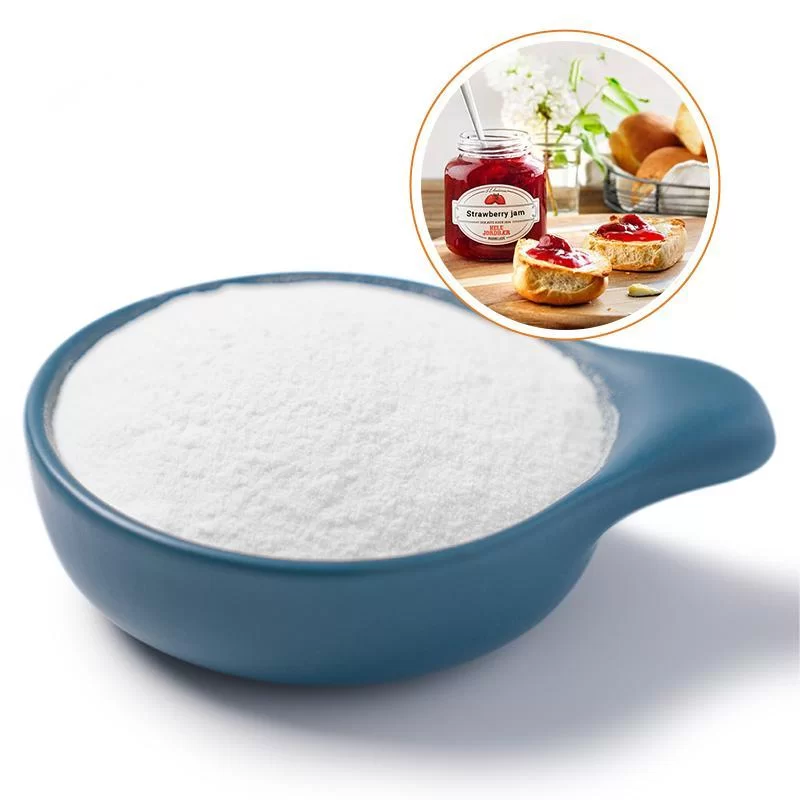
The versatile nature of HPMC results in a wide range of applications across diverse industries. In the pharmaceutical industry, it's used as a binder, film former, and controlled-release agent for tablets and capsules. In construction, it’s a key ingredient in cement-based mortars, tile adhesives, and self-leveling compounds, enhancing workability, water retention, and adhesion. The food industry uses HPMC as a thickener, stabilizer, and emulsifier in products like sauces, desserts, and bakery goods. Cosmetics benefit from HPMC’s film-forming and thickening properties in lotions, creams, and shampoos.
HPMC is available in various grades, categorized by viscosity, particle size, and degree of substitution. Viscosity is measured in centipoise (cP) and affects the thickening ability of the product. Particle size influences dissolution rate. Different grades are suitable for different applications. Selecting the right grade depends on the specific requirements of your formulation. TJHPMPC provides detailed specifications for each of its HPMC products, ensuring you find the perfect match for your needs.
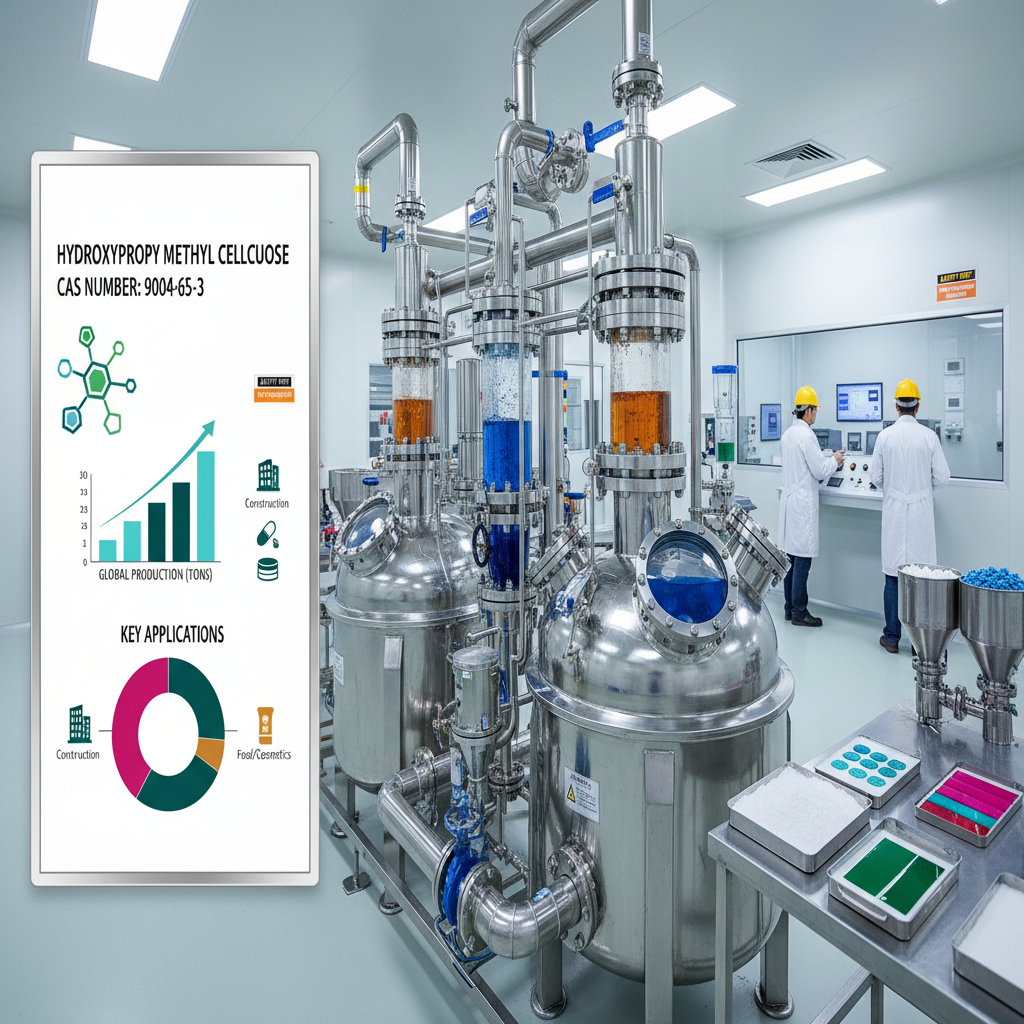
TJHPMPC is a leading manufacturer and supplier of high-quality hydroxypropyl methyl cellulose. We are committed to providing consistent, reliable products that meet the highest industry standards. Our state-of-the-art production facilities, stringent quality control processes, and dedicated customer support team ensure your satisfaction. We offer competitive pricing, flexible packaging options, and timely delivery to customers worldwide. Partner with us for all your HPMC requirements and experience the difference.
Hydroxypropyl methyl cellulose (HPMC) is a remarkably versatile polymer with a broad range of applications. Its unique properties make it an essential ingredient in industries ranging from pharmaceuticals and construction to food and cosmetics. By choosing a trusted supplier like TJHPMPC, you can ensure you receive high-quality HPMC that meets your specific needs.
The viscosity of HPMC solutions is influenced by several factors, including the grade of HPMC (molecular weight and degree of substitution), concentration, temperature, pH, and the presence of other salts. Higher molecular weight HPMC grades generally yield higher viscosity. Increasing the concentration of HPMC also increases viscosity. Temperature has an inverse relationship with viscosity; as temperature increases, viscosity decreases. The pH of the solution and the presence of certain salts can also impact viscosity by affecting the polymer's conformation and hydration. For optimal performance, it's crucial to select an HPMC grade and concentration appropriate for the specific application and control these other variables.
While HPMC is derived from a natural source (cellulose), its biodegradability is limited. The chemical modification process introduces hydroxypropyl and methyl groups, which hinder complete biodegradation. Under specific conditions, such as composting with appropriate microbial activity, some degree of biodegradation can occur, but it's generally considered to be slow. HPMC is often regarded as a more sustainable alternative to synthetic polymers due to its renewable origin, but its end-of-life disposal should be carefully considered.
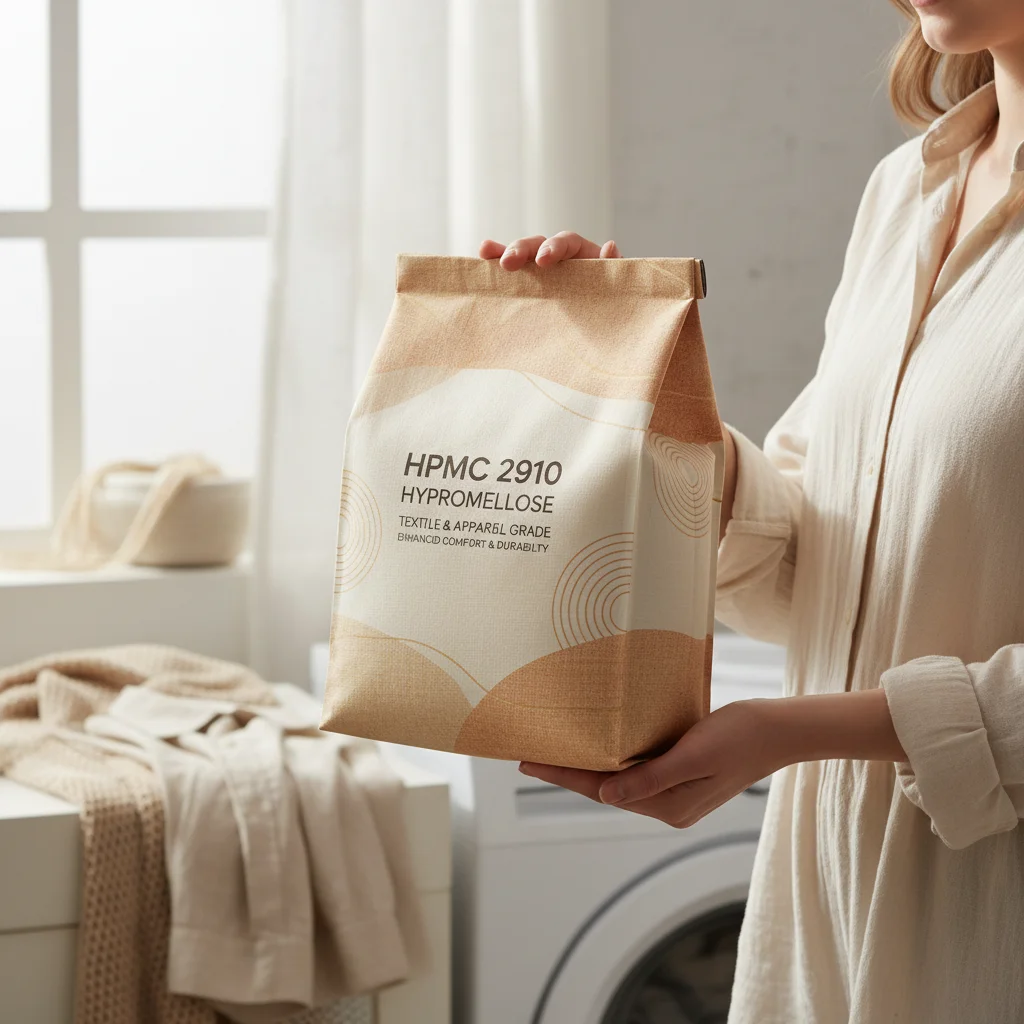
HPMC should be stored in a cool, dry, and well-ventilated area, away from direct sunlight and heat sources. It's crucial to keep the packaging tightly closed to prevent moisture absorption, which can lead to clumping and changes in viscosity. Avoid storing HPMC near strong oxidizing agents or other incompatible materials. Following these storage guidelines will help maintain the HPMC’s quality and performance over time. For long-term storage, it’s recommended to keep it in the original packaging provided by the manufacturer.
HPMC offers several significant benefits in construction materials. It improves workability and consistency, enhances water retention, reduces cracking, and increases adhesion strength. By retaining water, it allows for better cement hydration, leading to stronger and more durable structures. HPMC also enhances the sag resistance of tile adhesives and self-leveling compounds, ensuring even application and preventing slumping. These benefits ultimately contribute to improved construction quality, reduced material waste, and enhanced performance of the final product.
Hit enter to search or ESC to close