HPMC 2208, a crucial cellulose ether, stands as a cornerstone in numerous industrial applications, particularly within the realm of construction, pharmaceuticals, and food processing. Its unique properties, stemming from its modified cellulose structure, offer exceptional thickening, binding, film-forming, and water-retention capabilities. Globally, the demand for HPMC 2208 is steadily increasing, driven by a surge in construction activities in emerging economies and a growing preference for high-quality excipients in pharmaceutical formulations. Understanding the nuances of HPMC 2208—its production, properties, and applications—is paramount for professionals seeking innovative solutions and optimized product performance.
The significance of HPMC 2208 extends beyond its immediate applications. As a plant-derived polymer, it presents a more sustainable alternative to many synthetic polymers, aligning with the global push for environmentally friendly materials. However, ensuring consistent quality, addressing supply chain vulnerabilities, and optimizing production processes remain key challenges. Addressing these challenges is crucial for ensuring reliable availability and affordability, particularly in sectors like pharmaceuticals where product quality is non-negotiable. The advancements in HPMC 2208 production directly influence the efficacy and stability of numerous everyday products.
The versatility of hpmc 2208 lies in its adaptability. Its customizable viscosity and gelation properties make it suitable for a diverse range of applications, from improving the workability of cement-based materials to controlling drug release in pharmaceutical tablets. This adaptability translates to cost-effectiveness, as a single material can often fulfill multiple functions. Mastering the intricacies of HPMC 2208 is not merely about understanding a chemical compound; it's about unlocking potential across various industries.

Understanding the Fundamentals of HPMC 2208
HPMC 2208 belongs to the family of non-ionic cellulose ethers, specifically hydroxypropyl methylcellulose. The "2208" designation refers to its approximate viscosity range (22,000 cP) and methoxyl content (8%). This specific grade offers a balanced combination of thickening and water retention properties, making it highly suitable for diverse industrial applications. The production of HPMC 2208 involves carefully controlled chemical modification of cellulose, typically sourced from wood pulp or cotton linter.
The molecular structure of HPMC 2208 is responsible for its unique characteristics. The hydroxypropyl and methyl groups attached to the cellulose backbone disrupt the hydrogen bonding between cellulose chains, enhancing solubility in water and altering its rheological behavior. This modification creates a polymer that exhibits pseudoplasticity – meaning its viscosity decreases under shear stress – which is highly desirable in many applications, such as in paints and coatings.
The Global Relevance of HPMC 2208
The global market for cellulose ethers, including HPMC 2208, is experiencing substantial growth, fueled by rising demand from the construction, pharmaceutical, food, and personal care industries. According to a report by Grand View Research, the global cellulose ether market size was valued at USD 9.84 billion in 2022 and is projected to reach USD 16.22 billion by 2030, exhibiting a CAGR of 6.5% from 2023 to 2030. Asia Pacific currently dominates the market, driven by rapid urbanization and infrastructure development in countries like China and India.
A significant challenge addressed by hpmc 2208 is the need for improved workability and performance in cement-based materials. In regions prone to extreme weather conditions, HPMC 2208 helps retain moisture in cement mixtures, preventing cracking and ensuring stronger, more durable structures. Furthermore, the pharmaceutical industry relies on HPMC 2208 as a critical excipient for controlled-release drug formulations, improving patient compliance and therapeutic efficacy.
The escalating global construction sector, coupled with the growing demand for sophisticated pharmaceutical formulations, positions HPMC 2208 as a vital component in modern manufacturing. Initiatives promoting sustainable building practices and the development of innovative drug delivery systems further contribute to the continued expansion of the HPMC 2208 market worldwide.
Defining HPMC 2208: A Chemical Perspective
Hydroxypropyl methylcellulose (HPMC) is a versatile, water-soluble polymer derived from cellulose. The '2208' specification denotes a particular grade characterized by a viscosity range of approximately 22,000 centipoise (cP) in a 2% aqueous solution and a methoxyl content of around 8%. This specific formulation balances thickening, water retention, and film-forming capabilities, making it ideal for a broad spectrum of industrial applications.
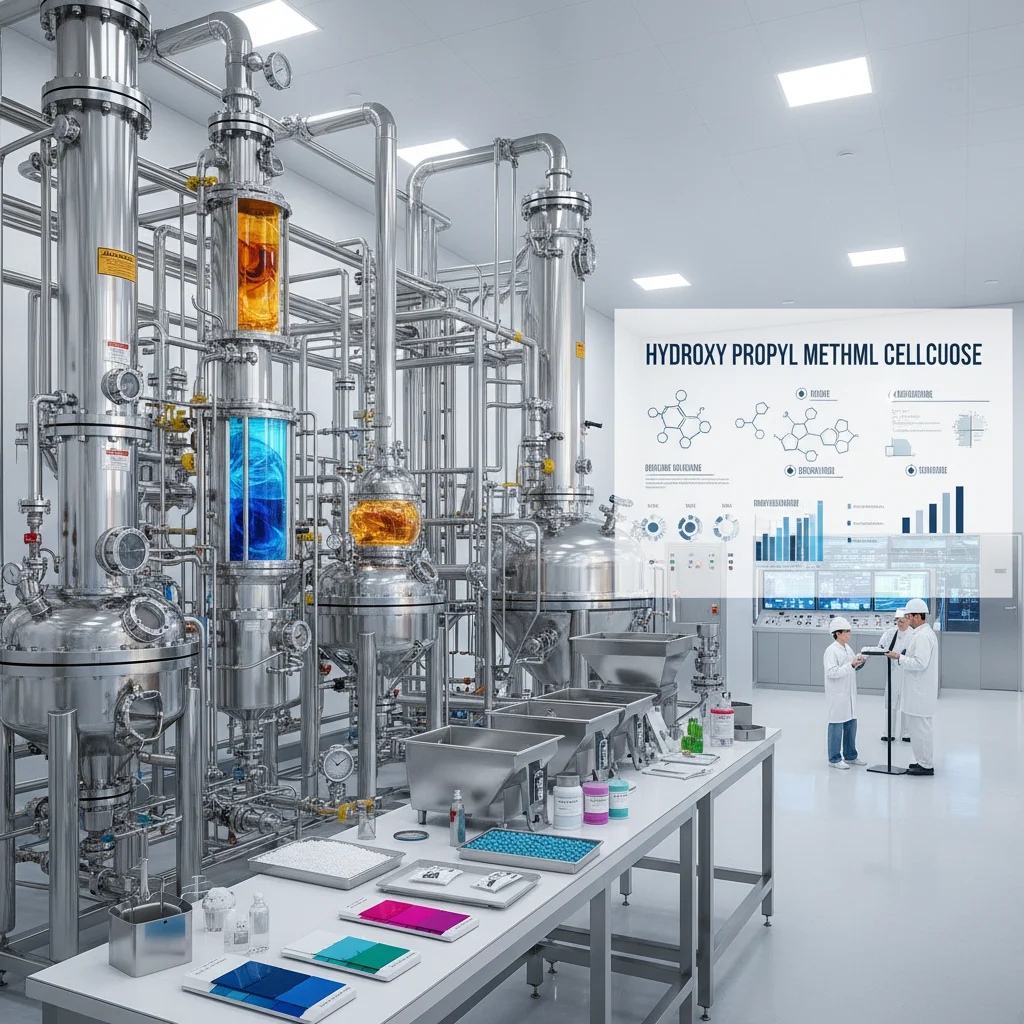
The production process involves modifying cellulose through etherification with methyl chloride and propylene oxide under alkaline conditions. The degree of substitution – the number of methyl and hydroxypropyl groups attached to the cellulose chain – determines the polymer's properties. Precisely controlling this substitution is critical to achieve the desired viscosity and solubility characteristics of HPMC 2208.
HPMC 2208 isn't just a chemical compound; it's a tool that enables advancements in diverse fields. From enhancing the stability of pharmaceutical suspensions to improving the texture of food products, its ability to modify the properties of aqueous systems makes it a valuable ingredient in countless formulations. Its bio-compatibility and relatively low toxicity further contribute to its widespread adoption.
Key Properties and Core Components of HPMC 2208
Several key properties define the functionality of HPMC 2208. Firstly, its exceptional thickening ability allows for the creation of viscous solutions with controlled flow characteristics. Secondly, it exhibits remarkable water retention, preventing premature drying and ensuring optimal performance in applications like cement-based materials and coatings. Thirdly, it forms transparent, flexible films, making it suitable for coatings and controlled-release applications.
The core components impacting these properties include the molecular weight, degree of substitution (DS), and the ratio of methyl to hydroxypropyl groups. Higher molecular weight generally leads to increased viscosity, while a higher DS enhances water solubility. The ratio of methyl to hydroxypropyl groups influences the polymer's gelation temperature and compatibility with other ingredients. hpmc 2208, with its specific composition, represents an optimal balance of these factors.
HPMC 2208 Property Impact on Application Performance
Global Applications and Diverse Use Cases of HPMC 2208
HPMC 2208 finds widespread application in the construction industry as a key component in cement-based mortars, tile adhesives, and rendering plasters. It enhances workability, improves adhesion, and prevents sagging, leading to stronger and more durable structures. In regions like Southeast Asia and Africa, where construction is rapidly expanding, the demand for HPMC 2208 is particularly high.
Within the pharmaceutical sector, HPMC 2208 serves as a crucial excipient in tablet formulations, acting as a binder, disintegrant, and film-coating agent. Its ability to control drug release profiles is essential for developing effective and patient-friendly medications. Major pharmaceutical companies globally utilize HPMC 2208 to ensure the quality and performance of their products.
Beyond these core industries, HPMC 2208 is also employed in the food industry as a thickening agent and stabilizer in sauces, desserts, and processed foods. In personal care products, it functions as a film former and rheology modifier in creams, lotions, and shampoos. This diverse range of applications highlights the versatility and broad appeal of HPMC 2208.
Advantages and Long-Term Value Proposition of HPMC 2208
The adoption of hpmc 2208 brings several tangible benefits. Cost-effectiveness is a primary advantage, as it often reduces the need for multiple additives, streamlining formulations and lowering production costs. Sustainability is another key benefit, as HPMC 2208 is derived from renewable cellulose sources, making it a more environmentally friendly alternative to synthetic polymers.
The long-term value proposition of HPMC 2208 extends beyond these immediate advantages. Its consistent performance ensures product reliability, reducing the risk of failures and enhancing customer satisfaction. The ability to customize formulations with HPMC 2208 allows manufacturers to differentiate their products and gain a competitive edge in the market. These factors contribute to enhanced brand reputation and long-term profitability.
Future Trends and Innovations in HPMC 2208 Technology
Ongoing research focuses on improving the production efficiency of HPMC 2208 and exploring new modifications to enhance its properties. The development of enzymatic hydrolysis techniques promises a more sustainable and environmentally friendly manufacturing process. Furthermore, investigations into combining HPMC 2208 with other polymers are unlocking novel functionalities and expanding its application scope.
The increasing emphasis on green chemistry and sustainable materials is driving innovation in the cellulose ether industry. The integration of digital technologies, such as process monitoring and control systems, is optimizing production parameters and ensuring consistent product quality. Looking ahead, HPMC 2208 is poised to play an even more significant role in addressing global challenges related to sustainability and resource efficiency.
The development of nano-modified HPMC 2208 holds immense promise. Incorporating nanoparticles can significantly enhance its mechanical strength, barrier properties, and thermal stability, opening up new possibilities in advanced materials and specialized applications. The convergence of nanotechnology and cellulose chemistry is shaping the future of HPMC 2208.
FAQS
When stored in a cool, dry, and well-ventilated environment, away from direct sunlight and moisture, HPMC 2208 generally has a shelf life of at least two years. However, it's crucial to follow the manufacturer’s specific storage recommendations to maintain optimal quality and performance. Regular testing of key parameters like viscosity is advisable for long-term storage.
HPMC 2208 offers a good balance between cost and performance. While some specialized cellulose ethers may offer superior properties for specific applications, HPMC 2208 provides a versatile and cost-effective solution for a wide range of industries. Its relatively moderate viscosity and excellent water retention make it a popular choice for many formulations.
Yes, HPMC 2208 is generally compatible with most common ingredients used in cement-based materials, including cement, sand, lime, and various aggregates. However, compatibility testing is always recommended to ensure optimal performance and avoid any undesirable interactions. It's particularly important to check compatibility with additives like retarders or accelerators.
HPMC 2208 is generally considered safe to handle, but it's advisable to wear dust masks and protective eyewear to avoid inhalation and eye irritation. Avoid creating excessive dust during handling and ensure adequate ventilation. Refer to the Material Safety Data Sheet (MSDS) for detailed safety information and handling guidelines.
HPMC 2208 has a limited thermal stability and may degrade at temperatures exceeding 60-70°C. For high-temperature applications, consider using alternative cellulose ethers with higher thermal resistance. However, for many common applications, the operating temperatures are well within the safe range of HPMC 2208.
The viscosity of HPMC 2208 significantly influences its performance. Higher viscosity grades provide greater thickening power and water retention, ideal for applications like cement-based mortars. Lower viscosity grades are suitable for applications requiring easy flowability, such as coatings and pharmaceutical suspensions. Selecting the appropriate viscosity grade is crucial for achieving the desired results.
Conclusion
In conclusion, HPMC 2208 stands as a versatile and valuable polymer with widespread applications across numerous industries. Its unique combination of properties—thickening, water retention, film-forming, and biocompatibility—makes it an essential ingredient in construction materials, pharmaceutical formulations, food products, and personal care items. Understanding the nuances of HPMC 2208, from its chemical structure to its practical applications, is crucial for professionals seeking optimized performance and sustainable solutions.
Looking ahead, continued innovation in HPMC 2208 technology—including advancements in production efficiency, sustainable sourcing, and nano-modification—will further expand its application scope and enhance its value proposition. Embracing these advancements and prioritizing responsible manufacturing practices will ensure that HPMC 2208 remains a cornerstone of modern industry for years to come. Visit our website at www.tjhpmc.com to learn more about our HPMC 2208 products and solutions.