Hydroxypropyl Methylcellulose A Versatile Polymer for Diverse Industrial Applications

  • Home
  • Top Blog
  • Hydroxypropyl Methylcellulose A Versatile Polymer for Diverse Industrial Applications
0%

Table of Contents

Hydroxypropyl methylcellulose (HPMC) is a versatile polymer finding increasing application across a multitude of industries, from pharmaceuticals and food to construction and cosmetics. Its unique properties – including thickening, binding, film-forming, and water retention – make it an indispensable ingredient in numerous formulations. Understanding its characteristics and applications is crucial in today’s world, particularly as demand for sustainable and high-performance materials continues to grow.

Globally, the market for cellulose ethers, including HPMC, is experiencing significant growth, driven by increasing urbanization, infrastructural development, and a rising demand for processed foods and pharmaceuticals. According to recent market reports, the global cellulose ether market is projected to reach billions of dollars in the coming years, with HPMC representing a substantial portion of this growth. This underscores the importance of optimizing production processes and exploring innovative applications for this valuable polymer.

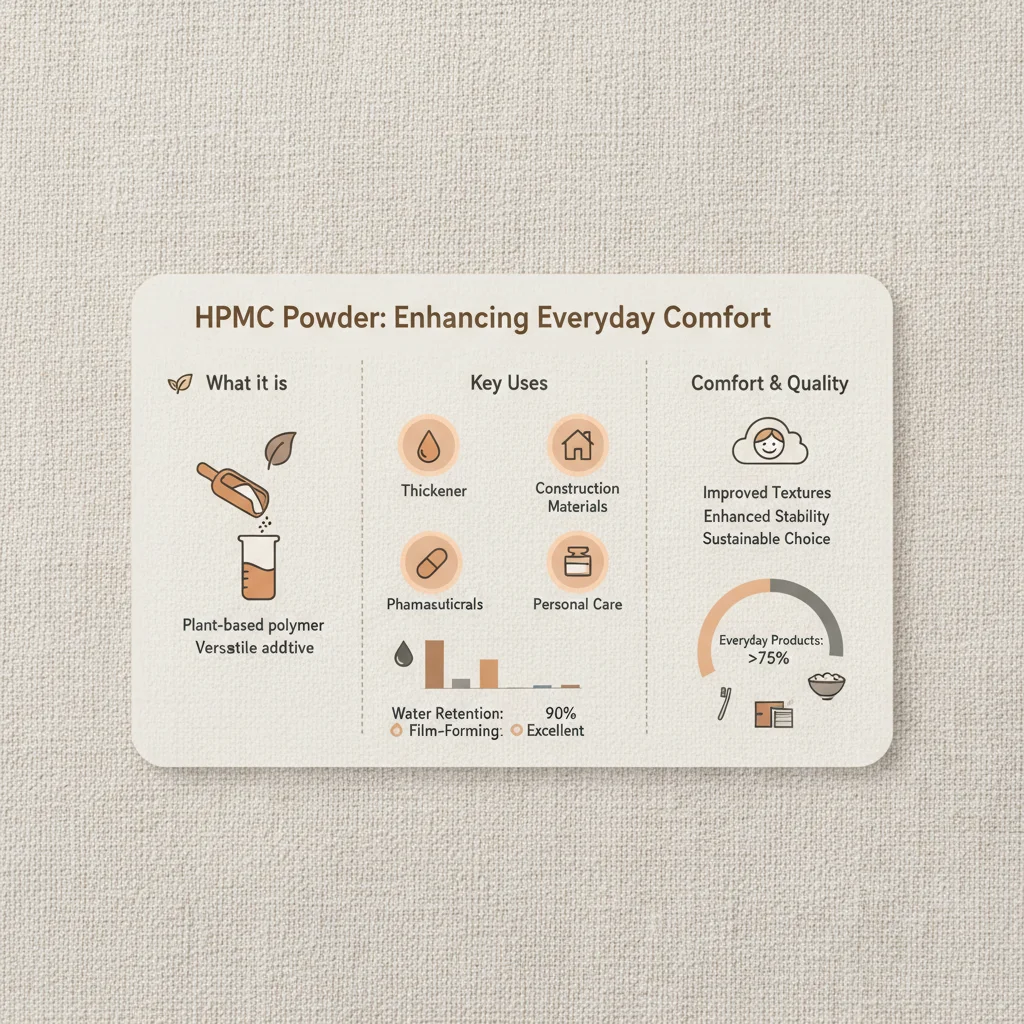
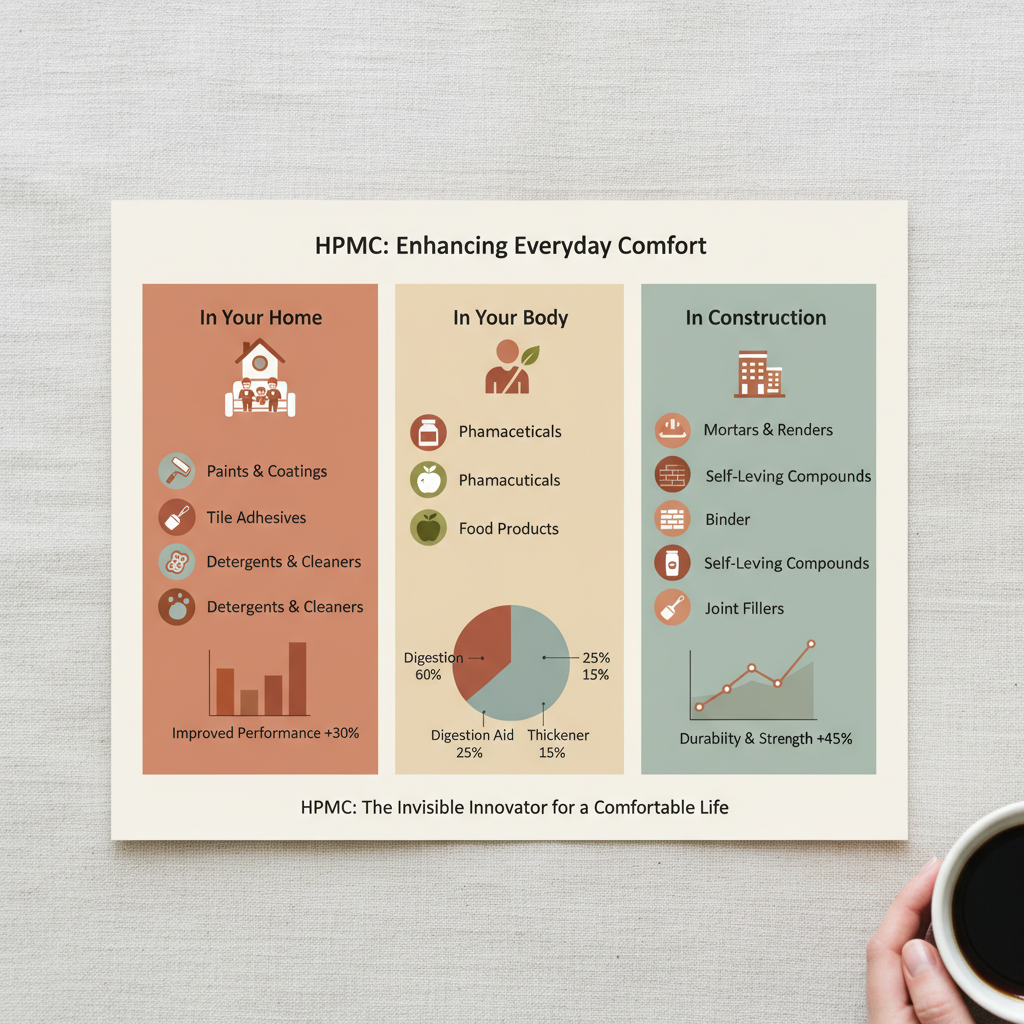
HPMC addresses several key challenges across various sectors. In construction, it improves workability and prevents cracking in cement-based materials. In pharmaceuticals, it acts as a controlled-release agent for medications, enhancing their efficacy and patient compliance. And in food, it functions as a stabilizer, thickener, and emulsifier, improving texture and shelf life. This widespread utility positions HPMC as a cornerstone material in modern manufacturing and humanitarian efforts.
hydroxypropyl methylcellulose

Introduction to Hydroxypropyl Methylcellulose

hydroxypropyl methylcellulose

Hydroxypropyl methylcellulose is a semi-synthetic polymer derived from cellulose, a naturally abundant component of plant cell walls. This modification introduces both methyl and hydroxypropyl groups to the cellulose backbone, granting it unique and desirable properties. The degree of substitution—the amount of these groups added—significantly impacts the final characteristics of the HPMC product, allowing for customization to specific applications.

The growing demand for HPMC isn't simply about its versatility; it's also about the increasing emphasis on sustainability. Derived from a renewable resource, cellulose, HPMC offers a more environmentally friendly alternative to many petroleum-based polymers. This makes it increasingly attractive to industries seeking to reduce their carbon footprint and adopt more responsible manufacturing practices.

Defining Hydroxypropyl Methylcellulose

At its core, hydroxypropyl methylcellulose is a cellulose ether, meaning it's created by chemically modifying cellulose. The process involves reacting cellulose with methyl chloride and propylene oxide, introducing methoxy and hydroxypropyl groups along the cellulose chain. These substitutions disrupt the hydrogen bonding within the cellulose structure, making it soluble in water and altering its physical and chemical properties.

This chemical alteration is critical because native cellulose is insoluble in water and difficult to process. HPMC, however, is readily soluble in cold water, forming clear, viscous solutions. This solubility is key to its numerous applications, especially in areas where precise control of viscosity and texture are required.

The significance of HPMC extends beyond its technical properties. It plays a vital role in creating stable and effective formulations across a spectrum of industries, supporting both product quality and process efficiency, making it an essential ingredient in modern manufacturing and development.

Key Properties of Hydroxypropyl Methylcellulose

Several key characteristics define the functionality of hydroxypropyl methylcellulose. First and foremost is its thickening ability. HPMC solutions exhibit pseudoplastic behavior, meaning their viscosity decreases under shear stress—ideal for applications like paints and coatings where easy application is crucial.

Secondly, HPMC provides excellent film-forming capabilities. These films are clear, flexible, and possess good oxygen permeability, making them useful in coatings for tablets, seeds, and controlled-release matrices. Thirdly, its water retention properties are exceptional; HPMC can absorb and hold significant amounts of water, preventing drying and cracking in materials like cement and mortars. This ability contributes to improved workability and durability.

Finally, HPMC is chemically stable over a wide pH range and is compatible with many other ingredients, making it a versatile component in complex formulations. Its thermal gelation properties, where a solution thickens upon heating, further enhance its versatility in specific applications.

Global Applications of Hydroxypropyl Methylcellulose

Hydroxypropyl methylcellulose finds widespread application in the pharmaceutical industry as a binder for tablets, a coating agent for sustained-release formulations, and a viscosity-increasing agent for liquid medications. Its ability to control drug release profiles is particularly valuable in improving therapeutic efficacy and patient compliance.

Hydroxypropyl Methylcellulose Application Distribution

Advantages and Long-Term Value of Hydroxypropyl Methylcellulose

The use of hydroxypropyl methylcellulose offers several tangible advantages. Cost-effectiveness is a key benefit, as HPMC provides a high level of functionality at a relatively low price point compared to other polymers. Its sustainability is another major advantage, derived from its renewable cellulose base, aligning with increasingly stringent environmental regulations and consumer preferences.

Beyond these practical benefits, HPMC offers significant long-term value. Its contribution to product stability and shelf-life reduces waste and improves resource utilization. Its role in enhancing drug delivery systems leads to improved patient outcomes and reduced healthcare costs. And, as a versatile ingredient, it simplifies formulation processes and reduces the need for multiple additives.

Future Trends and Innovations in Hydroxypropyl Methylcellulose

Ongoing research focuses on enhancing the properties of HPMC through novel modification techniques. This includes exploring new substitution patterns to tailor its solubility, viscosity, and thermal gelation characteristics. Nanotechnology is also being leveraged to create HPMC-based nanoparticles for targeted drug delivery and improved material performance.

Furthermore, there's a growing emphasis on developing HPMC grades specifically designed for 3D printing applications. These specialized materials will allow for the creation of complex structures with controlled release properties, opening up new possibilities in tissue engineering, personalized medicine, and advanced manufacturing.

Challenges and Solutions with Hydroxypropyl Methylcellulose

While HPMC boasts numerous advantages, challenges remain. One key issue is the variability in cellulose source and production processes, leading to inconsistencies in the final product’s properties. Implementing stringent quality control measures and standardized manufacturing protocols is crucial to address this.

Another challenge is the potential for microbial degradation in humid environments. Incorporating antimicrobial agents or employing protective coatings can mitigate this risk. Finally, optimizing HPMC formulations for specific applications often requires extensive experimentation and a deep understanding of its complex rheological behavior.

Core Challenges and Solution Strategies for Hydroxypropyl Methylcellulose

Challenge Impact on Performance Solution Strategy Implementation Cost (1-10)
Batch-to-Batch Variability Inconsistent Product Quality Standardized Manufacturing & Quality Control 6
Microbial Degradation Reduced Shelf Life and Efficacy Addition of Antimicrobial Agents 4
Formulation Complexity Difficulty in Achieving Desired Properties Rheological Modeling and Optimization 7
Cost Fluctuations of Raw Materials Impact on Production Costs Diversifying Sourcing & Long-Term Contracts 5
Limited Thermal Stability Degradation at High Temperatures Incorporating Stabilizers & Controlled Processing 3
Solubility Issues Incomplete Dissolution in Certain Solvents Optimizing Particle Size and Modifying HPMC Structure 8

FAQS

What are the main differences between HPMC grades, and how do they affect applications?

HPMC grades are categorized by viscosity, degree of substitution (DS), and particle size. Viscosity dictates the thickness of solutions, impacting applications like coatings and thickening agents. DS affects solubility, gelation temperature, and water retention. Higher DS generally means better solubility in cold water. Particle size influences dissolution rate and clarity. Selecting the appropriate grade is crucial for optimal performance in a specific application, requiring careful consideration of the desired properties.

Is hydroxypropyl methylcellulose biodegradable, and what is its environmental impact?

While HPMC isn’t rapidly biodegradable like some natural polymers, it is derived from cellulose, a renewable resource. It's considered more environmentally friendly than many petroleum-based polymers. Biodegradation occurs slowly in certain environments, primarily in soil. The environmental impact is relatively low, especially when compared to synthetic alternatives, but responsible disposal and minimizing waste are still important considerations.

How does HPMC compare to other cellulose ethers, like methyl cellulose or carboxymethyl cellulose?

HPMC differs from other cellulose ethers in its specific properties. Methyl cellulose (MC) has a lower gelation temperature and is less stable to enzymes. Carboxymethyl cellulose (CMC) exhibits different rheological behavior and is more prone to microbial degradation. HPMC offers a balance of properties – good water retention, thermal stability, and compatibility – making it suitable for a broader range of applications than either MC or CMC.

What are the safety considerations when handling and using hydroxypropyl methylcellulose?

HPMC is generally considered safe for handling and use, with low toxicity. However, like any fine powder, it can cause respiratory irritation if inhaled. It's recommended to wear a dust mask during handling and ensure adequate ventilation. Avoid eye contact and prolonged skin exposure. Refer to the Material Safety Data Sheet (MSDS) for detailed safety information and handling procedures.

What is the shelf life of hydroxypropyl methylcellulose, and how should it be stored?

HPMC typically has a shelf life of several years when stored properly. It should be kept in a cool, dry place, away from direct sunlight and moisture. Sealed containers are essential to prevent moisture absorption, which can cause clumping and affect its performance. Properly stored HPMC will maintain its quality and functionality for an extended period.

Can hydroxypropyl methylcellulose be used in vegan and vegetarian formulations?

Yes, HPMC is widely used in vegan and vegetarian formulations. It is derived from cellulose, a plant-based material, and does not involve any animal-derived ingredients. This makes it a suitable excipient and ingredient for various food, pharmaceutical, and cosmetic products catering to vegan and vegetarian consumers, fulfilling dietary and ethical requirements.

Conclusion

Hydroxypropyl methylcellulose stands as a remarkably versatile polymer, playing a critical role in diverse industries ranging from pharmaceuticals and food to construction and cosmetics. Its unique combination of thickening, binding, film-forming, and water-retention properties, coupled with its sustainability derived from renewable cellulose, positions it as a valuable material for addressing modern challenges and meeting evolving consumer demands. Its ability to improve product performance, enhance manufacturing processes, and contribute to more sustainable practices makes it an indispensable component in numerous formulations.

Looking ahead, continued innovation in HPMC modification and application development promises to unlock even greater potential. Further research into nanotechnology, 3D printing applications, and optimized formulations will expand its reach and impact. Embracing HPMC as a core material in product development and manufacturing can drive innovation, sustainability, and efficiency across various sectors, paving the way for a more responsible and high-performing future. Visit our website to learn more: www.tjhpmc.com

Michael Brown

Michael Brown

Michael Brown is the Senior Sales Manager for North America at Hebei Tjin Technology Co., Ltd. He brings 12 years of experience in the chemical sales industry, focusing on specialty polymers. Michael is responsible for developing and implementing sales strategies, managing key accounts, and expanding our market share within the
Previous Exploring the Versatility and Growing Applications of Hydroxypropyl Methyl Cellulose HPMC
Next Exploring the Versatility and Applications of Hydroxypropyl Methylcellulose 2208

If you are interested in our products, you can choose to leave your information here, and we will be in touch with you shortly.