Exploring the Versatility and Growing Applications of Hydroxypropyl Methyl Cellulose HPMC

  • Home
  • Top Blog
  • Exploring the Versatility and Growing Applications of Hydroxypropyl Methyl Cellulose HPMC
0%

Table of Contents

Hydroxypropyl methyl cellulose (HPMC) is a versatile cellulose ether derivative gaining prominence across a multitude of industries. Its unique properties, derived from modifying cellulose – the most abundant organic polymer on Earth – make it an essential ingredient in pharmaceuticals, construction, food, cosmetics, and many other applications. Understanding HPMC is crucial as demand grows due to its non-toxic nature, excellent film-forming abilities, and diverse functionality. This understanding unlocks opportunities for innovation and more sustainable product development.

Globally, the cellulose ether market, with HPMC as a major component, is experiencing substantial growth, driven by increasing urbanization, infrastructure development, and a rising focus on personal care and pharmaceutical advancements. According to recent reports, the global HPMC market is projected to reach billions of dollars in the coming years. This demand is particularly strong in Asia-Pacific, where rapid economic growth fuels the need for HPMC in construction materials and pharmaceutical formulations.

HPMC addresses the challenges associated with traditional materials by offering superior performance and sustainability. Its ability to control viscosity, enhance stability, and provide unique textural properties make it an indispensable component in modern manufacturing processes and product formulations worldwide. Further exploration of HPMC’s applications reveals its potential to contribute to more efficient and environmentally responsible solutions.

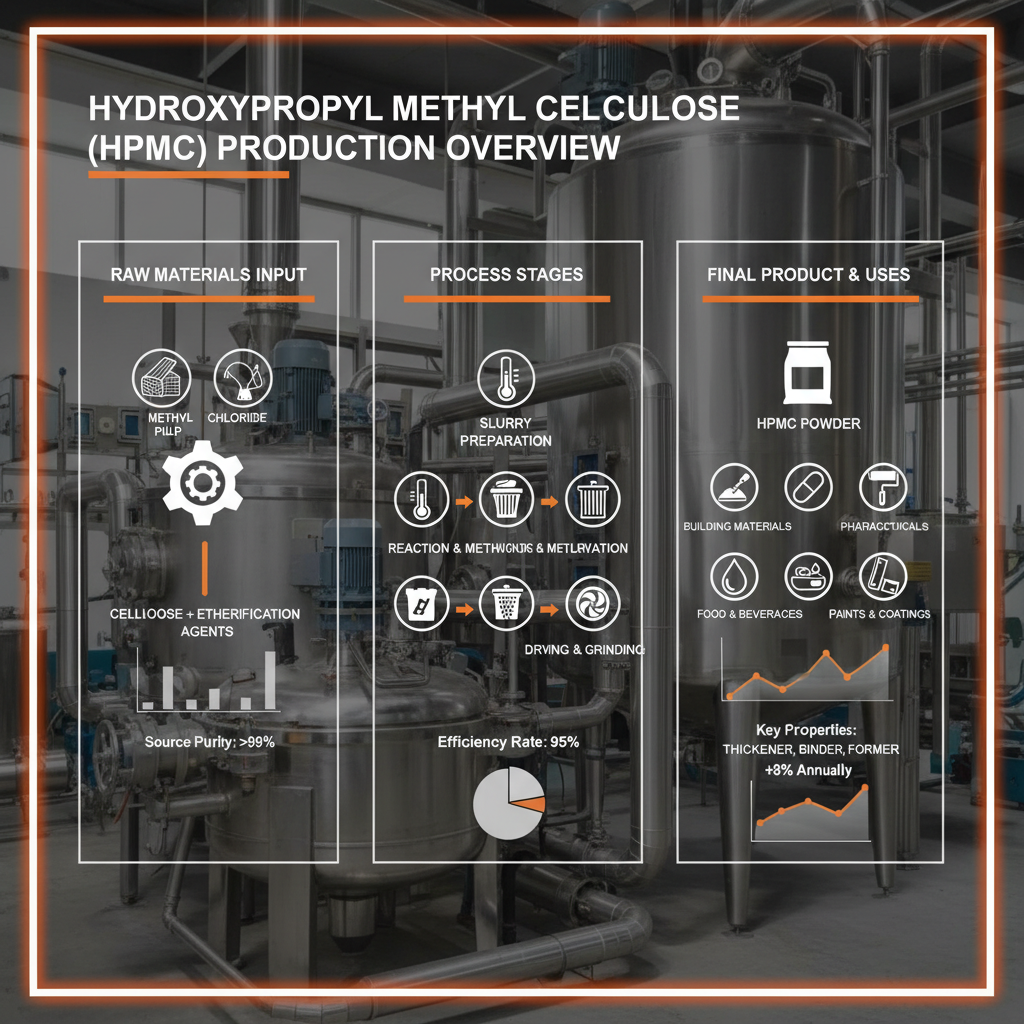
hydroxypropyl methyl cellulose hpmc

Introduction to Hydroxypropyl Methyl Cellulose HPMC

hydroxypropyl methyl cellulose hpmc

Hydroxypropyl methyl cellulose (HPMC) represents a significant advancement in polymer chemistry. Derived from cellulose, a natural and renewable resource, HPMC is created through chemical modification that introduces hydroxypropyl and methyl groups onto the cellulose backbone. This process imparts a range of desirable properties, including water solubility, thickening ability, film-forming capacity, and thermal stability.

Its adaptability makes HPMC a critical component in a diverse spectrum of products, from everyday items like shampoos and lotions to specialized applications in pharmaceuticals and building materials. The versatility of hydroxypropyl methyl cellulose hpmc contributes to its increasing global demand.

Global Relevance and Applications of HPMC

The global demand for HPMC is inextricably linked to growth in several key sectors. The pharmaceutical industry heavily relies on HPMC as a binder, film coating agent, and controlled-release matrix in tablet formulations. The construction industry uses it as a thickener and water retention agent in cement-based products, improving workability and preventing cracking. Food processing utilizes HPMC as a stabilizer, thickener, and emulsifier in various food products.

The Asia-Pacific region currently dominates HPMC consumption, fueled by rapid industrialization and construction booms in countries like China and India. North America and Europe represent significant markets, driven by demand in the pharmaceutical and personal care industries. The United Nations Sustainable Development Goals (SDGs), particularly those related to infrastructure and health, indirectly support the increased adoption of HPMC as a sustainable and effective material.

Specifically, the growth in the construction sector in developing countries requires high-performance materials like HPMC to improve the durability and sustainability of infrastructure projects. This demand is further amplified by increasing awareness regarding energy efficiency and green building practices, where HPMC contributes to improved thermal insulation and reduced water consumption in building materials.

Defining Hydroxypropyl Methyl Cellulose HPMC

Hydroxypropyl methyl cellulose (HPMC) is a non-ionic, water-soluble polymer derived from cellulose. Cellulose, a structural component of plant cell walls, is chemically modified by substituting some of the hydroxyl groups with hydroxypropyl and methyl groups. This etherification process alters the cellulose’s properties, making it soluble in water and imparting unique characteristics. The degree of substitution (DS) – the average number of substituent groups per glucose unit – influences the properties of the resulting HPMC grade.

HPMC bridges the gap between natural materials and synthetic polymers, offering a bio-based alternative with tailored performance characteristics. It is available in various viscosity grades, particle sizes, and gelation temperatures, allowing formulators to customize its properties for specific applications. Its molecular weight, determined by the chain length of the polymer, also contributes significantly to its behavior in solution.

This carefully controlled modification process transforms a naturally abundant material into a highly functional ingredient essential for addressing modern industrial and humanitarian needs, ranging from improving drug delivery systems to enhancing the performance of construction materials.

Core Properties of Hydroxypropyl Methyl Cellulose HPMC

HPMC exhibits a unique combination of properties making it invaluable in diverse applications. Firstly, its thickening ability stems from its ability to increase the viscosity of aqueous solutions, providing desired texture and stability. Secondly, water retention is a key characteristic, particularly crucial in construction materials to prevent premature drying and cracking.

Thirdly, HPMC demonstrates excellent film-forming capabilities, creating a flexible and transparent coating used in pharmaceuticals, food, and packaging. Fourthly, it provides thermal gelation, meaning it forms a gel upon heating and reverts to a liquid upon cooling, utilized in specialized applications requiring temperature sensitivity.

Comparative Performance of HPMC Grades

Real-World Applications of Hydroxypropyl Methyl Cellulose HPMC

The versatility of hydroxypropyl methyl cellulose hpmc manifests in a wide range of applications. In the pharmaceutical industry, HPMC serves as a critical excipient in tablet coatings, controlling drug release rates and ensuring patient compliance. In construction, it's incorporated into tile adhesives, cement renders, and self-leveling compounds, improving workability, adhesion, and preventing cracking.

In the food industry, HPMC functions as a stabilizer in ice cream, a thickener in sauces, and a film-forming agent in edible coatings for fruits and vegetables, extending shelf life and enhancing product appeal. Furthermore, in the cosmetics industry, it's utilized in lotions, creams, and shampoos to provide thickening, emulsion stabilization, and a pleasant skin feel.

Advantages and Long-Term Value of HPMC

HPMC offers significant advantages over traditional materials. Its cost-effectiveness, derived from the abundance of cellulose, makes it an economically viable solution. Its sustainability stems from its renewable source and biodegradable nature, reducing environmental impact. The reliable performance of HPMC, ensuring consistent product quality, builds trust and enhances brand reputation.

Beyond these tangible benefits, HPMC contributes to improved safety through its non-toxic properties. It promotes innovation by enabling the development of new and improved product formulations. Ultimately, embracing HPMC represents a commitment to responsible manufacturing practices and a future where performance and sustainability go hand in hand.

Future Trends and Innovations in HPMC

The future of HPMC is marked by exciting innovations. Researchers are exploring modified HPMC derivatives with enhanced properties, such as improved biocompatibility and responsiveness to stimuli. Sustainable sourcing of cellulose, utilizing agricultural waste and alternative biomass sources, is gaining momentum. Integration with digital manufacturing techniques, such as 3D printing, opens new possibilities for creating customized HPMC-based products.

Furthermore, the increasing focus on green chemistry and circular economy principles will drive the demand for bio-based materials like HPMC. Developments in nanotechnology are also exploring the use of HPMC as a carrier for targeted drug delivery and other advanced applications. The synergy between HPMC and emerging technologies promises a brighter and more sustainable future.

The application of HPMC in new areas such as biodegradable packaging and advanced biomaterials demonstrates its potential to address pressing global challenges and create a more sustainable future.

FAQS

What are the primary benefits of using HPMC in pharmaceutical tablet formulations?

HPMC offers several advantages in pharmaceutical tablets, including excellent film-forming properties for coating, controlled release capabilities for sustained medication delivery, good compressibility for tablet hardness, and biocompatibility ensuring patient safety. It's also relatively inexpensive and readily available, making it a practical choice for large-scale production. The ability to tailor release profiles based on HPMC grade is a key benefit for optimizing drug efficacy.

How does HPMC improve the performance of cement-based construction materials?

HPMC significantly enhances cement-based materials by improving water retention, preventing premature drying, and increasing workability. This leads to better adhesion, reduced cracking, and enhanced durability. It also improves the sag resistance of tile adhesives, ensuring consistent application. The use of HPMC results in stronger, more reliable structures with extended lifespans, particularly in challenging environmental conditions.

Is HPMC a safe and environmentally friendly material?

Yes, HPMC is generally considered safe and environmentally friendly. It's derived from cellulose, a natural and renewable resource. HPMC is non-toxic, biodegradable, and doesn’t contribute to harmful emissions. Its sustainable sourcing and eco-friendly properties align with increasing consumer demand for environmentally responsible products. However, proper handling and disposal practices should always be followed, as with any chemical substance.

What factors influence the viscosity of an HPMC solution?

Several factors influence HPMC viscosity, including the grade (viscosity level) of the HPMC itself, the concentration of HPMC in the solution, the temperature of the solution (viscosity generally decreases with increasing temperature), and the pH of the solution. The presence of salts or other additives can also impact viscosity. Careful control of these factors is essential for achieving the desired solution properties.

How can I choose the right grade of HPMC for my application?

Selecting the appropriate HPMC grade depends on the specific application requirements. Key considerations include the desired viscosity, gelation temperature, and solubility. Higher viscosity grades are suitable for applications requiring thickening, while lower viscosity grades are ideal for coatings and film formation. Gelation temperature is crucial for temperature-sensitive applications. Consulting with a supplier or conducting preliminary testing is recommended.

What is the shelf life of HPMC, and how should it be stored?

HPMC generally has a long shelf life, typically several years, when stored correctly. It should be kept in a cool, dry place, away from direct sunlight and moisture. Exposure to humidity can lead to clumping and reduced performance. Original, sealed packaging is ideal for maintaining product quality. Proper storage ensures that the HPMC retains its desired properties over time.

Conclusion

In conclusion, hydroxypropyl methyl cellulose (HPMC) stands as a remarkably versatile and valuable material with a growing global presence. Its unique combination of properties – thickening, water retention, film-forming ability, and thermal gelation – makes it indispensable across diverse industries, from pharmaceuticals and construction to food and cosmetics. The sustainable nature of HPMC, derived from renewable cellulose, further enhances its appeal in an increasingly environmentally conscious world.

Looking ahead, continued innovation in HPMC production and application will unlock even greater potential. The development of modified HPMC derivatives, sustainable sourcing practices, and integration with emerging technologies will pave the way for new and exciting advancements. We encourage you to explore the possibilities of HPMC and discover how it can benefit your products and processes. Visit our website at www.tjhpmc.com to learn more.

William Davis

William Davis

William Davis is a dedicated Research and Development Scientist at Hebei Tjin Technology Co., Ltd., specializing in the modification and application of Sodium Carboxymethyl Cellulose (CMC). He holds a Ph.D. in Polymer Chemistry from MIT and focuses on enhancing CMC properties for diverse food applications, including thickening, stabilization, and suspension.
Previous Exploring the Versatile Applications of Hydroxypropyl Methyl Cellulose Ether
Next Hydroxypropyl Methylcellulose A Versatile Polymer for Diverse Industrial Applications

If you are interested in our products, you can choose to leave your information here, and we will be in touch with you shortly.