Hydroxypropyl methylcellulose (HPMC) powder is a versatile cellulose ether derivative widely utilized across numerous industries, from pharmaceuticals and food to construction and personal care. Its unique properties, including thickening, binding, film-forming, and water retention, make it an indispensable ingredient in countless applications. Understanding HPMC's characteristics and functionalities is crucial for optimizing product formulations and achieving desired performance attributes. This knowledge is increasingly vital as industries seek sustainable and efficient materials.
The global demand for HPMC powder is steadily rising, driven by expanding applications in construction, where it’s used as a cement additive, and in pharmaceuticals, as a controlled-release agent and coating material. According to market research reports, the HPMC market is expected to reach significant growth in the coming years, mirroring the increasing focus on innovative materials and sustainable solutions. This growing demand presents both opportunities and challenges for manufacturers and end-users alike, making in-depth understanding of its properties essential.
Furthermore, the adaptability of hydroxypropyl methylcellulose hpmc powder to diverse formulations and processing conditions is a key factor in its widespread adoption. It provides a cost-effective and reliable solution for enhancing product performance and addressing specific formulation challenges, solidifying its importance in modern manufacturing processes.
Introduction to Hydroxypropyl Methylcellulose HPMC Powder
Hydroxypropyl methylcellulose hpmc powder serves as a critical component in numerous formulations, primarily due to its exceptional thickening and stabilizing properties. It’s a white or off-white, odorless, tasteless, and non-toxic powder derived from cellulose, making it suitable for a broad spectrum of applications where safety and performance are paramount.
Its versatility stems from its ability to dissolve in both water and organic solvents, offering flexibility in formulation development. The degree of substitution of hydroxypropyl and methyl groups dictates the final properties of the HPMC, allowing manufacturers to tailor the material to specific application requirements.
Global Relevance and Industry Context
The global cellulose ether market, of which HPMC constitutes a significant portion, is projected to experience substantial growth. Driven by demands from burgeoning economies in Asia-Pacific, particularly China and India, alongside consistent demand from established markets in North America and Europe. This growth is closely tied to the expansion of the construction, pharmaceutical, food, and personal care industries worldwide.
According to a report by Grand View Research, the global cellulose ether market size was valued at USD 8.95 billion in 2022 and is expected to expand at a compound annual growth rate (CAGR) of 6.3% from 2023 to 2030. This signifies a considerable opportunity for HPMC manufacturers and distributors. The increasing adoption of green building practices and the demand for sustainable materials further bolster HPMC’s relevance.
A significant challenge addressed by HPMC is the need for improved workability and water retention in cement-based materials. In regions with water scarcity, minimizing water loss in construction mixtures is crucial. Furthermore, in pharmaceutical applications, the increasing demand for controlled-release formulations requires excipients like HPMC that can precisely regulate drug delivery, enhancing therapeutic efficacy.
Defining Hydroxypropyl Methylcellulose HPMC Powder
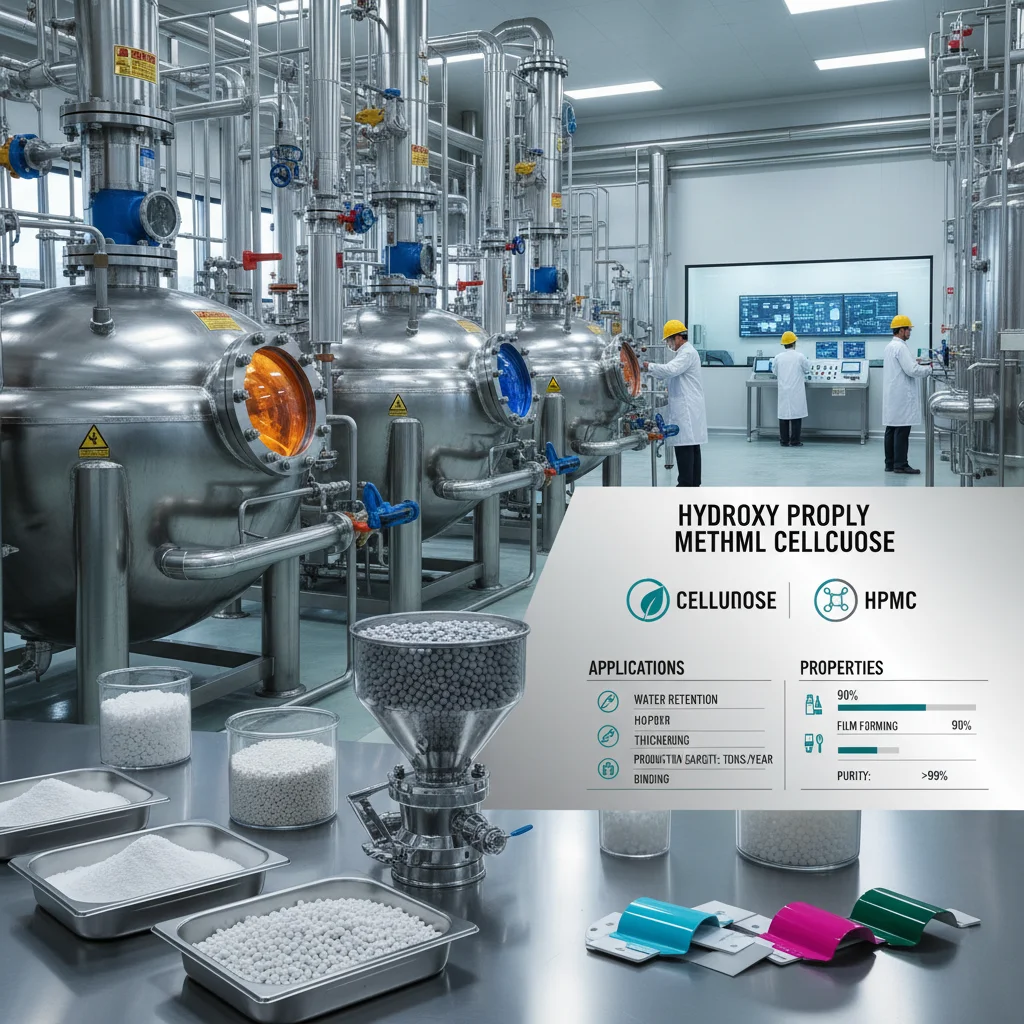
Hydroxypropyl methylcellulose (HPMC) is a non-ionic cellulose ether produced by chemically modifying cellulose through a series of reactions involving methyl chloride and propylene oxide. This modification imparts unique properties to the cellulose molecule, making it soluble in water and creating a viscous solution. The resulting powder is characterized by its ability to thicken, bind, form films, and retain water.
HPMC powder’s connection to modern industry and humanitarian needs is profound. In the construction sector, it prevents cracking and enhances adhesion in cement-based products. In pharmaceuticals, it acts as a binder for tablets and a coating agent for controlled-release medications, improving patient compliance and treatment outcomes.
Its role extends to food applications where it functions as a stabilizer, thickener, and emulsifier in products like sauces, desserts, and bakery goods, ensuring texture and shelf-life. Its non-toxicity and biocompatibility also make it suitable for personal care products, providing thickening and film-forming properties in cosmetics and toiletries.
Key Properties of HPMC Powder
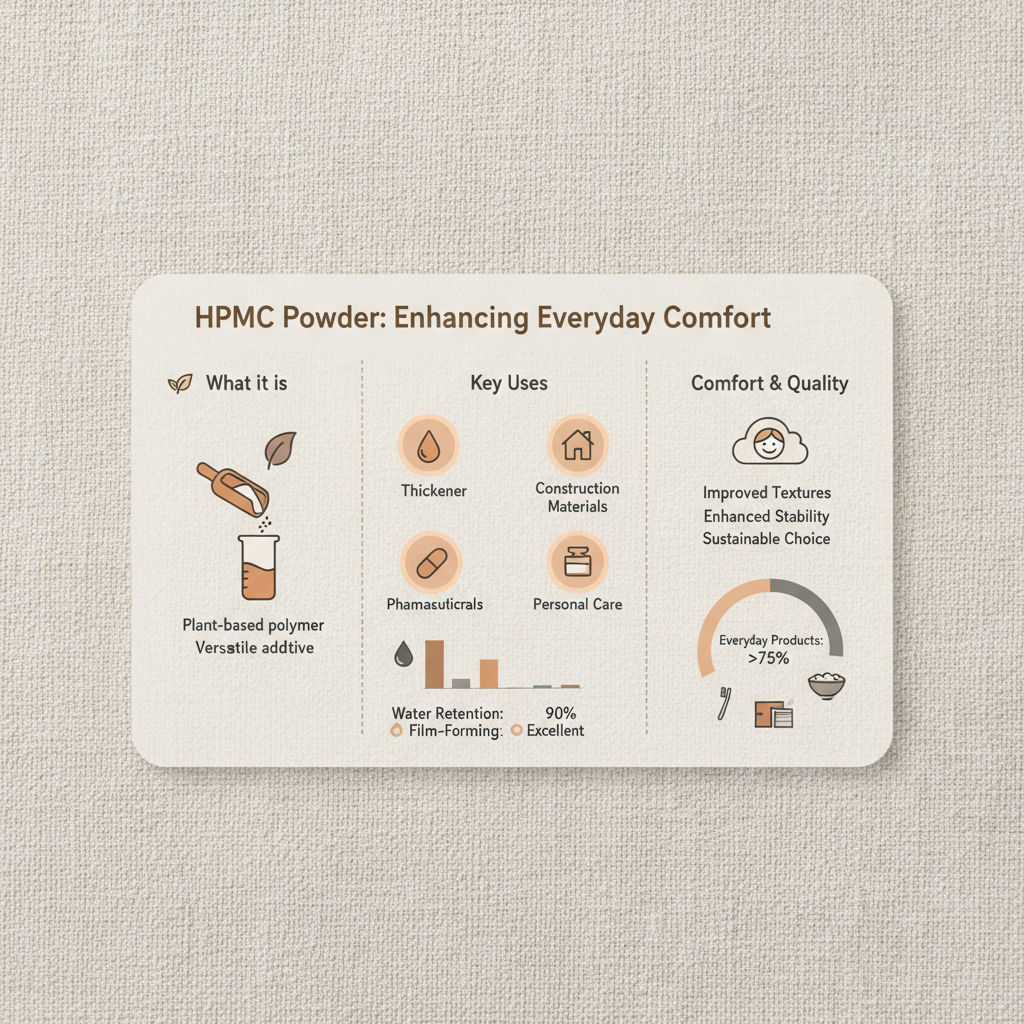
Several key properties contribute to the widespread applicability of hydroxypropyl methylcellulose hpmc powder. Firstly, its thickening ability is exceptional, enabling the creation of viscous solutions at relatively low concentrations. This is crucial in applications like paints, coatings, and adhesives where viscosity control is essential. Secondly, its water retention capacity prevents premature drying in cement-based materials, ensuring proper hydration and strength development.
The film-forming capability of HPMC creates a protective barrier, enhancing the stability and shelf-life of pharmaceutical coatings and food products. Its binding properties are vital in tablet manufacturing, ensuring the cohesive strength of the tablet core. Moreover, HPMC exhibits excellent thermal gelation properties; solutions become more viscous when heated, which is valuable in specific food and industrial applications.
HPMC Powder Performance Comparison
Applications Across Diverse Industries
The diverse properties of hydroxypropyl methylcellulose hpmc powder lead to its widespread use in numerous sectors. In the construction industry, it’s a vital additive in cement-based mortars, tile adhesives, and self-leveling compounds, enhancing workability, adhesion, and water retention, particularly in regions like the Middle East and Africa where water conservation is paramount.
In the pharmaceutical industry, HPMC is used extensively as a binder for tablets, a coating agent for sustained-release formulations, and a viscosity-increasing agent in liquid medications. Pharmaceutical companies in Europe and North America heavily rely on HPMC to meet stringent quality and regulatory standards. It also plays a crucial role in ophthalmic solutions, providing lubrication and extending contact time.
Advantages and Long-Term Value
Employing hydroxypropyl methylcellulose hpmc powder yields significant advantages. The cost-effectiveness, compared to alternative polymers, makes it an appealing choice for large-scale industrial applications. Its sustainability, being derived from renewable cellulose sources, aligns with the growing emphasis on environmentally friendly materials. From a social impact perspective, improved drug delivery systems enabled by HPMC contribute to better patient health and quality of life.
The reliability of HPMC in consistently delivering desired performance characteristics fosters trust among manufacturers and end-users. It enhances product safety by minimizing dust formation and improving handling characteristics. The innovative potential lies in tailoring HPMC’s properties through controlled modification, opening doors to new applications and improved product functionalities.
Future Trends and Innovations in HPMC
Ongoing research focuses on enhancing the performance characteristics of HPMC through innovative modification techniques. This includes exploring new degrees of substitution and incorporating nanomaterials to improve mechanical strength, thermal stability, and barrier properties. Developments in green chemistry are aiming to develop more sustainable production processes for HPMC, minimizing environmental impact.
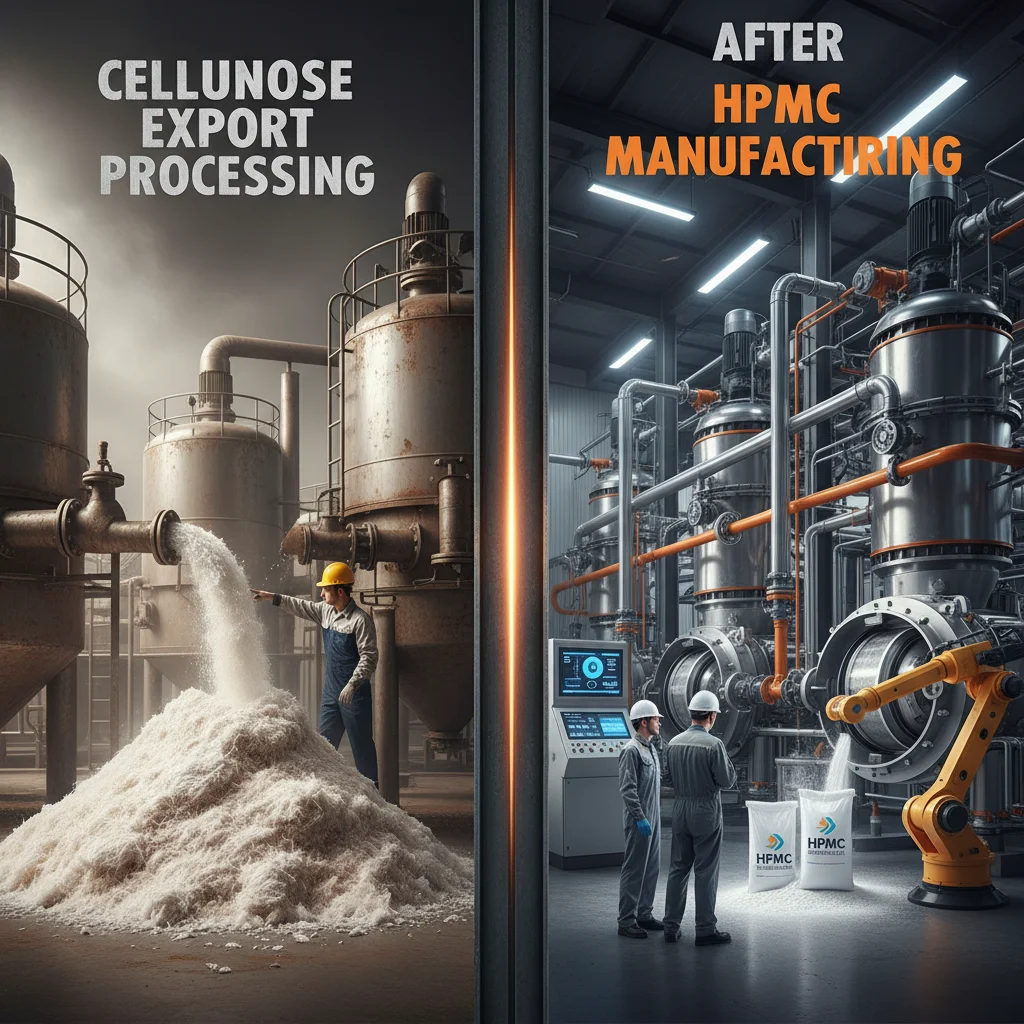
The integration of digital technologies, such as process analytical technology (PAT), is enabling real-time monitoring and control of HPMC manufacturing, ensuring consistent product quality. Automation in HPMC production is also gaining traction, improving efficiency and reducing labor costs. Furthermore, the exploration of HPMC-based biodegradable films for packaging applications presents a promising avenue for sustainable materials.
HPMC is also being investigated for use in 3D printing applications, particularly in the biomedical field, for creating scaffolds for tissue engineering. This highlights its potential to contribute to advancements in personalized medicine and regenerative therapies.
FAQS
Different grades of HPMC powder vary primarily in their viscosity, degree of substitution (DS), and particle size. Viscosity dictates the thickening ability, while DS impacts solubility and gelation temperature. Particle size influences dissolution rate and dispersion properties. Choosing the appropriate grade depends on the specific application requirements, such as desired solution viscosity, temperature stability, and processing conditions. Understanding these parameters is critical for achieving optimal performance.
Generally, HPMC powder exhibits good compatibility with a wide range of commonly used excipients, including fillers, binders, disintegrants, and lubricants. However, compatibility should always be verified through pre-formulation studies, especially when combining HPMC with ionic or highly charged substances. Incompatibilities can lead to precipitation, reduced viscosity, or altered drug release profiles. Thorough testing is essential to ensure formulation stability.
When stored properly, HPMC powder has a shelf life of typically 5 years from the date of manufacture. It should be stored in a cool, dry place, protected from direct sunlight and moisture. Exposure to humidity can cause clumping and reduce its functionality. Original, unopened containers are preferable to maintain product integrity. Following these storage guidelines ensures optimal performance and stability.
The molecular weight of HPMC significantly impacts its viscosity and solution behavior. Higher molecular weight HPMC results in higher viscosity at the same concentration. However, higher molecular weight also tends to increase solution viscosity, making processing more challenging. Lower molecular weight HPMC offers easier handling but may exhibit lower thickening efficiency. Selecting the appropriate molecular weight depends on the desired viscosity and processability.
HPMC powder is generally considered safe to handle, being non-toxic and non-irritating. However, like any fine powder, it can cause dust inhalation, leading to respiratory irritation. It’s recommended to wear a dust mask and eye protection when handling HPMC powder, especially in large quantities. Good ventilation should also be ensured to minimize dust exposure. Avoid direct contact with skin and eyes.
Yes, HPMC powder is widely used in food applications as a thickener, stabilizer, and emulsifier. It’s generally recognized as safe (GRAS) by regulatory authorities like the FDA and EFSA. However, specific regulations regarding its use levels and applications may vary depending on the country and food category. Manufacturers must comply with all relevant food safety regulations and labeling requirements when incorporating HPMC into food products.
Conclusion
In conclusion, hydroxypropyl methylcellulose hpmc powder is a remarkably versatile material with applications spanning across diverse industries. Its unique combination of properties – thickening, binding, film-forming, and water retention – provides invaluable solutions to formulation challenges, enhancing product performance and sustainability. Understanding these properties and their impact on different applications is crucial for maximizing the value of this remarkable polymer.
Looking ahead, continued innovation in HPMC modification and production processes will unlock even greater potential. As the demand for sustainable and high-performance materials increases, HPMC is poised to play an increasingly significant role in shaping future industries. We encourage you to explore the full potential of HPMC powder for your specific needs. Visit our website at www.tjhpmc.com to learn more and request a quote.