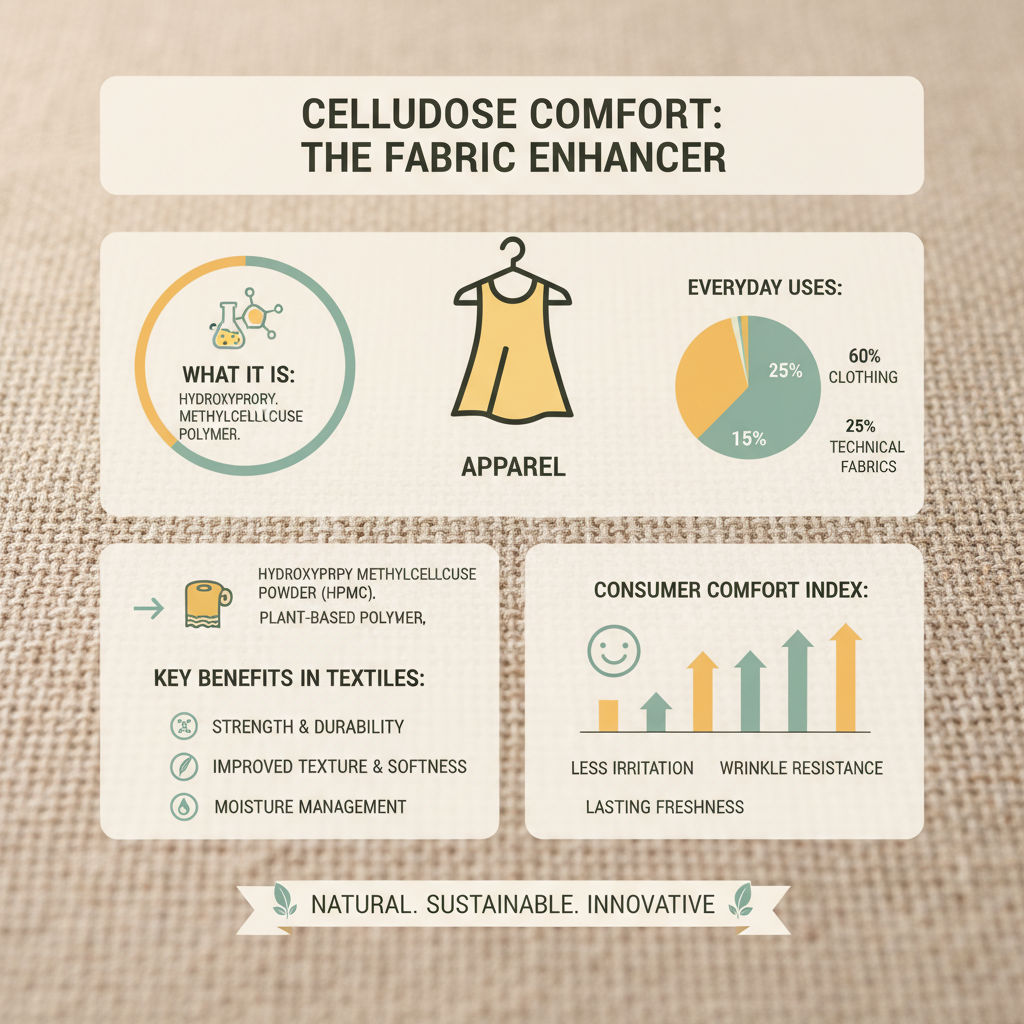
Hydroxypropyl methylcellulose (HPMC) powder is a versatile cellulose ether derivative gaining prominence across diverse industries globally. Its unique properties, including thickening, binding, film-forming, and water retention, make it an indispensable ingredient in pharmaceuticals, construction, food, cosmetics, and more. The growing demand for sustainable and bio-based materials further fuels the expansion of the HPMC powder market, with applications extending to novel areas like 3D printing and controlled-release agriculture.
The global HPMC market is experiencing robust growth, driven by increasing awareness of its benefits and expanding application scope. According to recent reports, the market is projected to reach significant figures in the coming years, with Asia-Pacific emerging as the largest and fastest-growing region. This growth is underpinned by rising construction activities, a burgeoning pharmaceutical industry, and a growing focus on food quality and safety. Understanding HPMC powder’s functionalities is thus critical for businesses aiming to innovate and thrive in a competitive landscape.
Hydroxypropyl methylcellulose powder addresses challenges related to product stability, texture, and performance. It offers a safe, non-toxic, and environmentally friendly alternative to many synthetic polymers, aligning with the increasing consumer preference for natural and sustainable products. As industries seek to reduce their environmental footprint and enhance product quality, HPMC powder is poised to play an even more significant role in shaping the future of various sectors.
Introduction to hydroxypropyl methylcellulose powder
Hydroxypropyl methylcellulose powder, often abbreviated as HPMC, is a non-ionic, water-soluble polymer derived from cellulose. It's created by chemically modifying cellulose through a series of processes involving etherification with methyl and hydroxypropyl groups. This modification imparts unique characteristics that make HPMC invaluable in a broad spectrum of industrial and consumer applications.
The production of HPMC powder involves carefully controlled conditions to ensure consistent quality and performance. Different grades of HPMC are available, tailored to specific needs based on viscosity, particle size, and substitution degree. This versatility makes hydroxypropyl methylcellulose powder a crucial component for formulators seeking to optimize their products' functionality and aesthetics.
Global Relevance and Market Dynamics
The demand for hydroxypropyl methylcellulose powder is intrinsically linked to global economic trends, particularly in the construction, pharmaceutical, food, and personal care industries. Asia-Pacific represents the largest consumer of HPMC, driven by rapid urbanization and industrial growth in countries like China and India. The region’s infrastructure development projects and increasing healthcare spending are significant contributing factors.
According to a report by the World Bank, construction activity is a key indicator of economic growth, directly correlating with HPMC demand as it is widely used in cement-based products, tile adhesives, and renders. Furthermore, the ISO standards for pharmaceutical excipients underscore the need for high-quality HPMC in drug formulations, pushing manufacturers to invest in reliable supply chains and stringent quality control measures.
A significant challenge lies in ensuring a consistent supply of cellulose, the raw material for HPMC, while maintaining sustainable forestry practices. Disruptions in raw material sourcing can lead to price fluctuations and supply shortages, impacting industries reliant on HPMC powder.
Defining Hydroxypropyl Methylcellulose Powder
Hydroxypropyl methylcellulose powder is a semi-synthetic polymer derived from cellulose, a natural component of plant cell walls. It’s created through a chemical modification process where cellulose reacts with methyl chloride and propylene oxide. The resulting polymer exhibits a unique combination of properties, making it a highly versatile ingredient.
Its connection to modern industry is profound. In pharmaceuticals, it acts as a binder, film-former, and controlled-release agent, enhancing drug efficacy and patient compliance. In construction, HPMC improves workability, water retention, and adhesion of cement-based materials, leading to more durable structures. In food, it serves as a thickener, stabilizer, and emulsifier, improving texture and shelf life.
The humanitarian impact stems from its use in creating affordable and effective solutions for various needs, from ensuring food security through improved preservation to supporting construction efforts in disaster-stricken areas. hydroxypropyl methylcellulose powder is often a critical component in rapid deployment shelters and emergency food aid formulations.
Key Properties of hydroxypropyl methylcellulose powder
The functionality of hydroxypropyl methylcellulose powder stems from its four core properties: thickening, water retention, film-forming, and thermal gelation. The degree of substitution (DS) of methyl and hydroxypropyl groups determines the specific characteristics of each HPMC grade.
These properties translate into practical benefits across various applications. For example, its thickening ability enhances the viscosity of liquids, improving product texture and suspension. The exceptional water retention capacity prevents premature drying, crucial in cement-based materials and pharmaceutical formulations.
Comparison of HPMC Grades by Viscosity
Applications of hydroxypropyl methylcellulose powder Worldwide
Hydroxypropyl methylcellulose powder finds extensive application in the pharmaceutical sector as a binder in tablets, a coating agent for sustained-release formulations, and a viscosity enhancer for liquid medications. The construction industry utilizes HPMC in cement-based plasters, tile adhesives, and self-leveling compounds, improving workability and adhesion.
In the food industry, HPMC acts as a thickener in sauces, soups, and desserts; a stabilizer in dairy products; and an emulsifier in dressings and mayonnaise. The cosmetic industry utilizes its film-forming properties in lotions, creams, and hair styling products. In post-disaster relief operations, HPMC is crucial in the production of rapid-deployment shelters and emergency food rations.
Advantages and Long-Term Value Proposition
The advantages of using hydroxypropyl methylcellulose powder are numerous. From a cost perspective, HPMC often presents a competitive alternative to synthetic polymers, particularly when considering its versatility and lower usage rates. Sustainability is a key benefit, as it’s derived from renewable cellulose sources, reducing reliance on fossil fuels.
The long-term value extends beyond cost and environmental considerations. HPMC enhances product safety through its non-toxic nature and improves product performance through its unique functional properties. This leads to increased customer satisfaction, brand loyalty, and a strengthened reputation for quality and innovation.
Future Trends and Innovations in HPMC
Ongoing research focuses on developing new HPMC grades with enhanced functionalities, such as improved water solubility, increased thermal stability, and tailored rheological properties. The integration of nanotechnology with HPMC is exploring the creation of novel drug delivery systems and advanced composite materials.
The growing emphasis on sustainable materials is driving innovation in cellulose sourcing and HPMC production. Biorefineries that utilize agricultural waste as feedstock are gaining prominence, reducing the environmental impact of HPMC manufacturing. Furthermore, the advent of digital transformation and automation is optimizing production processes, improving efficiency, and reducing costs.
Summarizing core aspects for evaluation
| Innovation Area |
Potential Impact |
Development Stage |
Commercialization Timeline |
| Nanotechnology Integration |
Enhanced drug delivery, advanced materials |
Research & Development |
5-10 years |
| Sustainable Sourcing |
Reduced environmental impact, improved supply chain resilience |
Pilot Production |
2-5 years |
| Automated Production |
Increased efficiency, lower costs |
Implementation Phase |
1-3 years |
| Modified HPMC Grades |
Tailored functionality, wider applications |
Lab Scale Testing |
3-7 years |
| Bio-based Feedstock Utilization |
Reduced reliance on wood pulp, circular economy |
Feasibility Studies |
5-10 years |
| Digital Rheology Control |
Precision viscosity control, product consistency |
Concept Development |
7-12 years |
FAQS
Different grades of HPMC are characterized by their viscosity, gelation temperature, and degree of substitution. Viscosity determines the thickening power, gelation temperature impacts thermal behavior, and the degree of substitution affects solubility and water retention. Selecting the appropriate grade depends on the specific application requirements, such as tablet binding in pharmaceuticals or water retention in construction materials.
Yes, hydroxypropyl methylcellulose powder is generally recognized as safe (GRAS) by regulatory bodies like the FDA for use in various food applications. It is non-toxic, non-allergenic, and does not contribute to caloric content. It serves as a valuable ingredient for thickening, stabilizing, and improving the texture of food products without compromising safety.
HPMC enhances the durability and longevity of construction materials by improving their adhesion, water retention, and workability. This reduces the need for frequent repairs and replacements, conserving resources and minimizing waste. Furthermore, HPMC is derived from renewable cellulose sources, making it a more sustainable alternative to some synthetic additives.
Hydroxypropyl methylcellulose powder generally has a shelf life of at least two years when stored correctly. It should be kept in a cool, dry place, protected from direct sunlight and moisture. Proper storage prevents clumping and maintains the powder’s functional properties, ensuring optimal performance in intended applications.
Yes, HPMC is often used in combination with other polymers to create synergistic effects and tailor material properties. For example, combining HPMC with acrylic polymers can enhance film-forming characteristics, while blending it with starches can improve biodegradability. Careful formulation is crucial to achieve desired performance characteristics.
In pharmaceuticals, HPMC serves multiple roles, including as a binder in tablets, a film-coating agent for controlled-release medications, a viscosity enhancer in liquid formulations, and a suspending agent. Its non-ionic nature ensures compatibility with a wide range of drug compounds, making it a versatile excipient for numerous pharmaceutical applications.
Conclusion
Hydroxypropyl methylcellulose powder stands as a remarkably versatile and increasingly important material across a diverse range of industries. Its unique combination of properties – thickening, water retention, film-forming, and thermal gelation – address critical needs in pharmaceuticals, construction, food, and cosmetics. The ongoing focus on sustainability, coupled with innovations in production and application, positions HPMC for continued growth and relevance in the years to come.
Looking ahead, the future of HPMC lies in embracing innovative technologies and sustainable practices. Continued research into novel grades and applications, coupled with a commitment to responsible sourcing and manufacturing, will unlock even greater potential. To learn more about our comprehensive range of hydroxypropyl methylcellulose powder solutions and how they can benefit your business, visit our website today.