Hydroxypropyl methylcellulose (HPMC) gel is a versatile material gaining prominence across diverse industries, from pharmaceuticals and food to construction and personal care. Its unique properties – including thickening, binding, film-forming, and water retention – make it an invaluable component in a wide range of applications. Understanding its functionalities is crucial for innovation and optimization in these sectors.
Globally, the demand for HPMC is steadily increasing, driven by factors like a growing pharmaceutical industry, rising health consciousness, and the need for sustainable materials. The market is projected to reach significant growth in the coming years, fueled by ongoing research and development and expanding application areas. This makes HPMC a key material in meeting evolving consumer and industrial demands.
The increasing adoption of HPMC stems from its ability to address critical challenges in formulation and manufacturing. For example, its use in controlled-release drug delivery systems enhances efficacy, while its water-retention capabilities are essential in drought-resistant construction materials. Consequently, mastery of hydroxypropyl methylcellulose gel applications is becoming increasingly vital for professionals across multiple disciplines.
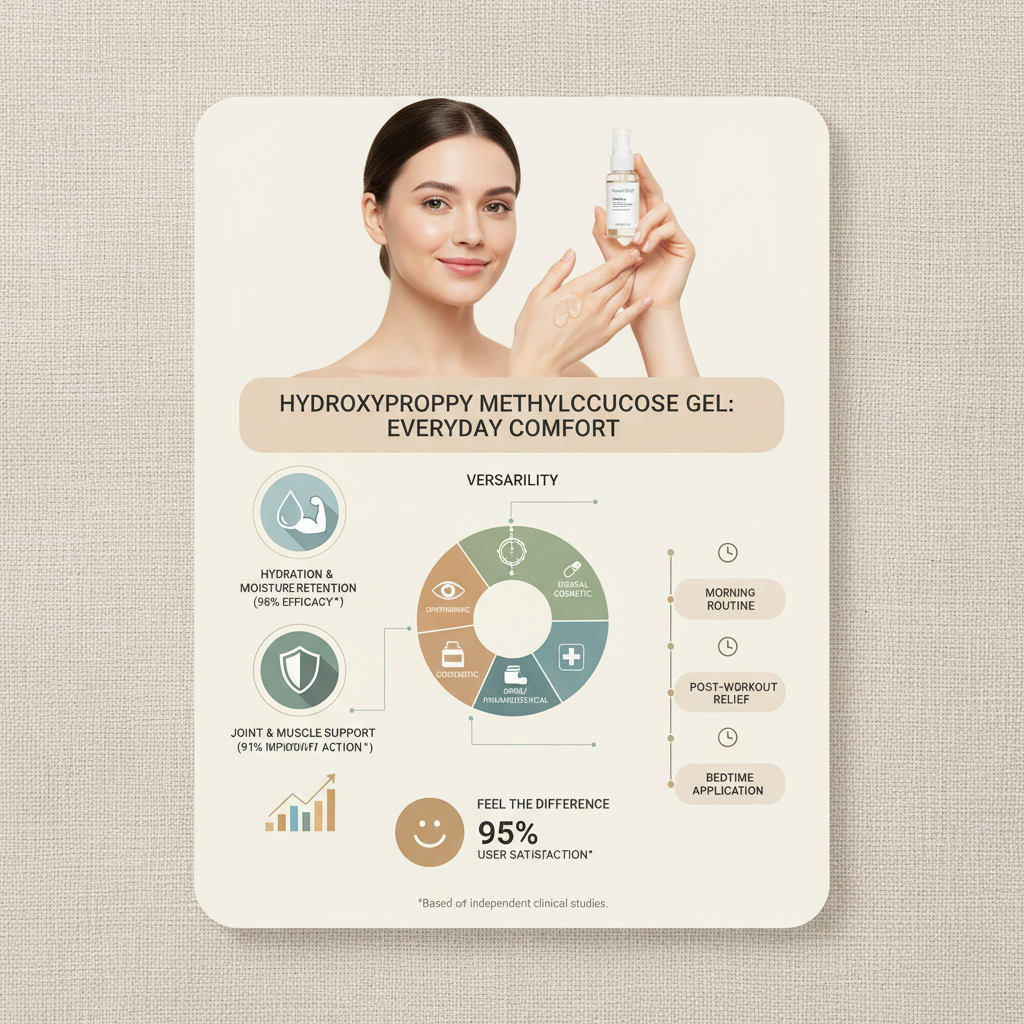
Introduction to Hydroxypropyl Methylcellulose Gel
Hydroxypropyl methylcellulose gel is a semi-synthetic polymer derived from cellulose, a naturally abundant component of plant cell walls. Its gel-forming capabilities arise from its ability to hydrate and create a three-dimensional network when dispersed in water. This unique characteristic allows it to function effectively as a thickener, stabilizer, and film former.
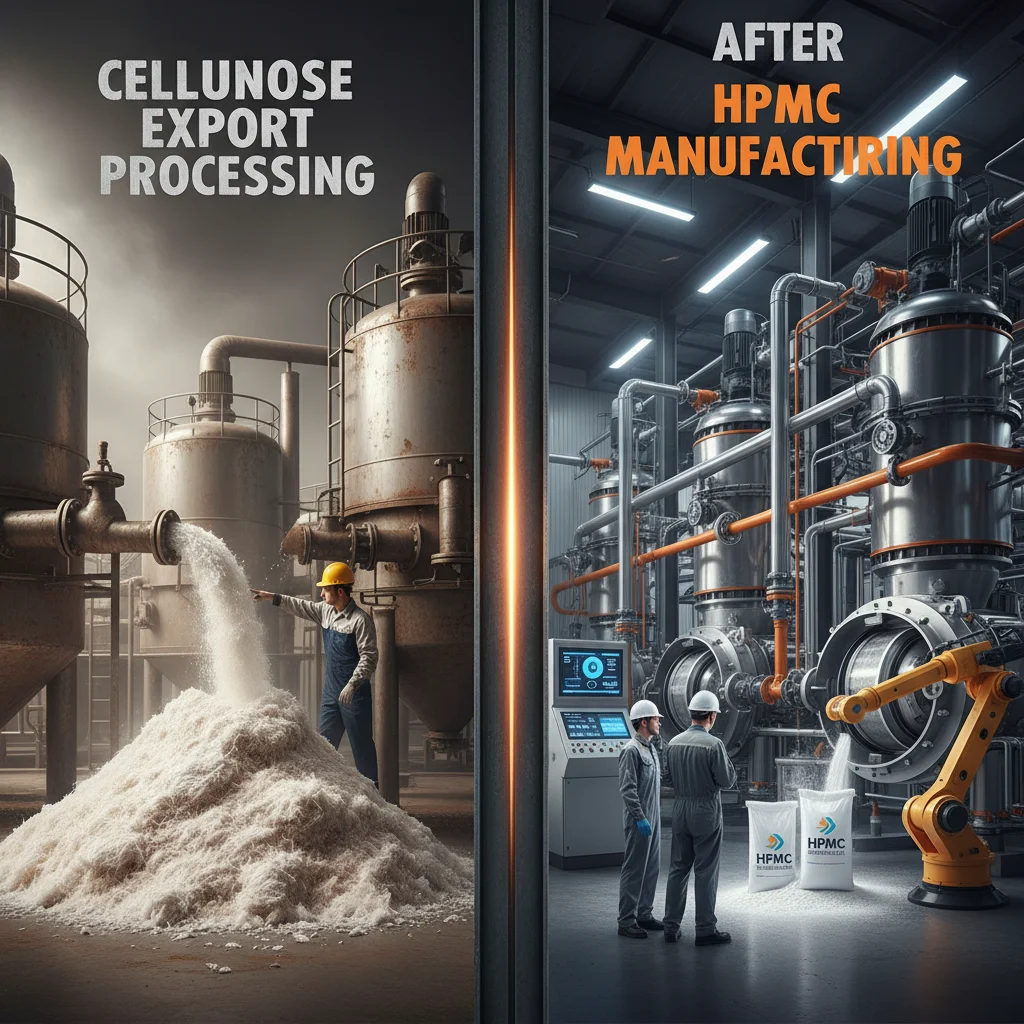
The creation of hydroxypropyl methylcellulose gel involves a series of chemical modifications to cellulose, introducing both methyl and hydroxypropyl groups. These substitutions control the gel’s properties, such as solubility, viscosity, and gel strength, making it adaptable to a broad spectrum of applications.
Global Relevance and Industry Context
The global market for cellulose ethers, including HPMC, is substantial and growing. According to industry reports, the market size was valued at over USD 8 billion in 2023 and is projected to reach over USD 12 billion by 2030, exhibiting a compound annual growth rate (CAGR) of approximately 6.5%. This growth is driven by demand from key sectors like pharmaceuticals, construction, food, and cosmetics.
A significant challenge addressed by HPMC is the need for sustainable and biodegradable materials. As concerns over plastic pollution escalate, HPMC offers a bio-based alternative in many applications, reducing reliance on petroleum-derived polymers. The United Nations Sustainable Development Goals (SDGs), particularly those related to responsible consumption and production (SDG 12), further incentivize the adoption of such materials.
The construction industry, facing increasing pressures to reduce carbon footprints, utilizes HPMC for its water retention capabilities in cement-based products. This reduces cracking, enhances workability, and minimizes water demand – addressing critical sustainability concerns. The ISO standards related to building materials also emphasize performance characteristics that HPMC significantly improves.
Defining Hydroxypropyl Methylcellulose Gel
Hydroxypropyl methylcellulose gel, in its simplest terms, is a modified cellulose polymer that forms a gel-like consistency when mixed with water. It's a white to off-white powder that is odorless and tasteless, making it suitable for food and pharmaceutical applications. The "gel" arises from the polymer chains becoming entangled and held together by hydrogen bonds with water molecules.
Its connection to modern industry lies in its multifaceted properties. Unlike many synthetic polymers, HPMC is derived from a renewable resource – wood pulp – aligning with principles of circular economy. This makes it a sustainable choice, increasingly valued in industries aiming to reduce their environmental impact.
In humanitarian needs, HPMC plays a role in formulating oral rehydration solutions (ORS), crucial for treating dehydration caused by diarrhea, a leading cause of mortality in children. Its ability to thicken and stabilize liquids ensures the ORS remains effective and easy to administer, especially in resource-limited settings.
Key Factors of Hydroxypropyl Methylcellulose Gel
Viscosity Control: The viscosity of hydroxypropyl methylcellulose gel can be precisely adjusted by varying the degree of substitution and molecular weight of the polymer. This allows for tailoring the gel’s texture for specific applications, from thin coatings to thick pastes.
Thermal Stability: HPMC exhibits good thermal stability, meaning it doesn't readily degrade at elevated temperatures. This is particularly important in applications requiring processing at higher temperatures, like certain pharmaceutical formulations or food manufacturing processes.
Film-Forming Ability: HPMC forms clear, flexible, and strong films, making it ideal for coatings, controlled-release matrices, and protective barriers. The film properties can be modified by adjusting the polymer grade and concentration.
Water Retention: The exceptional water retention capacity of HPMC is crucial in construction materials, preventing premature drying and ensuring proper hydration of cement. It also finds use in personal care products to maintain moisture and provide a smooth texture.
Hydroxypropyl Methylcellulose Gel Performance Characteristics
Global Applications & Use Cases
In the pharmaceutical industry, hydroxypropyl methylcellulose gel is extensively used as a binder, film-coating agent, and controlled-release matrix in tablets and capsules. This ensures the correct dosage and release profile of the medication, enhancing its effectiveness.
Within the construction sector, HPMC is a critical additive in cement-based mortars, tile adhesives, and self-leveling compounds. Its water retention properties prevent rapid drying, improving workability and adhesion. This is particularly valuable in hot and arid climates.
In post-disaster relief operations, HPMC is incorporated into emergency food rations as a thickening agent and stabilizer, ensuring food products remain palatable and nutritious. In remote industrial zones where water resources are limited, HPMC-based solutions for construction and agriculture are increasingly employed.
Advantages and Long-Term Value
The cost-effectiveness of HPMC, coupled with its exceptional performance, makes it an attractive alternative to other polymers. Its bio-based origin and biodegradability contribute to sustainability goals, reducing environmental impact and promoting responsible consumption. The use of HPMC provides a demonstrable competitive advantage for companies prioritizing green initiatives.
Beyond economic benefits, HPMC enhances product safety and reliability. Its inertness and non-toxicity make it suitable for sensitive applications like pharmaceuticals and food, instilling consumer trust. By contributing to consistent product quality and performance, HPMC builds long-term brand loyalty.
Future Trends and Innovations
Ongoing research focuses on modifying HPMC to enhance its properties further, such as improving its thermal stability, increasing its water-holding capacity, and tailoring its rheological behavior. Nanotechnology is being explored to create HPMC-based nanocomposites with enhanced mechanical strength and barrier properties.
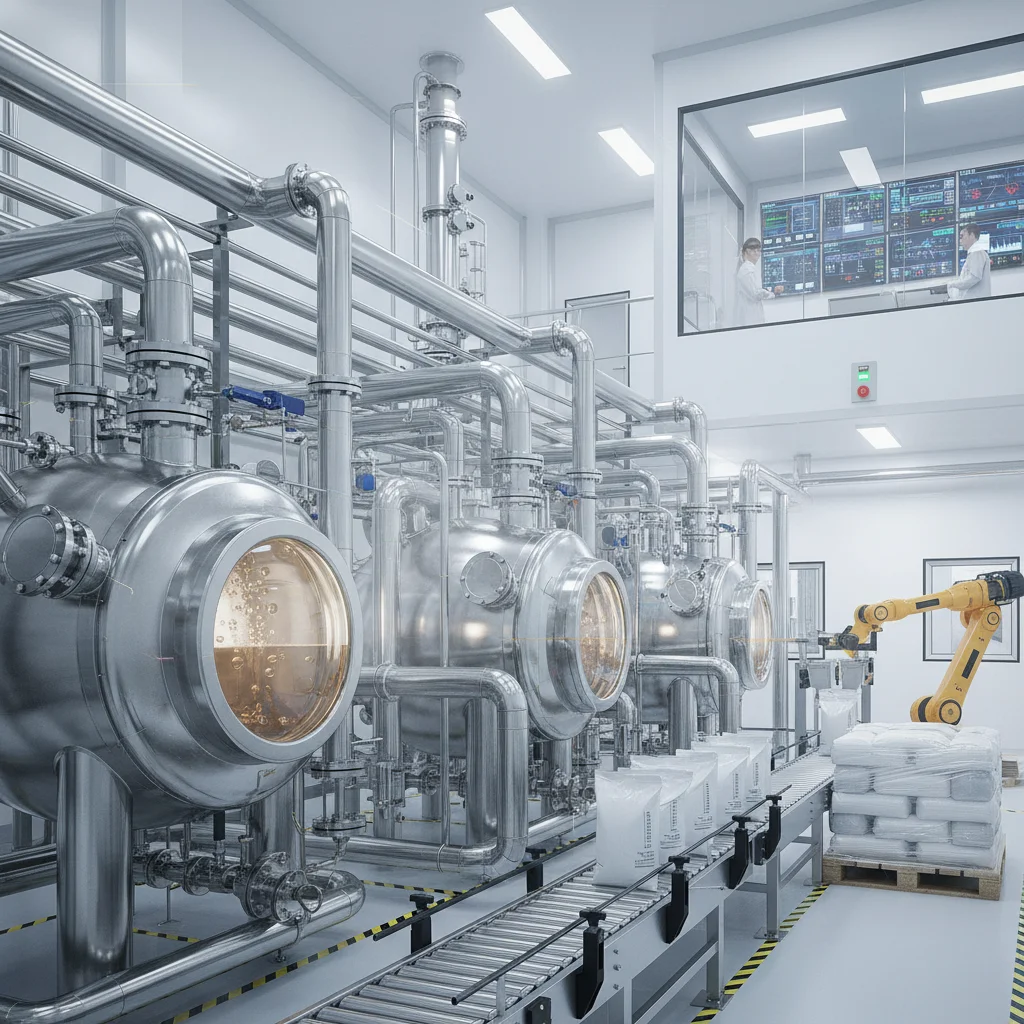
The integration of digital technologies, such as artificial intelligence (AI) and machine learning (ML), is optimizing HPMC production processes, leading to greater efficiency and reduced waste. Furthermore, sustainable sourcing practices and closed-loop recycling systems are gaining traction to minimize the environmental footprint of HPMC production.
The increasing demand for plant-based and sustainable solutions aligns with the future of hydroxypropyl methylcellulose gel. Innovations in biomaterial science and green chemistry will drive further adoption across industries, paving the way for a more sustainable and circular economy.
FAQS
HPMC grades differ primarily in their viscosity, degree of substitution, and particle size. Lower viscosity grades are ideal for coatings and solutions, while higher viscosity grades are better suited for thickeners and gels. The degree of substitution impacts solubility and gel strength. Selecting the right grade depends on factors like desired texture, release profile (for pharmaceuticals), and compatibility with other ingredients.
HPMC solutions exhibit a unique thermal behavior. As temperature increases, viscosity generally decreases, leading to a thinner consistency. However, HPMC is relatively stable at moderate temperatures. Prolonged exposure to high temperatures can cause degradation, affecting its gel-forming properties. Proper formulation and storage conditions are crucial to maintain performance.
HPMC generally demonstrates good compatibility with a wide range of excipients and ingredients, including sugars, polymers, and salts. However, compatibility should always be verified through formulation studies. Incompatibilities can sometimes occur with certain ionic materials or strong acids/bases, leading to precipitation or changes in viscosity.
HPMC is derived from cellulose, a renewable resource, making it more environmentally friendly than many synthetic polymers. However, the production process involves chemical modifications. Sustainable sourcing of wood pulp and responsible waste management are crucial. HPMC is biodegradable under certain conditions, but its degradation rate depends on factors like temperature and microbial activity.
HPMC, MC, and CMC all share a cellulose base, but differ in their chemical modifications and properties. HPMC offers better thermal gelation, meaning it forms a gel upon heating, while MC requires cooling. CMC is more sensitive to pH and ionic strength. HPMC generally exhibits superior film-forming ability and water retention compared to MC and CMC.
HPMC powder typically has a shelf life of at least five years when stored correctly. It should be kept in a cool, dry place, away from direct sunlight and moisture. Airtight containers are recommended to prevent absorption of atmospheric moisture, which can lead to clumping and changes in viscosity. Proper storage ensures consistent performance.
Conclusion
Hydroxypropyl methylcellulose gel stands as a remarkably versatile and sustainable material, offering significant benefits across diverse industries. Its unique combination of properties – including viscosity control, thermal stability, film-forming ability, and exceptional water retention – addresses critical challenges in pharmaceuticals, construction, food, and beyond. By embracing HPMC, industries can enhance product performance, reduce environmental impact, and foster innovation.
Looking ahead, continued research and development will unlock even greater potential for HPMC. Exploring new applications, refining production processes, and integrating sustainable practices will solidify its position as a key material in the future. Visit our website at www.tjhpmc.com to learn more about our high-quality HPMC products and how they can benefit your business.