April 16, 2026
In the world of industrial formulation, achieving the perfect consistency is both a science and an art. The hydroxypropyl methylcellulose thickener (HPMC) has emerged as a cornerstone additive across various sectors, from construction and pharmaceuticals to personal care. Known for its exceptional ability to retain water and stabilize mixtures, this versatile polymer ensures that products maintain their structural integrity and performance. Whether you are looking to improve the workability of cement or the stability of a cosmetic cream, understanding how this thickener functions is key to product success. In this guide, we will explore its technical properties and practical applications.
At its core, the hydroxypropyl methylcellulose thickener works by creating a network of polymer chains that trap water molecules. This process increases the viscosity of the liquid, transforming it into a gel-like substance or a thick liquid depending on the concentration. Because HPMC is non-ionic, it remains stable across a wide range of pH levels and is compatible with many other additives. This stability makes it an ideal choice for complex formulations where chemical interference must be minimized. Its primary role is to provide rheology control, which essentially means it manages how a fluid flows under different conditions.
Technical Insight: The thickening efficiency of HPMC is closely tied to its substitution degree and molar mass. High-viscosity grades are typically used for structural stability, while lower-viscosity grades are preferred for sprayable coatings.
When choosing a thickening agent, manufacturers often compare HPMC with other cellulose ethers or synthetic polymers. The hydroxypropyl methylcellulose thickener offers a unique balance of water retention and transparency that is often lacking in cheaper alternatives. Unlike some synthetic thickeners, HPMC is bio-derived, making it more environmentally friendly and skin-compatible for cosmetic use. The following table highlights the key differences between HPMC and standard starch-based thickeners commonly used in low-cost industrial applications.
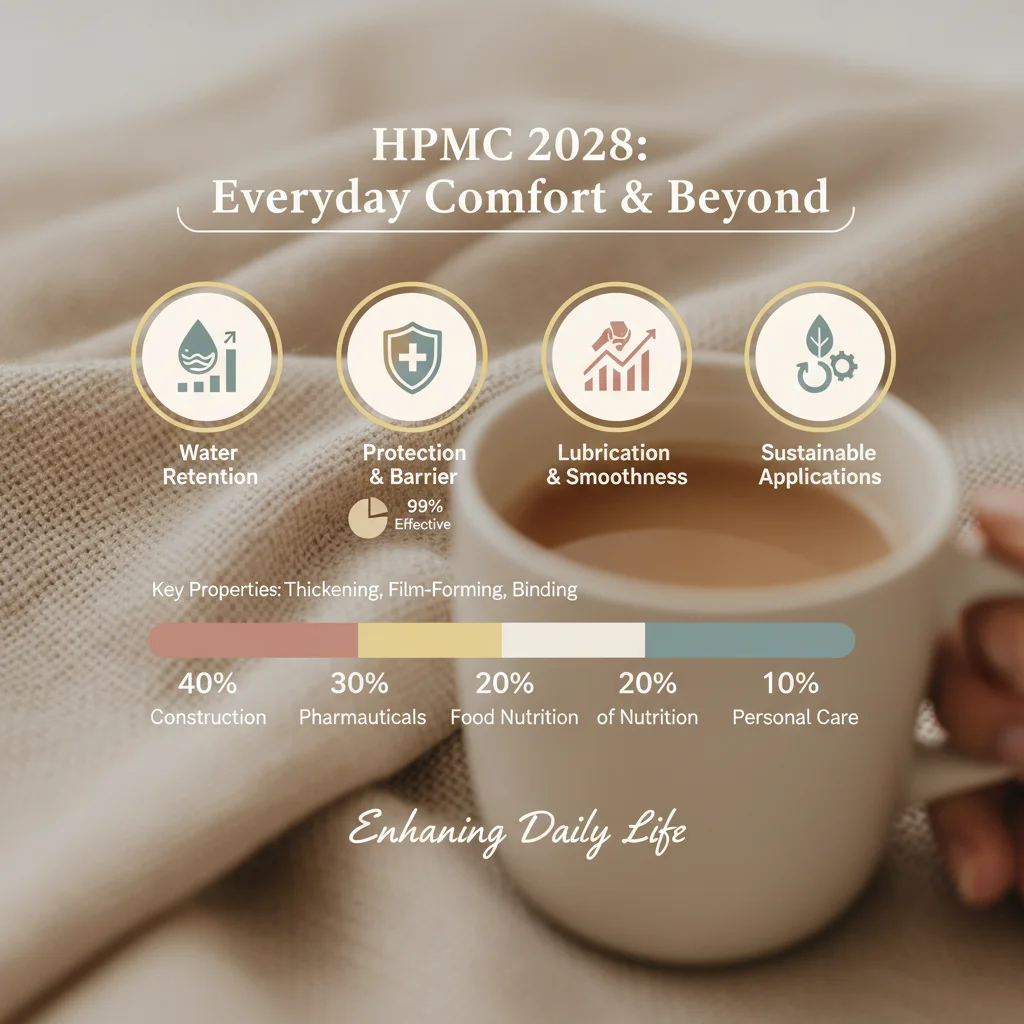
The versatility of the hydroxypropyl methylcellulose thickener allows it to serve multiple industries effectively. In the construction sector, it is used in tile adhesives and wall putties to prevent the water from being absorbed too quickly by the substrate, which prevents cracking. In pharmaceuticals, it acts as a binder and a controlled-release agent for tablets. In the cosmetics industry, HPMC provides the silky texture and stability required for shampoos and lotions. Its ability to form a thermally reversible gel makes it particularly valuable in specialized medical applications.
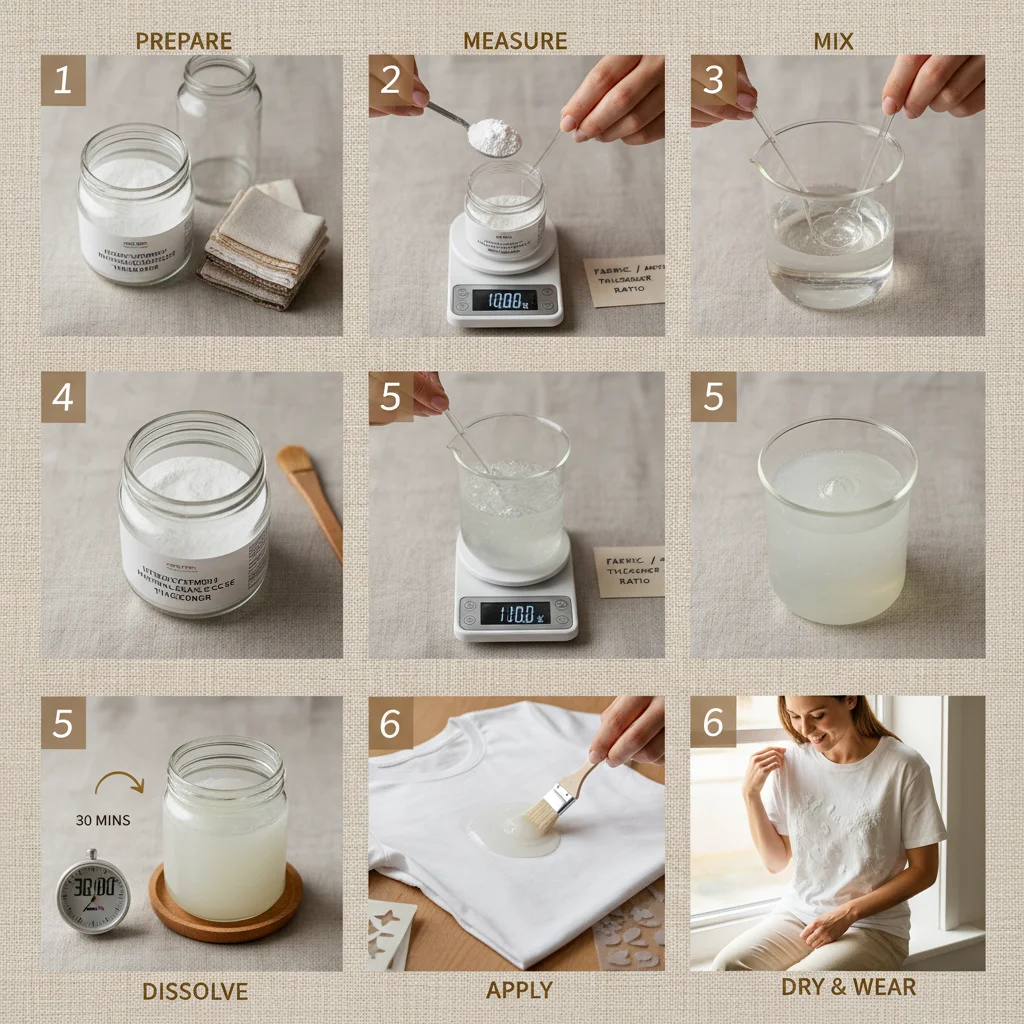
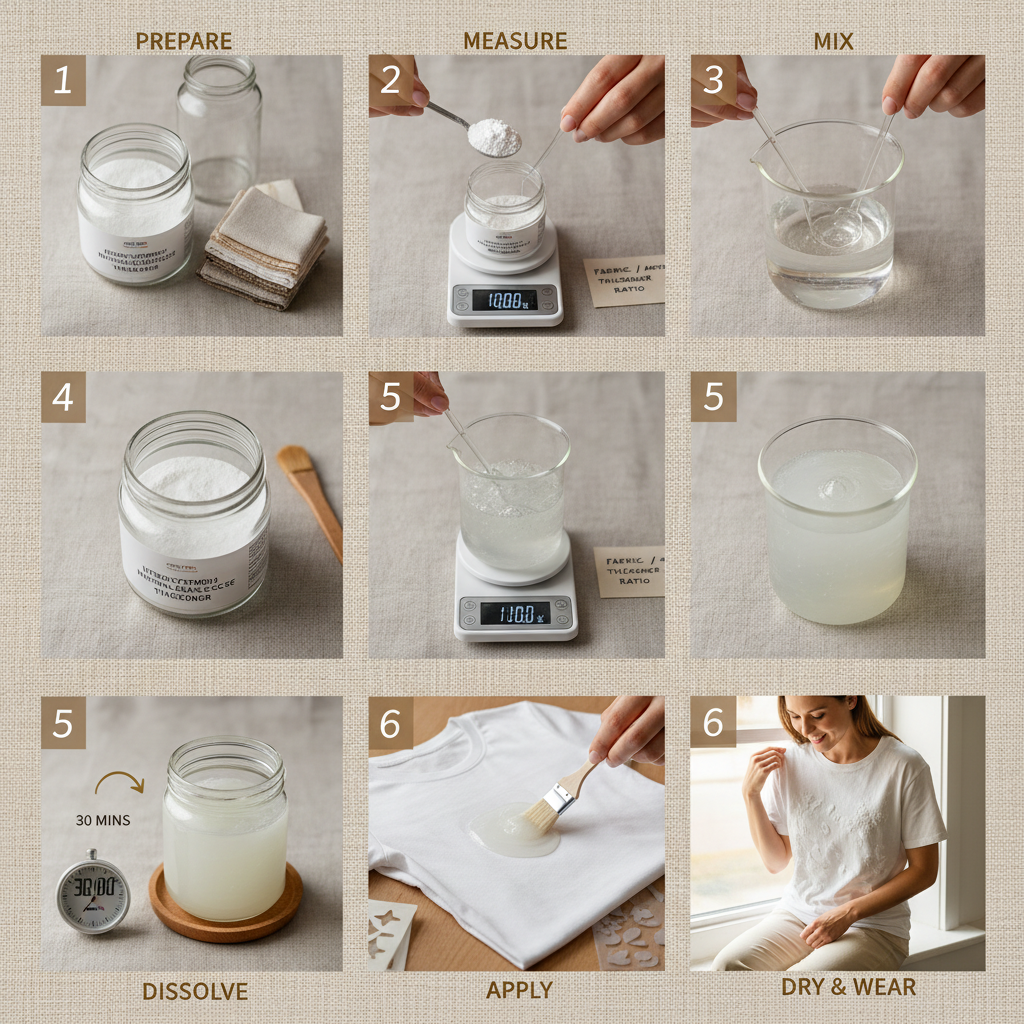
To get the most out of a hydroxypropyl methylcellulose thickener, proper dispersion is critical. If HPMC is added too quickly to water, it can form "fish-eyes"—clumps of dry powder trapped inside a gelled shell. To avoid this, it is recommended to disperse the powder in a small amount of solvent or to use high-shear mixing equipment. Temperature also plays a role; HPMC typically dissolves better in hot water or through a specific "cold-water dispersion" process where it is added to very cold water and then stirred. Once the temperature rises, the polymer fully hydrates, providing a smooth, lump-free solution.
Quality control is essential when sourcing HPMC. The performance of the hydroxypropyl methylcellulose thickener is measured by its viscosity, ash content, and moisture levels. Different grades are tailored for specific needs—for example, a high-viscosity grade (100,000 mPa.s) is suitable for heavy-duty construction mortars, while a lower viscosity grade (5,000 mPa.s) is ideal for liquid soaps. Below are the typical specifications for standard industrial-grade HPMC.
Selecting the right hydroxypropyl methylcellulose thickener can dramatically improve the quality and lifespan of your end products. From ensuring that building materials do not dry too quickly to creating the perfect texture in a luxury lotion, HPMC provides the control and stability that modern industry demands. By understanding the relationship between viscosity and application, and by following proper dispersion techniques, manufacturers can optimize their formulations for maximum performance and cost-efficiency.
While both are cellulose ethers, HPMC (Hydroxypropyl Methylcellulose) and HEMC (Hydroxyethyl Methylcellulose) differ in their chemical substitution. HPMC contains hydroxypropyl groups, which typically provide slightly better water retention and a different thermal gelation temperature compared to HEMC. In many construction applications, they are used interchangeably, but for high-precision pharmaceutical or cosmetic formulas, the specific choice can affect the final viscosity and stability of the product. Most industrial users find HPMC to be more versatile for a broader range of temperatures.
Preventing lumps, or "fish-eyes," is the most common challenge when using hydroxypropyl methylcellulose thickener. The best method is to disperse the powder in a small amount of non-solvent (like glycerin or alcohol) before adding water. Alternatively, you can use the "cold-water" method: add the powder to water that is below 10°C while stirring rapidly. HPMC will not dissolve in cold water but will be evenly dispersed. Once you increase the temperature or add a pH adjuster, the particles will hydrate simultaneously, resulting in a perfectly smooth solution.
Yes, HPMC is widely recognized as safe for cosmetic use. It is non-irritating, non-toxic, and biocompatible. In skincare, it is used not only as a thickener but also as a film-forming agent that helps ingredients stay on the skin longer and provides a smooth, non-greasy feel. Because it is a derivative of natural cellulose, it is generally well-tolerated by all skin types. Many high-end skincare brands utilize this thickener to achieve a premium "silky" texture without the need for synthetic silicones.
In tile adhesives, the hydroxypropyl methylcellulose thickener acts as a water-retention agent. Without it, the porous tile or the wall would suck the water out of the adhesive too quickly, leading to "dry-out" and poor bonding. HPMC holds the water within the adhesive matrix, allowing the cement to hydrate fully and bond strongly to the surface. This significantly reduces shrinkage cracks and improves the "open time," giving workers more time to adjust tiles before the adhesive sets.
Hit enter to search or ESC to close