In the complex world of cellulose ethers, hpmc 2906 stands out as a critical additive that bridges the gap between raw chemical stability and practical industrial application. As a high-performance Hydroxypropyl Methylcellulose grade, it is engineered to optimize rheology, water retention, and workability across various sectors, most notably in construction and personal care. Understanding the specific molecular characteristics of this grade allows manufacturers to achieve a level of precision in product consistency that was previously unattainable.
The global demand for sustainable and efficient building materials has pushed hpmc 2906 into the spotlight. By enhancing the bond strength of mortars and the stability of emulsions, it reduces material waste and extends the lifecycle of infrastructure. This is not merely a technical preference but a commercial necessity in an era where ISO standards for quality management and environmental sustainability drive procurement decisions worldwide.
For professionals in the chemical manufacturing sector, mastering the deployment of hpmc 2906 means balancing viscosity with solubility. Whether it is used to prevent sagging in wall putty or to ensure the smooth application of a pharmaceutical gel, this specific additive ensures that the end-user experience is seamless. This guide explores the multifaceted role of this polymer, from its chemical definition to its future in green chemistry.

Global Industry Context of hpmc 2906
The global chemical landscape is currently undergoing a paradigm shift toward "smart additives," and hpmc 2906 is at the forefront of this evolution. As urbanization accelerates in Asia and Africa, the construction industry faces the dual challenge of rapid deployment and long-term structural integrity. The integration of high-grade cellulose ethers allows for the creation of "self-leveling" and "anti-shrinkage" materials that meet rigorous international building codes.
Statistical trends indicate that the demand for modified cellulose polymers has grown steadily, mirroring the rise in green building certifications (such as LEED). By optimizing the water-to-cement ratio, hpmc 2906 helps reduce the carbon footprint of large-scale infrastructure projects. This global relevance is underscored by the move toward VOC-free additives, ensuring that indoor air quality is not compromised during the curing process.
Defining the Technical Nature of hpmc 2906
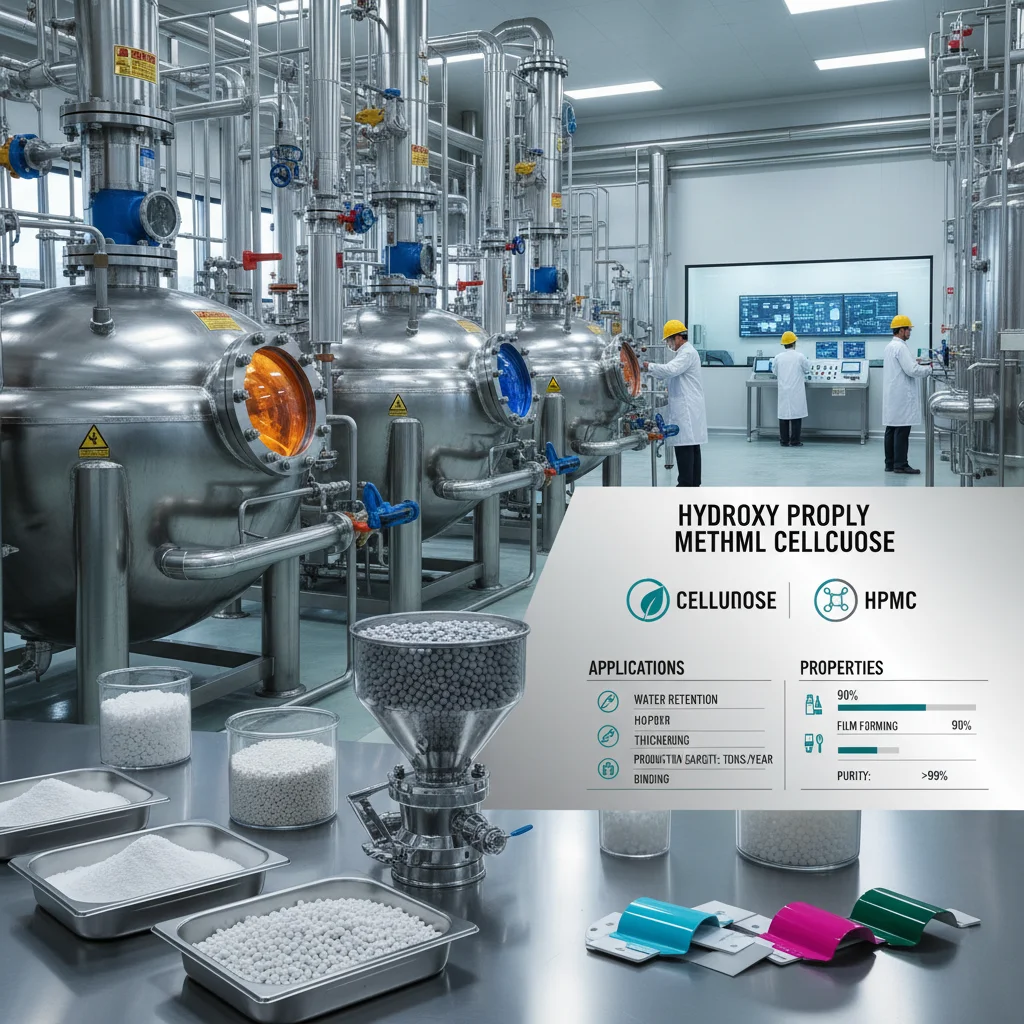
At its core, hpmc 2906 is a non-ionic cellulose ether produced by the etherification of raffinose or cotton linters. The "2906" designation refers to a specific viscosity and substitution level that optimizes its performance as a thickener and stabilizer. Unlike standard grades, it provides a balanced hydrophilic profile, meaning it can maintain high water retention without compromising the speed of dispersion.
In simpler terms, it acts as a "molecular sponge" within a mixture. In a construction mortar, for example, it holds onto water, preventing it from being absorbed too quickly by the substrate. This ensures that the cement has enough time to hydrate fully, which is the secret behind the high compressive strength and lack of cracking in professional-grade wall finishes.
Beyond construction, its chemical neutrality makes it indispensable for humanitarian and medical needs. From the creation of hypoallergenic topical creams to the formulation of controlled-release drug capsules, hpmc 2906 ensures that active ingredients are delivered efficiently and safely to the human body, proving its versatility across disparate industrial domains.
Core Performance Factors of hpmc 2906
One of the primary drivers of hpmc 2906's success is its exceptional Water Retention Capacity. In high-temperature environments, moisture loss is the enemy of stability; this additive creates a stable network that traps water molecules, extending the "open time" of the product for the end-user.
Another critical factor is its Rheological Modification. When integrated into a formula, hpmc 2906 provides the necessary pseudo-plasticity. This means the material flows easily under pressure (like when being pumped or spread) but regains its thickness immediately once the pressure is removed, preventing sagging on vertical surfaces.
Finally, the Compatibility and Solubility of hpmc 2906 make it a favorite for formulators. It blends seamlessly with other polymers like CMC (Carboxymethyl Cellulose) or starch, allowing for a synergistic effect that improves the overall texture and durability of the final chemical product without causing precipitation or phase separation.
Industrial Applications and Use Cases of hpmc 2906
The application of hpmc 2906 spans across diverse geographies and industrial needs. In the Middle East, where extreme heat leads to rapid evaporation in masonry, this grade is utilized in high-performance tile adhesives to prevent premature drying. In European markets, it is frequently found in "ready-mix" mortars that emphasize environmental sustainability and low-emission profiles.
Moreover, in the pharmaceutical sector of Southeast Asia, hpmc 2906 is used as a binder in tablet compression and as a coating agent. This ensures that the medication is released at a steady rate in the gastrointestinal tract, improving patient adherence and therapeutic outcomes.
Performance Metrics of hpmc 2906 across Variants
Long-Term Value and Advantages of hpmc 2906
The long-term value of implementing hpmc 2906 extends beyond immediate product performance. From a cost-efficiency perspective, the high potency of this grade means lower dosage levels are required to achieve the desired viscosity, directly reducing the raw material cost per ton of final product. This operational leaness allows companies to remain competitive in price-sensitive markets while maintaining premium quality.
From an emotional and trust-based angle, the reliability of hpmc 2906 provides peace of mind to contractors and engineers. Knowing that a wall will not crack or a coating will not peel creates a cycle of trust between the manufacturer and the end-user. This reliability is the foundation of brand loyalty in the chemical industry, where failure in the field can lead to catastrophic financial and reputational losses.
Future Innovations and Trends for hpmc 2906
Looking ahead, the evolution of hpmc 2906 is closely tied to the "Green Chemistry" movement. We are seeing a transition toward bio-sourced cellulose raw materials that further reduce the reliance on traditional timber processing. These next-generation versions of the polymer aim to be fully biodegradable without sacrificing the high-viscosity properties that make the 2906 grade so effective.
Digital transformation is also playing a role, with AI-driven formulation software now allowing chemists to predict the exact interaction between hpmc 2906 and various cement types. This removes the "trial and error" phase of product development, drastically shortening the time-to-market for new, specialized building materials.
Automation in production lines is further ensuring that every batch of hpmc 2906 possesses an identical molecular weight distribution. This level of consistency is crucial for automated dispensing systems in large factories, where even a slight deviation in viscosity can clog machinery or ruin a production run.
Challenges and Expert Solutions for hpmc 2906
Despite its strengths, users often encounter challenges with the "clumping" or "fish-eye" effect during the dissolution of hpmc 2906. This occurs when the polymer hydrates too quickly on the surface, trapping dry powder inside. Expert solutions involve the use of high-shear mixers or the "pre-dispersion" method in a small amount of oil or solvent before adding water, ensuring a smooth, lump-free solution.
Another common hurdle is the sensitivity of hpmc 2906 to temperature fluctuations during storage. If stored in humid or excessively hot warehouses, the powder can cake. The professional approach is to implement climate-controlled storage and use moisture-proof, multi-layer PE bags to maintain the chemical purity and flowability of the powder.
Finally, optimizing the dosage for different water hardness levels can be tricky. Since minerals in water can interact with the cellulose chain, we recommend performing a "water-hardness titration" before final formulation. By adjusting the hpmc 2906 levels based on the local water profile, manufacturers can ensure consistent performance regardless of where the product is used globally.
Comparative Analysis of hpmc 2906 Performance Indicators
| Application Area |
Viscosity Stability |
Water Retention |
Cost-Benefit Score |
| Wall Putty |
9.2 |
9.5 |
8.8 |
| Tile Adhesive |
8.5 |
9.0 |
9.2 |
| Pharmaceutical Gel |
9.8 |
8.2 |
7.5 |
| Detergent Thickener |
7.8 |
7.0 |
9.5 |
| Self-Leveling Floor |
8.9 |
8.8 |
8.0 |
| Cosmetic Lotion |
9.0 |
8.5 |
8.2 |
FAQS
The primary difference lies in the specific viscosity and substitution degree of hpmc 2906, which is tailored for superior water retention and a balanced rheological profile. While standard grades provide general thickening, 2906 is optimized for professional construction applications where anti-sagging and extended open times are critical for structural integrity.
To avoid "fish-eyes," you should use a high-speed disperser or gradually add the powder into the liquid under constant agitation. Another professional tip is to pre-mix hpmc 2906 with other dry ingredients (like cement or pigments) before adding water, which ensures the particles are separated and hydrate evenly.
Yes, hpmc 2906 is non-toxic, non-irritating, and biologically inert. Its high purity levels make it an ideal excipient for drug delivery systems and a safe thickener for skincare lotions, provided that the manufacturer adheres to GMP (Good Manufacturing Practice) and ISO quality standards.
Not entirely. While both are cellulose ethers, CMC is anionic and hpmc 2906 is non-ionic. This means HPMC is much more stable in the presence of salts and surfactants. In construction mortars, HPMC provides better water retention and workability than CMC, although they are often used together for a synergistic effect.
For optimal shelf life, hpmc 2906 should be stored in a cool, dry, and well-ventilated area, ideally between 5°C and 30°C. Avoid direct sunlight and moisture, as high humidity can lead to caking, which complicates the dissolution process and may slightly alter the viscosity profile.
By significantly improving water retention, hpmc 2906 reduces the amount of material waste caused by premature drying and cracking. Furthermore, it allows for thinner, stronger layers of adhesive and plaster, reducing the total volume of cement needed, which directly lowers the CO2 emissions associated with cement production.
Conclusion
In summary, hpmc 2906 is far more than a simple thickening agent; it is a sophisticated tool for industrial optimization. By mastering its water retention properties, rheological control, and chemical compatibility, manufacturers can produce superior materials that are durable, efficient, and sustainable. From the skyscrapers of modern cities to the precise delivery of life-saving medicine, the influence of this cellulose ether is profound and pervasive.
As we move toward a future defined by green chemistry and digital precision, the role of high-performance additives like hpmc 2906 will only grow. We encourage industry professionals to experiment with optimized dosing and high-shear mixing techniques to unlock the full potential of this polymer. For high-quality supplies and technical consultation, visit our website: www.tjhpmc.com