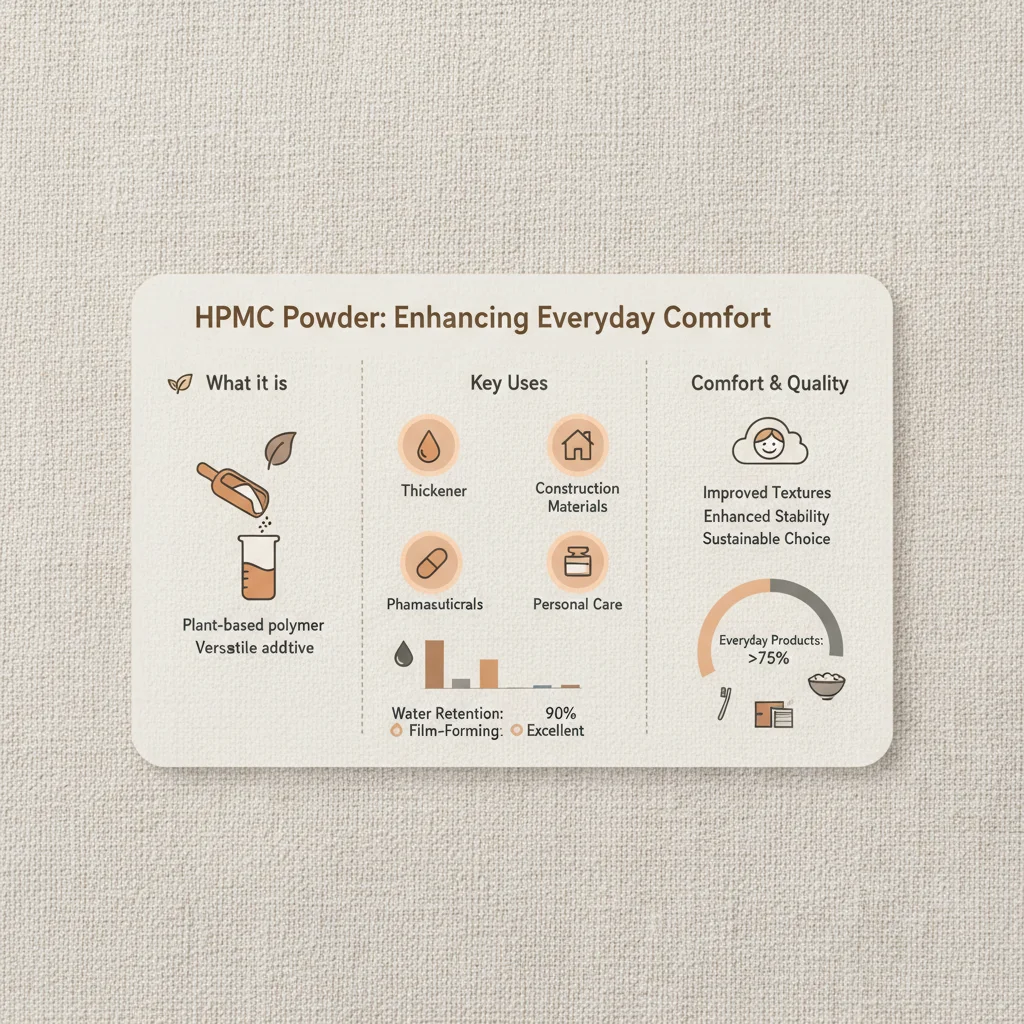
Propyl Methyl Cellulose Enhances Modern Construction Performance and Sustainability

  • Home
  • Top Blog
  • Propyl Methyl Cellulose Enhances Modern Construction Performance and Sustainability
0%

Table of Contents

Look, I’ve spent years knee-deep in concrete dust, wrestling with supply chains, and talking shop with engineers on sites from Dubai to Denver. And I'll tell you, finding reliable materials that actually perform is the biggest headache. That’s where propyl methyl cellulose (PMC) comes in. It's not a glamorous material, no one's building monuments to it, but it’s the quiet workhorse that keeps a lot of projects from turning into expensive disasters. It’s more than just an additive; it’s about building confidence in what you're creating, knowing the chemistry is working with you, not against you.

PMC isn't new, but its applications are constantly evolving. We're seeing it move beyond traditional construction into areas like 3D printing with concrete, advanced coatings, and even specialized pharmaceutical applications. The demand is rising because of a need for materials that perform consistently, are easier to work with, and can help meet increasingly stringent building codes and sustainability targets. It’s about smarter building, plain and simple.

What I've learned is, you don't just throw PMC in and hope for the best. Understanding how it works, its different grades, and how it interacts with other ingredients is critical. That’s why I’m always digging into the technical data, running my own tests, and talking to the chemists. Because when things go wrong on a build site, it's not just about money—it's about time, reputation, and sometimes, safety.

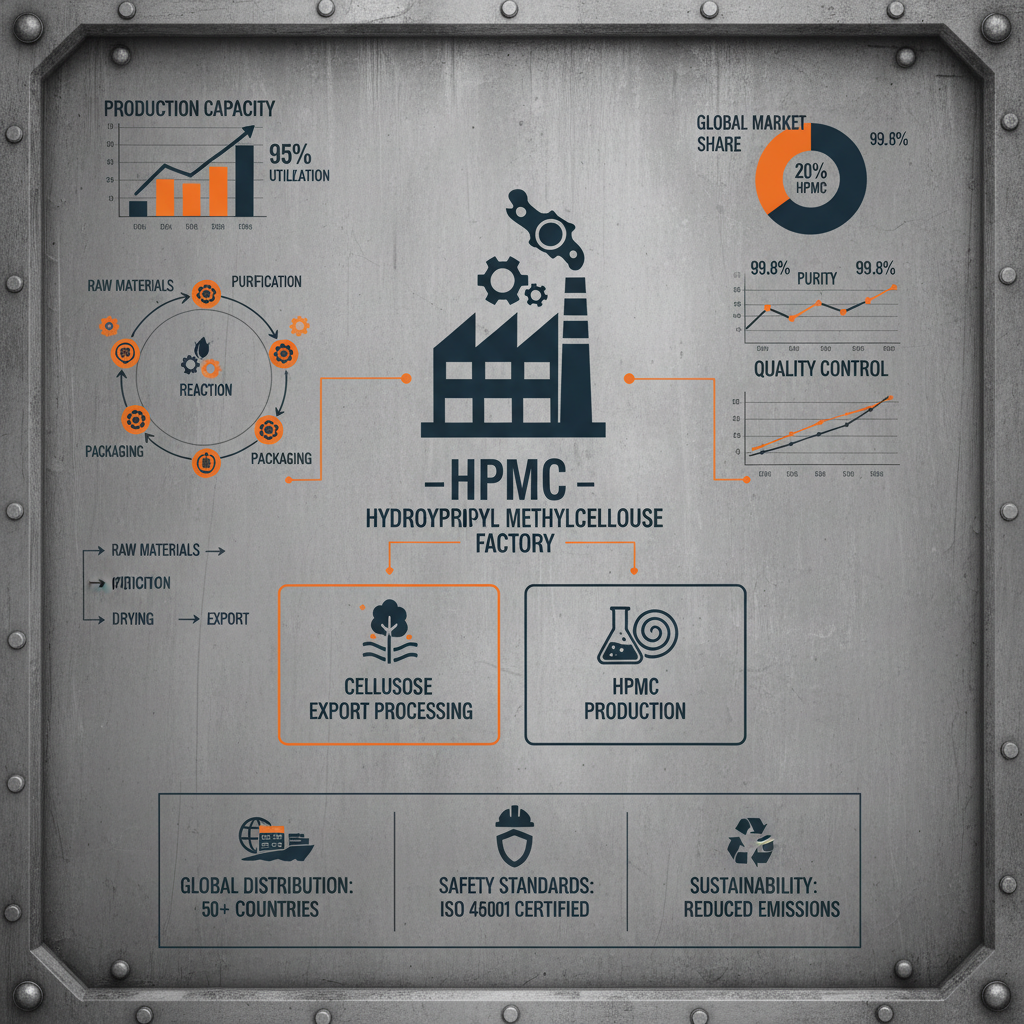
propyl methyl cellulose

The Role of Propyl Methyl Cellulose in Modern Construction

propyl methyl cellulose

PMC isn’t just about thickening things up. It’s about control. In a concrete mix, it affects water retention, workability, and ultimately, the strength and durability of the final product. I’ve seen projects delayed for weeks because of inconsistent concrete – too much slump, rapid setting, cracking. PMC, when used correctly, minimizes these risks. It gives you a predictable, reliable material you can build with confidence.

And it’s not limited to concrete. Think about tile adhesives, self-leveling compounds, even paints and coatings. PMC is there, improving performance, extending open times, and making the job easier for the guys on the ground. It's a versatile player, and that’s why its use is expanding so rapidly.

Understanding Propyl Methyl Cellulose: A Technical Overview

From a chemist’s perspective, PMC is a non-ionic cellulose ether derived from cellulose. It’s basically cellulose that’s been modified with methyl and propyl groups. That modification is key. It makes the cellulose soluble in water, but also gives it those desirable properties—water retention, thickening, and stabilization. Different grades of PMC have varying degrees of substitution, which dictates its characteristics.

The molecular weight also plays a big role. Higher molecular weight PMC will generally provide better water retention and thickening, but can also lead to increased viscosity. It's a balancing act. That’s why understanding the specific requirements of your application is crucial, and why relying on a good supplier who can recommend the right grade is essential.

We’re moving towards more sustainable building practices, and PMC fits that bill. It's derived from a renewable resource (cellulose), and the manufacturing process is becoming increasingly eco-friendly. It's a more responsible choice than some of the petroleum-based alternatives.

Key Properties Influencing Performance

Water retention is probably the biggest benefit. PMC forms a film around the cement particles, slowing down the evaporation of water. This allows for better hydration, leading to increased strength and reduced cracking. It’s especially critical in hot, dry climates, or on large surface areas.

Workability is another huge factor. PMC improves the flow and consistency of the mix, making it easier to place, level, and finish. That means less labor, faster completion times, and a higher quality finished product. It prevents segregation and bleeding, ensuring a homogenous mixture.

And don’t underestimate the impact on adhesion. PMC enhances the bond between the cement paste and aggregate, improving the overall strength and durability of the concrete. It helps to create a more cohesive and resistant material.

Real-World Applications and Project Examples

I was on a large commercial project in Dubai a few years back where they were using PMC in the concrete for the facade panels. The heat was brutal, and without it, they were fighting rapid setting and cracking every day. PMC allowed them to maintain consistent workability and achieve the required finish quality.

We’ve also used it extensively in self-leveling underlayments for flooring. It prevents segregation and ensures a perfectly smooth surface, crucial for high-end finishes. And in precast concrete, it improves the strength and reduces the risk of defects during transportation and installation. The key is tailoring the grade of PMC to the specific application.

Propyl Methyl Cellulose Performance Comparison

Advantages and Long-Term Value Proposition

The initial cost of PMC is a factor, but you have to look at the bigger picture. Reduced rework, improved durability, and faster project completion all translate into significant cost savings. It's an investment in quality and reliability.

From a sustainability standpoint, using PMC can lead to less material waste and a longer service life for the structure. That’s a win-win. And frankly, a reputation for delivering quality work is priceless.

Emerging Trends and Future Innovations with PMC

We’re seeing a lot of research into using PMC in 3D-printed concrete. It helps to control the rheology of the mix, ensuring it can be extruded accurately and maintain its shape. It's a game-changer for off-site construction and customized building components.

Another area is in the development of self-healing concrete. PMC can be combined with microcapsules containing healing agents, which are released when cracks form, repairing the damage and extending the lifespan of the structure. It’s still early stages, but the potential is huge.

And with the focus on reducing carbon emissions, we’re exploring ways to optimize PMC usage to minimize cement content while maintaining performance. That’s where the real innovation lies.

Common Challenges and Practical Solutions

One challenge is ensuring proper dispersion of the PMC in the mix. If it clumps, it won’t perform effectively. Using a high-shear mixer and adding it slowly while agitating is crucial. You also need to be mindful of compatibility with other admixtures.

Overdosing can also be a problem, leading to excessive viscosity and potential set delays. Following the manufacturer's recommendations and conducting trial mixes is essential. It's always better to start with a lower dosage and adjust as needed.

Finally, storage is important. PMC is hygroscopic, meaning it absorbs moisture from the air. Store it in a cool, dry place in its original sealed container to maintain its effectiveness.

Propyl Methyl Cellulose: Performance Factors and Application Guidelines

Application Area PMC Grade Dosage Rate (%) Expected Performance Improvement
Concrete Facade Panels PMC Grade B 0.3 - 0.5 Increased water retention, reduced cracking
Self-Leveling Underlayments PMC Grade A 0.8 - 1.2 Improved flowability, reduced segregation
Precast Concrete Elements PMC Grade C 0.5 - 0.8 Enhanced strength, reduced surface defects
Tile Adhesives PMC Grade D 0.2 - 0.4 Improved adhesion, increased open time
Cement-Based Grouts PMC Grade E 0.4 - 0.6 Reduced shrinkage, enhanced durability
3D-Printed Concrete PMC Grade A (modified) 1.0 - 2.0 Improved extrudability, shape retention

FAQS

What are the primary benefits of using propyl methyl cellulose in concrete mixes?

PMC drastically improves workability, allowing for easier placement and finishing. Crucially, it boosts water retention, leading to better cement hydration, increased strength, and minimized cracking – especially important in hot weather or large pours. We've seen a noticeable reduction in rework and faster project completion times when using PMC correctly.

How does the grade of propyl methyl cellulose affect its performance?

Different grades of PMC have varying molecular weights and degrees of substitution. Higher molecular weight generally means better water retention and thickening, but also higher viscosity. Grade A is often used for workability, B for water retention, and C for adhesion. It's all about matching the grade to the specific application’s needs. Always consult with a supplier for guidance.

Is propyl methyl cellulose environmentally friendly?

Yes, relatively speaking. PMC is derived from cellulose, a renewable resource. While the manufacturing process isn't entirely without impact, it's generally considered more sustainable than many petroleum-based alternatives. Plus, by improving durability and reducing material waste, it indirectly contributes to a smaller environmental footprint.

What happens if I overdose on propyl methyl cellulose?

Overdosing can lead to excessive viscosity, making the mix difficult to work with and potentially delaying setting times. It can also increase air entrainment. It's always best to start with the recommended dosage and adjust incrementally based on trial mixes. Precision is key.

How should I store propyl methyl cellulose to maintain its effectiveness?

PMC is hygroscopic, meaning it readily absorbs moisture. Store it in a cool, dry place, tightly sealed in its original container. Exposure to humidity will cause it to clump and lose its effectiveness. Proper storage is crucial for maintaining its performance.

Can propyl methyl cellulose be used with other concrete admixtures?

Yes, but compatibility is key. PMC can be used in combination with air-entraining agents, water reducers, and other admixtures. However, it's essential to conduct compatibility tests to ensure there are no adverse reactions. Always follow the manufacturer’s recommendations and consult with a concrete specialist.

Conclusion

PMC isn’t a glamorous material, but it's a critical component of modern construction. Its ability to improve workability, water retention, and durability makes it an invaluable tool for builders and engineers. It’s about more than just mixing ingredients – it's about building with confidence and ensuring long-term performance.

The future of PMC lies in continued innovation – exploring its potential in 3D printing, self-healing concrete, and sustainable building practices. Investing in understanding this versatile material and its proper application is an investment in the quality, reliability, and sustainability of our built environment. If you're looking for reliable materials and expert advice, visit our website: www.tjhpmc.com.
Robert Johnson

Robert Johnson

Robert Johnson serves as the Lead Quality Control Specialist at Hebei Tjin Technology Co., Ltd. With a Bachelor’s degree in Chemistry and 10+ years in the industry, Robert is dedicated to maintaining the highest standards of product purity and consistency. His responsibilities include rigorous testing of raw materials and finished
Previous Elevated Apparel Performance with HPMC
Next Understanding the Versatility and Benefits of hidroxipropilmetilcelulosa hpmc in Modern Industries

If you are interested in our products, you can choose to leave your information here, and we will be in touch with you shortly.