March 03, 2026
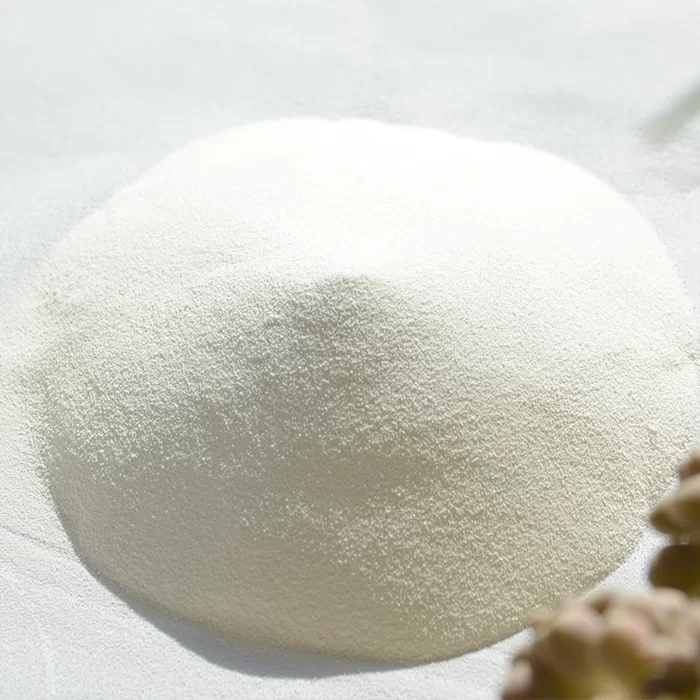
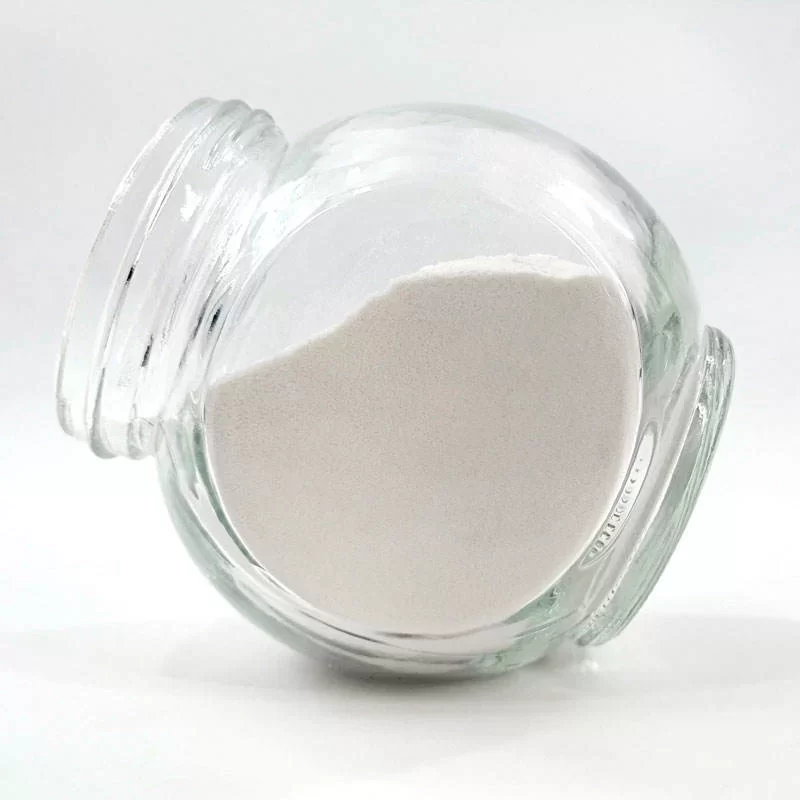
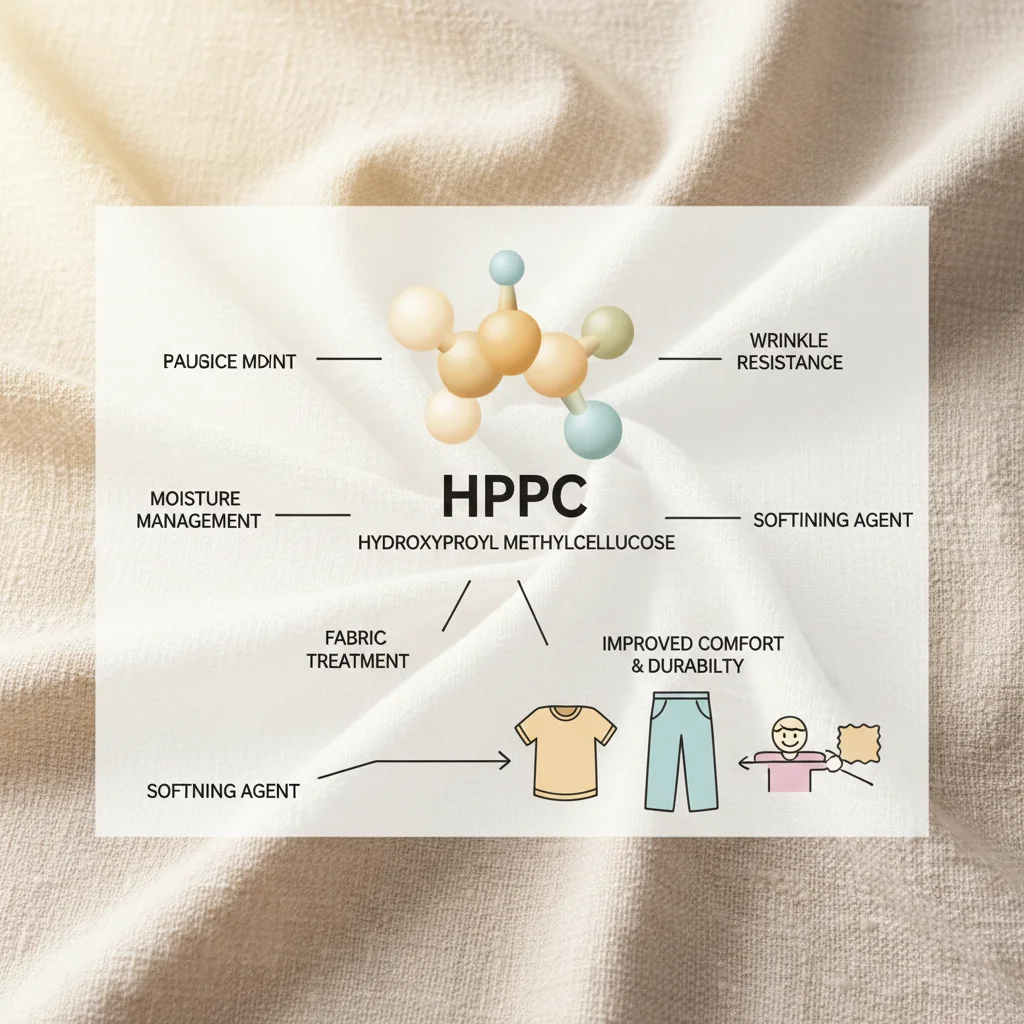
Hydroxypropyl Methylcellulose (HPMC) is a versatile cellulose ether widely used across a spectrum of industries, including construction, pharmaceuticals, food, and personal care. This natural polymer, derived from cellulose, offers a unique combination of properties – thickening, binding, film-forming, and water retention – making it an invaluable ingredient in numerous formulations. At TJ HPMC, we specialize in providing high-quality HPMC products tailored to your specific needs. This article delves into the properties, applications, and benefits of HPMC, providing a comprehensive guide for professionals and enthusiasts alike.
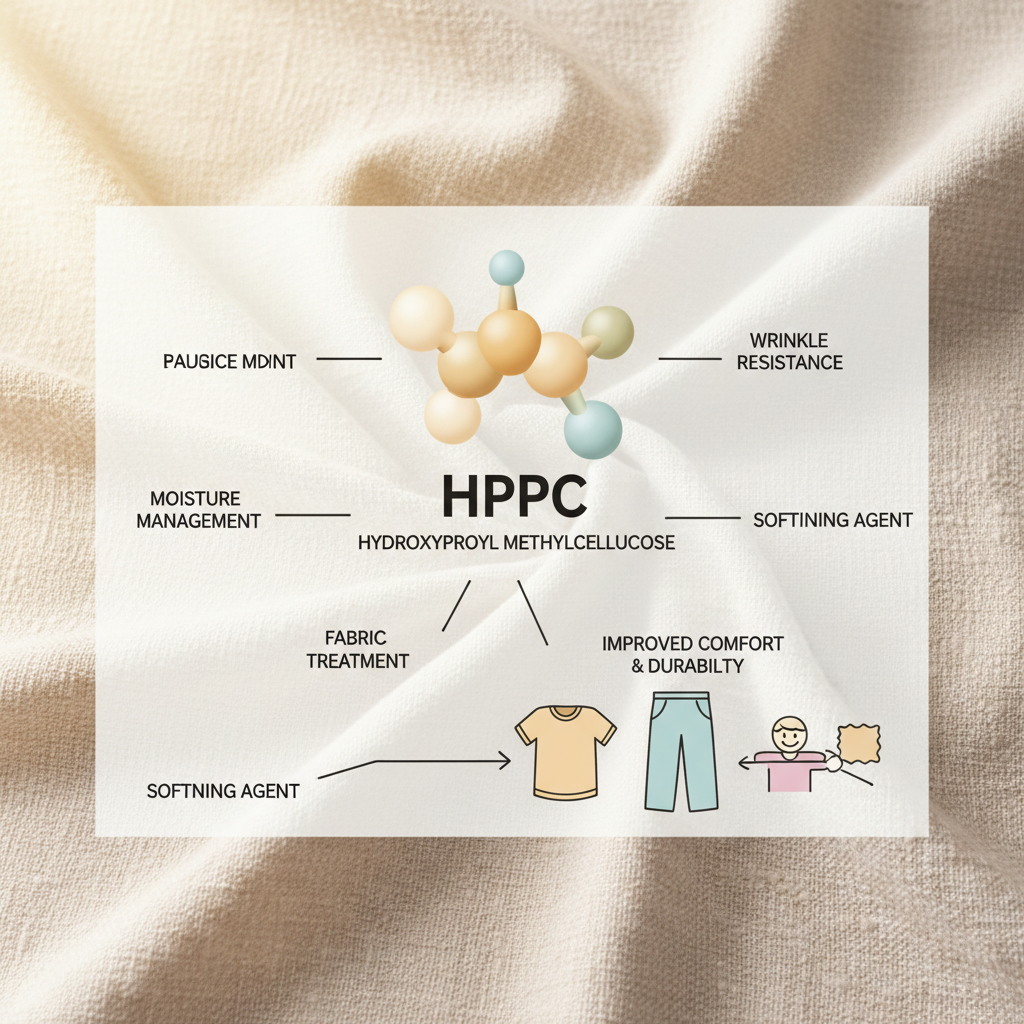
HPMC is a non-ionic, water-soluble polymer produced by chemically modifying cellulose. The process involves treating cellulose with propylene oxide and methyl chloride. The degree of substitution—the amount of methyl and hydroxypropyl groups attached to the cellulose—determines the specific properties of the resulting HPMC grade. Higher hydroxypropyl content generally increases water solubility and reduces gelation temperature. This makes HPMC adaptable to a wide range of applications. TJ HPMC provides precise control over these parameters, ensuring consistent product quality and performance.
Key Highlights: HPMC offers a unique combination of thickening, binding, film-forming, and water retention properties. It’s a versatile polymer adaptable to diverse industry needs.
HPMC is available in various grades, each characterized by its viscosity, particle size, and degree of substitution. These properties dictate its suitability for different applications. Viscosity, measured in centipoise (cP), influences the thickening effect. Particle size impacts dissolution rate and texture. Understanding these parameters is crucial for selecting the optimal HPMC grade for your formulation. TJ HPMC offers a comprehensive range of HPMC grades to meet your specific requirements.
HPMC Grade Overview:
• Viscosity: Ranges from 4,000 cP to 200,000 cP, influencing thickening power.
• Particle Size: Impacts dissolution rate and texture.
• Degree of Substitution: Affects water solubility and gelation temperature.
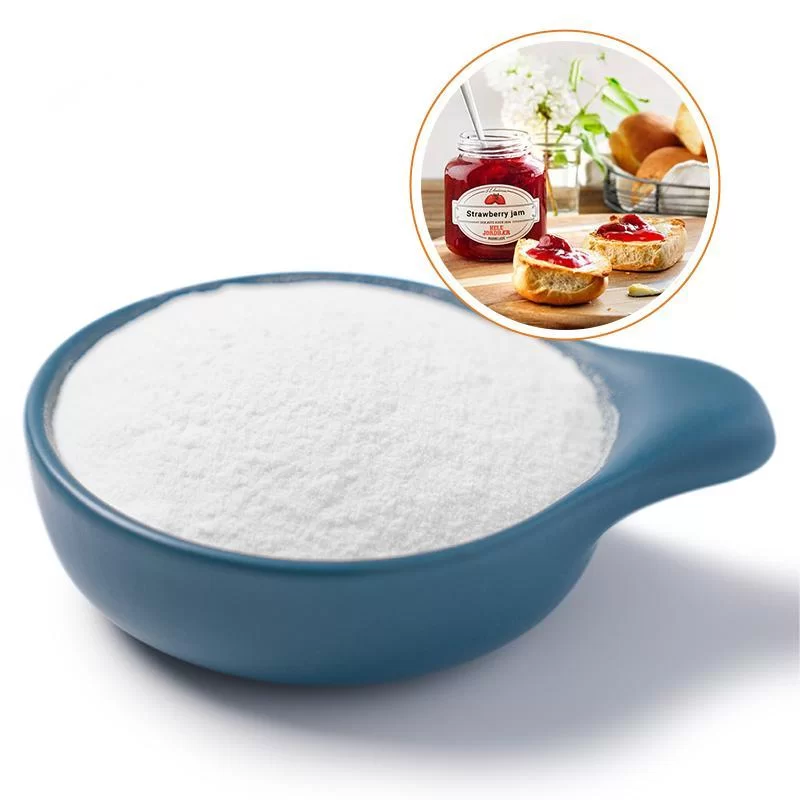
The versatility of HPMC translates into a wide array of applications. In the construction industry, it’s used as a thickener and water-retention agent in cement-based mortars, tile adhesives, and renders, improving workability and preventing cracking. In pharmaceuticals, it serves as a binder, film-coating agent, and controlled-release matrix in tablets and capsules. Food applications include thickening sauces, stabilizing ice cream, and providing texture to baked goods. The personal care industry utilizes HPMC in shampoos, lotions, and creams for its thickening and stabilizing properties. TJ HPMC caters to these diverse sectors with tailored product solutions.
At TJ HPMC, we are committed to providing consistently high-quality HPMC products coupled with exceptional customer service. Our rigorous quality control processes ensure that our HPMC meets stringent industry standards. We offer customized solutions tailored to your specific application requirements, providing technical support and expertise to optimize your formulations. We also prioritize sustainable manufacturing practices, minimizing our environmental impact.
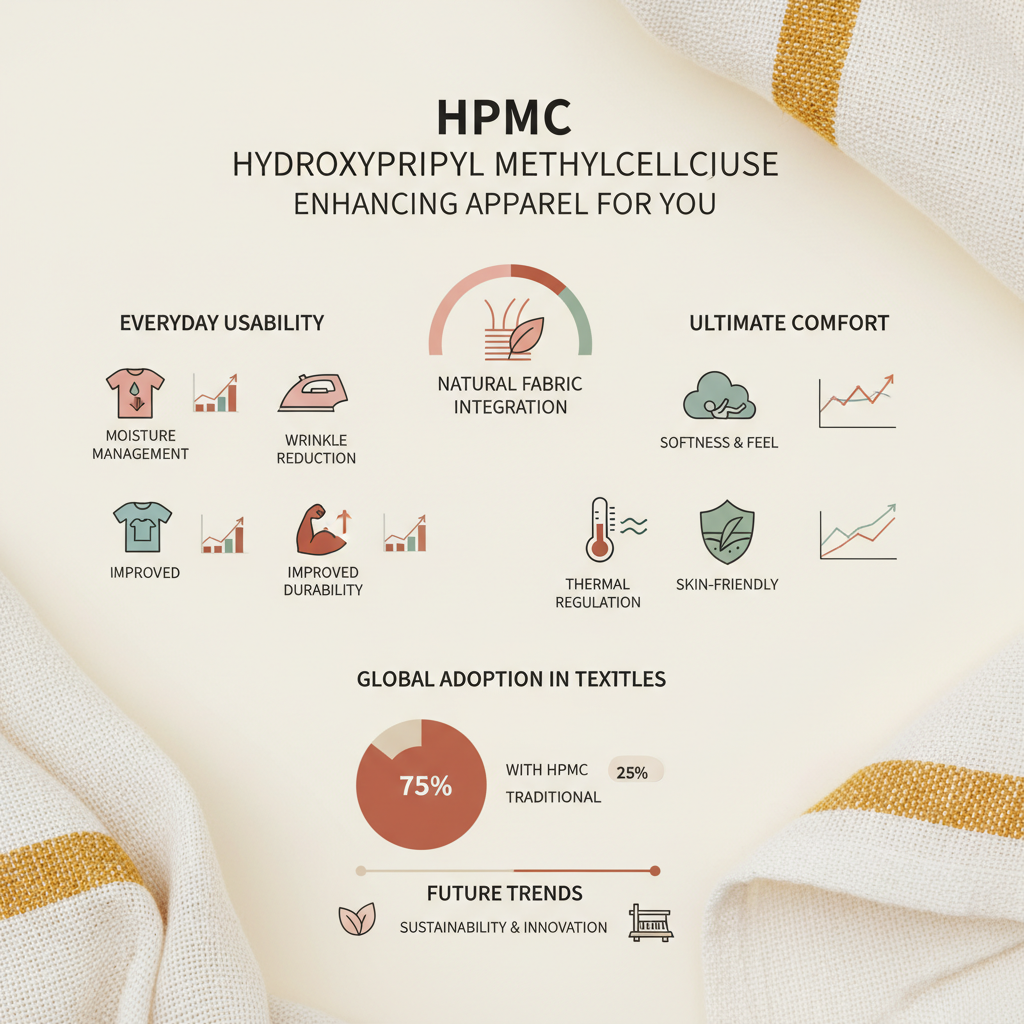
Choosing the right HPMC supplier is crucial for achieving optimal results in your applications. TJ HPMC offers a reliable supply of high-quality HPMC, backed by technical expertise and a commitment to customer satisfaction. Contact us today to discuss your specific needs and discover how we can help you succeed.
When stored correctly in a cool, dry place, away from direct sunlight and moisture, HPMC typically has a shelf life of at least 5 years. However, it's essential to check the product's certificate of analysis (COA) for the specific batch's expiration date. Over time, exposure to humidity can lead to clumping and a decrease in viscosity. Proper packaging and storage are crucial for maintaining the HPMC's quality and performance.
HPMC dissolves in cold water, but the process can be accelerated by dispersing the powder into warm or hot water while stirring vigorously. The rate of dissolution depends on the grade of HPMC (particle size and viscosity) and the water temperature. It’s recommended to add HPMC slowly to the water while constantly stirring to avoid clumping. A vortex created by the stirring action helps to hydrate the particles and promotes faster dissolution.
Yes, HPMC is derived from cellulose, which is a natural component of plant cell walls, making it a suitable ingredient for vegan and vegetarian formulations. It is not derived from animal sources and is widely accepted in these dietary categories. It’s important to note that while HPMC itself is vegan, the manufacturing process should also be verified to ensure no animal-derived substances are used as processing aids.
HPMC is generally considered a safe material. However, like any fine powder, it can cause irritation to the eyes, skin, and respiratory system. It's recommended to wear appropriate personal protective equipment (PPE), such as safety glasses, gloves, and a dust mask, when handling HPMC. Avoid creating excessive dust and ensure adequate ventilation in the work area.
Hit enter to search or ESC to close